
While the Global oil market is on rise due to un-lockdown after pandemic and rise in fuel demand, India has managed to force OPEC (Organisation of the Petroleum Exporting Countries) to keep prices low for Asia specific countries till March,21.
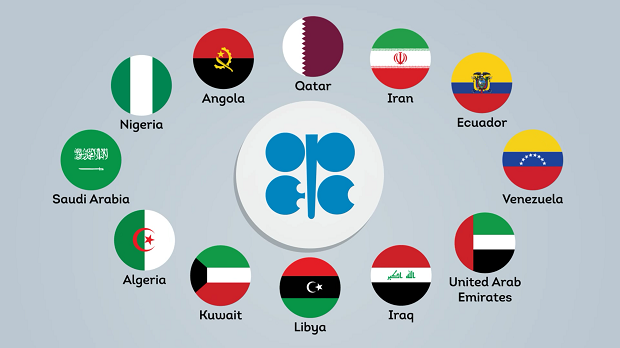
This powerful move from India is actually result of bright diplomacy and support provided to Saudi Arabia earlier amidst pandemic when Crude oil market was crashing rapidly where it reached a point when oil prices went down to 20$ per barrel. In those miserable times India assured Saudi despite of low demand we will extend support by buying and storing oil in strategic oil reserves locally and asking countries like USA to store on India’s behalf if they have additional storage facilities. Despite losing 70% demand India remained third largest oil consumer and helped Saudi to survive during those tough times.
On April 10, India came together with Saudi and pitched G-20 countries to grant permission for deepest ever production cut for safeguarding oil prices by balancing demand and limiting production creating a “fair” market. This step was lauded by Saudi’s diplomats and they saw it as “true friendship”.
But recently OPEC lynchpin Saudi’s surprise offer to trim oil output by extra 1 million barrels a day was against anticipated “fair” market. This crashed all hope by pushing oil prices signalling the greed of oil rich nations. So, India stood against OPEC and forcefully made an agreement to keep Oil prices constant for Asian region. (Oil prices varies regionally so India couldn’t ask for any specific countries only)
Now the Big question: Why petroleum prices are still at an all time high in India?
Due to pandemic, like every country India made significant expenses to bring economy back on track while the income went significantly low as evident from first quarterly result after lockdown i.e. -23.9%. With increasing fiscal deficit, it was expected that government would put the burden on direct taxpayers and businesses but after financial budget of 2021, government didn’t levy any extra burden of tax on citizens or corporates. This step was ecstatically welcomed by stock market resulting in highest budget day gain reported by Sensex in last 22 years as it rose 5 percent.
Now, the government still has to cover fiscal deficit and petroleum is one of the several major sources for revenue generation. Taxes are a major part of fuel prices in India where Excise duty and VAT constitute almost 63 percent of the price of petrol and 60 percent for diesel. So, to curb hyper inflation alongside managing growing fiscal deficit, reminding OPEC to keep oil prices low for Asia was not a bold move but also necessary. What a great example of India – Saudi Arabia relations. Isn’t it?
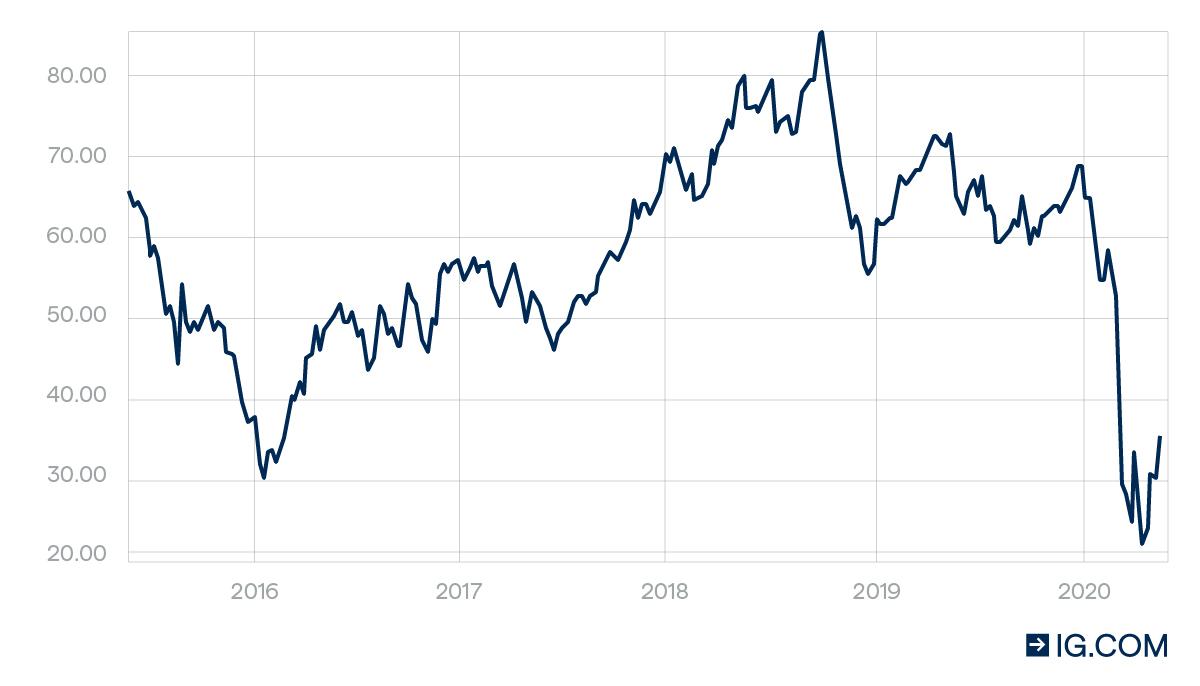
Below is graphic representation of past 5 years of Oil price per barrel in USD.


 bastardsdotin.wordpress.com
