~
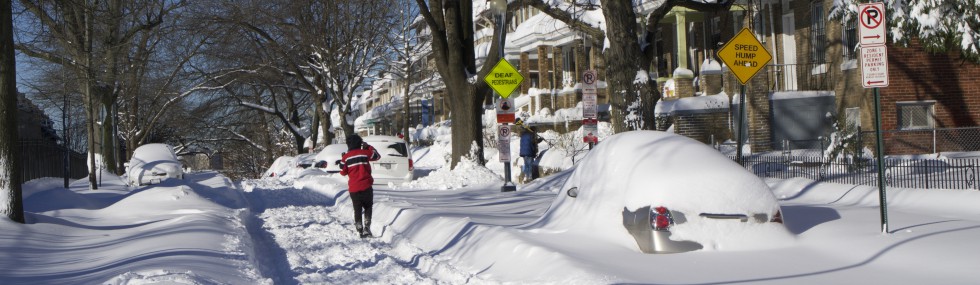
I'm not going to complain about the heat per se because we all know that we have record breaking heat in the North East at the moment (just like we had record breaking snow just a few short months ago!).
But, I really wish they would move our "official" recording station away from Reagan National airport - it's on the Potomac River and I'm sure it derives some benefit from the water (like a "sea" breeze). It's always hotter in everyone else's backyards and on those bank thermometers, than it is at Reagan. My outdoor thermometer has said 104 for the last two days while the official reading has been 102.
I am going to whinge about the metro though – oh what a joy it is in the afternoons when people radiating heat and horrible odors squeeze in so tightly there is no way we are not touching each other. I found it hard to concentrate on my book this afternoon as I alternated between thinking I might be sick and thinking that I might pass out. And, all the time wondering if I should just get off and hope that the next train is cooler – unlikely according to Metro's own web site.
Tomorrow it's forecast to be only 95! Heavens – I might need a cardigan!
~
From: http://wmata.com/about_metro/news/PressReleaseDetail.cfm?ReleaseID=4555
The record-breaking heat also may make rail stations and trains uncomfortable for passengers. Rail cars may feel overly warm due to more passengers on trains and the regular opening of doors at each station stop. When the doors open to let passengers in and out of the rail cars, cool air goes out the door and warm air enters the car.
Underground rail stations also may seem warmer than usual during the heat wave. Warm air flows in through the open-air, street-level station entrances. In addition, trains entering underground stations from above ground stations pull in hot air from the outside as well. There is a misperception that Metrorail stations are air conditioned. Underground stations have chilled water air handling units, or chillers, not air conditioners, to cool the air. The Metrorail cooling system was developed in the 1970s to reflect energy conservation standards of the time. Temperatures in stations were designed to be up to 20 degrees cooler than outside temperatures.
 Aussie Emjay's Blog
