Thursday, March 26, 2026

Iran threatens Red Sea shipping, warns of new front if US invades

Image

Iran threatens Red Sea shipping, warns of new front if US invades


Image
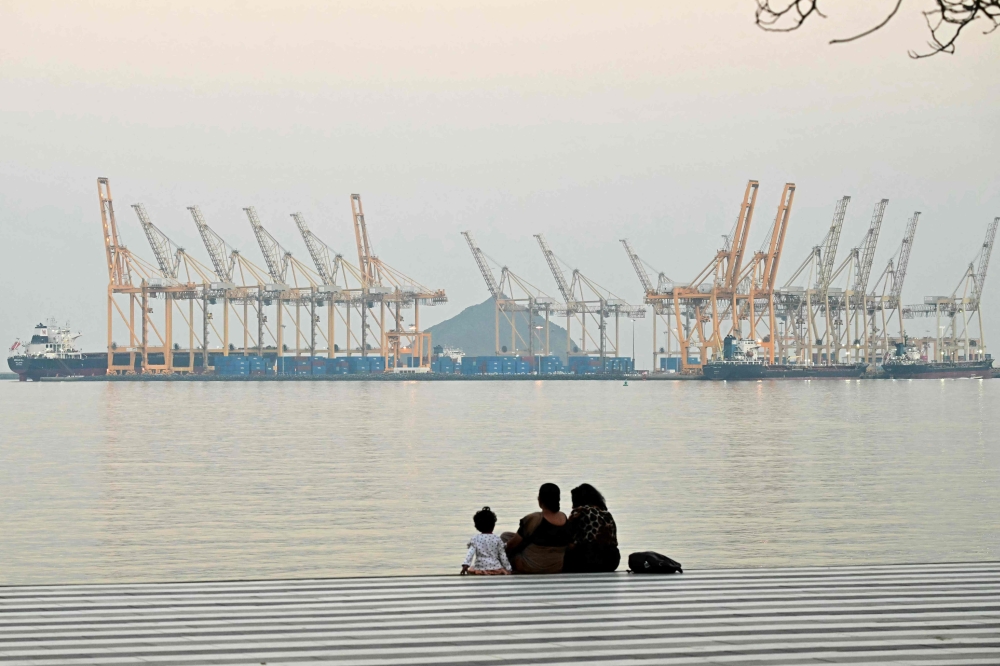
Iran has warned it could target Red Sea shipping if the United States launches a ground invasion, raising fears of wider disruption to global trade. — AFP pic

Thursday, 26 Mar 2026 11:45 AM MYT


TEHRAN, March 26 — Iran would target shipping in the Red Sea, a crucial conduit for global oil and other goods leading to the Suez Canal, if the United States launches a ground invasion, an unnamed military official told local media yesterday.

“If the enemy attempts a ground operation on Iranian islands or anywhere else on our territory, or if it seeks to impose costs on Iran through naval manoeuvres in the Persian Gulf and the Sea of Oman, we will open other fronts as a ‘surprise’,” the official was quoted as saying by the Tasnim news agency.


“The Bab el-Mandeb Strait is among the most strategic straits in the world, and Iran has both the will and the capability to pose a fully credible threat against it,” the official said.

The Bab el-Mandeb Strait, like the Strait of Hormuz off the coast of Iran, is a chokepoint for global shipping that lies between Yemen and Djibouti at its narrowest point.


Iran has close links to and arms the Houthi rebel group in Yemen which greatly reduced Red Sea traffic in October 2023 when they began attacking vessels in retaliation for Israel’s bombardment of Gaza.


The group has been battered by air strikes since, but analysts say the rebels could move from their position on the sidelines of the current US-Iran war and take a more active role.

However, the Houthis are seen as less ideologically tethered to Iran and have long enjoyed more independence than other Tehran-backed militant groups in the Middle East.


US President Donald Trump is moving thousands of airborne troops and extra marines to the Gulf amid speculation that he might order a limited ground invasion to either seize Iranian oil assets in the Gulf or secure the Strait of Hormuz.

One possible target is Kharg Island, which handles almost all of Iran’s crude exports.

Trump has called it a “little oil island that sits there, so totally unprotected”.

Shipping through the Strait of Hormuz has slowed to a trickle because of the conflict, disrupting roughly 20 percent of global oil supplies.

Crude prices have spiked to around 100 dollars a barrel as a result of what the International Energy Agency has called “the largest supply disruption in the history of the global oil market”. — AFP

Netanyahu orders 48-hour surge in Iran air strikes fearing Trump may halt war — report


Benjamin Netanyahu instructs the military to speed up its air campaign against Iran for 48 hours to destroy as much of the country's arms industry as possible before Washington moves towards a ceasefire


Image
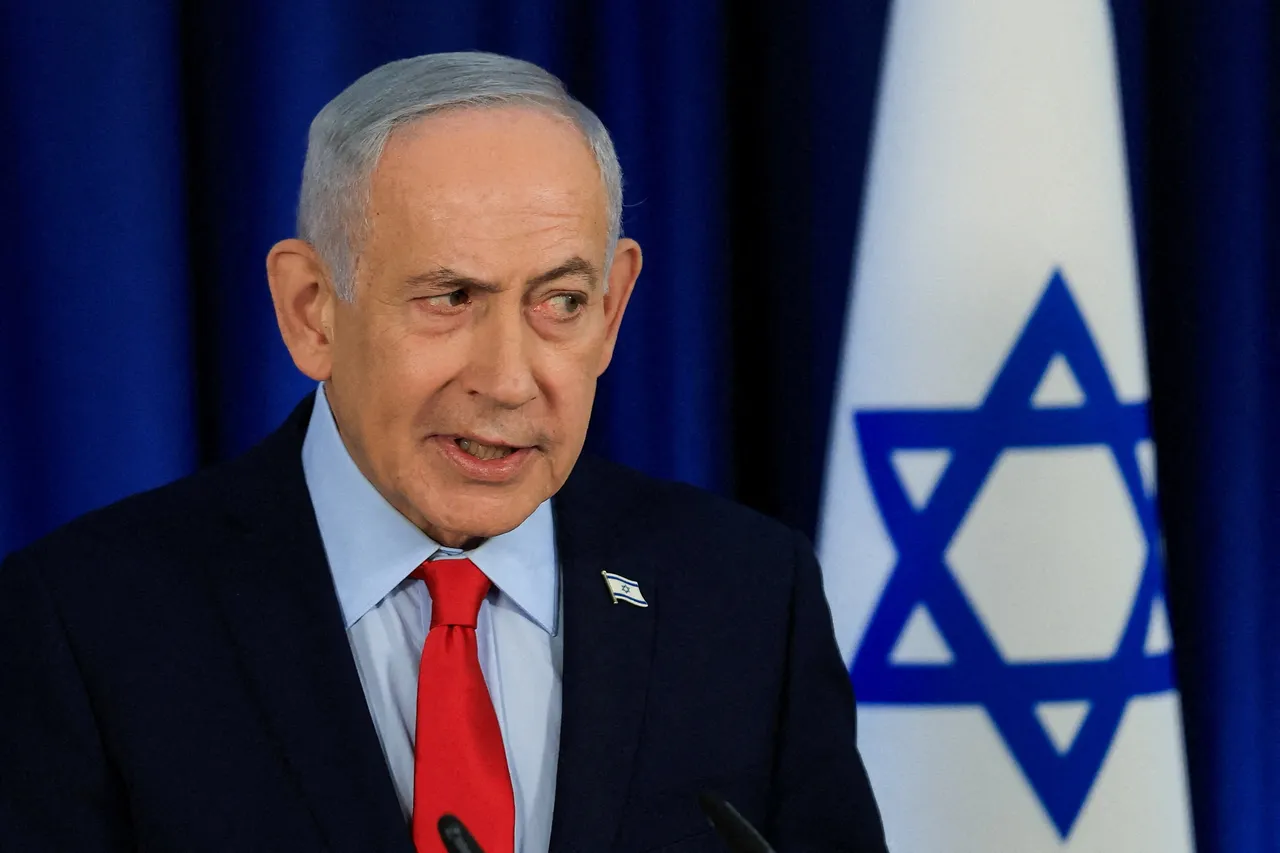
Netanyahu accelerates strikes on Iran before potential ceasefire. (FILE) / Reuters


Israeli Prime Minister Benjamin Netanyahu has instructed the military to speed up its air aggressions against Iran for 48 hours to destroy as much of the country's arms industry as possible before Washington moves toward a ceasefire, according to the New York Times.

The directive has come after Netanyahu's government obtained a copy of a US-drafted 15-point plan to end the war and concluded it did not adequately address Iran's nuclear programme or ballistic missile capabilities.

Israeli officials fear US President Donald Trump could announce peace talks at any moment, the report said.

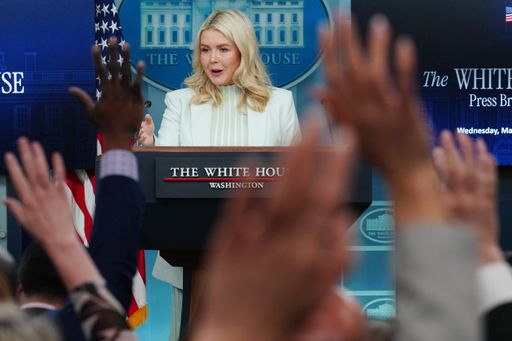
On the reported plan, White House spokesperson Karoline Leavitt urged caution, saying she had seen a plan "floated in the media" but that the White House had never confirmed it.

"There are elements of truth to it, but some of the stories I read were not entirely factual," she added.

Netanyahu issued the order during a meeting at a military headquarters on Tuesday, following briefings from senior commanders on remaining viable targets.


Image
TRT World - White House declines to say who US is negotiating with in Iran as backchannel talks continue


Limited leverage

The urgency reflects a constraint Israel faces in the war, according to Israeli national security officials cited in the report.

The decision to end the war rests with Trump, leaving Netanyahu with limited influence over its conclusion.


Israeli officials remain divided, with some pushing for at least another week of attacks while others favour an earlier end.

Officials cited in the report said the most significant military gains came in the opening week, with concerns growing over international opinion, the war's financial cost and the burden on Israelis.


Uprising debate


Trump has rejected a suggestion by Israeli Prime Minister Benjamin Netanyahu to publicly encourage an uprising in Iran, according to Axios.

Netanyahu suggested urging Iranians to take to the streets during a recent call, but Trump opposed the idea, warning protesters could be "mowed down", the report said, citing US and Israeli sources familiar with the conversation.

The report added Israeli officials believed recent strikes targeting senior Iranian figures could weaken the regime and create conditions for unrest.

The United States and Israel launched their joint war against Iran on February 28, killing more than 1,340 people.

Iran has responded with strikes across the region, disrupting oil flows and aviation.


***


The WICKEDNESS of Satanyahu is sheer staggeringly sickening and 101% EVIL.


Russia Calls Korea-U.S. Joint Drill 'Clear War Preparation' Amid Peninsula Tensions


THANKS MF:


Seoul Economic Daily
Korea's Leading Business News Since 1960

한국어


Russia Calls Korea-U.S. Joint Drill 'Clear War Preparation' Amid Peninsula Tensions


Published 2026.03.25. 23:05:47|
By Im Hye-rin


Image
Russia: "Joint South Korea-U.S. military exercises amid heightened Korean Peninsula tensions are clearly war preparations"


Russia has criticized the recently concluded annual Korea-U.S. combined command post exercise (CPX), Freedom Shield (FS), calling it "war preparation."

Maria Zakharova, spokesperson for the Russian Ministry of Foreign Affairs, said at a briefing on Friday that "the United States and South Korea conducted yet another combined military exercise from March 9 to 19 amid rising tensions on the Korean Peninsula," according to RIA Novosti and Reuters.

"It was officially announced as a defensive exercise, but considering the content of the maneuvers and the military equipment mobilized, this is clearly no different from war preparation," Zakharova said.

According to the Joint Chiefs of Staff and the Republic of Korea-U.S. Combined Forces Command, approximately 18,000 troops participated in this year's FS exercise, a figure similar to last year.

North Korea, which has long reacted sensitively to Korea-U.S. joint exercises, once again issued a statement under the name of Kim Yo-jong, vice department director of the Workers' Party Central Committee, just one day after the drill began. She warned that "military force demonstrations by hostile forces near our nation's sovereign security domain could lead to consequences too horrific to imagine."


Pentagon turbocharges missile output, shifts to ‘wartime footing’


Image

Pentagon turbocharges missile output, shifts to ‘wartime footing’


Image
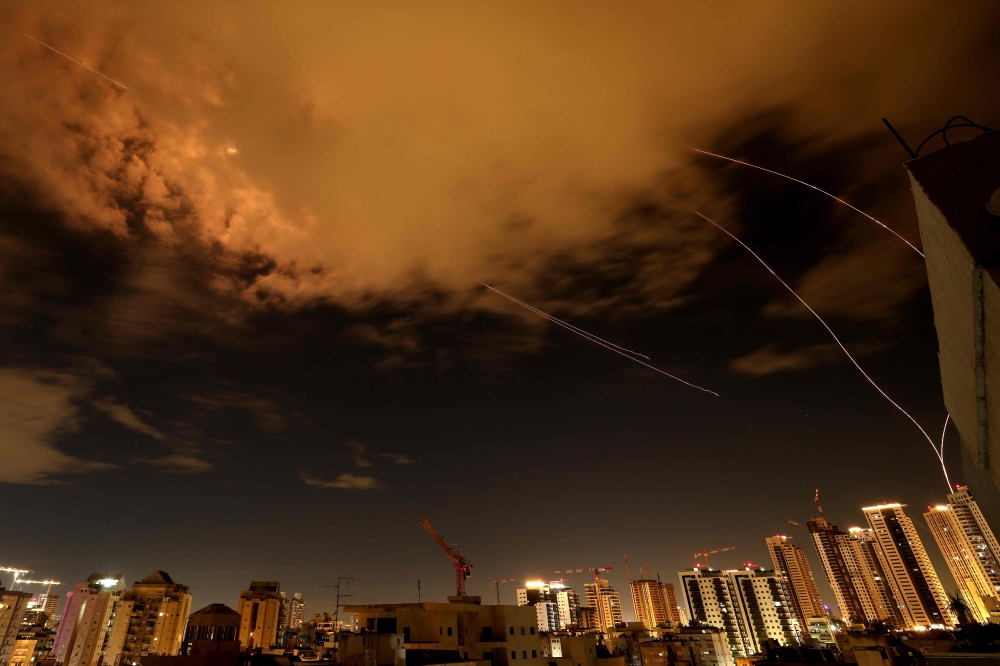
The US has moved to accelerate missile production, with defence contractors scaling up output amid rising demand in the Middle East conflict. — AFP pic
Thursday, 26 Mar 2026 9:21 AM MYT


WASHINGTON, March 26 — The US Defence Department announced yesterday agreements with defence contractors to put missile production “on a wartime footing” as the Mideast war leads to rapid use of munition stocks.


The extensive use of interceptor missiles by the United States, Israel and the Gulf states to counter Iranian retaliatory attacks has raised concerns about stockpile sizes.


In the first deal, Lockheed Martin and BAE Systems agreed to a fourfold increase in production of “seeker heads,” a key component for the THAAD anti-missile system that has seen significant use in the Middle East.

The goal is to put the “industrial base on a wartime footing,” the Pentagon said in a statement.


At the end of January, Lockheed Martin had already announced an acceleration of its THAAD production from around 100 a year to about 400 annually within a few years.


A second deal with Lockheed Martin will accelerate production of Precision Strike Missiles, or PrSM, tactical ballistic missiles used for the first time against Iran. They succeed the Army Tactical Missile System, or ATACMS.

Lockheed Martin confirmed the order, saying in a statement it builds on a previous US$4.94 billion (RM19.6 billion) contract award from the US Army last year.


In a third deal, Honeywell Aerospace agreed to boost the production of “critical components for America’s munitions stockpile,” including navigation systems, the Pentagon said.

Honeywell said it included a multi-year investment of US$500 million to upgrade its production capabilities to “rapidly increase the manufacturing of critical defence technologies.”

It has committed to manufacturing more navigation systems as well as actuators for missile manoeuvrability and electronic warfare solutions, particularly for AMRAAM medium-range air-to-air missiles with radar guidance. — AFP
Concrete capillaries: How hidden viaduct passages enable MRT cable thieves to access tracks in the Klang Valley


Image

Concrete capillaries: How hidden viaduct passages enable MRT cable thieves to access tracks in the Klang Valley


Image
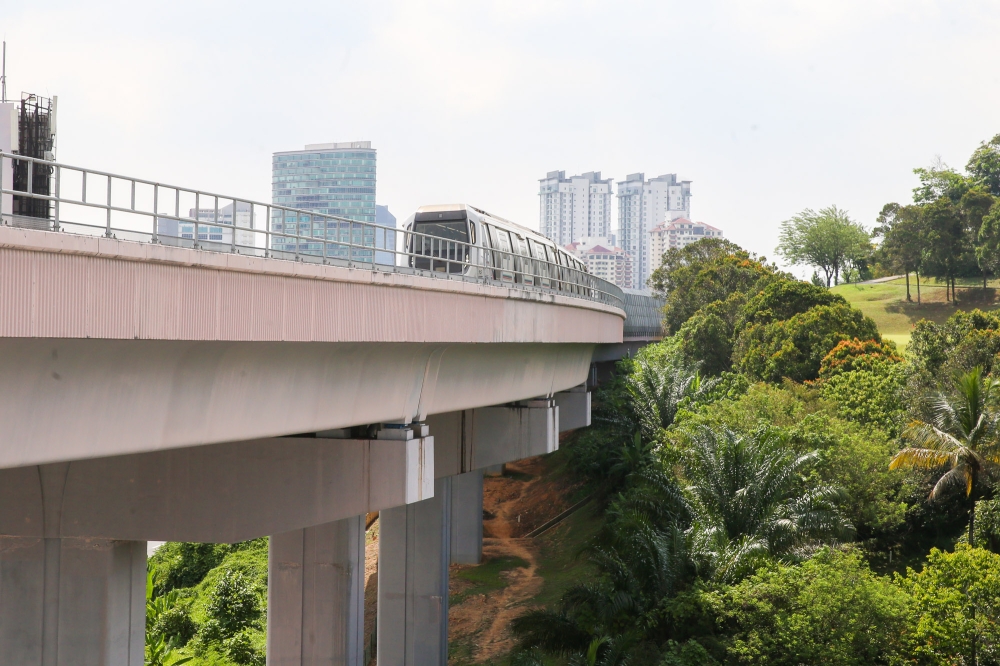
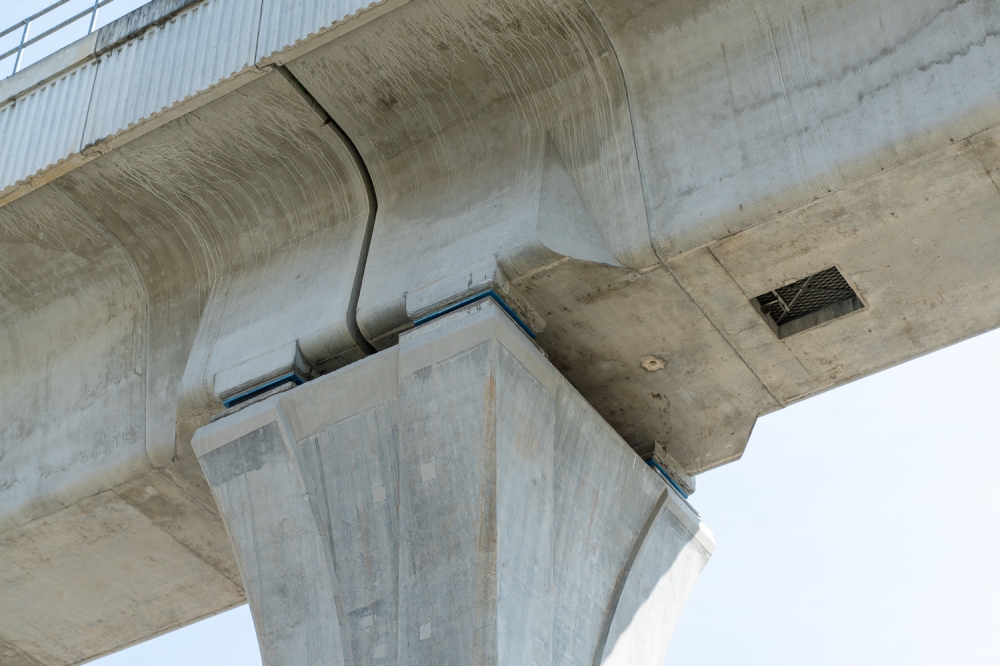
The extensive viaducts along the elevated MRT Kajang and Putrajaya Lines offer direct access and allow undetected movement, inadvertently enabling cable theft when breached. — Picture by Raymond Manuel

Thursday, 26 Mar 2026 7:00 AM MYT


KUALA LUMPUR, March 26 — Beneath the elevated tracks, a hidden network of hollow spaces within Klang Valley’s MRT viaducts is being exploited by cable thieves, inadvertently turning critical infrastructure into a pathway for intrusion.

Once inside, the viaduct’s hollow structural sections allow intruders to move along the rail line largely undetected and double as temporary hideouts, effectively bypassing ground-level patrols and conventional security surveillance.

The viaduct’s proximity to public infrastructure and surrounding terrain further exacerbates this vulnerability.

Nearby highways, pedestrian walkways, billboards and T-piers provide unintended access points near high-traffic zones, allowing intruders to approach or scale the reinforced concrete structure with relative ease.


In other areas, hillside terrain and dense vegetation offer natural cover, limiting visibility and complicating routine monitoring by authorities.


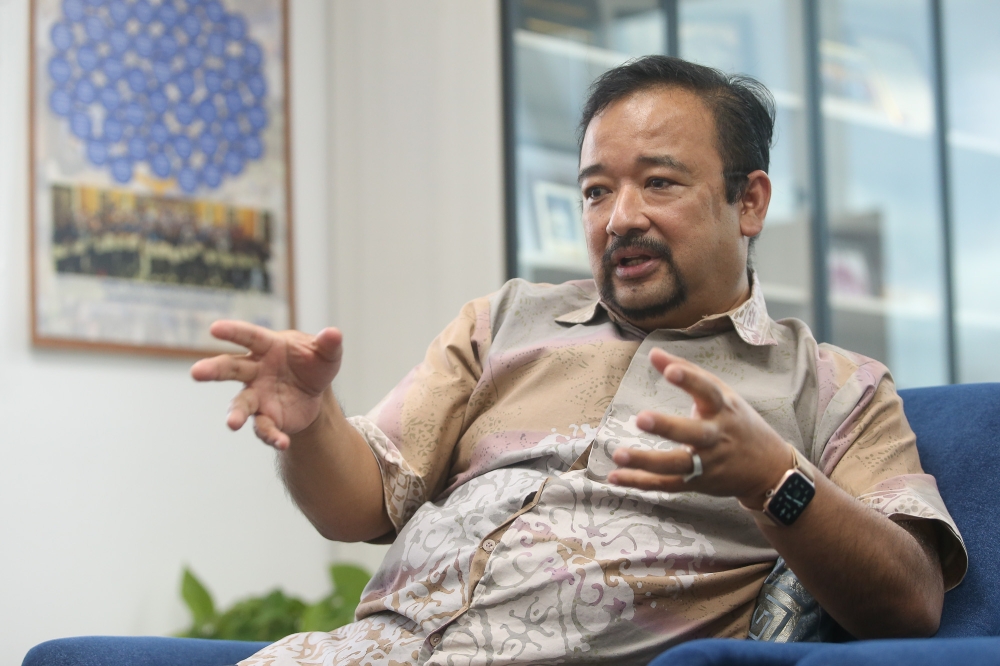
“In the past, cable thieves mainly targeted the ground-level tracks, but now they have also started attacking our elevated cables by entering through the viaducts and concrete piers.

“Once you get into the viaducts, you are no longer visible and you can walk through the rail lines,” Prasarana Group chief health, safety, security, environment and sustainable development officer Idzqandar Abu Bakar told Malay Mail.


Image
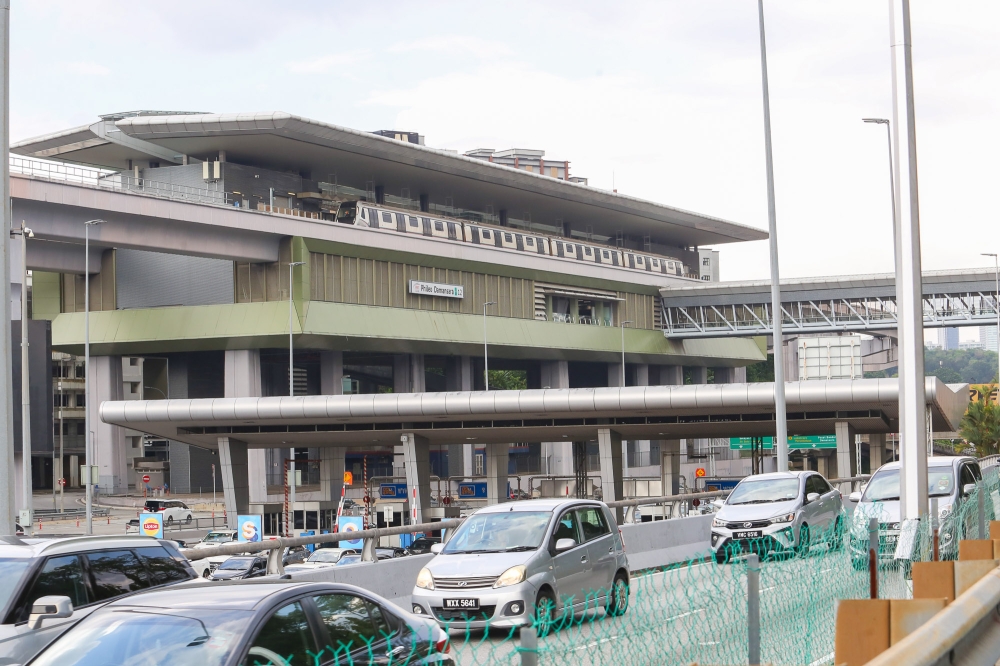
Hillside terrain and ground-level access near the Phileo Damansara station on the MRT Kajang Line provide natural cover and multiple informal entry points. — Picture by Choo Choy May


Of the 72 cases reported in 2025, Prasarana’s data shows that nearly half or 43 per cent of cable thefts involved access via T-piers and viaducts.

The next most common points of entry were fencing (20), hillside terrain (8) and billboards (6).


Idzqandar explained that cable thieves rely on one of four primary methods to gain access to the viaduct using collapsible ladders, ropes and a variety of cutting tools.

The four main access methods — low piers, hillside terrain, adjacent structures, and ground level — all serve the same purpose: to reach the viaducts as swiftly as possible.

Despite Prasarana’s mitigation efforts, the number of piers and the extensive length of the MRT Kajang and Putrajaya Lines complicated efforts to fully stop the thefts, leading to revenue losses, network-wide service impacts, and rising recovery costs.

To put it in perspective, the MRT Kajang Line stretches 48km and has 1,394 piers, while the MRT Putrajaya Line spans 68km with 1,265 piers.

“It is difficult to maintain 116 kilometres for both MRT lines but we do what we can (to deter the thefts); however, we cannot cover certain areas along the track length due to the terrain,” Idzqandar said.


Image
A close-up of one of the numerous viaduct access points beside a concrete pier beneath the elevated tracks along the MRT Kajang and Putrajaya Lines. — Picture by Raymond Manuel


As part of Prasarana’s cable theft action plan, Idzqandar said viaduct access points at all but one MRT station have been locked, and solar-powered closed-circuit television (CCTV) systems have been installed near Phileo Damansara and other high-risk areas.

Cut cables, cut control

Idzqandar said knowing the exact position of every train in service at all times is crucial because they are all driverless and any lapse could cause service interruption.

“This train needs power to run.

“If a section of cable is cut long enough that both the front and back of the train lose power, the train will stop — that’s the first risk.

“The second is signalling. Sometimes when thieves cut the power cables, they also sever signalling lines. Without signalling, we cannot know the location of our trains,” he said.


Image
In 2025, the Phileo Damansara station on the MRT Kajang Line topped the list for cable thefts in its surrounding area. — Picture by Choo Choy May


When a theft occurs, thieves often sever the signalling cables along with the power lines, Idzqandar added.

“When signalling is down, trains may still be moving, but we must stop operations or manage them manually, which requires extensive effort outside our normal operating procedures.

“The system is built with safety mechanisms that allow us to track the front and back of each train and maintain safe distances.

“Without these safeguards, operating the trains would be practically driving in the dark — a risk we cannot take,” he said.

In 2025, cable theft caused 17 operational disruptions across the MRT Kajang and Putrajaya Lines and the LRT Kelana Jaya Line—five of which occurred during 14 incidents last August.

He noted that not every cable theft leads to a service halt, but all incidents cause some level of disruption.

“Sometimes the train can keep moving if there is power at one end, giving it enough momentum.

“A train requires power at both the front and back to operate optimally. If the back loses power but the front still has it, the train can continue to move. But if a longer section is cut, or the cut disrupts both ends, the train will stop,” he said.


Image
Idzqandar says cable theft can disrupt operations by affecting power and traction systems, as well as signalling and communications. — Picture by Yusof Mat Isa


Idzqandar said there are several ways to detect cable theft, even when breaches happen undetected at night.

“Sometimes we find remnants of cut cables underneath the elevated tracks.

“Before operations begin in the morning, our teams conduct sweep inspections during which they may notice missing or damaged cables or a power loss.

“Occasionally, a train may suddenly stall, triggering a call to the investigation team. They then identify the affected section and confirm that theft or damage has occurred,” he said.


Trump ready to ‘unleash hell’ as Iran refuses talks and war rages on


Image

Trump ready to ‘unleash hell’ as Iran refuses talks and war rages on


Image
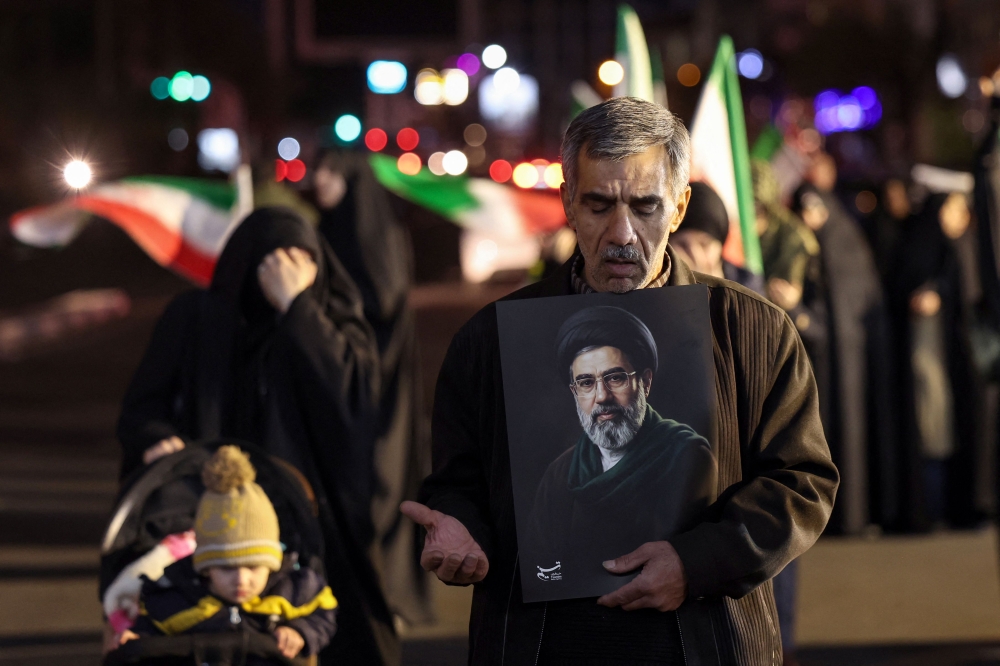
A man reacts as he holds a portrait of Iran’s supreme leader Mojtaba Khamenei as people march in support of the Iranian armed forces in central Tehran March 25, 2026. — AFP pic

Thursday, 26 Mar 2026 8:39 AM MYT


WASHINGTON, March 26 — US President Donald Trump is ready to “unleash hell” if Iran doesn’t accept a deal to end the Middle East war, the White House warned yesterday, but a defiant Tehran said it did not intend to negotiate.

The ramped-up rhetoric dashed hopes of any imminent de-escalation, as the violence on the ground showed no sign of abating after almost four weeks.


“If Iran fails to accept the reality of the current moment... Trump will ensure they are hit harder than they have ever been hit before,” Press Secretary Karoline Leavitt told a news briefing, following reports that Iran had rebuffed a US peace plan.

“President Trump does not bluff and he is prepared to unleash hell. Iran should not miscalculate again,” she said, while adding that “talks continue”.


Iranian Foreign Minister Abbas Araghchi, however, rejected the US overture, saying “we do not intend to negotiate”.


“At present, our policy is the continuation of resistance”, Araghchi said on state TV, adding that the United States “speaking of negotiations now is an admission of defeat” by Washington.

Pakistani officials earlier said Islamabad had conveyed to Tehran an American 15-point plan to stop the fighting that began on February 28 with US-Israeli attacks on Iran and has since engulfed the region.


Iran state television Press TV cited an unidentified official as saying Tehran had “responded negatively” to the plan and that the war would only end on Tehran’s terms, which includes guarantees against future attacks.

“We seek an end to the war on our own terms,” Araghchi confirmed, “and in a way that it will not be repeated here again”.

With thousands more US troops reportedly headed to the Middle East, Iran also threatened to open a new front by targeting Red Sea shipping, should the US launch a ground invasion.

‘Out of control’

UN Secretary-General Antonio Guterres said the war was “out of control”.

On the ground, there was no let-up in the hostilities, with targets in Iran, Israel, Lebanon, Bahrain, Kuwait, Jordan and Saudi Arabia all coming under fire.

Iran’s military said its cruise missiles fired at the USS Abraham Lincoln carrier group had “forced it to change its position”, warning of “powerful strikes” when the fleet comes into range.

US ally Israel, meanwhile, said it had struck targets in Tehran as well as a submarine development facility in the central city of Isfahan.

From Tehran, 40-year-old Shayan told AFP: “There is gasoline, water and electricity. But there is a sense of helplessness in all of us. We don’t know what to do and there’s really nothing we can do.”

Iran sets five conditions

Trump has in recent days repeatedly claimed progress in talks with Iran, even as Tehran denied any formal negotiations were taking place.

Mediators in the region said work was ongoing behind the scenes, but Araghchi said the exchange of messages through “friendly countries” did not equate to negotiations with Washington.

According to the New York Times, citing anonymous officials, the American 15-point plan touches on Iran’s contested nuclear and missile programmes, as well as “maritime routes”.

Tehran has largely blocked the vital Strait of Hormuz oil route in retaliation for the US-Israeli attacks, pushing up global energy prices.

The Iranian official quoted by Press TV said Tehran has put forward its own five conditions for hostilities to end.

These include a robust mechanism guaranteeing that neither Israel nor the US will resume the war as well as compensation for war damages.

Iran’s conditions also include a cessation of hostilities on all regional fronts and against all “resistance groups” — an implicit reference to the Tehran-backed Lebanese group Hezbollah.

Tehran also wants international recognition and guarantees of Iran’s rights to exercise its sovereignty over the Strait of Hormuz.

Red Sea threat

Speculation in Iran of a possible US invasion of an Iranian island led to stark warnings of more violence and a further squeeze on ship traffic.

In the event of a US invasion, Iran would block the Bab el-Mandeb Strait, which connects the Indian Ocean to the Red Sea and the Suez Canal, an unnamed military official told local media.

Iran has close links to and arms the Houthi rebel group in Yemen which greatly reduced Red Sea traffic in October 2023 when they began attacking vessels in retaliation for Israel’s bombardment of Gaza.

Dismantling Hezbollah

It remains unclear whether Israel is on board with America’s diplomatic overture.

While striking targets in Iran yesterday, Israel kept up its campaign against Hezbollah in Lebanon, where Israeli warplanes pounded the southern suburbs of Beirut.

Israeli Prime Minister Benjamin Netanyahu said that his country’s forces were expanding a “buffer zone” in southern Lebanon and that dismantling Hezbollah “remains central” to Israel’s objectives in Lebanon.

Lebanon was pulled into the war when Hezbollah began firing rockets into Israel on March 2 to avenge the killing of Iran’s supreme leader Ayatollah Ali Khamenei.

According to Lebanese authorities, more than 1,000 people have been killed in over three weeks of Israeli strikes and upwards of one million people displaced.

‘Non-hostile vessels’

With the war sending energy prices soaring, fuelling fears of higher inflation and weaker global growth, markets remained focused on the Strait of Hormuz, through which one fifth of the world’s oil usually passes.

Iranian Foreign Minister Araghchi said the strait was “closed only to enemies”.

“The Strait of Hormuz, from our perspective, is not completely closed — it is closed only to enemies,” Araghchi said on state TV, adding: “There is no reason to allow the ships of our enemies and their allies to pass.”

He said Tehran’s armed forces had already “provided safe passage” for ships from friendly nations.

Stock markets rallied and oil prices tumbled on initial reports over potential negotiations, but yesterday the Brent crude benchmark crept back above US$100 (RM400) a barrel. — AFP
Western powers burned billions failing in Red Sea; now Hormuz blockade looks even tougher to crack


Image


Western powers burned billions failing in Red Sea; now Hormuz blockade looks even tougher to crack


Image
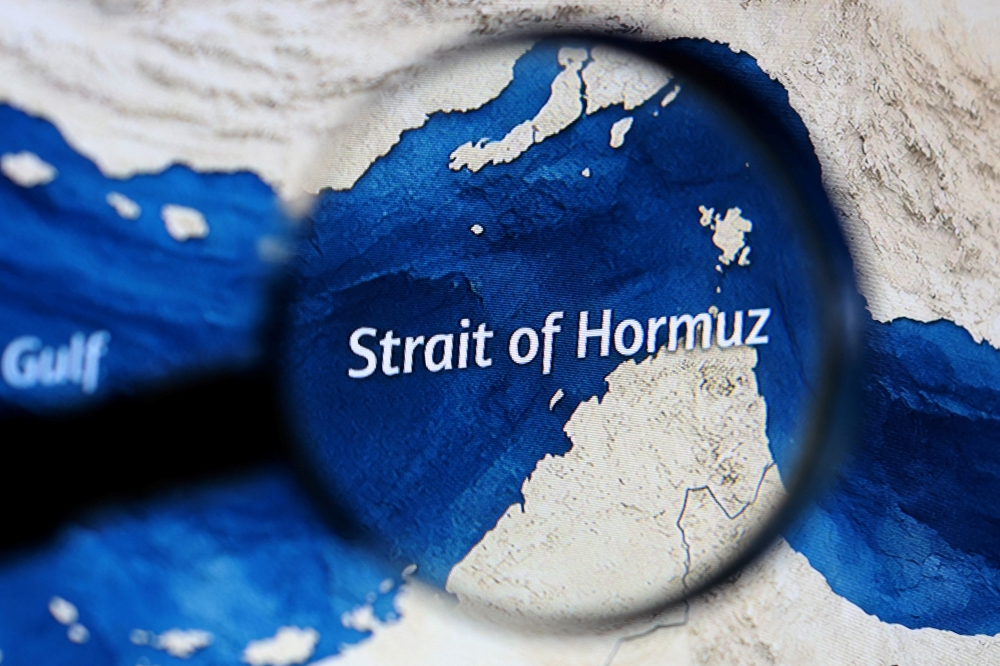
A map showing the Strait of Hormuz is seen in this illustration taken March 23, 2026. — Reuters pic

Thursday, 26 Mar 2026 7:00 AM MYT


LONDON, March 26 — The Western allies trying to negotiate a way to protect the Strait of Hormuz for energy shipping face a stark reality: a similar effort in the Red Sea that started years earlier cost billions of dollars and ultimately failed against Yemen’s Houthis.

The costly Red Sea experience — four ships sunk, more than US$1 billion in weapons expended, and a route that the shipping industry still largely avoids — looms over the more complex Strait of Hormuz, the shipping artery used by roughly a fifth of global oil and liquefied natural gas supply and now blocked by Iran, a more formidable adversary than the Houthis.


Iran’s threats to the strait and its attacks on energy infrastructure in nearby Gulf nations have sent oil prices soaring in the worst disruption to oil and gas supplies in history. Absent the strait’s reopening, shortages will become more acute, threatening higher costs for energy, food and numerous other products worldwide.

“There is no substitute for the Strait of Hormuz,” Kuwait Petroleum CEO Sheikh Nawaf Saud Al-Sabah said in a fiery video call streamed to the CERAWeek energy conference in Houston on Tuesday. “It is the world’s strait, under international law and practical reality.”


UN Security Council members on Tuesday were negotiating resolutions for protecting the strait, with some nations, such as Bahrain, taking a forceful stance that would authorise the use of “all necessary means” to protect the strait — which could mean the use of force.


Reuters interviewed 19 security and maritime experts who described the myriad challenges facing the US and its allies in protecting the strait. Iran has far more advanced military forces than the Houthis, an arsenal of cheap drones, floating mines, and missiles, and easy access from its steep mountainous coast to the narrow waterway.

“Defending convoy operations in the Strait of Hormuz is significantly more challenging than in the Red Sea,” said retired Rear Admiral Mark Montgomery, who in 1988 was involved in US tanker escorts through the Strait of Hormuz during the Iran-Iraq war.


That’s a big concern for US President Donald Trump as he seeks to justify the Iran war ahead of the November midterm elections to inflation-weary American voters now facing gasoline at nearly US$4 a gallon. The spike in energy prices is not expected to fully reverse until the waterway opens, analysts said.

Trump has been noncommittal about US involvement, first saying the US Navy will escort ships when needed, then more recently saying other nations should lead the effort. Iran has blocked most ships from the maritime chokepoint since joint US-Israeli attacks on Iran began February 28.

Iran is considering a proposal to levy fees on vessels that want to use the strait, a Iranian lawmaker told state media last week.


Image
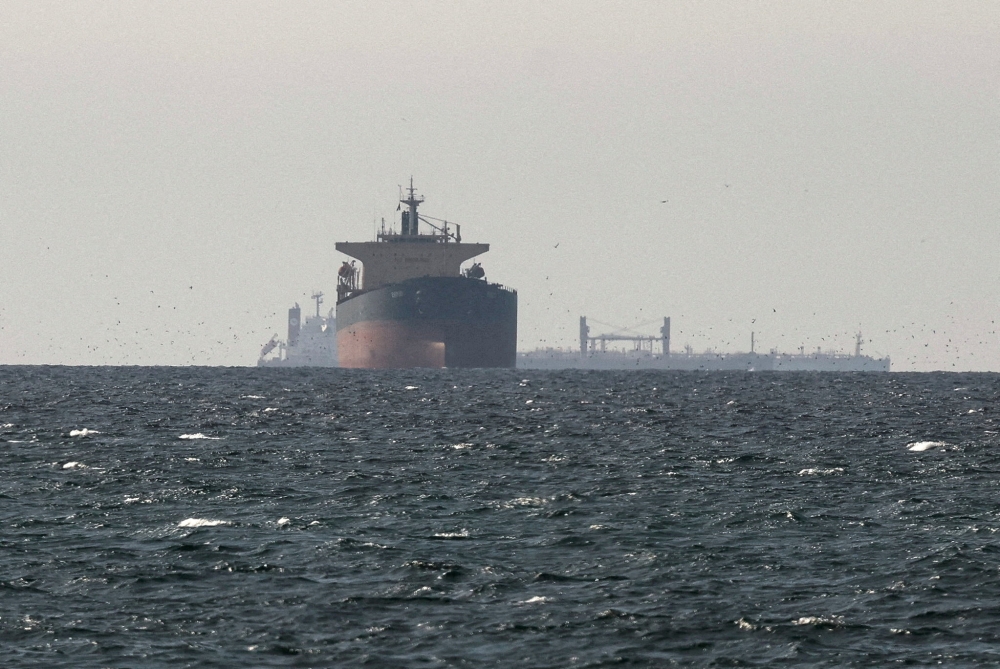
Cargo ships in the Gulf, near the Strait of Hormuz, as seen from northern Ras al-Khaimah, near the border with Oman’s Musandam. — Reuters pic


The Hormuz quagmire

The US mission to protect Red Sea shipping from the Houthis launched in December 2023, with European nations joining in with their own operation a few months later. The allies shot down hundreds of drones and missiles, but the Houthis still sank four ships between 2024 and 2025. Shippers now largely avoid the passageway, once home to 12 per cent of world trade, opting for a much longer voyage around the Horn of Africa.

“It was a tactical and operational victory and a strategic draw, if not a strategic defeat,” said Joshua Tallis, a naval analyst at research firm CNA.

The danger zone around the Strait of Hormuz is up to five times bigger than the Houthis’ attack area around the Bab el-Mandeb Strait that flows into the Red Sea. Unlike the Houthis, Iran’s Islamic Revolutionary Guard Corps (IRGC) is a professional military with its own weapons factories and access to funding.

Providing escorts for the strait would require as many as a dozen large warships such as destroyers, backed up by jets, drones and helicopters to account for the limitations created by the lack of space to maneuver, some military experts said. Overhead air cover would be critical to protect against flying drones as well as explosive-laden manned or unmanned vessels that can easily blend into sea traffic.

“A destroyer can intercept missiles but cannot simultaneously sweep mines, counter drone-boat swarms from multiple bearings, and manage GPS disruption,” SSY analysts said.

Analysts believe Iran’s IRGC fighters have missile and drone stockpiles hidden in buildings and caves along the hundreds of miles of steep and mountainous coastline. In some places, the shore comes so close to ships that drones could swarm a vessel in as little as five to 10 minutes, experts said.

“There are ballistic missiles, drones, floating mines and even if you were able to destroy those three capacities, there are suicide operations,” said Adel Bakawan, director of the European Institute for Studies on the Middle East and North Africa.

Sea mines and heavily armed mini-submarines are a threat the US did not encounter in the Red Sea, said Tom Sharpe, a retired Royal Navy commander. He said the stakes for meeting those threats are enormous.

“If (the Americans) lose a destroyer in this... that changes the calculus of everything. That’s 300 people,” Sharpe said, referring to potential deaths of US sailors.

There is no clear evidence that Iran mined the strait, US Defense Secretary Pete Hegseth said earlier this month, after reports that Iran had deployed about a dozen mines in the waterway.

A combination of mine clearing, military escorts and air patrols should eventually get strait traffic moving again, said Bryan Clark, an autonomous warfare expert at the Hudson Institute.

“You might have to do that for months before you have finally eroded the IRGC threat,” Clark said. — Reuters


Trump says Iran ‘afraid’ to admit it wants a deal ‘so badly’


Image

Trump says Iran ‘afraid’ to admit it wants a deal ‘so badly’


Image


US President Donald Trump insisted Iran was engaged in talks, despite Tehran’s repeated denials of any negotiations. — AFP pic

Thursday, 26 Mar 2026 9:02 AM MYT


WASHINGTON, March 26 — US President Donald Trump insisted yesterday that Iran was taking part in peace talks, suggesting Tehran’s denials were because Iranian negotiators fear being killed by their own side.

“They are negotiating, by the way, and they want to make a deal so badly. But they’re afraid to say it, because they figure they’ll be killed by their own people,” Trump told a dinner for Republican members of Congress.


“They’re also afraid they’ll be killed by us.”

The US leader’s comments came after Iranian Foreign Minister Abbas Araghchi said that “we do not intend to negotiate”.


Trump repeated his assertion that Iran was being “decimated” in the conflict now in its fourth week, even though Tehran still maintains an effective stranglehold over the crucial Strait of Hormuz oil route.


Lashing out at his domestic opponents, Trump also claimed Democrats were trying to “deflect from all of the tremendous success that we’re having in this military operation.”

In a mocking reference to calls from Democrats for him to seek the approval of Congress for the conflict, Trump added: “They don’t like the word ‘war,’ because you’re supposed to get approval, so I’ll use the word military operation.”


The White House said earlier that Trump was ready to “unleash hell” if Iran did not admit defeat, while also insisting that Tehran is still taking part in talks.

Iranian state media had earlier cited an unidentified official as saying that the Islamic republic had responded “negatively” to a reported 15-point plan from Washington.

‘Talks continue’

“If Iran fails to accept the reality of the current moment, if they fail to understand that they have been defeated militarily and will continue to be, President Trump will ensure they are hit harder than they have ever been hit before,” Press Secretary Karoline Leavitt told reporters.

“President Trump does not bluff and he is prepared to unleash hell. Iran should not miscalculate again.”

Asked if negotiations with Iran had stalled, Leavitt replied: “Talks continue. They are productive.”

Leavitt declined to say whom the US was dealing with in Tehran following the assassination of supreme leader Ali Khamenei, whose son and successor Mojtaba Khamenei has not been seen in public.

Reports have suggested the Trump administration’s interlocutor is Mohammad Bagher Ghalibaf, Iran’s speaker of parliament and one of its most prominent non-clerical figures.

The spokesman also declined to confirm reports that top US officials including Vice President JD Vance were set to hold talks with the Iranians in Pakistan, which has emerged as a key mediator.

Trump is moving thousands of airborne troops and extra marines to the Gulf amid speculation that he might order a ground invasion to either seize Iranian oil assets in the Gulf or secure the Strait of Hormuz.

The White House meanwhile appeared to stick to the four to six-week timeline it has previously given for the war.

Trump announced yesterday that his visit to China to meet Xi Jinping had now been rescheduled for mid-May, having postponed it by six weeks to deal with the conflict.

“We’ve always estimated approximately four to six weeks (for the length of military operations against Iran), so you could do the math on that,” Leavitt added. — AFP


Image

Wednesday, March 25, 2026

Israeli TV Reports US Seeks 'One Month Ceasefire'; Tehran Refuses Talks With 'Backstabbers'


Image


Image
by Tyler Durden
Wednesday, Mar 25, 2026 - 09:35 PM

Summary

US seeks a one-month ceasefire with a framework to end the war, according to Israel Channel 12 reports; Telegraph says Iranians see Witkoff and Kushner as 'backstabbers'


WSJ, Fox reporting 3,000 elite Army Airborne soldiers to be ordered to Middle East. Axios says US awaits Iran response to proposed Thursday peace talks. Trump says Iran has been destroyed "militarily".


Backchannel diplomacy vs skepticism: Abbas Araghchi reportedly signaled openness to negotiations with the US via envoy Steve Witkoff, but Israel has appeared cool on deal prospects or offramp.


Heavy exchange of fire and testing red lines: Iran continues missile and drone waves targeting Israel and US bases, amid reports of overnight airstrikes on military and gas infrastructure near Isfahan.


Iran reshuffles its security leadership, appointing Mohammad Bagher Zolghadr: he's a former IRGC commander and replaces the assassinated Ali Larijani.


Iran halts natural gas exports to Turkey: follows last week's Israeli strike on the massive South Pars gas field; QatarEnergy declares force majeure on some LNG contracts due war.


* * *


Iran Refuses Talks With Trump's 'Backstabbing Negotiators': Telegraph

This is to be expected, given how things went in Geneva just hours before it was bombs away:


Iran has refused to negotiate with Donald Trump’s top envoys, Steve Witkoff and Jared Kushner, accusing them of “backstabbing”.

Gulf sources told The Telegraph that the Iranians would not sit down with Mr Witkoff, the administration’s Middle East envoy, and Mr Kushner, Mr Trump’s adviser and son-in-law, because of the military strikes that hit Tehran hours after they held talks in February.

JD Vance, the vice-president who has remained largely quiet during the conflict, is now being touted as chief negotiator should fresh discussions go ahead in Islamabad, Pakistan, later this week.

“Vance is preferred,” a Gulf source said of the Iranians. “They don’t want to work with Jared and Witkoff because they stabbed them in the back.”


US Seeks One-Month Ceasefire, Sent Iran Plan To End War; Israeli TV

Israel's Channel 12 TV is reporting that the US is seeking a ceasefire period of one month, to be announced shortly, to work on a framework that Witkoff and Kushner are working on.


Image

Despite many skeptics' claims, President Trump had earlier confirmed that talks were taking place "right now", claiming that U.S. envoy Steve Witkoff and Trump’s son-in-law Jared Kushner held talks Sunday with an Iranian leader.

He did not say who that was.

Trump earlier signaled that Iran had offered a “present” as a show of good faith in negotiations the US leader has claimed are ongoing to end a 25-day conflict that’s upended global markets, even as he deploys more troops to the Middle East.

Trump wouldn’t detail the gift, “worth a tremendous amount of money,” but confirmed it was related to energy flows through the Strait of Hormuz.

The New York Times reports that the plan was delivered via Pakistan, whose army chief has emerged as the key interlocutor between the United States and Iran, officials say.


Pakistan’s army chief, Field Marshal Syed Asim Munir, has emerged as the key interlocutor between the United States and Iran, with Egypt and Turkey encouraging the Iranians to engage constructively, the officials added. Field Marshal Munir is believed to maintain close ties to Iran’s Islamic Revolution Guards Corps, putting him in a position to pass messages between the warring sides, they said.

He recently reached out to Mohammad Bagher Ghalibaf, the speaker of Iran’s Parliament and a former Revolutionary Guards commander, proposing that Pakistan host talks between Iran and the United States, said an Iranian official and a Pakistani official, who spoke on condition of anonymity to discuss the sensitive communications.

Field Marshal Munir met twice in 2025 with President Trump, who has showered praise on him, saying he was his “favorite field marshal.”

It was unclear how widely the plan had been shared among Iranian officials and whether Iran was likely to accept it as a basis for negotiations.

Nor was it clear whether Israel was on board with the proposal.

Nevertheless, the delivery of the plan showed that the administration was ramping up efforts to conclude a war, now in its fourth week, that has drawn in several other countries.

The ceasefire period will be used to negotiate an agreement based on the following points: (emphasis ours):

What does the US want from Iran?

Dismantling existing nuclear capabilities that have already been accumulated


A commitment that Iran will never pursue nuclear weapons


No material will be enriched on Iranian soil.


All enriched material will be delivered to Saba on a schedule to be determined by the parties.


Natanz, Isfahan and Fordow will be decommissioned - destroyed


The Atomic Energy Agency will be exposed to all information within Iran's borders.


Iran will abandon the proxy paradigm


Stop actually funding and arming the proxies in the region.


The Strait of Hormuz will remain open, will be a free maritime zone - and no one will block it


Postponement of decision on ballistic missile program


Ballistic missiles are only used for defense

What will Iran get in return?

Lifting all sanctions


Will assist them in promoting and developing a civil nuclear project in Bushehr (electricity generation)


The snapback threat of sanctions will be removed

According to Channel 12's report, Israel is concerned about proposal and thinks it is unlikely Iran will accept the terms.

The immediate reaction was a drop in crude oil prices...

Image

...and the mirror image rise in US equity futures...

Image

The Hill reports that President Trump said Tuesday that Defense Secretary Pete Hegseth and Joint Chiefs of Staff Chair Gen. Dan Caine were “disappointed” by the idea of a U.S.-negotiated ceasefire with Iran.

Hegseth and Caine were “the only two people that were quite disappointed” the U.S.-Israeli war against Tehran may soon come to an end, Trump said in the Oval Office following the swearing in of Homeland Security Secretary Markwayne Mullin.

“I think this thing’s going to be settled very soon and they go, ‘Oh, that’s too bad.’ Pete didn’t want it to be settled,” Trump said.

“They were not interested in settlement. They were interested in just winning this thing,” he added.

How long before we get a denial (or a rejection from Iran)? And let's just all forget about the imminent 'boots on the ground'?
No Change in Trump Iran Rhetoric in latest from WH

Trump in the oval once again addressed the Iran conflict, saying "this is a change in the Iranian regime," and went further, stating, “I think we can say this is regime change."

Trump expressed confidence that negotiations would conclude successfully, saying, "they are going to make a deal; they gave us a significant prize worth tremendous amount of money," later reiterating that Iran had "gave us a very big present" worth "a very big amount of money" - supposedly the Strait of Hormuz. He asserted "we'll have control of anything we want."

He also hailed that Iran has been completely destroyed "militarily" - but without addressing the fact that Iranian forces continue to fire rockets on targets across the region. He at one point proclaimed once again: "we won" - but blamed the "fake news media" for not acknowledging that.

Middle East conflict: Most powerful weapon is the disruption of economic stability


Murray Hunter

Image


Middle East conflict: Most powerful weapon is the disruption of economic stability


Oil and gas prices have already surged, pushing Brent crude well above USD 100 per barrel in recent weeks and threatening to climb further.


Mar 24, 2026


Image


This is my third column in The Vibes. Hope to go to national issues next week.

THE Middle East conflict that began with US and Israeli strikes on Iran has now entered its fourth week, and the narrative has completely shifted.


Murray Hunter is a reader-supported publication. To receive new posts and support my work, consider becoming a free or paid subscriber.


US President Donald Trump initially justified the campaign as a necessary strike to eliminate Iran’s nuclear capability.

This is despite him earlier claiming that American air raids in June had already “destroyed” Iran’s nuclear programme.

However, the world quickly saw through the rhetoric. What unfolded was not a surgical operation against weapons of mass destruction, nor was it a genuine push for regime change.

It was, from the very beginning, an economic war dressed in security language.

The initial attacks quickly morphed into a political decapitation attempt that went badly wrong.

The body of the Iranian leadership survived, the nuclear sites proved far more resilient than believed, and the conflict escalated because the true objectives were never about bombs but about control of energy flows and global financial architecture.

Israel and the United States entered the attacks with very different goals.


Image


Israel sought to create political chaos inside Iran on the model that had previously applied to Iraq and Syria — fragmenting the state, weakening its regional influence, and removing a strategic threat.

The United States, under Trump, pursued deeper, with more structural aims. This was to disrupt the sea lanes that supply China with energy, to undermine the viability of the BRICS grouping, and to reassert dollar dominance in global energy trade.

This is why the Strait of Hormuz became the central theatre almost immediately.

When Israel destroyed key Iranian gas infrastructure, Iran responded in kind by striking Saudi and Qatari oil and gas facilities. The message by Iran was clear: if the West wants Iran to feel pain, the Gulf Arab states, which have been America’s traditional partners, would share it.

Iran then took the bold step of effectively controlling passage through the Strait. Major shipping lines suspended operations.

Iran has now begun imposing conditions. Ships could pass only if payments for oil and gas were made in Chinese Yuan, and a transit toll was paid.

What started as a wartime measure now shows every sign of becoming something permanent.

The result has been exactly what Iran intended and what many in Washington most feared.

Global scarcity of oil, gas, urea fertiliser, and petrochemical-based plastics is beginning to drive prices skyward.

Reports indicate that Iranian oil is moving in greater volumes than before the conflict through alternative routes, while Russia has benefited enormously from higher prices and diverted demand.

The blockade has weakened the US dollar’s role in energy settlements and pushed Washington further outside the Gulf Arab states, which now find themselves under sustained Iranian pressure.

This is no longer a conventional military confrontation. It is a fight over the shape of the new world order.

Control of the Strait of Hormuz has become symbolic of who will write the rules of energy trade in the 21st century.

By forcing payments in Yuan and extracting tolls, Iran is accelerating the de-dollarisation trend that BRICS has been quietly advancing.

The United States miscalculated badly. Instead of isolating Iran and strengthening the petrodollar, the policy has strengthened multipolar alternatives and exposed the limits of American power projection.

Politically, the war is already backfiring. In Israel, Prime Minister Benjamin Netanyahu’s position grows more precarious with every passing week of escalation.

In the United States, Trump and the MAGA movement face mounting domestic criticism as fuel prices climb and supply chains buckle. Both leaders are discovering that military adventurism in the Gulf carries high political costs when the economic blowback hits voters at the petrol pump and the supermarket.

Yet the real damage is economic and global. In the short term, certainly for the next six to twelve months, the world faces significant chaos.

Oil and gas prices have already surged, pushing Brent crude well above USD 100 per barrel in recent weeks and threatening to climb further.

Transport and logistics costs are rising sharply. Farming input costs, especially fertiliser, are climbing in tandem.

These pressures will translate into higher food prices and broader consumer inflation within months.

Governments everywhere will be tested. Central banks will struggle to balance inflation control with growth.

Supply-chain disruptions will compound the pain. Countries without domestic energy resources will face the harshest adjustments. Those that possess oil and gas will be relatively better placed, but only if they manage their resources wisely, by recalibrating pricing policies and reducing dependence on volatile international markets.


Image


Malaysia, fortunately, sits in a stronger position than many. As an ASEAN member with substantial oil and gas reserves through Petronas, the country stands to gain from elevated energy prices in the same way it did during previous Gulf crises.

Sustained high Brent prices could add billions to Petronas’ revenue and help narrow the fiscal deficit or fund targeted subsidies.

The parallel rise in palm-oil prices creates a golden opportunity to accelerate biodiesel production for the domestic market, reducing reliance on imported diesel and creating new value chains in the plantation sector.

Washington hoped the war with Iran would fracture the BRICS grouping.

However, it has instead highlighted its resilience. Iran’s membership and the aggression it has faced have accelerated internal cohesion and agenda implementation.

Malaysia’s deepening engagement with BRICS offers a pathway to diversify trade, reduce exposure to US tariffs and audits, and participate in new financial mechanisms that bypass traditional dollar channels.

The war has also delivered a masterclass in modern deterrence. Iran has demonstrated that asymmetric capabilities such as drones, precision missiles, and strategic chokepoint control can neutralise conventional military superiority and inflict economic pain far beyond the battlefield.

Looking ahead, the conflict shows no immediate off-ramp. Iran has no interest in a premature ceasefire while its strategic objectives remain unmet.

The United States and Israel lack a credible exit strategy, even though Trump is hinting at an exit.

This episode has taught the world a truth that the most powerful weapon in today’s global arena is not missiles or aircraft carriers but disturbing economic stability.

Control over energy flows, currency settlement, and supply chains can achieve strategic objectives more effectively than kinetic force. The Gulf conflict is the clearest recent example of this new reality. – March 22, 2026


Gulf War Beginning to Destabilize Arab Family Dictatorships


Image
Murray Hunter


Gulf War Beginning to Destabilize Arab Family Dictatorships


Mar 23, 2026


Image


The Al Khalifa monarchy, a Sunni ruling family over a Shia-majority population put into power by the Colonial British has long managed dissent through repression, supported by Gulf allies like Saudi Arabia.

The war has sparked rare civil unrest, with protests mostly Shia-led groups against US/Israeli actions, and the government’s alignment with them. Demonstrations included peaceful marches, some clashes with security forces (Molotov cocktails reported in isolated cases), and arrests (dozens to over 60 in early March for protests, social media posts showing Iranian strikes, or sympathy with Iran). Authorities banned protests citing security, cracked down violently with tear gas, and arrests detaining critics. Some reports describe cheering at Iranian strikes on US targets, reflecting anti-government and anti-US sentiment.

Bahrain hosts the US Fifth Fleet in its country. Protests have erupted across the country in opposition to the government’s alignment with Washington’s expanding military campaign against Iran. It will be almost impossible for Arab family dictatorships to allow the US military to re-establish bases after the war.

Bahrain saw major unrest in the 2011 Arab Spring that was crushed with Saudi-led intervention. Recent protests are notable but smaller and more contained than 2011, focused on the war rather than full revolution calls. Ongoing issues include repression of opposition, where some leaders still imprisoned despite 2024-2025 amnesties, socio-economic grievances, and human rights concerns including arbitrary detentions, and torture allegations.

Bahrain is considered particularly susceptible to civil unrest because around 55-75 percent of the population are Shia Muslims and the emirate is ruled by a Sunni.

On March 11, Bahrain has deployed Jordanian 5,000 anti-riot troops to suppress protests, marking the first such foreign intervention since 2013, where Saudi and Emirati riot police and armies intervened. These security forces are managing demonstrations sparked by Bahrain’s role in the U.S.-led military campaign against Iran, which includes hosting U.S. military assets, reported Defensemirror.com and Al Mayadeen English.

This was reportedly on Saudi Arabian insistence as there is some concern about a potential overthrow of the Al Khalifa family which rules the small country. Jordanian riot police have been sent because of the difficulty of UAE and Saudi forces assisting at this time.

Arab family dictatorships are banding together to prevent any family falling, as this could potentially unleash resistance to their collective rule across their own nations.

Qatar’s Emir Sheikh Tamin bin Hamad Al Thani has called for an immediate halt to the current escalation of the war between the US and Iran. This appeal was made to European leaders. Iranian attacks on Qatar not only weaken infrastructure but can potentially increase the level of citizen discontent in the country.

This was collateral damage from the war may weaken the authority and respect for the Arab family dictatorships across the gulf. These leaders are not popularly elected. They are families who were installed into their positions of power during colonial times.

In contrast, Iran believes an Islamic state should be led by Islamic intellectuals, such as Iran is led by a Mullah.

If this war continues for a long period of time, there could be a repeat of the Arab Spring like revolts against these family regimes in the Gulf.

This would change the nature of Gulf societies where the Arab family elites are weakened or even removed. This would send a clear message to other monarchies around the world that their days are numbered, especially those put into place by the British in colonial times. The nature of Islam will change too as Islamic intellectuals rather than dictators would control it.


Iran’s military mocks Trump’s claims of ceasefire talks, strikes Gulf states overnight


Image


Middle East crisis live: Iran’s military mocks Trump’s claims of ceasefire talks, strikes Gulf states overnight


Iran says it fired missiles at Israel and US forces in bases in Kuwait, Jordan and Bahrain; military spokesman asks US if it is ‘negotiating with yourselves’


Image
Smoke rises from Kuwait international airport after a drone strike on fuel storage. Photograph: AP

Taz Ali (now) and Eva Corlett (earlier)
Wed 25 Mar 2026 20.45 AEDT


From 4h ago

17.56 AEDT


An Iranian military spokesperson mocked US attempts at a ceasefire deal, insisting Americans were only negotiating with themselves. Lt Col Ebrahim Zolfaghari’s statement came after the Trump administration reportedly sent a 15-point ceasefire plan to Iran through Pakistan.


Image


Even as Donald Trump claimed productive negotiations to end the war were ongoing with Tehran, Iran’s relentless bombardment of the Gulf states showed no sign of relenting. Kuwait and Bahrain were both hit with damaging strikes on Tuesday night and into Wednesday morning, as the patience of the Gulf states after rebuffing constant attacks for almost a month began to wear thin.


The World Trade Organisation warned disruptions to international fertiliser supplies caused by the closing of the strait of Hormuz will cause food scarcity and high prices. A third of the world’s fertilisers normally transit the strait.


Oil prices fell nearly 6% and Asian shares gained, after reports Donald Trump had sent a peace plan to Iran fuelled optimism in the market. A barrel of Brent crude was down 5.92% at $98.30, while benchmark US oil contract, West Texas Intermediate, was down 5.01% at $87.72.


Israeli strikes on Lebanon killed nine people, state media reported. Citing the health ministry, Lebanon’s official National News Agency said strikes had killed people across towns and a Palestinian refugee camp.


News that Trump had approved the deployment of more than 1,000 soldiers from the 82nd Airborne Division to the Middle East further undermined the US president’s repeated claims of successful peace talks. Iran has previously threatened to mine the gulf surrounding the island if the US appeared to be landing troops.


Image


Singapore says no action against father-son duo over Israel-linked volunteering, warns such involvement now unacceptable


Image

Singapore says no action against father-son duo over Israel-linked volunteering, warns such involvement now unacceptable


Image
Singapore authorities say no action was taken against a father and son over past overseas volunteering, but warn similar involvement today could breach the law. — Reuters pic

Wednesday, 25 Mar 2026 10:08 AM MYT


SINGAPORE, March 25 — Singapore authorities have cleared a father and son who volunteered with an Israel-linked organisation nearly a decade ago, but warned that similar involvement today would not be tolerated under current laws.

Singapore’s Ministry of Home Affairs (MHA) and Ministry of Defence (Mindef) said the pair’s 2016 stint with the Sar-El Volunteer Corps did not amount to military service, after investigations found they “were not involved in any military activity with the Israel Defense Forces (IDF)”, according to The Straits Times.

The clarification came after a blog post written by the son resurfaced online earlier this month, prompting scrutiny over Singaporeans’ possible links to foreign military groups.

Authorities said the duo had volunteered for about two weeks in December 2016, performing non-combat tasks such as “packing, painting, sorting, cleaning, washing and cooking”.

At the time, the father had written to Singapore authorities to check if his son could take part in the programme as part of a school volunteering requirement. Based on the information available then, officials assessed that participation “did not constitute service in a foreign military”.

However, by the time a response was issued, both had already completed the stint.

The ministries stressed that the son’s participation “was not endorsed or authorised” and was undertaken “of his own volition, with full awareness of the risks involved”.


The issue resurfaced after a blog post written between 2018 and 2019 — which included references to Sar-El and encouraged volunteering — began circulating again on social media in March. Following engagement by Singapore’s Internal Security Department in 2025, the post was taken down.

Despite the renewed attention, authorities said no action was taken against the pair based on the facts known at the time.

Still, Singapore has drawn a sharper line going forward.

MHA and Mindef noted that Sar-El’s current positioning — including statements that volunteers “work side by side with soldiers on IDF bases” and contribute directly to Israel’s security — would make such involvement unacceptable today.

They warned that any Singaporean found engaging in activities linked to foreign military organisations in a way that prejudices national security “would be dealt with in accordance with our laws”.

The case comes amid wider concerns about Singaporeans’ potential involvement in overseas conflicts. Earlier reports had suggested that individuals with links to Singapore may have joined the Israeli military, though authorities said there was “no substantial information to confirm” those claims.

Coordinating Minister for National Security K. Shanmugam reiterated the government’s longstanding position in Parliament: “Singaporeans should not participate in any foreign armed conflict not involving Singapore. Our loyalties as Singaporeans should only be to Singapore.”


***


Was that you, TS? Wakakaka😂😂😂

Israel hammers Tehran as Trump claims US closing in on war deal


Image

Israel hammers Tehran as Trump claims US closing in on war deal


Image
Rocket trails are seen in the sky above the Israeli coastal city of Netanya amid a fresh barrage of Iranian missile attacks on March 25, 2026. — AFP pic

Wednesday, 25 Mar 2026 11:56 AM MYT


CAIRO, March 25 — Israel struck the Iranian capital Tehran today, Israeli military and Iranian media said, as President Donald Trump said the US was making progress in its efforts to negotiate an end to the war, with reports of a 15-point plan sent to Tehran.

The Israeli Defence Forces said in a Telegram post it had launched a wave of strikes targeting infrastructure across Tehran. The semi-official Iranian SNN News Agency said the strikes hit a residential area in the city, with rescuers searching the rubble.


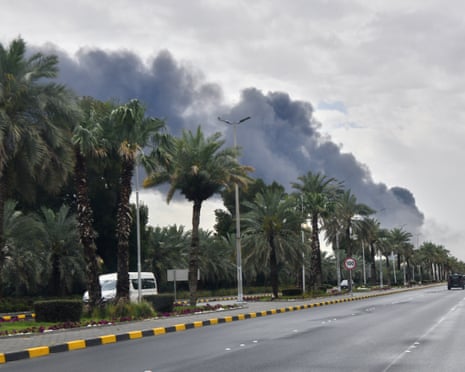
Kuwait and Saudi Arabia said today they had repelled fresh drone attacks, without stating where they originated. Drones targeted a fuel tank at Kuwait International Airport, causing a fire but no casualties, Kuwait’s Civil Aviation Authority said.

Iran’s Revolutionary Guards said it had launched a new wave of attacks against locations in Israel including Tel Aviv and Kiryat Shmona, as well as US bases in Kuwait, Jordan and Bahrain, Iranian state media reported.


Trump said yesterday the US was in “negotiations” to end the war, which has already killed thousands and created the worst energy shock in history, leading to global fuel shortages and roiling markets.


Stocks rose and oil prices fell today on reports the US is seeking a month-long ceasefire and had sent a 15-point plan to Iran for discussion, raising hopes for a resumption of oil exports out of the Persian Gulf.

Trump told reporters at the White House the US was talking to “the right people” in Iran to end hostilities, adding the Iranians wanted to reach a deal very badly.


Iran’s powerful parliament speaker Mohammad Baqer Qalibaf on Monday dismissed such reports as “fake news.”

15-point plan sent to Iran

The New York Times reported yesterday that Washington sent Iran a 15-point plan to end the war in the Middle East. Israel’s Channel 12, quoting three sources, said the US was seeking a month-long ceasefire to discuss the 15-point plan.

A source familiar with the matter confirmed that the US had sent a plan to Iran but provided no further details.

The Israeli media outlet said the plan would include the dismantling of Iran’s nuclear programme, ceasing support for proxy groups, such as Lebanon’s Hezbollah, and the reopening of the Strait of Hormuz.

The US and Israel launched strikes on Iran on February 28 after saying they had failed to make enough headway in talks aimed at ending Iran’s nuclear programme, although mediator Oman said significant progress had been made.

Since then, Iran has attacked countries that host US bases, struck Gulf energy infrastructure and effectively closed the Strait of Hormuz, conduit for a fifth of the world’s oil and liquefied natural gas.

Iran has told the United Nations Security Council and the International Maritime Organization that “non-hostile vessels” may transit the Strait of Hormuz if they coordinate with Iranian authorities, according to a note seen by Reuters yesterday.

The effective closure of the waterway, where 20 per cent of the world’s oil and gas normally transits, has created the worst energy supply shock in history, sent fuel prices soaring, and disrupted global aviation.

Pakistan offers to hold US-Iran talks

Pakistan’s Prime Minister Shehbaz Sharif said yesterday he was willing to host talks between the US and Iran on ending the war, a day after Trump postponed threats to bomb Iranian power plants after what he called “productive” talks.

Pakistan has long-standing ties to neighbouring Iran’s Islamic Republic and has been building a relationship with Trump.

Despite reports of negotiations, the Pentagon is expected to send thousands of soldiers from the US Army’s elite 82nd Airborne Division to the Middle East, two people familiar with the matter told Reuters yesterday, adding to a massive US military buildup.

The forces will add to the 50,000 US troops already in the region and accelerate Washington’s massive US military buildup there, fuelling fears of a longer conflict. — Reuters


***


Shailoks have been able to bombard Iran only with wankee supplied planes and ammo. Without logistic support of its wankee slave, Israel is pretty useless and just your average parasite.


Japan calls break-in ‘regrettable’ after soldier breaches China embassy in Tokyo


Image

Japan calls break-in ‘regrettable’ after soldier breaches China embassy in Tokyo


Image
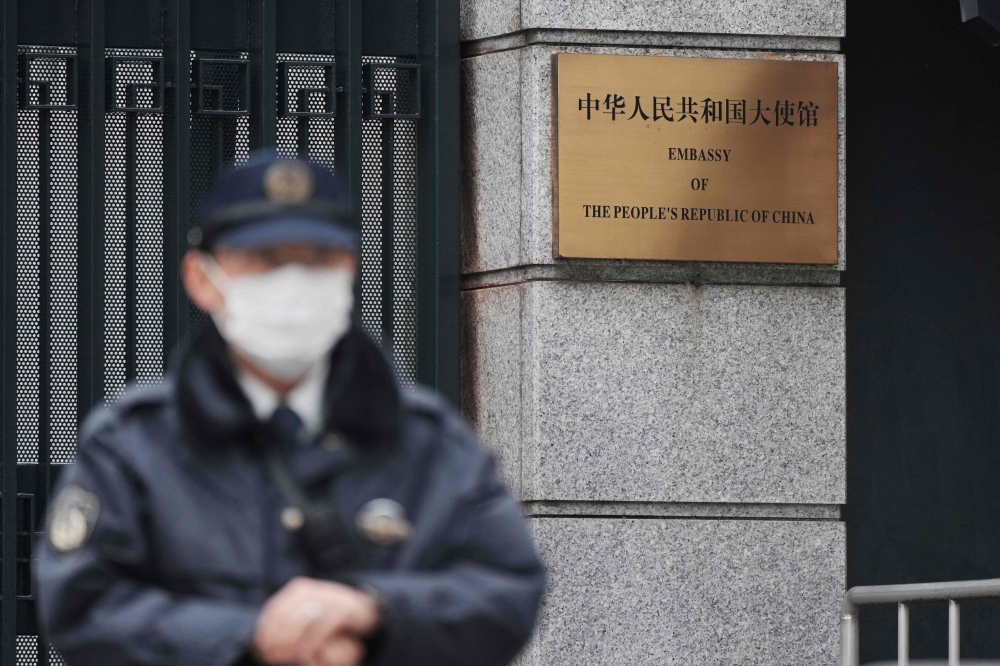
A policeman stands guard at an entrance to the Chinese embassy in Tokyo March 25, 2026. — AFP pic

Wednesday, 25 Mar 2026 2:13 PM MYT


TOKYO, March 25 — Japan said today it was “regrettable” that a member of the Japanese military broke into the Chinese embassy in Tokyo, after Beijing expressed shock over the incident.

The break-in has further soured relations between Beijing and Tokyo that have suffered since comments by Japanese Prime Minister Sanae Takaichi about the self-ruled island of Taiwan.


China lodged a protest following the incident yesterday, in which Beijing’s foreign ministry said the man threatened to kill diplomats.

Japan’s top government spokesman Minoru Kihara said: “It is truly regrettable that a Self-Defence Forces member, who is expected to comply with the law, has been arrested on suspicion” of entering the embassy premises.

“Police are already conducting an investigation to clarify what happened and have implemented necessary measures to strengthen security” of the embassy, he told a press conference.


“We will take necessary steps to prevent any recurrence of such incidents,” he added.

Separately, a police spokesman told AFP that the suspect, Kodai Murata, 23, was arrested yesterday on suspicion of trespassing after he broke into embassy grounds around 9am (0000 GMT).


The suspect told police investigators that he was “hoping to meet the ambassador to tell him to refrain from making hardline remarks, and if that request was rejected, I wanted to surprise him by killing myself,” the Yomiuri Shimbun reported, citing unnamed sources.

Japan’s national broadcaster NHK said a knife was later found at the scene.

Chinese foreign ministry spokesman Lin Jian said yesterday that Beijing was “deeply shocked” by the incident and had “lodged solemn representations and a strong protest with the Japanese side”.

Ties between Japan and China have deteriorated since Takaichi suggested in November that Japan might intervene militarily in any Chinese attempt to take Taiwan.

China, which regards the democratic island as part of its territory and has not ruled out force to annex it, was furious over the comments. — AFP

Iran launches strikes on US bases in Gulf; oil prices drop after Trump ‘peace plan’ report

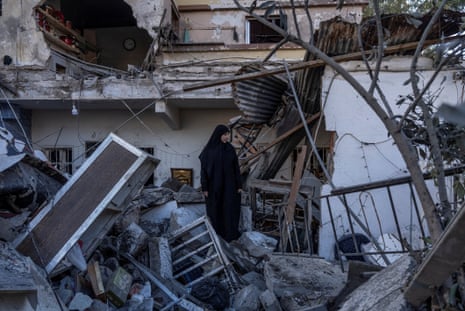
A woman in Lebanon stands among the ruins of her family home, which was destroyed by an Israeli strike, as the US-Israel war on Iran continues into a fourth week. Photograph: Manu Brabo/Reuters


Taz Ali (now) and Eva Corlett (earlier)
Wed 25 Mar 2026 18.39 AEDT

From 4h ago

15.15 AEDT
Opening summary

Welcome to our ongoing coverage of the US-Israeli war on Iran and its wider repercussions in the Middle East and globally.

More American troops are prepared to head to the Middle East. At least 1,000 troops from the 82nd Airborne Division will be sent in the coming days, three people with knowledge of the plans told the Associated Press. The 82nd airborne is an elite infantry division that can typically be deployed on short notice and specialises in forcible entry parachute assaults. Donald Trump has reportedly approved the deployment.

Meanwhile, crude oil prices fell sharply in early Wednesday trading after Trump sent a peace plan to Iran and voiced optimism about ending nearly a month of war.

After rising in Europe and the US on Tuesday, Brent crude was down 6% at $98.30, and the contract, West Texas Intermediate, was down 5% at $87.72.

Early on Wednesday, Iran’s Revolutionary Guards said it had launched a new wave of attacks against locations in Israel including Tel Aviv and Kiryat Shmona, as well as US bases in Kuwait, Jordan and Bahrain, according to Iranian state media.

In Lebanon, state media reported Israeli strikes had killed at least six people in a town and a Palestinian refugee camp in the southern Sidon area, and three more in another town. In addition, Israel, which occupied southern Lebanon for nearly two decades until 2000, has said its military would take control of the border area up to the Litani river, around 30km (20 miles) from the frontier.

The Israeli campaign has killed at least 1,072 people in Lebanon, with more than one million people displaced, according to Lebanese authorities.

Here are the key developments:

The US has sent Iran a 15-point plan to end the war, sources told Reuters, with the New York Times saying the plan was delivered by way of Pakistan. It is unclear if Israel is on board with the proposal, nor if Iran is likely to accept it as a basis for negotiations.


Donald Trump claimed negotiations to end the Iran war are happening “right now” and that Tehran had agreed to “never” have a nuclear weapon, declaring that “we’ve won this war” to reporters in the Oval Office. He further claimed Tehran gave him a “gift” which was “oil and gas-related” which involved the strait of Hormuz, without giving further details.


Image


This comes a day after Iranian officials denied any contact with the US had taken place and called claims of such talks “fake news” designed to “manipulate” oil markets.


Image


News that Trump had also approved the deployment of more than 1,000 soldiers from the 82nd Airborne Division to the Middle East further undermined the US president’s repeated claims of successful peace talks. The extra troops have not yet left the US but will be sent overseas in the coming days, sources told AP. Iran has previously threatened to mine the gulf surrounding the island if the US appeared to be landing troops.


Iran’s Revolutionary Guards have fired missiles at Israel and US forces in bases in Kuwait, Jordan and Bahrain, state media reported. Kuwaiti officials reported a fire at the airport after a drone hit a fuel tank.


Approximately 290 US troops have been wounded so far, CNN reports, with 13 soldiers killed in action. Over 1,500 Iranians have been killed, Iran’s state broadcaster said on 21 March.


Lebanon faces an “existential crisis” after Israel announced plans to seize and occupy large swathes of the country’s south to create a so-called “security zone”, officials say. Many Lebanese fear that IDF plans to create a “buffer” south of the Litani River — 20 miles from the current Israel-Lebanon border — will become a long-term occupation.


A projectile has hit the premises of the Bushehr nuclear power plant, according to the International Atomic Energy Agency, who were informed of the strike by Iran. There was no damage to the facility or staff and conditions at the plant remain normal, the IAEA said on X.


Rafizi says ‘it’s not me’ amid RM9.5m PKR MP claim, jokes only Aidilfitri weight gained in Instagram post


Image

Rafizi says ‘it’s not me’ amid RM9.5m PKR MP claim, jokes only Aidilfitri weight gained in Instagram post


Image
The former PKR deputy president responded with humour, saying the only thing he had “received” during the Aidilfitri period was an increase in body weight rather than any cash, as alleged. — Bernama pic

Wednesday, 25 Mar 2026 3:13 PM MYT


KUALA LUMPUR, March 25 — Pandan MP Datuk Seri Rafizi Ramli has denied allegations linking him to claims that a PKR MP received RM9.5 million to resolve a corporate mafia-related issue, saying “it’s not me” in a brief Instagram post.

The former PKR deputy president responded with humour, saying the only thing he had “received” during the Aidilfitri period was an increase in body weight rather than any cash, as alleged.

“But since I’m still in the festive mood, I will comment tomorrow instead,” he said in the Instagram post.

The response comes amid growing controversy following allegations by businessman Victor Chin Boon Loong, who in a 40-page document detailed a chronology of events claiming a PKR MP had demanded RM10 million to settle a corporate mafia-related matter.

According to various media reports, Chin alleged he was only able to provide RM9.5 million initially, while the remaining RM500,000 was never handed over as the issue was not resolved as promised.

The corporate mafia allegations centre on claims that senior officials from the Malaysian Anti-Corruption Commission (MACC) orchestrated intimidation campaigns and pressured executives and shareholders of listed companies to resign or divest their stakes at discounted prices to connected businessmen.


MACC has denied the allegations, describing them as an attempt to undermine the credibility of its investigations and enforcement actions, and said the claims appeared to originate from an anonymous online blog lacking clear authorship or accountability.

Separately, police confirmed that several premises linked to Victor Chin in Kemensah and Sungai Long in Kajang were raided on March 16 to assist investigations under the Anti-Money Laundering, Anti-Terrorism Financing and Proceeds of Unlawful Activities Act, Malaysiakini reported