Samhain

In light of the upcoming holiday, Halloween which was called Samhain in Gaelic by the Celts, I would like to share some resources with you in regards to its origin and topics on the state of the dead, ghosts and witchcraft. We all know that the Bible speaks against witchcraft, but the better question to ask is why? Why would these practices be forbidden in the Bible? What do they entail?

One interesting passage of scripture we find in the New Testament is Luke 20:38 where Jesus says:

For He is not the God of the dead but of the living, for all live to Him.”

Why would Christ says this? Is there a distinction between him and another god? We know from the Bible in Ezekiel and Revelation that there is a war between good and evil. If Christ says he is not the God of the dead but the living, that should tell us something profound! Not to munition that the Bible made specific laws in Israel about cleanliness and staying away from dead bodies for good reason. We know what happens to the body when a person dies! The prophet Ezekiel said that Rebellion against God was just as the sin of witchcraft. Witchcraft uses divination, spells, necromancy, etc which are not in accordance with the worship of a living God, a god of Light. In witchcraft everything is turned upside down:

“Woe unto them that call evil good, and good evil; that put darkness for light, and light for darkness; that put bitter for sweet, and sweet for bitter! Woe unto them that are wise in their own eyes, and prudent in their own sight!” 
Are people who practice these things bad people? No, we don’t know what they have gone through in their lives, we don’t know them like God does, we are not here to judge but share what we know and be the best examples that we can in our own sphere!
We have studied in previous posts the state of the dead, the Bible makes it clear that people are not ghosts wondering around in pain, they don’t speak to us, they are asleep and feel no pain! They are not in Heaven watching their families in pain or turmoil or sitting on a dumb cloud strumming a harp! They are not in purgatory, frying for their sins for years! The are resting. Science has not found any other evidence!
Paganism consists of various groups who do not worship Christ, but see god in all things. This is why the worship of nature is prominant. This is why the Bible consistently makes a distinction between the two. As Christians, we should know about paganism so we are not ignorant, making assumptions.
So just remember this coming Samhain, that you are just like the ancient ones who came before us looking at the stars, and the seasons for the purpose of property, only as a Christian you are thankful to God for the goods you reap! If your going to celebrate
Resources:
Ancient site to check out: Ughastar, Armenia

Methodism

Image result for methodism

Why so many denominations?

The Methodist demonination grew from the Lutherans and Calvinists and the German pietistic in the mid 1600s. This church was founded by John Wesley who attended Oxford University. Methodists developed a routine to control their lifestyle that had emphasis on spiritual grow, holiness, and community. Methodist eventually spread to the Colonies. Today about 11 million Methodists today.

Methodists believe:

  1. Trinity
  2. Holy living through grace and sanctification.
  3. Salvation by grace.
  4. Reject eternally burning hell.
  5. Communion

Doctrinal misunderstandings and what the Bible says:

  1. Immortality of the Soul: ( 1 Timothy 6:15, 16)
  2. Sunday sacredness: (Exodus 20:8-11)
  3. Rejection of a literal second Coming of Christ: ( 1 These. 4:16-17; Rev 1:7, Matt 16:17, 24:27)
  4. Infant baptism & adult baptism by sprinkling: ( Matt 28:19-20; Mark 16:16, John 3:5; Acts 2:38-41, 8:26-38; Col. 2:12; Romans 6:1-8)
  5. Authority of the Bible: (John 17:17; 2 Tim 3:16-17; 2 Peter 1:20-21; Matt 4:4)

Image result for john wesley

Lutheranism

Ig 05

Why so many denominations? continued…

The Lutheran Church grew out of the Reformation, from the Martin Luther’s 95 Thesis against the Roman Catholic Church’s tradition of indulgences and other unBiblical traditions. Luther and many others broke away from Rome eventually adopting these five points:

Only Scripture, Only Grace, Only Christ, Only Faith, & Only the Glory of God.

Luther translated the New Testament into German, while in hiding, in 1534. Luther also protested against celibacy of the priest hood and the law against marriage of the priesthood. Presently there are several different offshoots of Lutheranism with over 10 million members worldwide. Recently, the Lutheran Church has actually come together with Roman Catholicism and other denominations to sign a pact to end the Reformation. Many feel that such a move is wrong and a sign of disrespect to all those who died for their faith during the Reformation by the Inquisition. Others see this as a bridge to gap the gulf between all Christian denominations to bring unity by compromising Bible principles for tradition, common points of contact and political correctness. It should be noted that, our modern world and it’s freedoms, we would not have if it weren’t for a monk who nailed 95 Thesis on a church door! The Reformation paved the way for the Enlightenment, which paved the way for the Constitution and the ability for anyone to believe anything, including atheists.

Doctrines:

  1. Biblical Authority
  2. Salvation by grace alone.
  3. The Trinity
  4. Obedience to God
  5. The literal Second Coming of Christ

Bible Misunderstandings:

  1. Baptism by Sprinkling: Matt. 28:19-20, 3:13-17 Mark 16:16; Acts 8:26-38, John 3:22; Roman 6:1-8; Col. 2:12.
  2. Communion of con-substantiation instead of symbolism: 1 Cor. 11:23-28.
  3. Sunday sacredness: Genesis 2:1-3; Ex. 20:8-11; Ez. 20:12, 20; Is. 66:22,23; Matt. 12:8, 24:20, Luke 4:16, 6:5; Acts 13:42-44; Rev. 1:10.
  4. Immortality of the soul: Gen. 2:7, Job 27:3; Ps. 146:4, 6:5, 115:17; Eccl. John 11:11-14; 1 Tim. 6:15-16.

Jehovah’s Witness

Image result for jehovah's witness

Why so many denominations?

Jehovah’s Witness is a Protestant denomination that sprang up in the 1870s, founded by Charles T. Russel in Warwick, NY. The denomination originally came from the Millerite Movement of the 1840s which, along with others, provided proof of the prophecies of Daniel 7-9 which declared that since Christ’s crucifixion and resurrection, the Jewish sanctuary service was no longer needed because Christ Pais the redemption price for sin. Therefore, the 2,300 year prophecy of Daniel 9:25 (457 B.C. – 34 A.D. – 1844) would end in 1844 when Christ, the High Priest in the Heavenly Sanctuary, would begin his work on our behalf in the Most Holy Place. It was mistakenly thought that Christ would come at that time in 1844, but later realized to be the next step in the sanctuary service.

JW eventually developed their own conclusions and believe that the one true God is Jehovah and is distinct from Jesus who they believe isn’t God. They reject the Trinity and see the Holy Spirit as an impersonal force.

Beliefs:

  1. State of the Dead – people have an immortal soul, death is sleep.
  2. God will annihilate the wicked by burning them for millions of years until they are consumed.
  3. Baptism is by immersion, then you are ordained into the ministry.
  4. The Priesthood of all believers makes all are then called witnesses.
  5. Signs of the end, consisting of worldwide conditions.

What the Bible says:

  1.  The Trinity: (Isaiah 42:8, 40:28, 33:22, 41:4; Deut. 32:3-4) compare with (Matthew 1:21, 16:27, Eph. 3:9, Acts 4:12, John 5:22, 8:58-59, Rev 19:11-16, 1:8-11, 1 Cor. 10:4, Her. 1:6-9).
  2. The Law: (Matt 5:17-18, John 14:15, Romans 6:13-14, 3:28-31, 40:8; 1 John 2:3-6; James 2:10-17; Heb 8:10).
  3. Second Coming: (Matthew 24, 1 These. 4:16-17, Psalm 50:3, Rev. 1:7, Matt. 16:27-28, 13:24-30, 2 Peter 3:10, 2 Thess. 1:7-9, 1 Cor. 15:51-54).

Another evidence is seen, that as Christians from all denominations, we need to read the Bible to see what it actually says instead of trying to fit the Bible to what we want it to say. We would have more unity if we would come together in unity on points of doctrine that is backed by the Bible as it was in the Apostolic Church.


Buddhism: World Religions

Buddhism was founded between the 6th and 4th centuries in India as a Sramna tradition; separate from Vedic tradition; by Siddhārtha Gautama. Buddhism has over 520 million followers worldwide. Gautama taught a Middle Way between sensual indulgence and the severe asceticism found in the śramaṇa movement. “The times of Gautama’s birth and death are uncertain. Most historians in the early 20th century dated his lifetime as circa 563 BCE to 483 BCE.”[1][30] 

Gautama was a rich prince in India who later renounced his position and wealth to live as and ascetic. It was as an acetic, emaciated, that he passed out until a stream revived him. He then discovered the Middle Way and the Noble Eight-Fold Path:

  1. Right belief
  2. Right efforts
  3. Right thinking
  4. Right ideals
  5. Right works
  6. Right deeds
  7. Right way of earning a living
  8. Right meditation

The Eight-Fold Path is similar to the Ten Commandments. Karma is similar to what the Bible says in Galatians 6:7-9, ‘reaping what you sow.” Christians do not believe in reincarnation, but believe in a literal time of judgement. They believe that love is the secret of life, and only by banishing hatred can it be achieved. Christians say that God or Yahweh is the embodiment of love and that if you love God you will love one another and follow the way of Christ, his teachings. The ultimate goal of life is Nirvana, a state of peace in nothingness. Buddhists see God as an impersonal being. And they believe righteousness is achieved by doing good works. Buddhists do not have prophetic writings, so the sharing of Bible prophecy could be a useful approach for dialogue between Christians and Buddhists. 


Nazarenes

Image result for nazarene church

Why so many denominations?

The Nazarene denomination sprang from the 19th century Holiness Movement, founded by Phineas F. Bresee. Founded in 1908, they have churches all over America and even the Pacific. Their goal is the same as all other Christian denominations, the spreading of the Gospel. There are seven characteristics for the Church of the Nazarene:

  1. Meaningful Worship
  2. Theological Coherence
  3. Passionate Evangelism
  4. Intentional Discipleship
  5. Church Development
  6. Transformational Leadership
  7. Purposeful Compassion

Beliefs:

  1. The Bible as the inspired word of God.
  2. The literal Second Coming of Christ.
  3.  Salvation by faith in Christ alone.
  4. The immortality of the soul.
  5. Eternal tournament.
  6. Sunday sacredness.
  7. Avoidance of alcohol and tobacco.
  8. Separation from the world and conservative life style.
  9. Baptism by immersion.

Doctrinal misunderstandings:

  1. Sunday sacredness: Exodus 20:8-11
  2. Immortality of the soul: 1 Timothy 6:15, 16
  3. Eternal torment: Malachi 4:1-3

Nazarenes are fundamental Christians who hold high moral and ethical standards.

Hinduism: World Religions

hinduism1

Hinduism is the national religion of India, dating back about 4,000 years. Civilization came from the Middle East in the highlands of Armenia near the Mountains of Ararat. Later, with the spread of tribes, people came to the Indus Valley, starting their own civilization. This exotic civilization developed into a unique culture with Sanskrit writing, architecture, and cuisine. Hinduism is essentially a pagan religion with thousands of gods that are worshiped everyday! India also has a caste system and believes in reincarnation, which is dictated by karma. Hinduism have sacred texts called Vedas, which are taught by gurus.

Hindu’s believe:

  1. Pantheism: God is an impersonal being and present in everything.
  2. Salvation is achieved by good deeds through cycles of reincarnation.
  3. Re-incarnation is a series of cycles of life and death, called Karma.
  4. Jesus was just a good man not God.
  5. The ancient Indian sacred text, the Bagda Vita are superior to the Bible.
  6. The purpose of life is to develop the “god” within.

Comparison to the Bible:

  1. Jesus claimed to be God – Apologetics.
  2. Salvation is through Jesus not doing good works – (2 Corinthians 5:21, Ephesians 2:8-10).
  3. Human nature has fallen to sin through the temptations of Satan, so we are not gods – (Isaiah 54:6, Jeremiah 17:9).
  4. Death is a sleep, the dead no nothing awaiting judgement – (Hebrews 9:27, 28; 2 Corinthians 6:2).
  5. Our soul is not immortal – (Eccl. 9:5, Psalm 115:17, John 11:11-14).

Extra Resources:

Ravi Zacharias Testimony

Ravi Zacharias Jesus Among Other Gods

Gods of the New Age


Episcopalians

anglican-bishops

Why so many denominations? continued…

The Episcopalian church is another name for Anglican. The Anglican Church traces it’s roots the time of the Reformation with King Henry VIII, after his separation with the Roman Catholic Church in 1534. With the colonization of America, the official religion of the colonies was Anglican. Anglicans claim to be a Bible based denomination. Anglicanism sought to provide a via media or middle way between Catholicism and Protestantism. The Anglican Church spread throughout the British Empire from the time of Queen Elizabeth to the present time. Scripture is interpreted by tradition. Their doctrinal beliefs can be found in The Book of Common Prayer, created in 1549.

Doctrinal Beliefs:

  1. The Godhead.
  2. The nature of God.
  3. Truth
  4. Prayer
  5. Social Jusctice

Doctrine vs. the Bible:

  1. The Bible is culturally conditioned so not authoritative for faith. – (See: John 7:17, 17:17, 1 Timothy 2:15, 2 Timothy 3:16, 17; 2 Peter 1:21.)
  2. Sunday sacredness – (Genesis 2:1-3, Exodus 20:8-11, Ezekiel 20:12, 20; Isaiah 66:22, 23; Matthew 24:20, 12:8; Luke 4:16, 6:5; Acts 13:42-44; Revelation 1:10.)
  3. Immortality of the Soul – (Genesis 2:7; Job 27:3; Psalm 146:4, 6:5, 115:17; Eccl. 12:7; John 11:11-14; 1 Timothy 6:15, 16.)
  4. Infant Baptism – (Matthew 3:13-17, 28:19-20; Mark 16:15, 16; John 3:23; Romans 6:1-6; Acts 8:35-38, 2:38-41; Colossians 2:12.)
  5. Salvation comes by living a good moral life – (Isaiah 64:6; Jeremiah 17:9; Romans 3:10, 3:23-28, 5:18, 2 Corinthians 5:21, Galatians 3:13.)


Christian Science

Related image

Why So Many Denominations? continued…

The year 1844 was a time that saw much religious change. Science started taking a more prominent role due to Darwin’s theory of Evolution. This theory even impacted religious institutions thinking toward God and Creation. One such denomination was the Church of Christ, Scientist which was founded in 1894 by Mary Baker Eddy, in Boston, Massachusetts. Christian Science believes that reality is spiritual and that the real world is an illustion! They believe that the spiritual mind has power over that material world. Unfortunately Christian Science does not believe that Bible, seeing it only as figurative or symbolic. They also think there is no devil and therefore no evil! They have no ordained ministers! Concerning the Creation account, it is seen as merely spiritual and allegorical.

Q&A:

  1. The Bible: John 5:39, 17:17; 2 Timothy 3:16; Revelation 5:39; 2 Peter 1:21.
  2. No Devil: Ezekiel 28: 12-15; Isaiah 14:12-14; Matthew 4:1-6; 1 Peter 5:8; Ephesians 6:10-12.
  3. Immortality of the Soul: Excel. 12:7; Job 27:3; Psalms 146:4, 6:5, 115:17; John 11:11-14; 1 Timothy 6:15-16; Genesis 2:7.

Why So Many Denominations?

Image result for baptist

And without controversy great is the mystery of godliness: God was manifest in the flesh, justified in the Spirit, seen of angels, preached unto the Gentiles, believed on in the world, received up into glory. 1 Timothy 3:16

Baptist

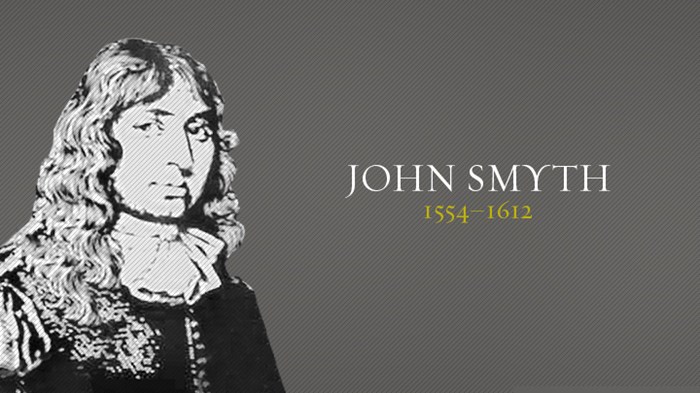
The Baptist Church was created from a rediscovery of immersion baptism found in the Bible and exemplified by Christ. This was in opposition to the Roman Catholic Church’s use of sprinkling, even though at one time the Church did use immersion baptism. The first Baptist church was founded in 1609 by John Smyth, an English Separatist,  in Dutch Republic, Amsterdam.

The Baptist Church believes:

  1. In the Bible.
  2. Salvation through grace alone.
  3. The Godhead.
  4. The fact of Christ’s Second Coming.
  5. Baptism by immersion.
  6. Separation of church and state.
  7. The secret rapture.
  8. The Immortality of the soul.
  9. Eternal Torment.
  10. One saved always saved.
  11. Sunday sacredness.
  12. 10 Commandments are done away with.

Q: What does the Bible say in regards to the rapture?                                                                     A: 1 Thess. 4:16,17; 2 Thess 1:7-9; Matthew 13:30, 24:27; Psalm 50:3; Luke 17:26-37

Q: What does the Bible say in regards to the death?                                                                    A: 1 Timothy 6:15,16; Genesis 2:7; Ecc.12:7; Job 27:3; Ps. 146:4, 6:5, 115:17; John 11:11-14.

Q: What does the Bible say in regards to eternal torment?                                                                    A: Malachi 4:1-3; Jude 7; Hebrews 12:29; 2 Peter 2:6; Rev. 20:9; Ps 37:10-11,20,38.

Q: What does the Bible say in regards to salvation?                                                                    A: 1 Cor. 15:1,2; 2 Peter 2:20-22; 1 Cor. 9:27, Phil. 4:3, Rev. 3:5.

Q: What does the Bible say about Sunday?                                                                                     A: Genesis 2:1-3; ex. 20:8-11; Is. 66:22-23; Ezek. 20:12-20; Luke 4:16; Matt. 24:20, 12:8; Rev 1:10.

Q: Does the Bible say the law was done away with?                                                                    A: Ps. 40:8; Hebrew 8:10; John 14:15; Romans 6:13,14; 3:28-31; 1 John 2:3-6; James 2:10-17; Matt. 5:17-18.

For by grace are ye saved through faith; and that not of yourselves: it is the gift of God. Not of works, lest any man should boast.
For we are his workmanship, created in Christ Jesus unto good works, which God hath before ordained that we should walk in them. 
Ephesians 2:8-10