Noopiming: The Cure for White Ladies

Image

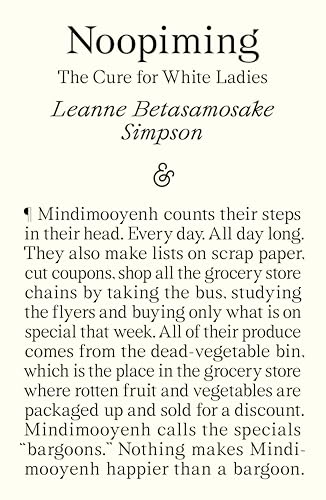
Noopiming, an Ojibwe word meaning ‘in the bush‘, is narrated by Mashkawaji, an entity frozen in a lake who, over the course of the book, is visited by seven characters. Mashkawaji describes these characters as making up their being: the Elder Akiwenzii, Ninaatig the maple tree, the Elder Mindimooyenh, a recovering alcoholic called Sabe who is also a sasquatch, a caribou called Adik, and two young lovers, Asin and Lucy. Each of these characters, Mashkawaji tells us, represents a specific part of them: Akiwenzii is the will, Ninaatig the lungs, Mindimooyenh the conscience, Sabe the marrow, Adik the nervous system, Asin the eyes and ears, and Lucy the mind. The book begins with a poem, a single line or sometimes three on each page for 32 pages, that introduces Mashkawaji and the seven component characters, and is a meditation on place and time, on connection and nature. It is a strange and unsettling start for a person raised in the western European tradition of storytelling.

Continue reading

The Service

Image

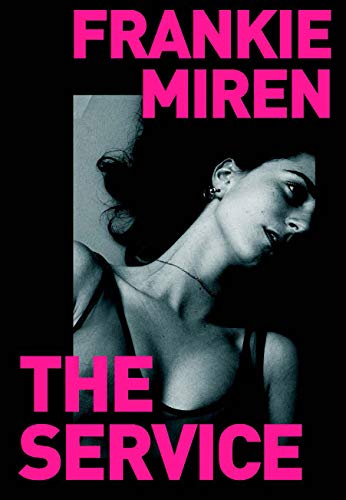
Frankie Miren’s novel The Service follows three women involved in the sex industry in different ways. Lori is an illegal sex worker trying to forge a better life for herself and her daughter. Freya works as an escort to supplement her student loan. Paula is a journalist involved in a campaign to ban sex dolls.

Continue reading

Deliverywoman

Image

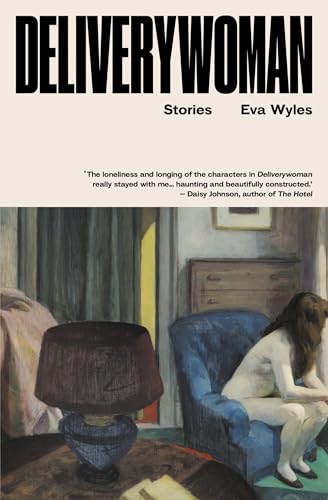
Deliverywoman is the debut collection of short stories by New Zealand writer Eva Wyles. It is a robust collection that explores, across thirteen stories, the nature of connection: how do we relate to one another; where do we find and give meaning; what does it mean to be empty and how is that emptiness filled. There’s a quietness to Wyles’s writing that made me focus on what was going on, looking beneath the surface of the words to find the unspoken. Although it’s quiet, it’s not gentle. There is plenty of grit to abrade the reader’s thoughts.

Continue reading

Lost in the Garden

Image

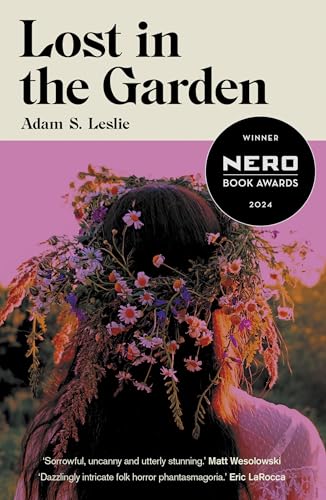
We’ve had a hot couple of weeks in Manchester. It has felt like summer and the cover of Adam S Leslie’s Lost in the Garden called to me from Book Mountain. I wanted an adventure that would capture the strangeness of heat and nature found in a British summer.

Leslie’s novel centres on Almanby, a place that people are warned off from visiting from childhood.

Don’t walk on the quicksand, don’t touch the powerlines, don’t go off with strangers, don’t play on the farm, don’t go to Almanby.

Despite this generational wisdom, three people decide they will go to Almanby: Heather, Rachel and Antonia. Heather is looking for her boyfriend Steven who six months previously chose to go to Almanby because everyone is told not to, Rachel has to make a delivery, and Antonia is in love with Heather and is trying to be noticed by her.

Continue reading

The Visitors

Image

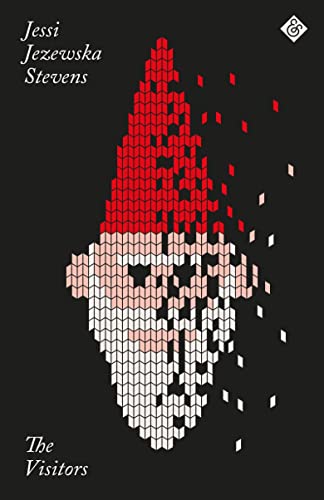
Jessi Jezewska Stevens’ novel The Visitors follows a former textile artist turned art supply seller, known only as C, as she navigates keeping her business afloat, repaying her medical debt, crushing on her childhood friend, and hallucinating a garden gnome in a business suit. It’s a novel about the precariousness of life on a planet being killed by humans where our reliance on technology makes us vulnerable to hackers who want to disrupt the status quo. It’s also about self-interest and the different forms that takes. It’s about friendship, capitalism and insanity.

The right frame of mind can make or break a book, I find. I picked this one up during a tough few days. Consequently, I didn’t have the patience for its beginning. I almost put it down.

Continue reading

Mammoth

Image

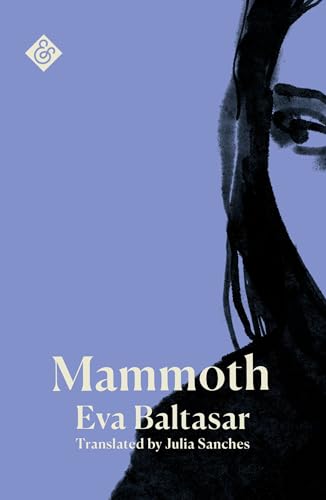
Mammoth is the third novel in Eva Baltasar’s exploration of lesbianism and womanhood in the 21st century. While Permafrost recounted the experience of a woman moving from adolescence to adulthood and struggling with a sense of alienation from the world and the people around her, and Boulder examined a sense of being trapped in a relationship with a woman for whom motherhood is all consuming, Mammoth introduces a woman frustrated by the pace of her life and willing to take extreme measures to become pregnant, including seducing random men.

Continue reading

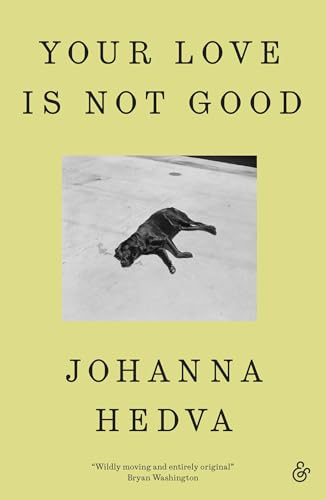
Your Love is Not Good

Image

Johanna Hedva’s Your Love is Not Good is one of my Year of Reading Independently books from this year’s attempt on Mount To Read. It was part of my And Other Stories subscription in 2023. I picked it up because February is LGBT+ History Month in the UK and I hadn’t read any LGBTQ+ literature since last August. I went into it knowing only what is on the publisher’s website and what is written in the blurbs. On the basis of the arty gushing, I wasn’t expecting to enjoy it as much as I did.

Continue reading

Split Tooth

Image

Split Tooth follows the fortunes of an unnamed Inuk girl from Nunavut, Canada. Her story is a first person narration, combining prose chapters with poetry and art. The novel begins in 1975, with a memory of the drunken violence of adults in the girl’s household. It moves into memories of sexual abuse by adults in the community in positions of trust. The front of this And Other Stories edition includes the words, “This book contains disturbing information surrounding child sexual abuse. Reader discretion advised.”

This is a book I technically didn’t choose. It came as part of my subscription to the publisher And Other Stories. I debated with myself whether to read on. It’s important, I know, that everyone has a voice, that we learn about the experiences of others, and the particular experiences of the oppressed, but it can be exhausting to read nothing but misery. Split Tooth isn’t entirely about misery, though. There are miserable things in the novel, but there are also moments of joy: the change from winter to spring and the arrival of the scents of nature, children set free from houses to play in the 24-hour sunlight; friendships forged; love shown. I did read on.

Continue reading