
Download Android Studio – Android development, mobile app development, programming, IDE, code editor, software development, Android SDK, Gradle, Android Studio APK, Android Studio download
Overview
Android Studio is a fully integrated development environment (IDE) created by Google for building applications on the Android operating system. Designed as a modern alternative to Eclipse, it aims to streamline and enhance the entire app development lifecycle. The platform is tailored for developers of all experience levels, from beginners learning Android programming to seasoned professionals managing complex, large-scale projects. By integrating the Android SDK and leveraging Gradle-based project management, Android Studio provides a robust foundation for creating high-performance, scalable mobile applications.
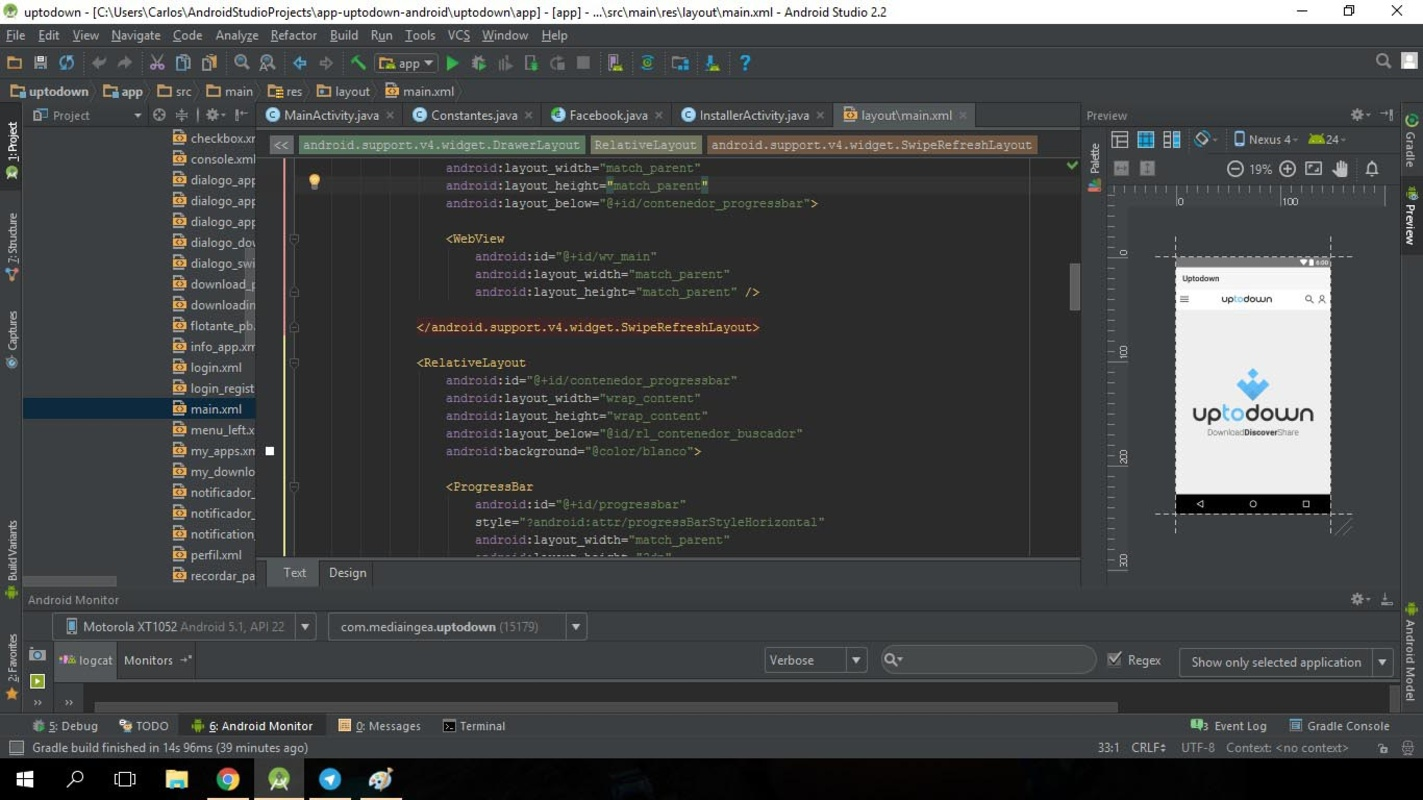
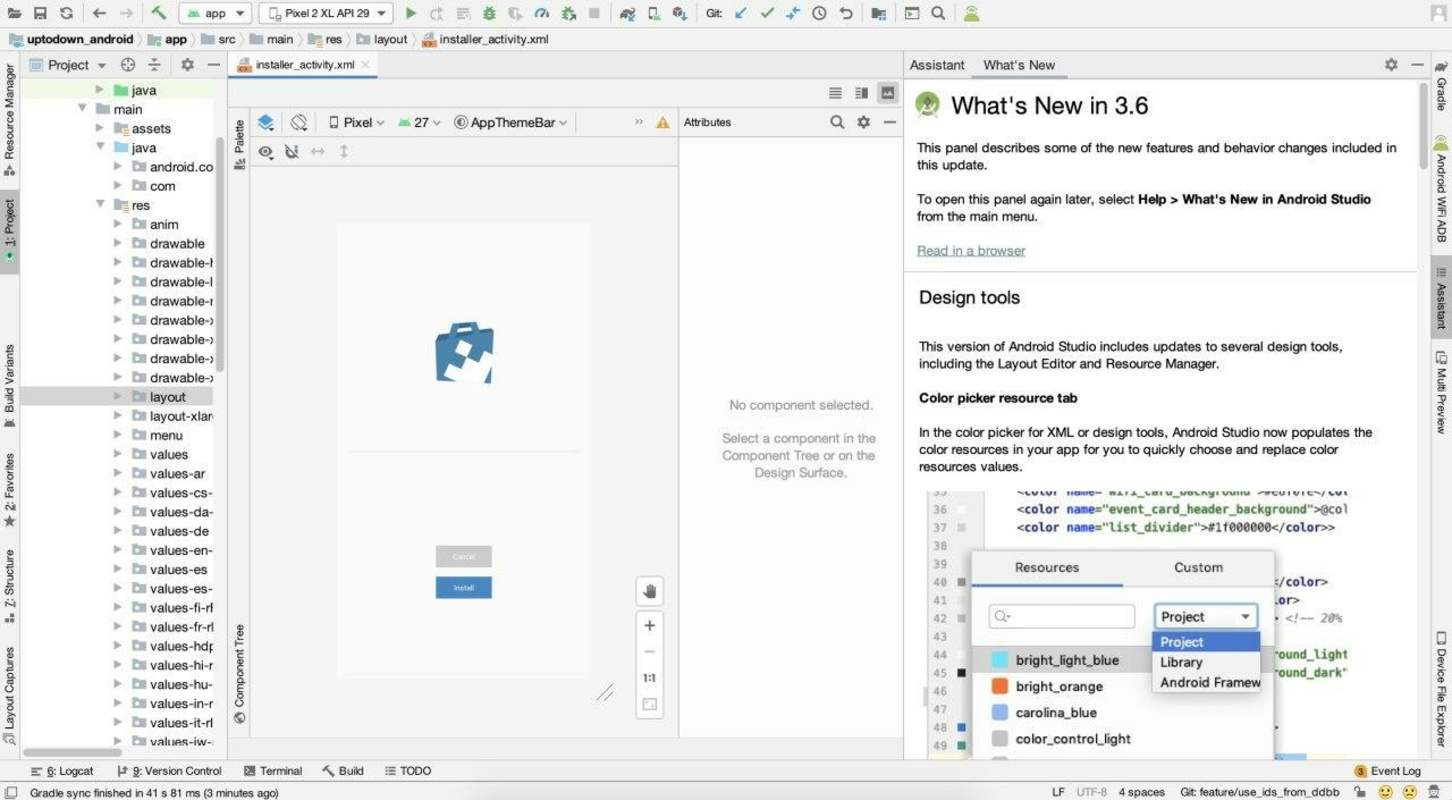
One of its core strengths lies in its structured project organization, where project files are systematically managed within the SDK directory, improving clarity and reducing configuration overhead. This approach enhances collaboration and version control, particularly in team-based development environments. The IDE supports real-time visual rendering of UI changes, allowing developers to preview how their app will appear across various screen sizes, resolutions, and device configurations—crucial for ensuring consistent user experiences.
Android Studio also includes tools for packaging, code labeling, and localization, enabling developers to efficiently adapt their apps for global audiences. With built-in wizards and templates for common Android components, it accelerates onboarding for new developers. The integration of Google Cloud Messaging facilitates server-to-device communication, making push notifications and real-time data delivery straightforward. In the broader software development ecosystem, Android Studio stands as a cornerstone tool, essential for anyone involved in Android app creation.
Key Features & Functionality
- Gradle-Based Build System: Android Studio uses Gradle to manage project dependencies and build configurations, offering greater flexibility and customization compared to older build tools. This enables faster builds, incremental compilation, and seamless integration with CI/CD pipelines.
- Real-Time Layout Preview: Developers can visualize UI changes instantly across multiple screen sizes and device types, reducing the need for repeated physical testing and accelerating the design iteration process.
- Visual Layout Editor: A drag-and-drop interface allows developers to assemble user interfaces without writing extensive XML code manually, improving efficiency and reducing errors in UI construction.
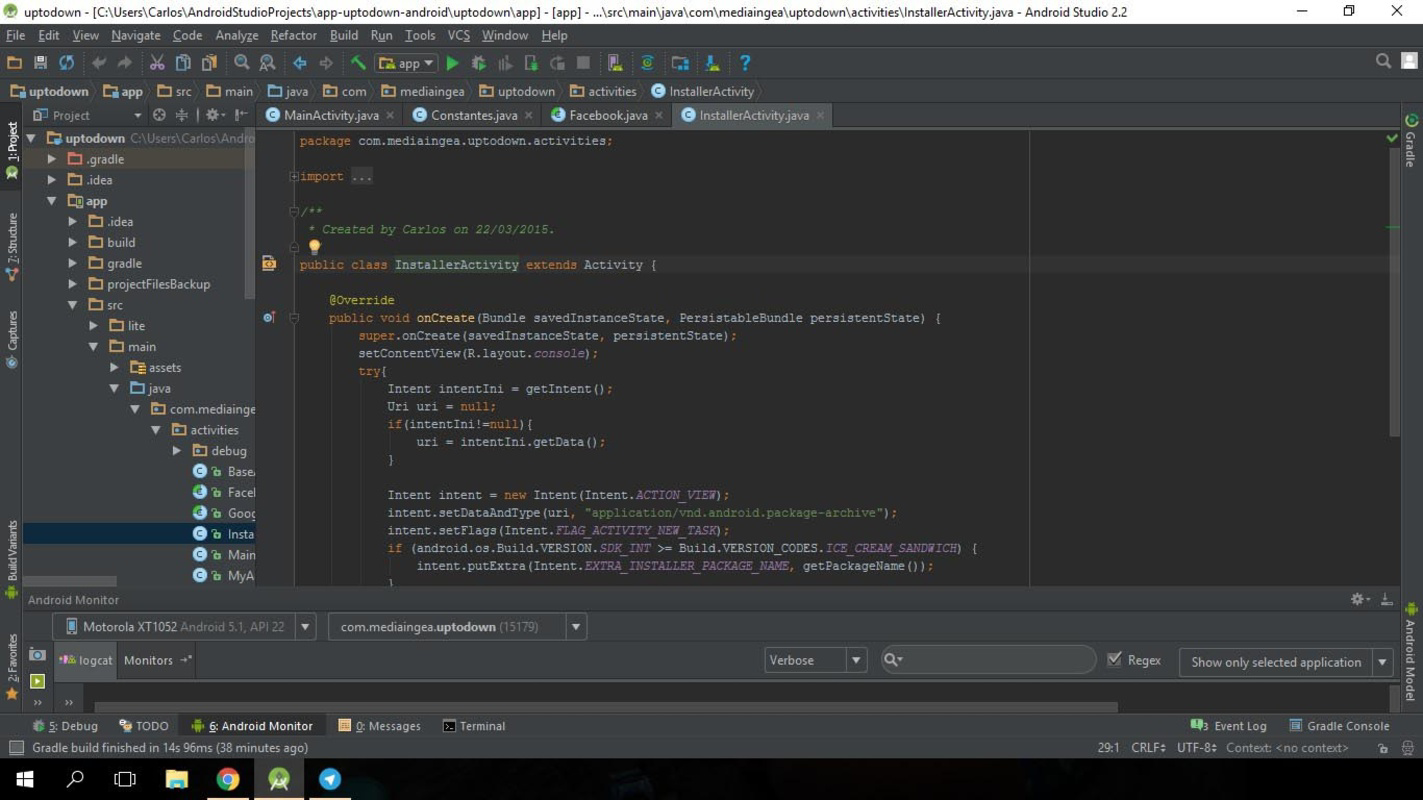
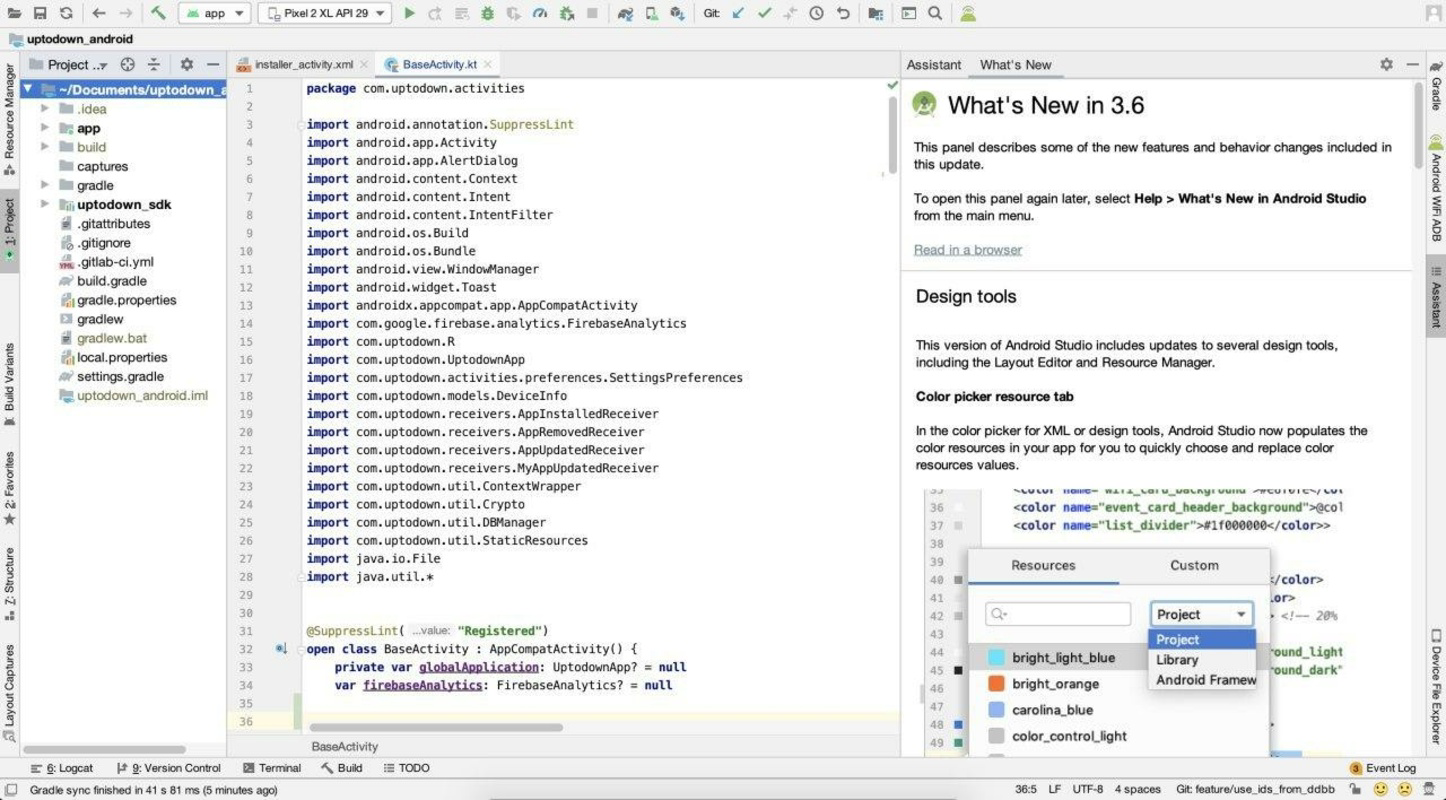
- Code Editor with Intelligent Features: The built-in editor supports syntax highlighting, code completion, refactoring, and on-the-fly error detection, significantly improving coding speed and code quality.
- Integrated Debugging Tools: Advanced debugging capabilities, including breakpoints, variable inspection, and memory profiling, help developers identify and resolve issues quickly during development.
- Google Cloud Messaging Integration: Enables seamless server-to-device communication, allowing developers to implement push notifications and real-time data synchronization with minimal setup.
- Localization Support: Built-in tools simplify the process of translating app content into multiple languages, supporting regional formatting and layout adjustments for global deployment.
- Template-Based Project Creation: Predefined templates for common app types (e.g., basic activity, navigation drawer, blank project) accelerate initial setup and promote best practices in project structure.
For example, a developer building a news app can use the template system to quickly set up a navigation drawer layout, then leverage the real-time preview to ensure content displays correctly on both phones and tablets. The Gradle system allows easy integration of third-party libraries like Retrofit or Glide, while the code editor’s suggestions help maintain clean, efficient code. These features collectively reduce development time and improve app reliability.
Interface, UX & Performance
Android Studio features a modern, customizable interface with a clean layout that organizes tools and panels into logical sections. The main workspace includes the code editor, project navigator, build console, and tool windows for debugging, version control, and device emulators. Navigation is intuitive, with keyboard shortcuts, context menus, and tabbed windows that support efficient multitasking.
The visual style is professional and developer-focused, with dark and light themes available to reduce eye strain during long coding sessions. The layout is responsive, adjusting well to different screen resolutions and monitor sizes. While the IDE is resource-intensive due to its comprehensive toolset, it maintains stability during typical development workflows.
Although the developer did not list formal performance metrics, users report consistent responsiveness during code editing, compilation, and debugging. The IDE performs well on mid-to-high-end devices with sufficient RAM and storage. On lower-end hardware, performance may be impacted during large project builds or when running multiple emulators simultaneously. The interface remains stable across updates, and crashes are rare under normal usage conditions.
Platform Compatibility & Technical Requirements
Android Studio is designed exclusively for the Android platform and is compatible with Android devices running Android 5.0 (Lollipop) and above. The application requires a minimum of 3.5 GB of disk space for installation, with additional storage needed for SDK components, emulator images, and project files.
The current version is 2023.1.1, released on June 1, 2023. The developer did not specify minimum OS requirements or exact hardware specifications. It is recommended to use a system with at least 8 GB of RAM and a modern multi-core processor for optimal performance. Compatibility with iOS devices is not supported, as the IDE is built for Android development only.
Pros and Cons
Pros
- Free to download and use, with no licensing fees
- Officially supported and maintained by Google
- Powerful Gradle integration for flexible build management
- Real-time visual layout preview across multiple devices
- Extensive built-in tools for debugging, testing, and performance analysis
- Comprehensive templates and wizards for faster project setup
- Strong support for internationalization and localization
- Regular updates with new features and security patches
Cons
- High system resource consumption, requiring significant RAM and storage
- Initial setup can be complex for beginners unfamiliar with SDKs and Gradle
- Performance may degrade on older or low-end machines
- Emulator can be slow without hardware acceleration
- Learning curve for developers transitioning from Eclipse or other IDEs
FAQ
Is Android Studio available for iOS devices?
Android Studio is designed exclusively for Android and is not available for iOS. It runs on Windows, macOS, and Linux systems.
Can I download Android Studio for free?
Yes, Android Studio is completely free to download and use. It is distributed by Google under an open-source license.
What is the minimum system requirement to run Android Studio?
The developer did not specify minimum OS requirements. However, it is recommended to have at least 8 GB of RAM and a modern multi-core processor for smooth performance.
How often is Android Studio updated?
Updates are released regularly, typically every few months, with new features, bug fixes, and security improvements. The latest version is 2023.1.1.
Is Android Studio safe to install?
Yes, Android Studio is a secure tool distributed directly by Google. It is recommended to download it only from official sources to avoid tampering or malware.
Final Thoughts
Android Studio remains the gold standard for Android app development, offering a powerful, feature-rich environment that supports every stage of the development lifecycle. Its integration of Gradle, real-time UI preview, and comprehensive tooling makes it indispensable for both novice and experienced developers. While it demands a capable machine and has a learning curve, the long-term benefits in productivity and code quality are substantial.
For anyone serious about building Android applications—whether for personal projects, startups, or enterprise-level software—Android Studio provides the tools, reliability, and community support needed to succeed. Its continuous evolution by Google ensures it stays ahead of industry trends and technological advancements.
Download Android Studio now


