
Download Apache HTTP Server – free, secure, cross‑platform web server
Overview
Apache HTTP Server, often simply called Apache, is the de‑facto standard for open‑source web serving on the Internet.
First released in 1995 as part of the Apache HTTP Server Project, it has grown into a battle‑tested, highly configurable platform that powers more than 68 % of all active websites according to the latest Netcraft survey. Its longevity is a testament to the community‑driven development model, which continuously adds modern features while preserving the rock‑solid stability that enterprises rely on.
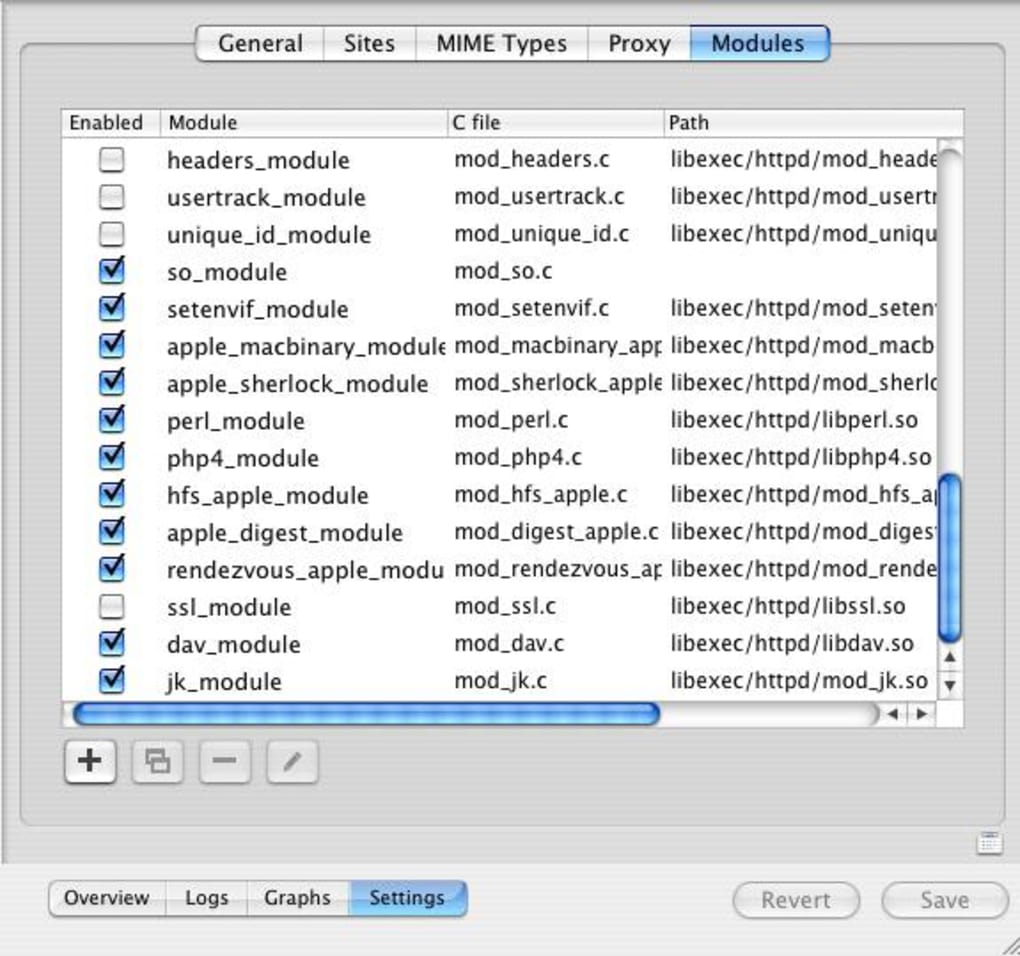
The core of Apache is written in C, which gives it a small memory footprint and excellent performance on a wide range of hardware. It runs natively on Unix‑like systems (Linux, BSD, macOS) as well as on Microsoft Windows, making it one of the most versatile web servers available. Apache’s modular architecture lets you enable only the functionality you need—whether that’s basic static file serving, dynamic content via PHP, Python, or Perl, or advanced reverse‑proxy capabilities.
Security is baked into the release cycle. The most recent stable branch includes updates for OpenSSL 0.9.8m, fixes for TLS renegotiation attacks (CVE‑2009‑3555), and patches for several proxy‑related vulnerabilities (CVE‑2010‑0408, CVE‑2010‑0425, CVE‑2010‑0434). These updates illustrate the project’s commitment to keeping the server safe in a constantly evolving threat landscape.
While Apache is powerful, it is not a “click‑and‑go” solution. New users will find the lack of wizard‑style installers a bit daunting, but the extensive official documentation, community‑maintained Wiki, and countless tutorials make the learning curve manageable. Once configured, Apache offers features such as Smart Filtering, improved caching, AJP proxy support, load balancing, graceful shutdown, large‑file handling, the Event MPM, and a refactored authentication/authorization framework—all of which are essential for modern web applications.
In short, if you need a reliable, secure, and highly customizable web server that works on Windows, Linux, or macOS, Apache HTTP Server is a proven choice. Investing the time to understand its configuration files and module system will pay off with a server that can scale from a simple personal blog to a high‑traffic enterprise portal.
Key Features
- Modular Architecture: Load only the modules you need (mod_php, mod_ssl, mod_proxy, etc.) to keep the footprint small.
- Cross‑Platform Support: Native binaries for Linux, BSD, macOS, and Windows NT/Server.
- Smart Filtering & Rewrite Engine: Powerful URL rewriting with
mod_rewritefor SEO‑friendly URLs. - Improved Caching:
mod_cacheandmod_cache_diskprovide transparent caching to speed up static content delivery. - AJP & Proxy Load Balancing: Seamless integration with application servers (Tomcat, JBoss) and built‑in load‑balancing algorithms.
- Graceful Shutdown & Restart: No‑downtime updates via the
gracefulcommand. - Large File Support: Handles files larger than 2 GB, essential for media streaming.
- Event MPM: Scalable multi‑processing module optimized for high concurrency.
- Refactored Authentication/Authorization: Modular
mod_auth*suite for flexible security policies. - OpenSSL Integration: Up‑to‑date TLS/SSL libraries for encrypted traffic.
Installation & Usage Guide
Step‑by‑Step Installation
Windows: Download the official MSI installer from the Apache Lounge or the Apache Software Foundation site. Run the installer and choose whether to install Apache as a Windows Service (recommended for production) or as a console application for testing. During the wizard you will be asked for the ServerName, Domain, and an administrative email address. After installation, the service starts automatically and can be managed via the Services MMC snap‑in.
Linux/macOS: Apache is typically available in the default package repositories. On Ubuntu/Debian use sudo apt‑get install apache2; on CentOS/RHEL use sudo yum install httpd; on macOS with Homebrew use brew install httpd. After installation, enable the service with systemctl enable httpd && systemctl start httpd (or apachectl start on macOS). The configuration files reside in /etc/apache2 (Debian‑based) or /etc/httpd (RHEL‑based).
Basic Configuration
The main configuration file (httpd.conf on Windows, apache2.conf on Linux) controls global settings such as ServerRoot, Listen ports, and the default DocumentRoot. After a fresh install the default document root points to a “hello‑world” page, which you can replace with your own site files.
To enable a module, uncomment the corresponding LoadModule line or use the a2enmod helper on Debian‑based systems. For example, to activate SSL support run a2enmod ssl && systemctl restart apache2, then edit the sites‑available/default-ssl.conf file to point to your SSL certificate and private key.
Virtual hosts are defined using the :443 for HTTPS). Each virtual host can have its own document root, log files, and security policies, making it easy to host multiple domains on a single server.
Compatibility & System Requirements
Apache HTTP Server runs on virtually every modern operating system. Official binary packages are provided for:
- Linux distributions (Debian, Ubuntu, CentOS, Red Hat, Fedora, SUSE)
- BSD variants (FreeBSD, OpenBSD, NetBSD)
- macOS (10.13 High Sierra and later)
- Microsoft Windows (7, 8, 10, Server 2008 R2 and later)
event or worker to handle thousands of concurrent connections.
Apache also supports a wide range of scripting languages via modules: PHP (mod_php), Python (mod_wsgi), Perl (mod_perl), Ruby (mod_ruby), and many more. This flexibility makes it suitable for everything from static HTML sites to complex, dynamic web applications.
Pros and Cons
Pros
- Open‑source and free to use under the Apache License 2.0.
- Extremely stable; decades of production use.
- Highly modular – load only the features you need.
- Robust security track record with regular patches.
- Excellent documentation, community support, and third‑party modules.
- Cross‑platform compatibility simplifies mixed‑environment deployments.
- Supports modern web standards: HTTP/2, TLS 1.3, IPv6.
Cons
- Steeper learning curve for beginners; no graphical wizards.
- Configuration files can become complex in large installations.
- Performance may lag behind specialized servers (e.g., Nginx) for static content under very high concurrency.
- Requires manual tuning (MPM, caching, keep‑alive) to achieve optimal performance.
- Windows version historically lagged behind Unix builds, though recent releases have narrowed the gap.
Frequently Asked Questions
Is Apache HTTP Server free to use for commercial projects?
Yes. Apache is released under the Apache License 2.0, which permits free use, modification, and distribution in both personal and commercial environments without royalty fees.
Can Apache serve HTTPS traffic out of the box?
HTTPS support is provided through the mod_ssl module. After installing the module and configuring your SSL certificate and private key, Apache can serve encrypted traffic on port 443.
How does Apache compare to Nginx for high‑traffic static sites?
Nginx is often praised for its event‑driven architecture that excels at serving static files with low memory usage. Apache can achieve comparable performance when configured with the event or worker MPM and proper caching, but it may require more tuning.
Is there a graphical interface for managing Apache on Windows?
The default Windows package includes a simple GUI for starting, stopping, and restarting the service. For advanced configuration, administrators typically edit the plain‑text httpd.conf file or use third‑party tools such as XAMPP or WAMP.
What is the recommended way to secure an Apache installation?
Key steps include enabling mod_security, disabling unnecessary modules, enforcing TLS 1.2/1.3, using strong cipher suites, restricting directory permissions, and regularly applying security patches from the official Apache project.
Conclusion
Apache HTTP Server remains a cornerstone of the modern web because it combines unparalleled flexibility with a proven security record. Whether you are deploying a single‑page blog on a shared VPS or orchestrating a multi‑tier enterprise application across Linux and Windows servers, Apache gives you the tools to build a robust, scalable solution.
The learning curve can feel steep at first, but the extensive documentation, active community forums, and countless tutorials make it easier than ever to master. Once you have your virtual hosts, modules, and security settings tuned, you’ll have a web server that can handle everything from static assets to complex API gateways.
Ready to get started? Download the latest Apache HTTP Server now, follow the installation guide above, and join the millions of developers who trust Apache to deliver content securely and reliably.
Apache HTTP Server continues to set the benchmark for open‑source web serving. Its modular design, cross‑platform support, and regular security updates make it a solid choice for both beginners and seasoned sysadmins. While the initial configuration can be daunting, the payoff is a highly customizable server that can be fine‑tuned for any workload.