
Download Apache OpenOffice – Free, Cross‑Platform Office Suite for Mac, Windows & Linux
Overview of Apache OpenOffice
Apache OpenOffice is a powerful, free alternative to commercial office suites such as Microsoft Office. Originally born from the OpenOffice.org project, it has been nurtured by the Apache Software Foundation and is now available on macOS, Windows, and Linux. The suite offers a complete set of desktop applications: Write (word processing), Calc (spreadsheets), Impress (presentations), Draw (vector graphics), Base (database management), and Formula (mathematical equations). Because it is open‑source, there are no licensing fees, making it an attractive option for students, freelancers, non‑profits, and anyone looking to cut software costs without sacrificing core functionality.
The user interface mirrors familiar layouts found in other office tools, which eases the learning curve for users transitioning from Microsoft Office or Google Workspace. Apache OpenOffice supports a wide range of file formats, including DOC, DOCX, XLS, XLSX, PPT, PPTX, and PDF, allowing seamless exchange of documents with colleagues who use different software. While the suite may lack some of the polished refinements of its commercial counterparts, it compensates with a robust feature set, multilingual support, and a strong community that continuously contributes extensions and updates.
One of the biggest draws is the suite’s cross‑platform nature. Whether you work on a MacBook Pro, a Windows desktop, or a Linux workstation, your files remain fully compatible, and the same installation package can be used across these operating systems. For users who value security and transparency, the open‑source codebase can be audited, and regular security patches are released through the Apache community. In short, Apache OpenOffice delivers a reliable, free, and secure office environment that meets the everyday demands of document creation, data analysis, and presentation design.
Key Features That Make Apache OpenOffice Stand Out
- Write – Full‑Featured Word Processor: Supports styles, tables, mail merge, and direct export to PDF. It can open and save DOC, DOCX, ODT, and RTF files.
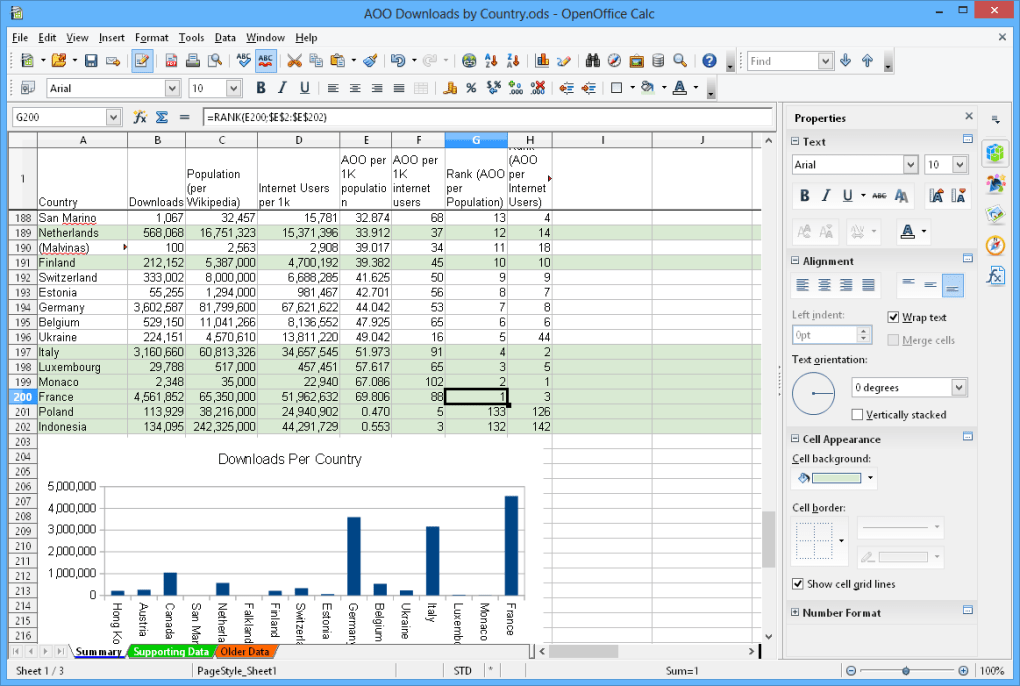
- Calc – Powerful Spreadsheet Engine: Offers over 300 functions, pivot tables, and charting tools. Compatible with XLS, XLSX, and CSV formats.
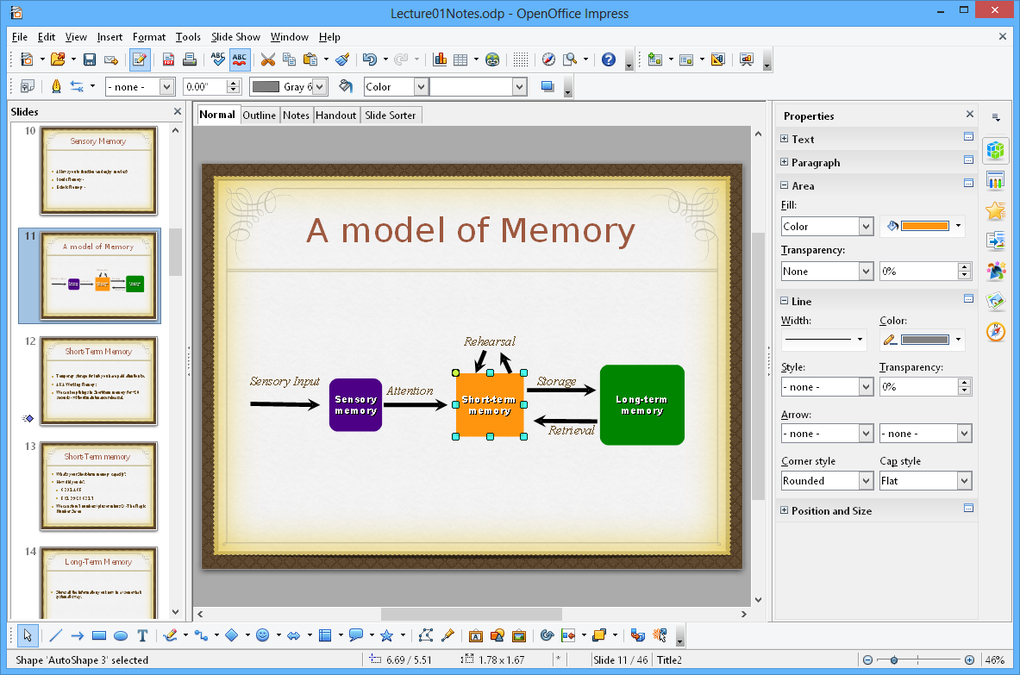
- Impress – Presentation Builder: Provides slide transitions, custom animations, and the ability to embed multimedia. Works with PPT and PPTX files.
- Draw – Vector Graphics Editor: Ideal for creating flowcharts, technical drawings, and brochures. Exports to SVG, PDF, and EPS.
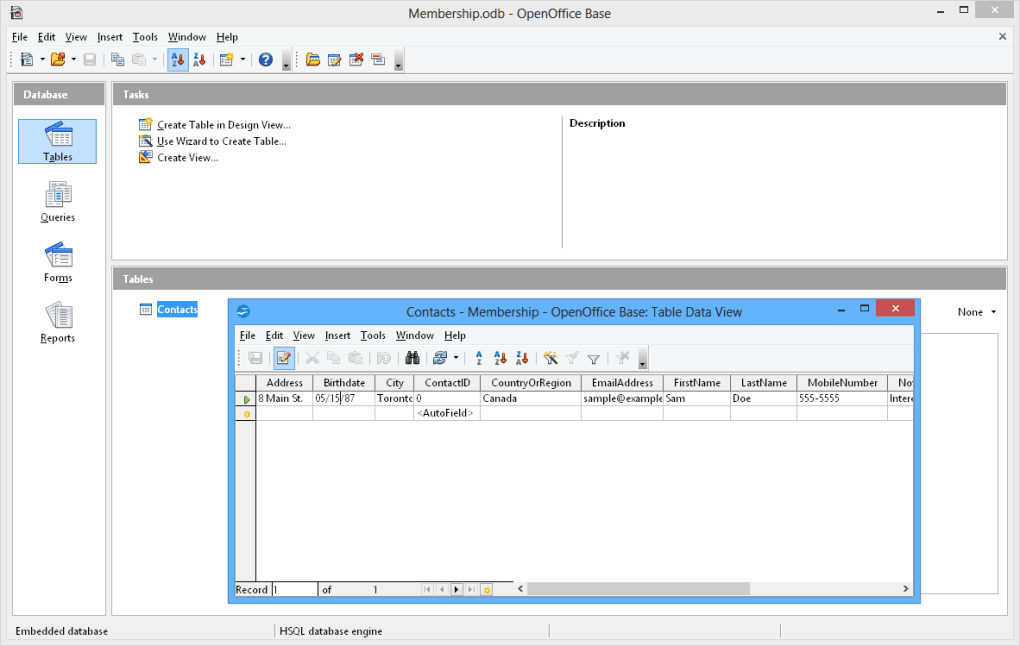
- Base – Database Front‑End: Connects to MySQL, PostgreSQL, HSQLDB, and other databases, offering forms, queries, and reports.
- Formula – Math Equation Editor: Generates complex mathematical expressions that can be embedded in other components.
- Multilingual Support: Interface and documentation are available in more than 40 languages, making it truly global.
- Extension Marketplace: Hundreds of third‑party extensions add spell‑check, PDF import, barcode generation, and more.
- Cross‑Platform Compatibility: Identical feature set on macOS, Windows, and Linux, ensuring consistent workflow across devices.
- Open‑Source Transparency: Free to download, modify, and redistribute under the Apache License 2.0.
The feature list underscores Apache OpenOffice’s versatility. Whether you need to draft a legal contract, perform financial modeling, design a marketing flyer, or manage a small relational database, the suite has a dedicated module ready to handle the task. The built‑in template library speeds up document creation, while the robust macro language (based on LibreOffice Basic) enables automation for repetitive workflows. Although the suite relies on Java for some components, recent releases have optimized performance, reducing startup times and memory consumption. Overall, the feature set delivers a comprehensive, free office environment without hidden costs.
Installation, Usage Instructions, and Compatibility Details
Installing Apache OpenOffice is straightforward on all supported platforms. For macOS users, download the .dmg installer from the official Apache website, double‑click the package, and drag the OpenOffice icon to the Applications folder. Windows users can obtain the .exe installer, run it with administrator privileges, and follow the wizard prompts. Linux distributions typically provide a .tar.gz archive; extract it, run the install script, and optionally add a desktop shortcut. The installation process includes optional language packs, so you can select additional locales during setup.
After installation, launching any component (e.g., Write or Calc) opens a clean workspace with a familiar toolbar layout. The first‑time startup may prompt you to import settings from a previous office suite, which can ease the transition. To create a new document, click the “File” menu, select “New,” and choose the appropriate application. The suite supports drag‑and‑drop of files from Finder or Explorer, enabling quick opening of existing documents.
Compatibility (itemprop="operatingSystem"): Apache OpenOffice runs on macOS 10.12 Sierra and later, Windows 7 through Windows 11 (both 32‑bit and 64‑bit), and major Linux distributions such as Ubuntu, Fedora, and Debian. The Java Runtime Environment (JRE) is bundled with the installer for macOS and Windows, ensuring that components like Base and Formula work out of the box. For Linux, you may need to install the JRE from your package manager if it is not already present.
Using the suite efficiently involves mastering a few shortcuts: Cmd/Ctrl+S to save, Cmd/Ctrl+P to print, and Cmd/Ctrl+F to find text. The “Tools → Options” dialog contains extensive customization settings, from default fonts to macro security levels. If you encounter formatting inconsistencies when opening Microsoft Office files, the “Tools → Options → Load/Save” section offers import filters that can be fine‑tuned. Regular updates are released through the Apache website; you can enable automatic update checks in the “Help → Check for Updates” menu.
Overall, the installation experience is smooth, and the suite integrates well with native file browsers, making it a viable daily driver for both personal and professional tasks. Even though some users report occasional sluggishness on older hardware, the recent Java optimizations and optional lightweight UI themes have mitigated many performance concerns.
Pros, Cons, and Frequently Asked Questions
Pros
- Completely free – no license fees or subscription costs.
- Cross‑platform support ensures document consistency across macOS, Windows, and Linux.
- Broad file‑format compatibility, including native Microsoft Office extensions.
- Extensive feature set covering word processing, spreadsheets, presentations, graphics, databases, and formulas.
- Open‑source transparency and regular security updates from the Apache community.
Cons
- Java‑based components can feel slower on older machines.
- Occasional formatting or printing issues when handling complex Microsoft Office documents.
- Interface feels dated compared to the polished look of Microsoft 365.
- Large number of menus and options may overwhelm new users.
- Limited real‑time collaboration features; no built‑in cloud sync.
FAQ (itemscope itemtype="https://schema.org/FAQPage")
Is Apache OpenOffice truly free for commercial use?
Yes. Apache OpenOffice is released under the Apache License 2.0, which permits free use, modification, and distribution for both personal and commercial purposes without any royalty fees.
Can I open and edit a .docx file without losing formatting?
OpenOffice can open .docx files, but complex formatting (especially advanced styles, embedded objects, or macros) may not translate perfectly. Exporting to .docx after editing can re‑introduce minor discrepancies, so it’s best to test critical documents before final distribution.
Do I need to install Java separately on macOS?
The macOS installer bundles a compatible Java Runtime Environment, so separate installation is not required. Linux users may need to install a JRE from their distribution’s repositories if it isn’t already present.
Is there a mobile version of Apache OpenOffice?
No official mobile app exists. However, the OpenDocument format (ODF) can be opened with third‑party Android and iOS apps that support ODF, such as Collabora Office or LibreOffice Viewer.
How do I keep Apache OpenOffice up to date?
OpenOffice includes a “Check for Updates” feature under the Help menu. You can also subscribe to the Apache OpenOffice mailing list or regularly visit the official download page for the latest stable releases.
Overall Rating: 4.2/5
Pros: Free, cross‑platform, robust feature set.
Cons: Slower Java components, occasional formatting quirks.
Conclusion – Should You Download Apache OpenOffice?
Apache OpenOffice delivers a full‑featured, cost‑free office suite that meets the core needs of students, small businesses, and anyone looking to avoid subscription fees. Its compatibility with Microsoft Office formats, multilingual interface, and extensive set of applications (Write, Calc, Impress, Draw, Base, Formula) make it a credible contender in the free‑software space. While the Java foundation can cause slower performance on older hardware and some complex documents may suffer minor formatting losses, the recent performance improvements and active community support mitigate many of these concerns.
If you value security, transparency, and the ability to run the same software across macOS, Windows, and Linux, Apache OpenOffice is an excellent choice. It shines particularly in environments where budget constraints prevent the purchase of commercial licenses, yet the need for reliable word processing, data analysis, and presentation tools remains essential. For power users who require real‑time collaboration, cloud storage, or cutting‑edge UI polish, a complementary solution such as Google Workspace or Microsoft 365 may still be preferable.
Ready to experience a free, robust office suite? Download Apache OpenOffice now and start creating documents, spreadsheets, and presentations without spending a dime. Remember to check for updates regularly to benefit from the latest security patches and feature enhancements.