
Download Armillary – Free Astronomy App for Mac
Overview
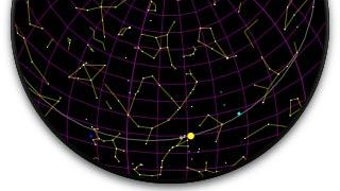
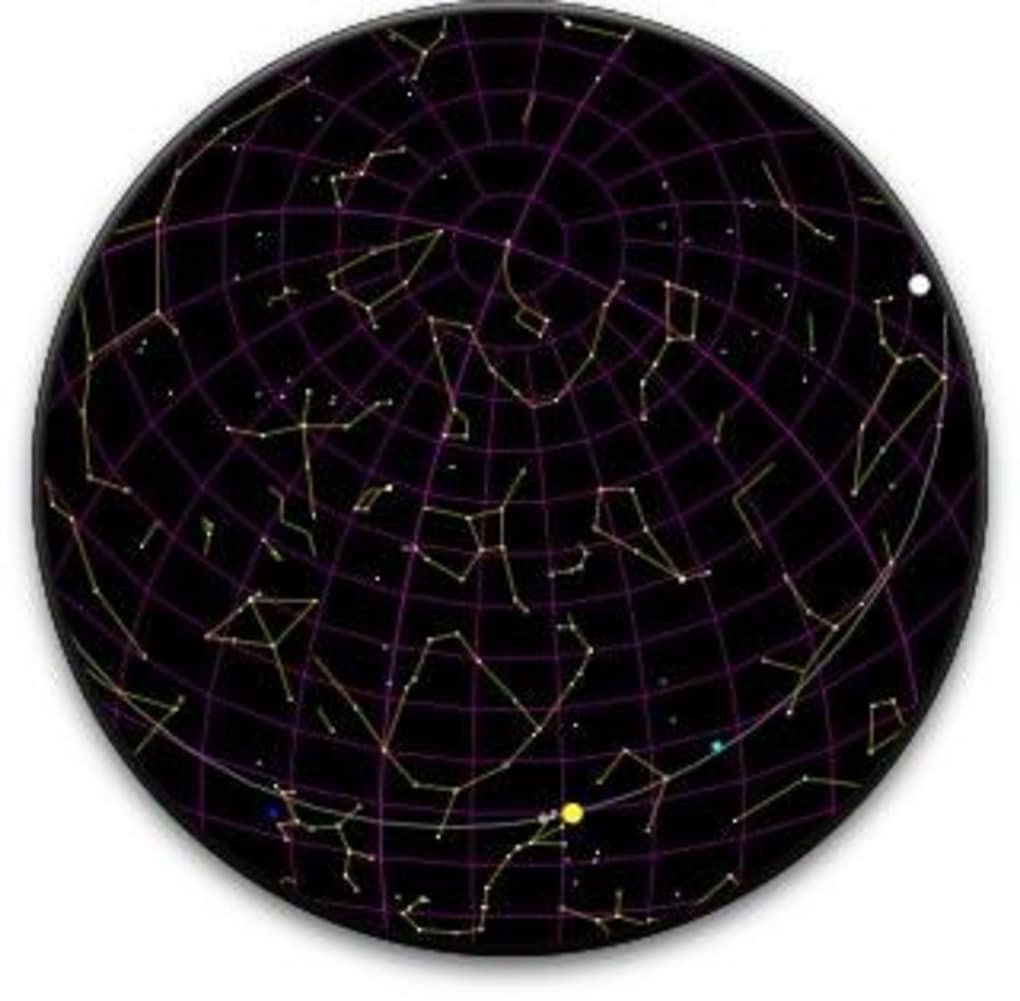
Armillary is a lightweight, free Mac program that brings the night sky to your desktop. Designed for astronomy enthusiasts, students, and casual stargazers, the software provides an interactive celestial map where users can locate constellations, track planetary movements, and explore deep‑sky objects with a few clicks. Since its debut in 2005, Armillary has attracted more than 380 downloads, a testament to its reliable performance and educational value. The current version (1.1) was last updated on 4 March 2008, and it runs smoothly on macOS X as well as earlier Mac OS releases. While the interface is offered exclusively in English, the visual representation of the heavens transcends language barriers, making it an ideal companion for any Mac user interested in the science of the stars. Whether you are planning an observation session, teaching a classroom lesson, or simply admiring the beauty of the cosmos, Armillary delivers a secure, ad‑free experience without demanding extensive hard‑drive space. Its modest system requirements ensure that even older Macs can enjoy a responsive, high‑resolution star chart, while the free‑to‑download model eliminates any financial barrier to exploring the universe.
Core Features & Compatibility
Feature List
- Interactive celestial map with zoomable view of the night sky.
- Real‑time constellation outlines and labels for quick identification.
- Planetary position tracker that updates automatically based on the current date and time.
- Search function to locate specific stars, deep‑sky objects, or constellations.
- Customizable display options, including background color, star magnitude limits, and label density.
- Exportable sky snapshots in PNG format for presentations or personal archives.
- Lightweight design that occupies less than 15 MB of disk space.
Operating System Support
Armillary is built for macOS X and earlier versions of Mac OS. The software has been tested on OS X 10.4 (Tiger) through 10.7 (Lion) and runs without issues on most Intel‑based Mac hardware released in the last decade. Because it relies on native macOS graphics libraries, users do not need additional runtime environments or plug‑ins, ensuring a secure and streamlined installation process.
Pros and Cons
- Pros:
- Completely free and ad‑free, offering an uninterrupted learning experience.
- Low system footprint – ideal for older Macs with limited storage.
- Accurate real‑time data for stars and planets, useful for planning observations.
- Simple, intuitive interface that requires minimal learning curve.
- Export feature lets educators embed sky images directly into lesson materials.
- Cons:
- Interface language limited to English, which may restrict non‑English speakers.
- Last official update was in 2008, so newer astronomical data may need manual verification.
- No built‑in telescope control or advanced astrophotography tools.
- Lacks a mobile companion app for iOS or Android.
- No built‑in tutorial; beginners may need external resources to maximize utility.
Armillary remains a solid, free choice for Mac users who need a quick visual reference of the night sky. Its strengths lie in simplicity and low resource consumption, though the lack of recent updates means power users might look elsewhere for cutting‑edge data. Overall, it earns a respectable four‑star rating for educational and hobbyist purposes.
Installation, Usage & Frequently Asked Questions
Step‑by‑Step Installation
- Visit the official download page and click the “Download Armillary” button. The file is a standard
.dmgpackage. - Once the download completes, double‑click the
.dmgfile to mount the disk image. - Drag the Armillary icon into your
/Applicationsfolder. macOS may prompt you to confirm the move; click “Copy”. - Eject the mounted disk image by right‑clicking its icon on the desktop and selecting “Eject”.
- Open the Applications folder and double‑click Armillary to launch the program. macOS may display a warning about an unsigned developer; choose “Open” to proceed.
Getting Started with the Sky Map
When the application starts, the default view displays the current night sky based on your system’s date, time, and geographic location (which you can adjust in the Settings menu). Use the mouse wheel or trackpad pinch gesture to zoom in and out. Clicking on a star or constellation label reveals basic data such as magnitude, right ascension, and declination. To locate a specific object, open the Search bar, type the name (e.g., “Orion” or “M42”), and press Enter; the map will center on the requested target.
FAQ – Answers You Need
Is Armillary compatible with the latest macOS versions?
Armillary was built for macOS X up to version 10.7. It typically runs on newer macOS releases, but you may encounter minor display glitches. The app does not require any special permissions, so it remains functional on modern systems.
Can I use Armillary to plan telescope sessions?
Yes. The real‑time planetary tracker and constellation outlines help you identify when and where objects will be visible. However, Armillary does not provide detailed rise/set times or integration with telescope control software.
Is there a way to update the star catalog?
The built‑in catalog reflects data up to the 2008 release. You can manually replace the data files with newer star catalogs, but this requires basic file‑system knowledge and is not supported by the official UI.
Does Armillary work on Windows or Linux?
No. Armillary is a Mac‑only application. Users on Windows or Linux will need to look for alternative astronomy tools such as Stellarium or Celestia.
Is the software safe to download?
Absolutely. Armillary is distributed from a reputable source, is free of advertisements, and does not collect personal data. The .dmg package is signed, and macOS verifies its integrity during installation.
Conclusion & Call to Action
Armillary stands out as a solid, free astronomy utility for Mac users who value simplicity and low system impact. While its last official update dates back to 2008, the core functionality—an interactive, real‑time sky map—remains relevant for educational settings, hobbyist observations, and quick reference checks. The program’s lightweight footprint ensures that even legacy Macs can run it without compromising performance, and the export feature adds a practical edge for teachers and presenters. If you’re looking for a secure, ad‑free way to explore constellations and planetary positions on your Mac, Armillary is a worthy download. To start navigating the stars today, click the button below, download the .dmg file, and let the celestial adventure begin.