
Download AudioRack – Free Open‑Source Radio Broadcasting Software
Overview
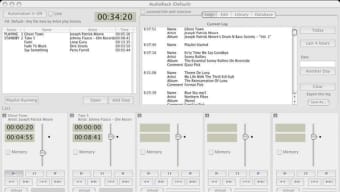
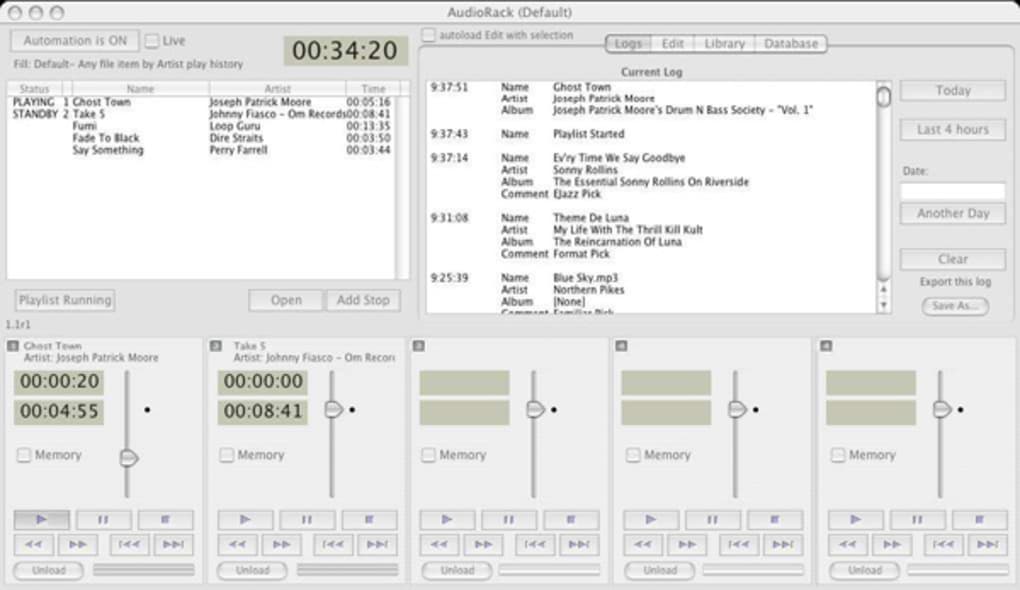
AudioRack is an open‑source radio broadcasting solution that lets hobbyists, podcasters, and small‑scale stations launch their own on‑air presence without paying for a commercial studio. Built around a lightweight PHP front‑end and a MySQL back‑end, the platform mimics the classic radio‑automation workflow: a log, a media database, and eight dedicated channels that can be scheduled, recorded, or played live. While the interface is intentionally minimalistic—showing only the essentials—this design philosophy keeps the software fast, low‑resource, and highly customizable for those willing to invest a little time learning its quirks. Because AudioRack is free, the only cost you incur is the effort required to configure the MySQL database, set up a web server, and become familiar with its menu‑driven controls. The result is a cost‑effective, secure broadcasting environment that can be hosted on any server that runs PHP and MySQL, making it a perfect fit for community radio stations, university projects, or independent podcasters who want total control over their audio stream.
Key Features & Installation Guide
Core Feature List
- Eight simultaneous audio channels for live mixing and automation.
- Integrated log manager that lets you schedule shows, ads, and playlists.
- Full‑text searchable media database supporting MP3, WAV, and OGG formats.
- Built‑in recorder for capturing live streams or offline sessions.
- Web‑based control panel accessible from any modern browser.
- Support for custom scripts and plug‑ins to extend functionality.
- Real‑time statistics display (listeners, bitrate, uptime).
- Multilingual interface (contributions available on GitHub).
Step‑by‑Step Installation & First‑Time Use
Getting AudioRack up and running involves a series of straightforward steps, though it does assume a basic familiarity with server administration.
- Prepare the environment: Ensure you have a web server (Apache or Nginx), PHP 7.4 or newer, and a MySQL 5.7 or newer database. Most shared hosting plans already meet these requirements.
- Download the source: Visit the official GitHub repository, click “Download ZIP,” and extract the files into your web root (e.g.,
/var/www/html/audiorack). - Create a MySQL database: Log into phpMyAdmin or use the MySQL command line to create a new database (e.g.,
audiorack_db) and a dedicated user with full privileges. - Import the schema: Inside the extracted folder, locate
install.sql. Import this file into your new database to generate the required tables (users, tracks, logs, etc.). - Configure the application: Rename
config.sample.phptoconfig.phpand edit it with your database credentials, preferred timezone, and default streaming URL. - Set file permissions: Ensure the
uploads/andlogs/directories are writable by the web server user (e.g.,chmod 775 uploads logs). - Run the installer: Open a browser and navigate to
http://yourdomain.com/audiorack/install.php. Follow the on‑screen wizard to create the first admin account and verify the database connection. - Login and explore: After installation, head to
/login.php, enter your admin credentials, and you’ll be greeted by the main dashboard where you can start uploading tracks, building logs, and assigning them to any of the eight channels.
Because AudioRack does not ship with a built‑in tutorial, many users find the community wiki and the “Issues” section on GitHub invaluable for troubleshooting. Patience during the initial setup pays off; once the database and web server are correctly configured, the software runs with virtually no overhead, allowing you to stream 24/7 on a modest virtual private server.
Compatibility, Pros & Cons
Operating System Support
AudioRack is a web‑based application, which means it is OS‑agnostic on the client side. As long as you have a modern browser (Chrome, Firefox, Edge, Safari) you can control the studio from Windows 10/11, macOS 12+, Linux distributions, or even mobile platforms such as Android and iOS. The server side, however, requires a LAMP/LEMP stack (Linux, Apache/Nginx, MySQL, PHP). This makes Linux the most common hosting environment, though Windows Server with IIS can also serve PHP and MySQL if properly configured.
Pros
- Zero licensing cost: Completely free, open‑source code eliminates subscription fees.
- Lightweight footprint: Runs comfortably on low‑cost VPS instances (as little as 512 MB RAM).
- Full control over data: All audio files and logs stay on your server, enhancing privacy.
- Scalable channel architecture: Eight independent channels let you simulate a full‑featured radio lineup.
- Community driven: Regular updates from contributors and a vibrant GitHub issue tracker.
Cons
- MySQL‑only backend: Users who prefer PostgreSQL or SQLite must adapt the schema manually.
- Lack of official documentation: New users may feel lost without a step‑by‑step guide.
- Steeper learning curve: The UI is minimalist, requiring patience to discover hidden features.
- No built‑in streaming server: You must pair AudioRack with Icecast, SHOUTcast, or a similar service.
- Limited native mobile app: Control is browser‑based; there is no dedicated Android/iOS app.
Overall, AudioRack delivers a robust, cost‑free solution for independent broadcasters willing to invest a modest amount of technical time. Its open‑source nature guarantees transparency and endless customization possibilities, making it a compelling alternative to pricey commercial radio‑automation suites.
Frequently Asked Questions
Is AudioRack really free, or are there hidden costs?
AudioRack is released under the GPL‑3.0 license, which means you can download, modify, and use it without any licensing fees. The only costs you might incur are hosting fees for the web server and any optional third‑party streaming service (e.g., Icecast) you pair with it.
Can I use AudioRack on a Windows server?
Yes, although most installations run on Linux, AudioRack can operate on Windows Server if you install a compatible web stack (IIS with PHP, MySQL). The setup steps are identical; just ensure the PHP extensions required by AudioRack are enabled.
Do I need a separate streaming server?
AudioRack itself does not broadcast audio; it manages playlists, logs, and recordings. To stream live, you must connect it to an Icecast, SHOUTcast, or any compatible streaming daemon. The integration is simple—just configure the stream URL in the settings panel.
Is there any way to back up my logs and media library?
Since AudioRack stores all data in MySQL and the media files on the server’s filesystem, you can back up using standard MySQL dump commands (mysqldump) and a routine file‑system backup (e.g., rsync or a cloud storage sync). Regular backups are strongly recommended.
How can I add more than eight channels?
The core code is designed for eight channels, but because it’s open source you can extend the database schema and UI to add additional channels. The community has posted patches on GitHub that illustrate how to duplicate the channel tables and modify the front‑end accordingly.
Conclusion & Call to Action
AudioRack stands out as a powerful, no‑cost entry point for anyone serious about running a radio station or a podcast network without the financial burden of commercial automation software. Its straightforward web interface, eight‑channel architecture, and open‑source flexibility empower users to build a fully functional broadcast workflow from the ground up. While the lack of an official user guide and the MySQL‑only requirement may deter absolute beginners, the active GitHub community and abundant online tutorials help bridge that gap. If you’re ready to invest a few hours configuring a MySQL database and pairing the platform with an Icecast server, you’ll unlock a secure, self‑hosted broadcasting solution that can grow alongside your audience. Download AudioRack today, set up your own studio, and start sharing your voice with the world—without paying a single cent for the software.