Image
Image


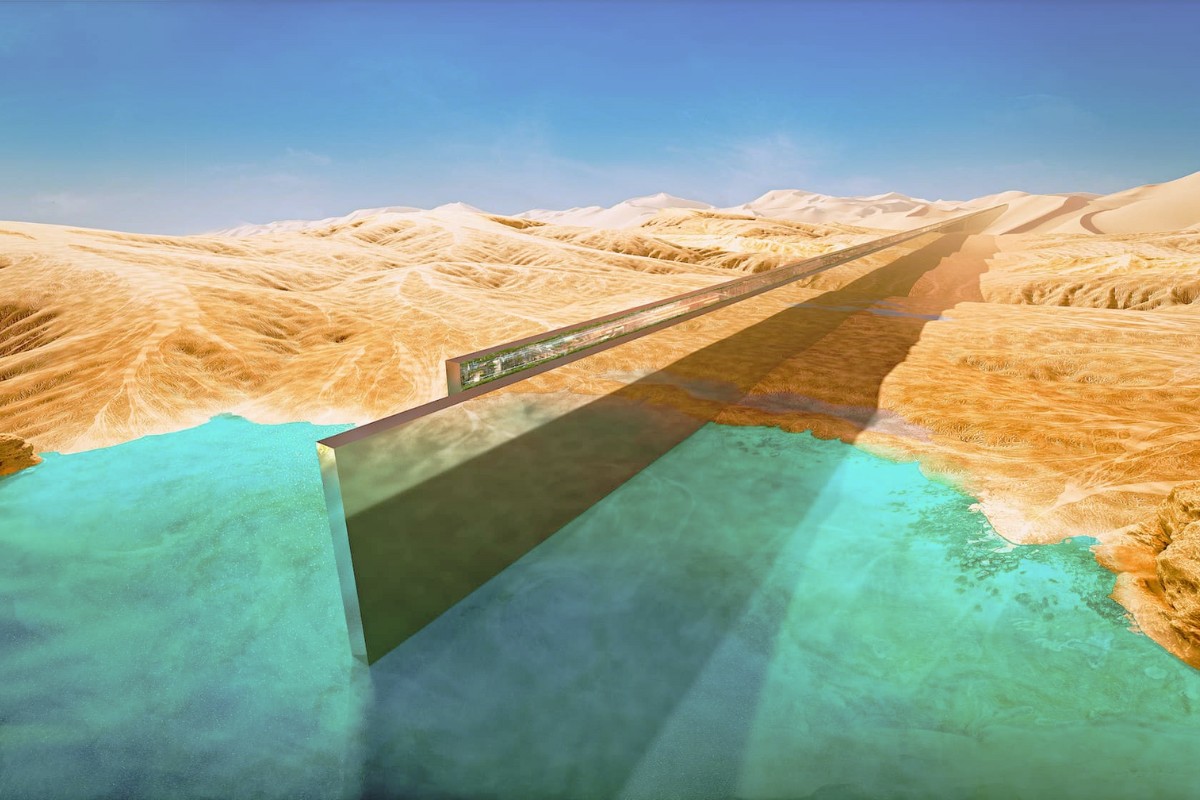
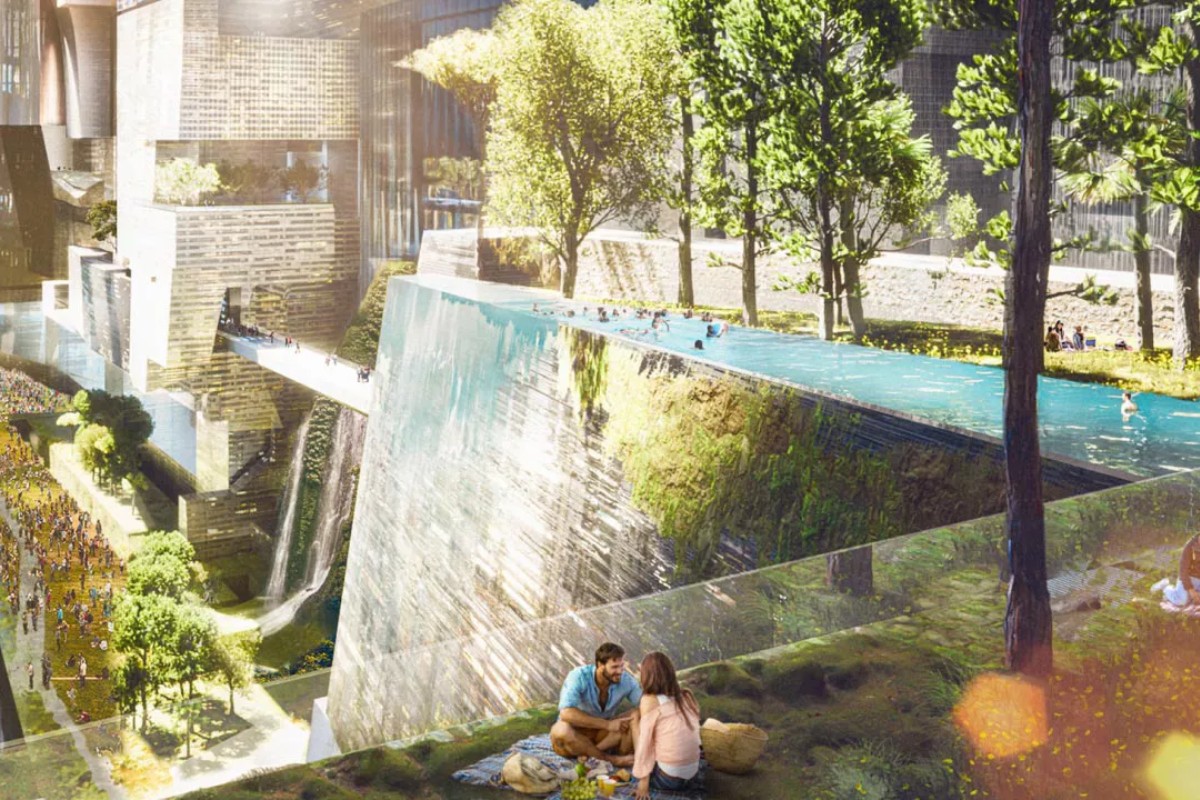
The Saudi Vision 2030 plan, which aims to grow and diversify the Kingdom's economy while simultaneously taking the lead in global development, is embodied in NEOM. One of the biggest and trickiest infrastructure projects in the world is The Line. The Line is a human-centered revolution in civilization that offers unparalleled urban living conditions while protecting the surrounding natural environment. It reinterprets what urban development is and what kind of cities we should build in the future. Here are 10 facts of Line Saudi that ought to be known. 


1. Neom as a Whole:


Source


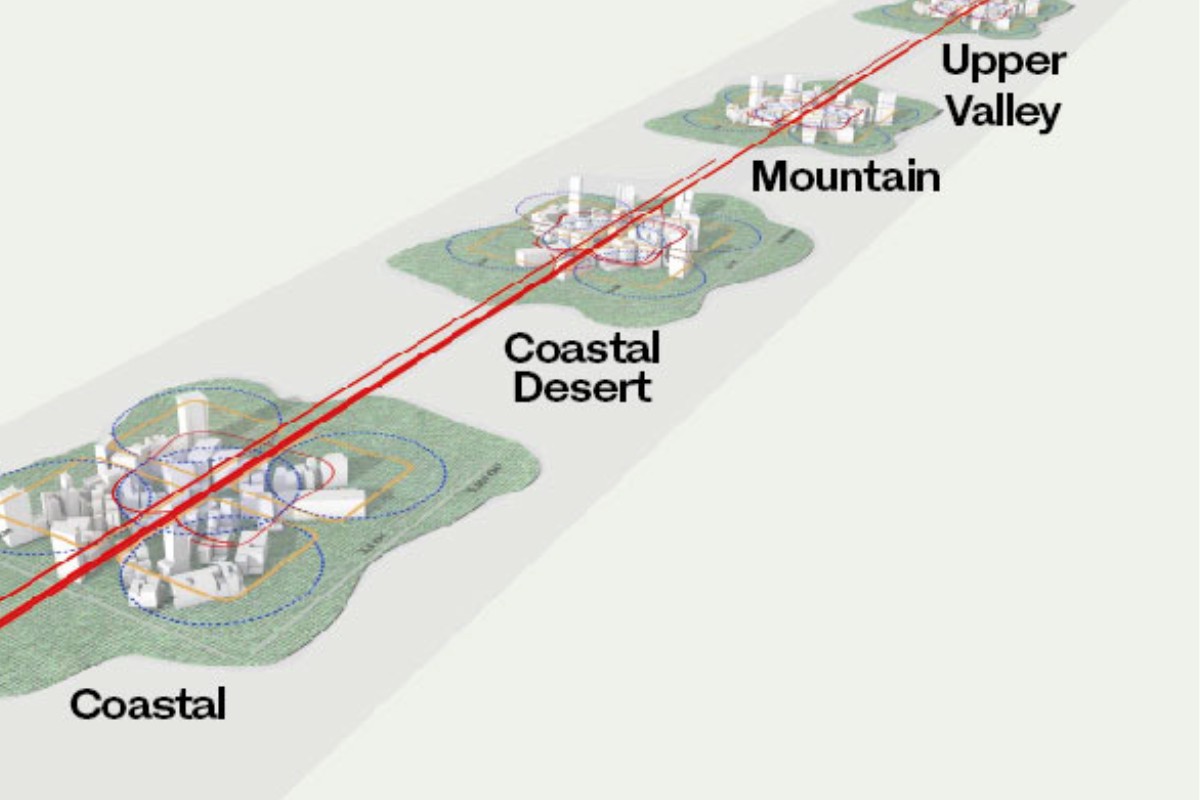
The creator claims that Neom will be made up of ten projects, or what they call regions. Four of the regions have had their specifics released thus far. The most well-known of these is The Line; others are Oxagon, Trojena, and Sindalah. 

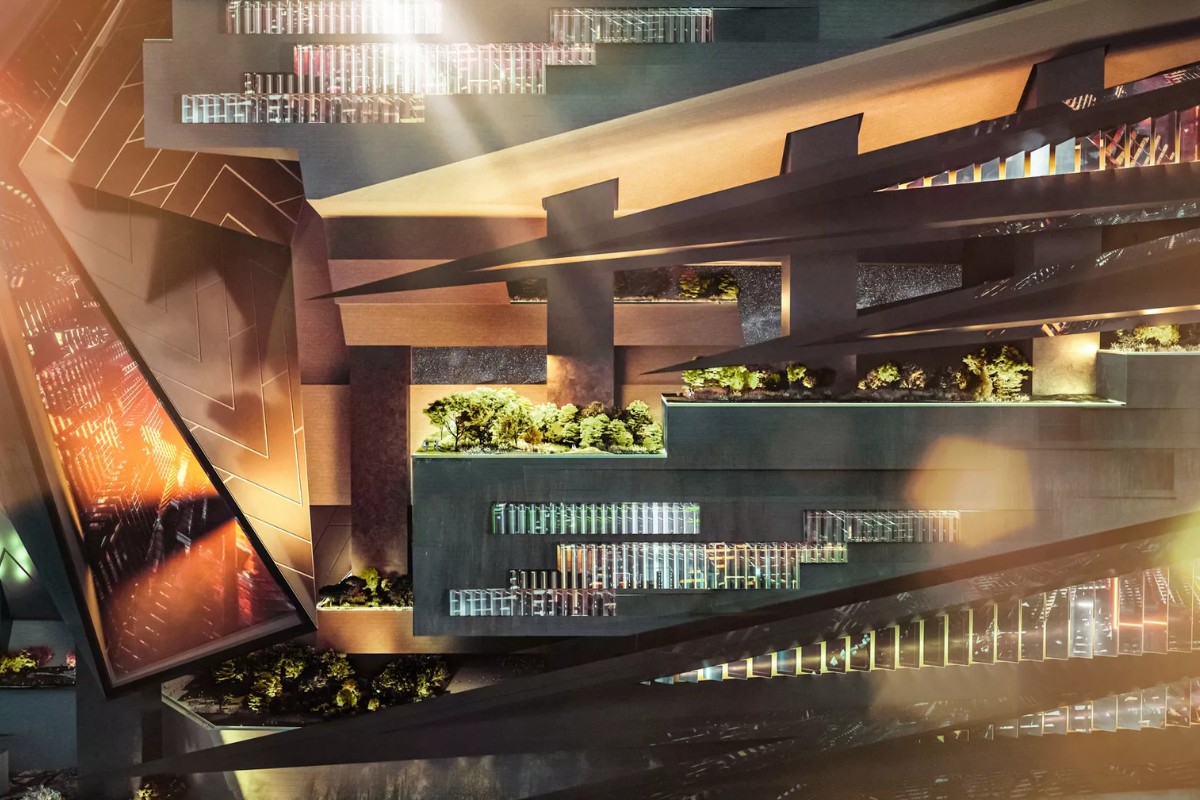
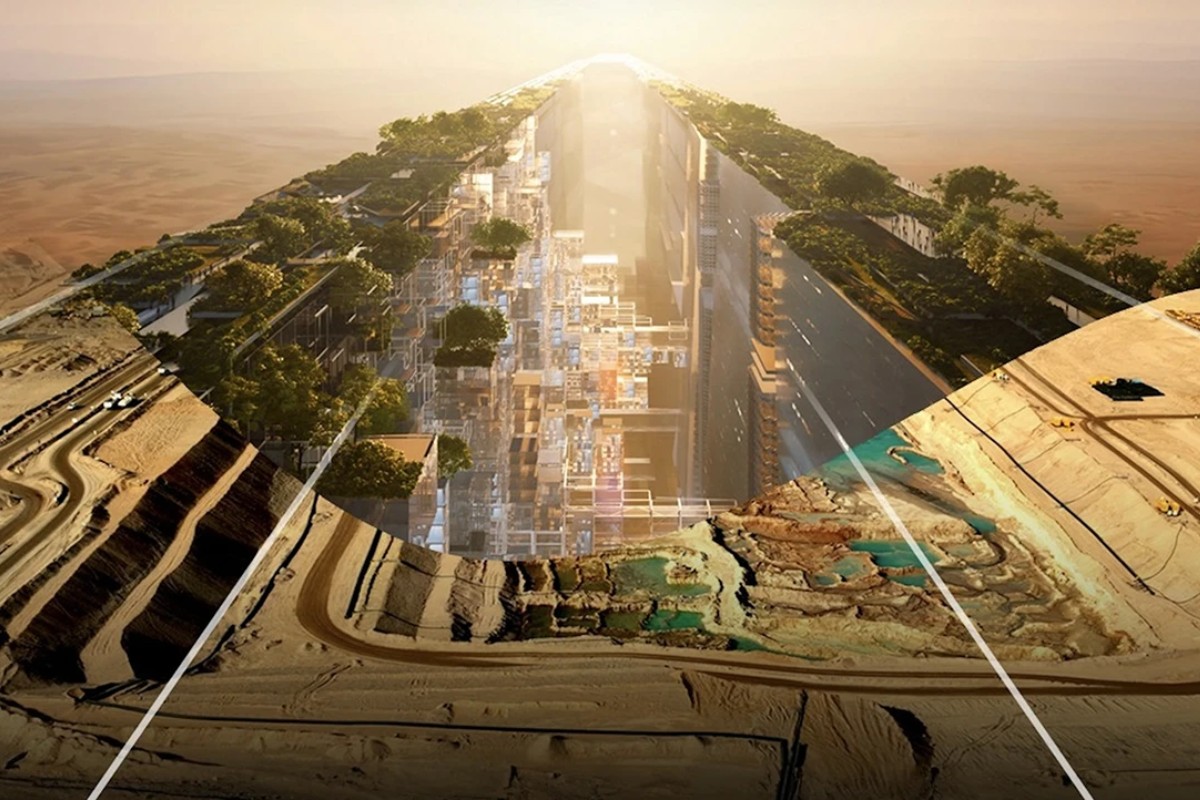
Nine million people are expected to live in The Line, a 170-kilometer linear metropolis. It will traverse the Neom area from east to west. The developer claims that the metropolis will be made up of two parallel, linear buildings, each 500 meters high, spaced 200 meters apart. The exterior of the buildings will be covered in mirrors.  

Built on the Red Sea, far south of the Neom region, Oxagon is envisioned as an octagonal port city. The port and logistics center will be the "world's largest floating structure," according to Neom's creator.  

In the Sarwat Mountains, to the north of the Neom region, Trojena is intended to be a ski resort. The 60-square-kilometer resort, which is also slated to host the Asian Winter Games in 2029, offers year-round skiing and outdoor activities.  

The island resort of Sindalah is intended to be located in the Red Sea. The 840,000-squaremeter island is geared toward the yachting community and will feature multiple hotels and an 86-berth marina. 


2. Everything is a 5-minute Stroll Away:


Source


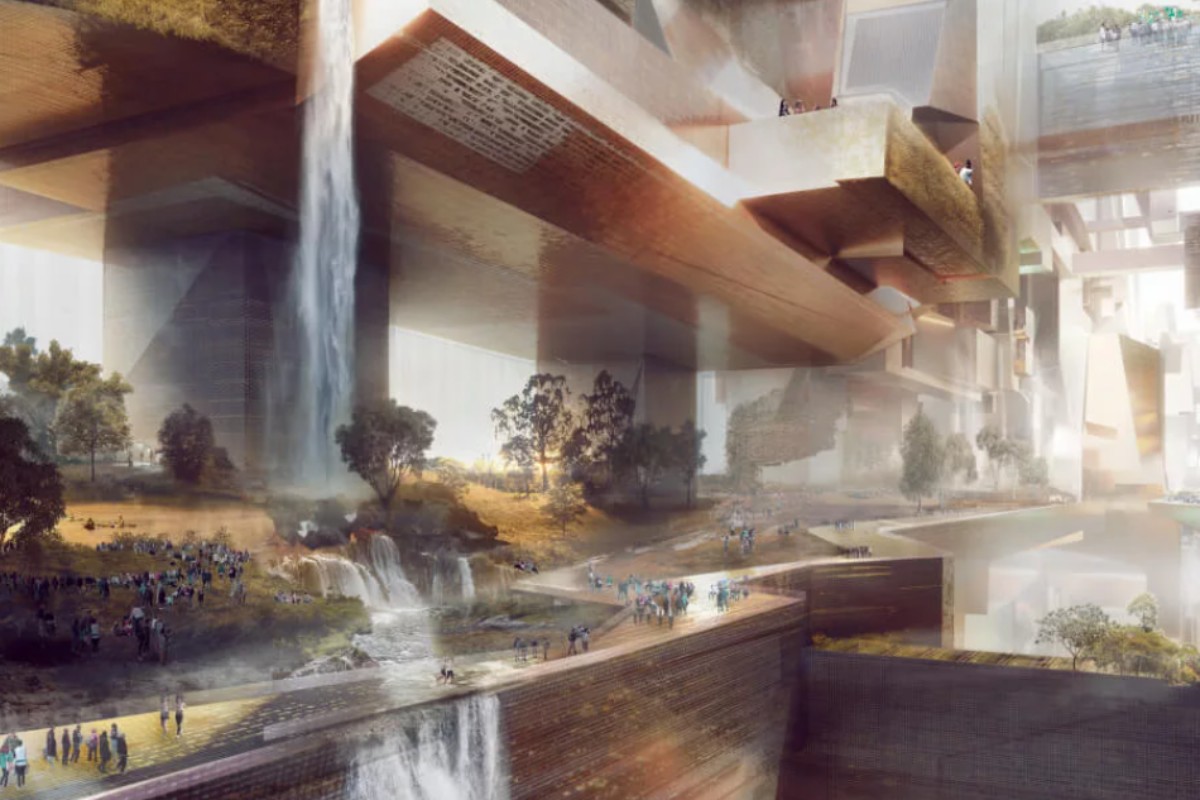
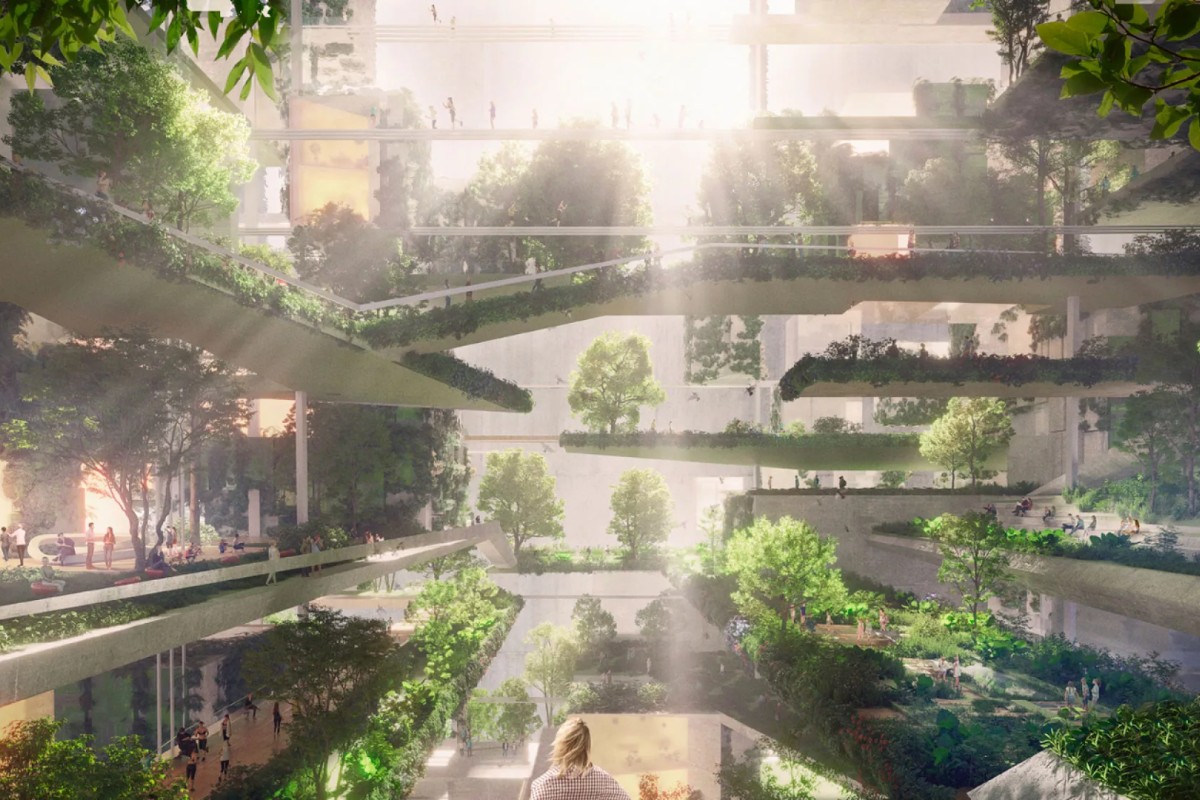
All amenities are accessible within a 5-minute walk in the mixed-use communities, which are intended to be liveable and wholesome. It combines sustainable smart technologies for utilities and transportation with invisible infrastructure to create an affordable, effective business hub that will draw big businesses. Roads and streets are replaced with piazzas and strollable boulevards with parks and green areas. Automated mass transit or self-driving cars will just require a short five-minute stroll. 


3. Automobile-Free:


Source


Communities will be developed with people, not automobiles, in mind, creating an urban environment that is friendly to people and scaled appropriately for everyone to enjoy. AI enabled communities will save time by learning and anticipating how to improve the quality of life for locals and businesses. NEOM stated that while the project is advertised as car-free, it is developing a robust public transportation plan to guarantee this. With agreements in place with AECOM and Bechtel, The Line will become one of the biggest and most intricate infrastructure projects in the world as it develops cutting-edge transportation infrastructure. 


4. Cognitive Communities:


Source


AI-powered communities will revolutionize urban development by continuously learning and evolving, offering ever-better services to businesses and inhabitants. Furthermore, NEOM claims that AI might keep an eye on The Line and use data and prediction models to uncover ways to improve day-to-day living. 


5. Fuelled by Green Energy, Environment & Sustainability:


Source

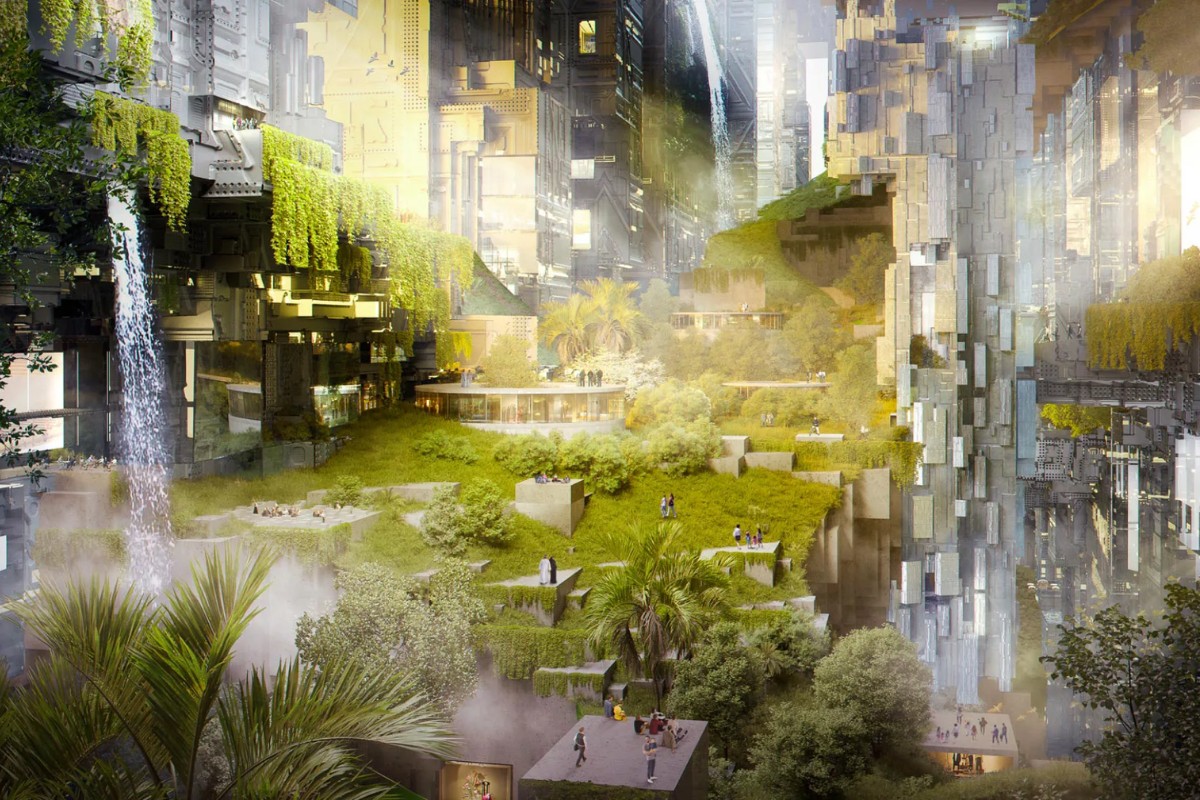
To provide clean and pollution-free urban environments, all energy in NEOM will come from power plants that run on solar, wind, and hydrogen. The integration of utilities into the infrastructure spine provided by the Line facilitates the creation of an environmentally sustainable transmission and distribution system. This dedication includes using eco-friendly building materials, developing green corridors to protect wildlife, and putting into practice sustainable construction techniques. To make NEOM a better place for people to live and to save the ecosystem, 95% of the land will remain undeveloped. The Line restores the bond between humans and the natural world because it is surrounded by open areas. People's health and well-being will take precedence over infrastructure and transportation, in contrast to traditional cities. 


6. A Diverse Economy:


Source


This project is anticipated to create new job opportunities and boost economic growth because of its focus on technology, green energy, and tourism. To successfully achieve economic diversification, the project must successfully integrate local markets, draw in foreign investment, and reinvent sustainable urban life without escalating already-existing economic disparities. 


7. Architecture:


Source


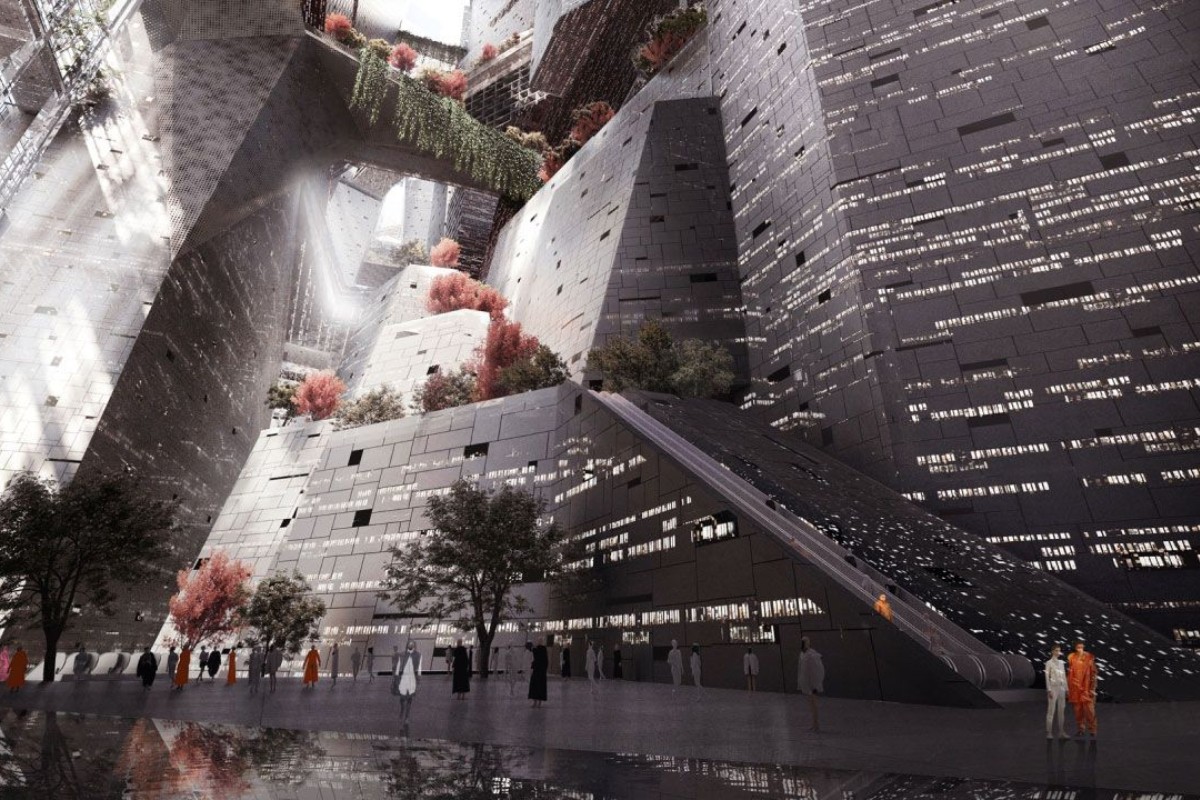
The goal of The Line is to design tall structures that push the boundaries of architecture. It is suggested that they would rise to an astounding height of nearly 1,600 feet. Each enormous building will have a width of roughly 650 feet and a remarkable length of at least 75 miles. The windows are another example of engineering prowess; they are thought of as essential elements of the design. In addition to letting in natural light, these windows will function as solar cells that can produce power when exposed to sunshine. This flexibility minimizes energy use. The use of modular construction, which aims to build cities quickly, sustainably, and efficiently, is a key typology also incorporated. This technique could lessen building waste and its negative effects on the environment by prefabricating parts of the city in a controlled industrial environment before assembling them on-site. Advantages of modular construction include quality control and shorter project completion times. 


8. Mobility Marvel- The Spine:


Source


"The Spine," a high-speed rail system, is intended to serve as the central component of the Line. Presumably, the Spine will be an engineering marvel, linking the city's different hubs and areas at hundreds of miles per hour. Its energy consumption will be less because it will be fuelled by sustainable energy sources. There will be no need for lengthy commutes or heavy traffic because passengers can board and leave the train at any location along The Line. Additionally, it is intended to be smoothly integrated with other forms of transportation, such as hyperloops and driverless cars. Urban mobility will be revolutionized by this multimodal transportation system, which will make it possible for citizens to move about the city with ease and efficiency. 


9. Vertical Farming:


Source


Crops are grown in vertically stacked layers using controlled inputs to maximize growing conditions. This practice is known as vertical farming. Sophisticated vertical farms within The Line will be incorporated into the city's infrastructure to offer year-round access to fresh, wholesome fruit. These farms will lessen the city's total ecological effect in addition to lowering its dependency on imported food. Vertical farming greatly lowers carbon emissions and preserves natural resources by optimizing water use, managing temperature and light, and utilizing renewable energy sources. 


10. Ecosystem for Healthcare:


Source


With the combination of cutting-edge biomedical technologies and smart health services, the city is hailed as having the ability to completely transform the way healthcare is delivered. Modern healthcare facilities and digital health solutions are included in its architecture to establish an extremely effective and individualized healthcare environment. The Line will eliminate the need for in-person hospital visits by providing citizens with immediate access to health monitoring and consultations through the use of AI and telemedicine.  


The Line- The Future Metropolis? 

The Line continues to advance toward its ambitious completion date of 2045, serving as a global example of the potential for urban expansion. In addition to redefining urban living, this future metropolis aims to raise the bar for sustainability in a global community that is becoming more aware of its effects on the environment. Even while achieving such a lofty goal will not be easy, The Line's achievement may spur a change in the way cities are planned and constructed all over the world.

For more such insights and tips about the architectural world, subscribe to the Volume Zero newsletter and get the latest articles delivered to your inbox.


Devangi Shah

Devangi Shah

Content Writer

Devangi is a practicing architect, who considers Architecture like a bottomless pit that consistently keeps brimming with a different area of scope it can tackle and get to the bottom of. She likes to question the world around her and induce her creative limits through research and documentation. Her research enthusiast self believes, “Architecture is the art of designing for the present by reflecting upon our past, ensitively keeping in mind our future.”


Subscribe

Get our latest article and updates delivered straight to your inbox.