The Assistant is your first fiction feature. The subject matter feels so immediate—what made you choose to not make a documentary of this, given your track record in that realm?
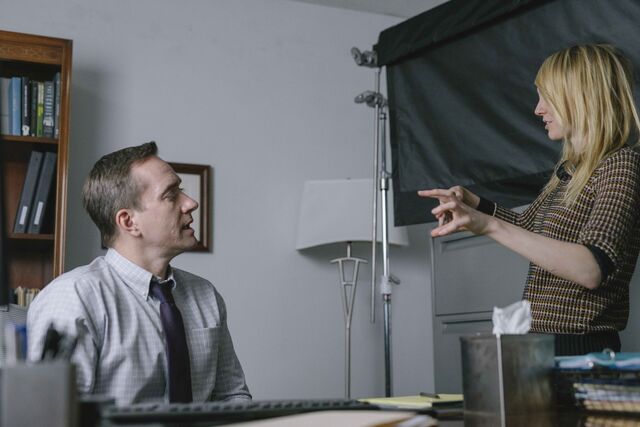
Kitty Green: I went to fiction film school, and I made fiction short films. I then found work in documentary, so I made two feature-length docs. With this one, I was looking at exploring the micro-aggressions, the tiny moments, gestures, looks, glances, behaviors that often go overlooked when covering the #MeToo movement. We often talk about the bad men and the misconduct, but this is more about a cultural, structural problem. So I was hoping to amplify the more quietly insidious behavior that we need to address if we really want things to improve. A fiction film allowed me to hone in on details—close up—and the way you can take an annoyance through the emotional experience, putting the audience in the shoes of the youngest woman in a toxic work environment.
How did you decide to keep the timeframe to just one day in Jane’s life rather than fleshing it out over a longer period?
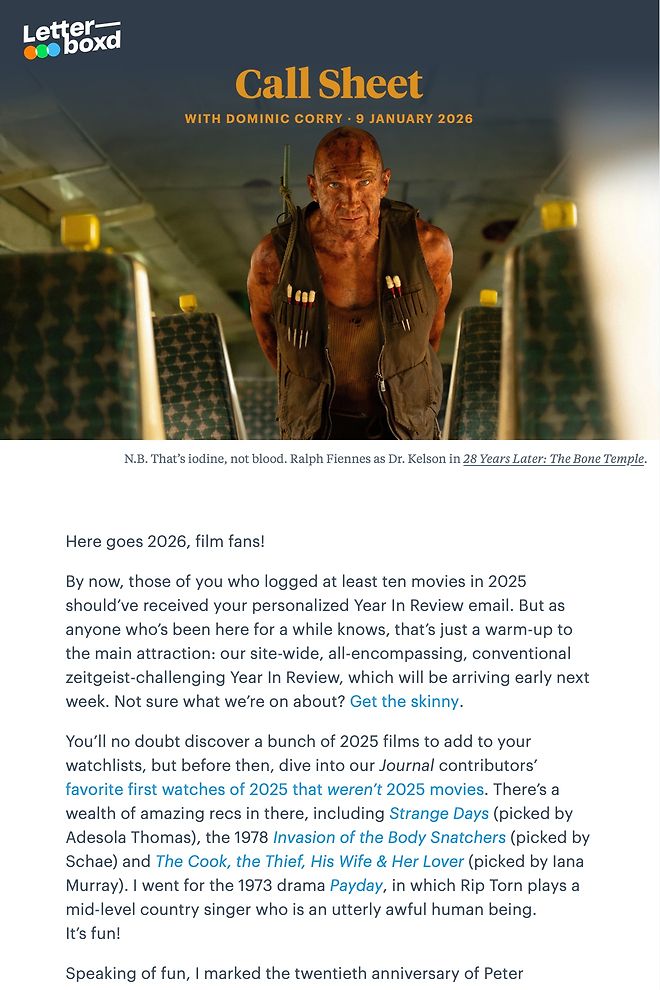
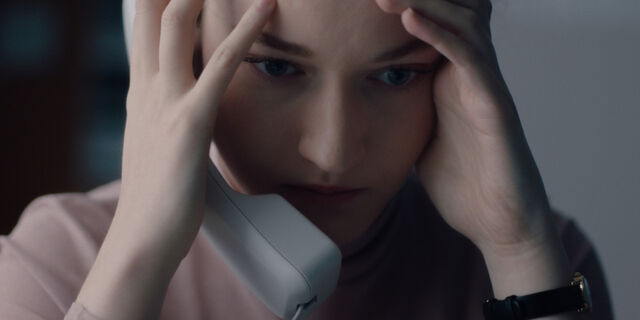
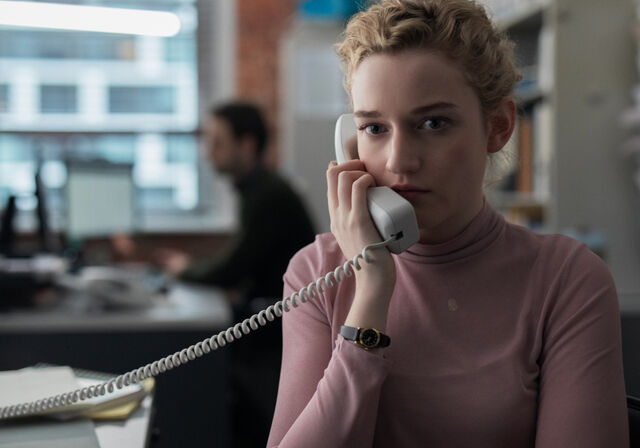
The lead character is in such a complicated position. It’s such a difficult set of circumstances, the machinery that this predator has created around himself. I wanted to untick that, to discuss how difficult it is to be a young woman in that environment. So the day, the routine, was really important. What she was experiencing, how she was experiencing it; every task she did I gave equal weight to. Whether she was photocopying, binding something suspicious, you experience it as you would if you were in her shoes. That was important to me.
I had my fists clenched the whole time, when she’d be eating cereal, or washing up mugs, waiting for something awful to happen.
Totally. It’s exploring misconduct, but it’s also looking at a whole spectrum, from gendered work environments, toxic work environments, through all these environments that support predatory behavior. I was interested in what the entry points are, without conflating those issues and being able to explore all the cultural systemic things we need to unpick to move forward.
The film is so focused on Jane, played by Julia Garner. How did you choose her?
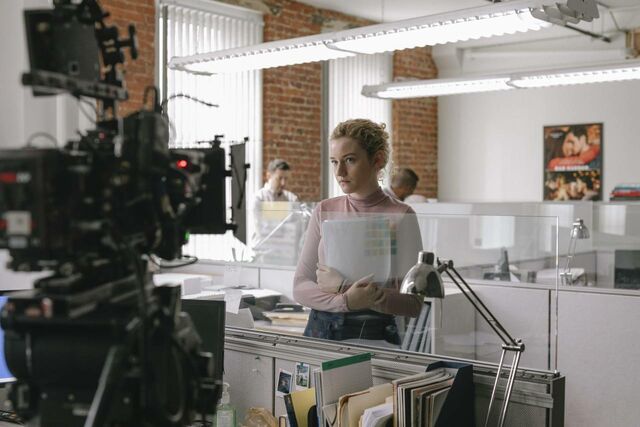
The script is pretty bare when it describes who she is, she’s just Jane. I didn’t have anyone in mind, really. I told my casting agent that we’re watching this character do the most mundane tasks, so it was important that she was striking. I said I needed someone infinitely watchable. I had seen Julia in The Americans and I remembered being struck by her, so I immediately wanted to meet her. She really understood the script, it worked out beautifully. We got to create the character together, we had a month of rehearsals where we really went through where she was emotionally at any given point, and Julia is wonderful so it was great.