Apply to join our writing team (rolling basis)!
Apply to join our writing team (rolling basis)!
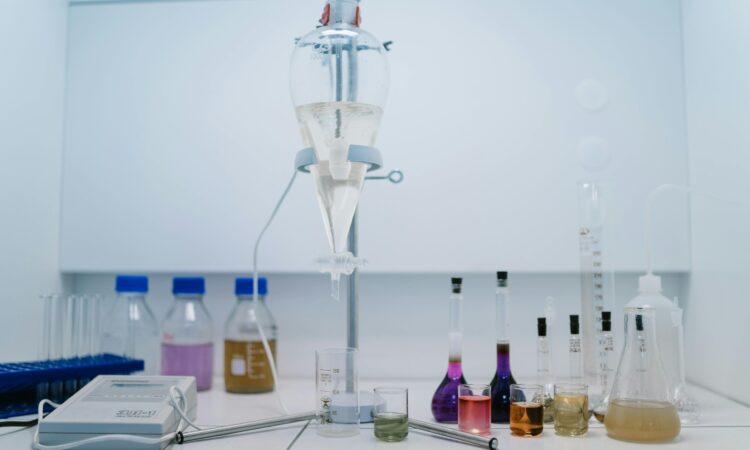
Have you ever looked at a complicated molecule and wondered who comes up with it? In the paper by Rolf Breinbauer and colleagues at the Technical University of Graz, the problem was this: how can we attach small chemical tags to proteins without damaging them?
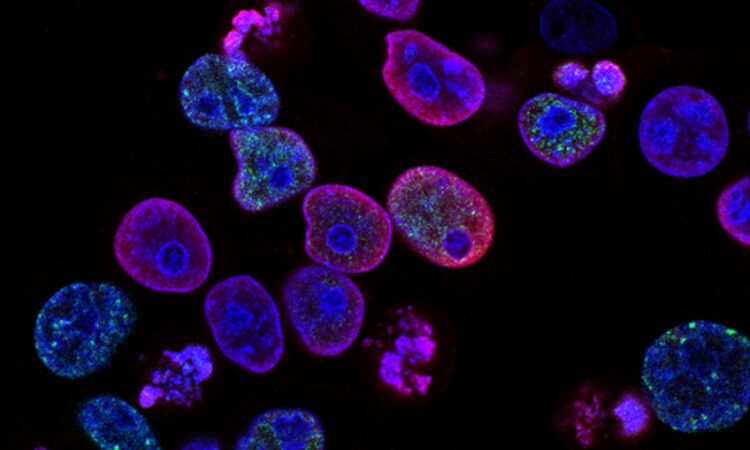
Article: Development of a Hydrogel Platform with GBM and Microglia: A Potential Glioblastoma Tumor Model Authors: Seyma Isik, Deniz Yucel, Vasif Hasirci In: ACS Applied Bio Materials The brain is largely made up of cells that reside in a space called the extra-cellular matrix (ECM). This…
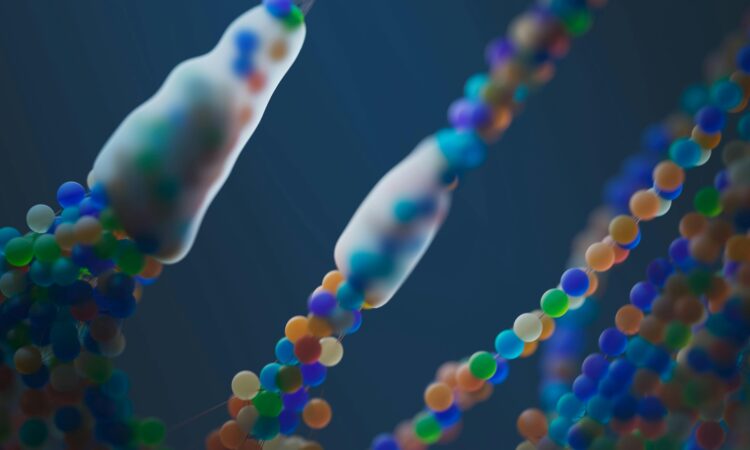
Inside every cell, thousands of proteins are made every second. Sometimes a protein folds incorrectly. It can tangle or stick to other misfolded proteins, forming clumps that block normal cell functions. Cells have a cleanup system made of helper proteins.
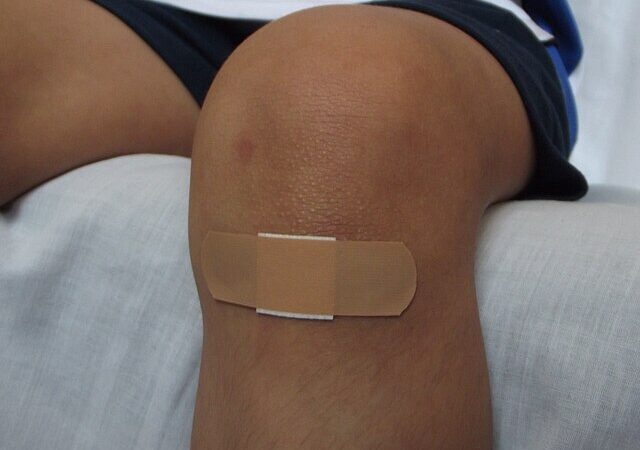
Title: Application of aptamer – carbon hybrid materials for electrochemical detection of wound healing biomarker – TNF-α protein Authors: Julia Czopinska, Filip Budny, Andrzej Peplowski, Anna Sobiepanek, and Marta Jarczewska. Journal: Bioelectrochemistry Year Published: 2025 Cover Image Credit: Saulhm, wikicommons For many of us, most…

Considering the chemical composition of atmospheric particulate matter pollution could provide valuable health information to inform future policy.
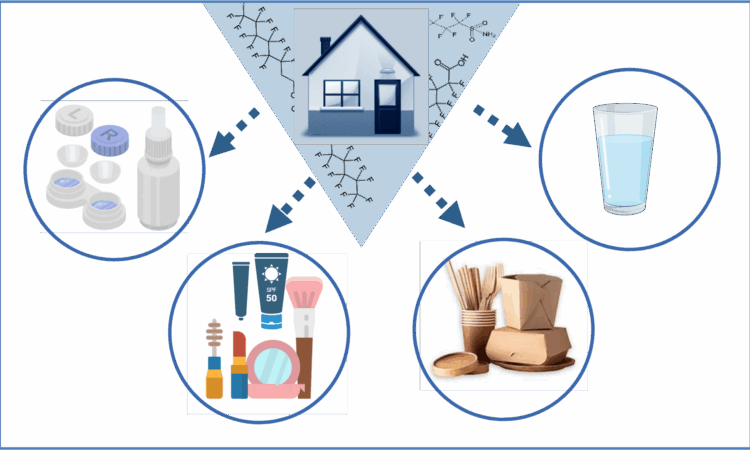
You might expect industrial chemicals to show up in factories or fire fighting gear, but not in your mascara, contact lenses or even your toothpaste! Behind convenience and performance of these personal care products, many of them may contain PFAS. PFAS or per- and polyfluoroalkyl substances…
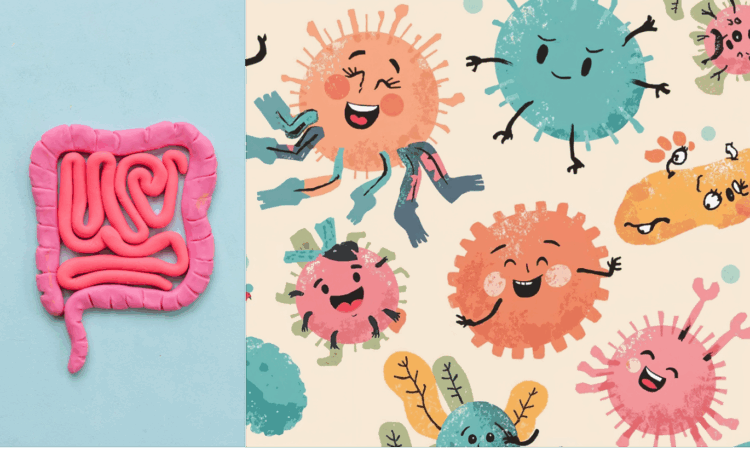
Title: Human gut microbial aromatic amino acid and related metabolites prevent obesity through intestinal immune control Authors: Zengliang Jiang, Liuqing He, Diyin Li, Laibao Zhuo, Lingjun Chen, Rui-Qi Shi, Jianhua Luo, Yuhui Feng, Yuhui Liang, Danyang Li, Xiao Congmei, Yuanqing Fu, Yu-ming Chen, Ju-Sheng Zheng, Liang…
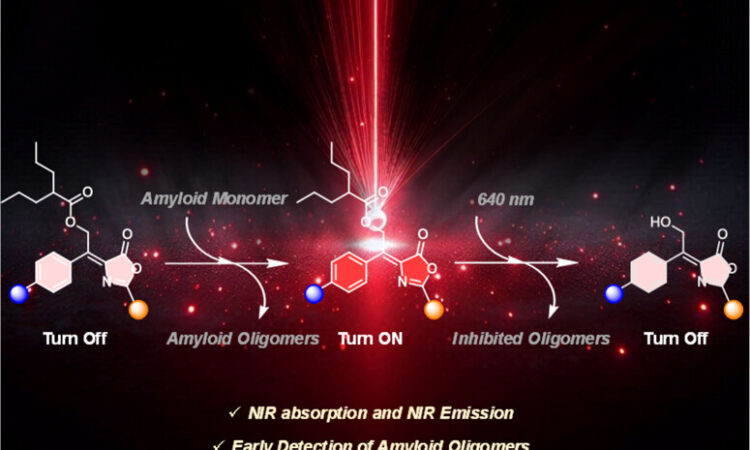
Inspired by Jellyfish Glow, Scientists Design Light-Sensitive Alzheimer’s Therapy
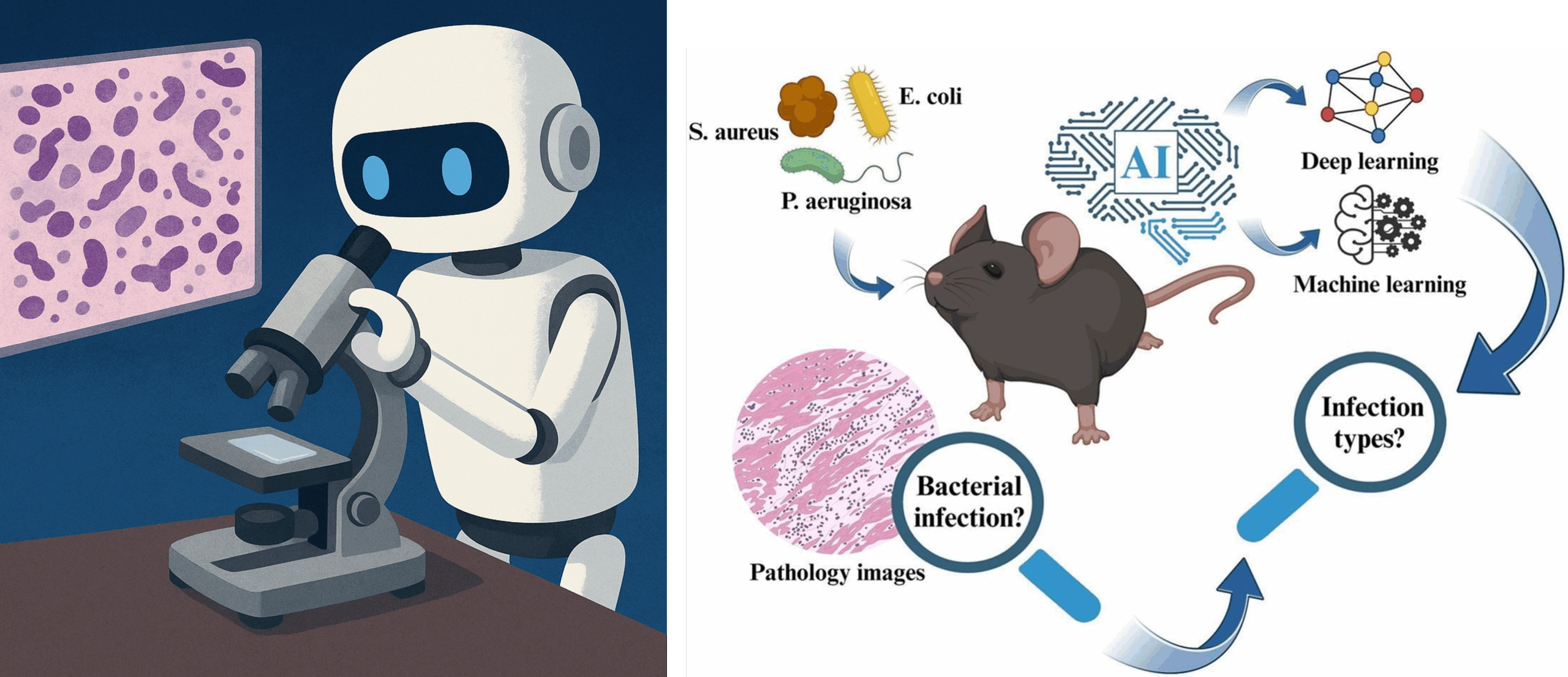
Title: Using pathology images and artificial intelligence to identify bacterial infections and their types Authors: Xinggong Liang, Gongji Wang, Zhengyang Zhu, Wanqing Zhang, Yuqian Li, Jianliang Luo, Han Wang, Shuo Wu, Run Chen, Mingyan Deng, Hao Wu, Chen Shen, Gengwang Hu, Kai Zhang, Qinru Sun, Zhenyuan…

Scientists expand the current toolbox for good quality control measures of our protein-based treatments by adding a single small molecule to enhance protein structure tracking.

Exosome-Packed Sensors Revolutionize Early Detection of Alzheimer’s and Brain Health Monitoring
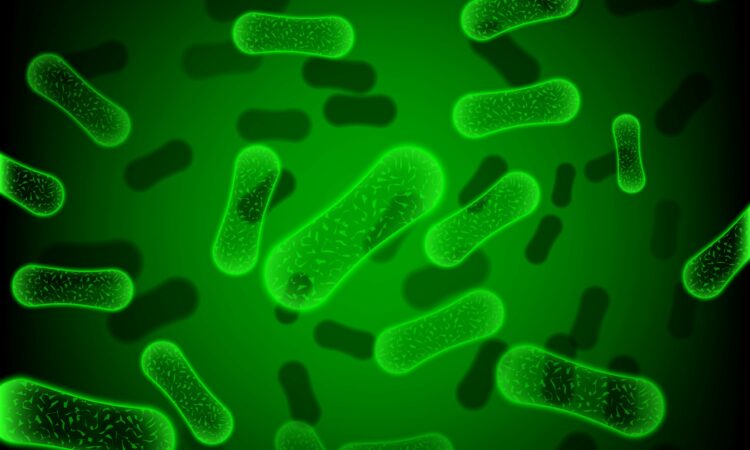
Title: A New Tool to Attack Biofilms: Driving Magnetic Iron-oxide Nanoparticles to Disrupt the Matrix Authors: Jie Li, Rachel Nickel, Jiandong Wu, Francis Lin, Johan van Lierop and Song Liu Journal: Nanoscale Year: 2019 Featured image adapted from an AI image generator source and Li et…
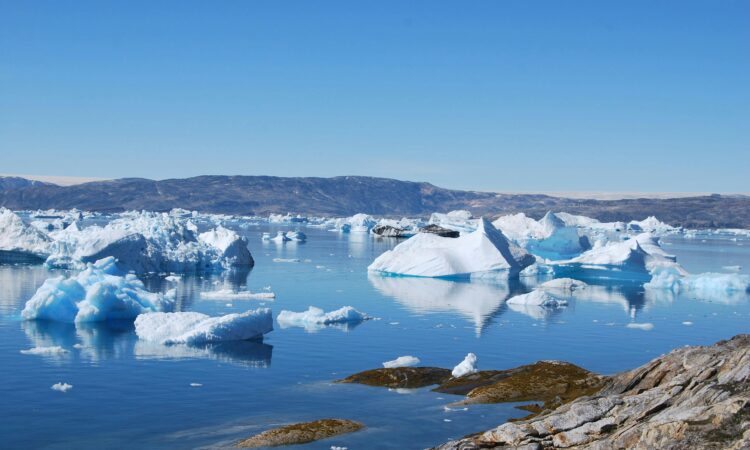
This source of greenhouse gasses could act as an important feedback as the arctic warms.

Zebrafish may help clinicians find the most effective chemotherapies for patients.

Article Title: New sustainable polymers and oligomers for Cultural Heritage conservation† Authors: Damiano Bandelli, Rosangela Mastrangelo, Giovanna Poggi, David Chelazzi and Piero Baglioni Year Published: 2024 Journal: Chemical Science Article DOI: https://doi.org/10.1039/D3SC03909A Cover image credit: RichardMcCoy Paintings, murals, and other pieces of art held in museums…

Article: Exploration of Vitamin B6-Based Redox-Active Pyridinium Salts Towards the Application in Aqueous Organic Flow Batteries0 Authors: Anton A. Nechaev, Gabriel Gonzalez, Prachi Verma, Vsevolod A. Peshkov, Anton Bannykh, Arsalan Hashemi, Jenna Hannonen, Andrea Hamza, Imre Pápai, Kari Laasonen, Pekka Peljo, & Petri M. Pihko Journal:…

Title: Potential Antimicrobial Properties of Coffee Beans and Coffee By-Products Against Drug-Resistant Vibrio cholerae Authors: Anchalee Rawangkan, Achiraya Siriphap , Atchariya Yosboonruang , Anong Kiddee , Grissana Pook-In, Surasak Saokaew, Orasa Sutheinkul and Acharaporn Duangjai Journal: Frontiers in Nutrition Year: 2022 Featured image adapted from an…

As our planet warms, understanding carbon in the arctic is crucial.
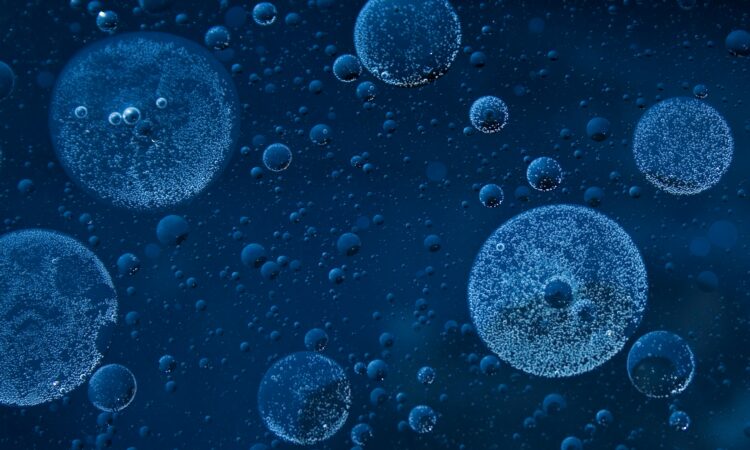
In their quest to replicate a biological cell, this group of researchers have successfully engineered a system complete with a ‘nuclear’ and a ‘cytoplasmic’ compartment! Moreover, it allows macromolecules to shuttle between the compartments, replicating a key biological functionality.

Most commercial dark chocolate combines the fruit from the cocoa nut with sugar from sugar beets. But now, Swiss scientists show how we can use the outer layer of the cocoa pod to sweeten our delectable treat.

Sulfate formation is about more than just SO2!
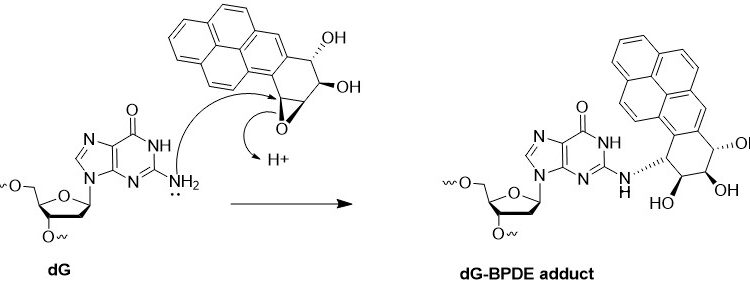
Single-nucleotide resolution
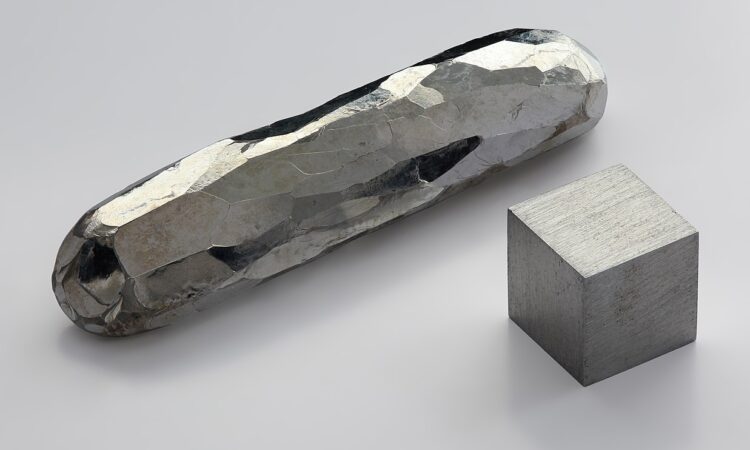
Article title: Effects of Heavy Metal Co-Exposure on the formation of DNA Adducts from Aristolochic Acid I: Implications for Balkan Endemic Nephropathy Development Authors: Chun-Kit Au, Stefan Nagl, and Wan Chan Journal: Chemical Research in Toxicology Year: 2024 Cover image credit: Alchemist-hp Aristolochic acid increases the…

Repurposing the Inverse Electron Demand Diels Alder chemistry to create robust DNA-based devices that operate effectively within living cells.
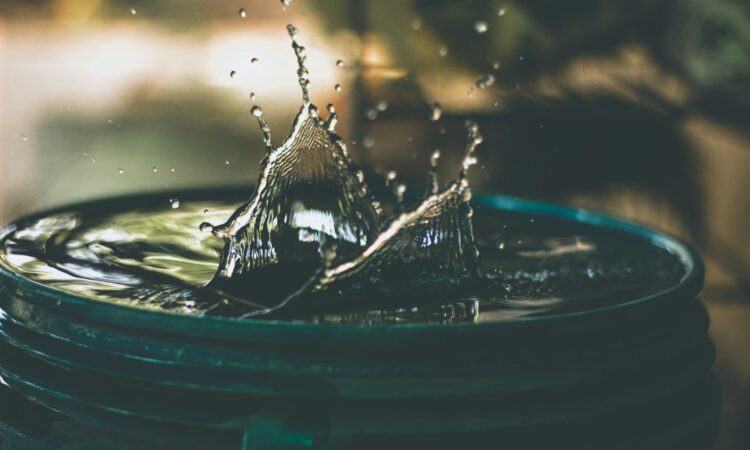
Zinc oxide nanoparticles offer a potential solution to mitigate biofouling in ultrafiltration membrane systems.
