-
-
cover image
-
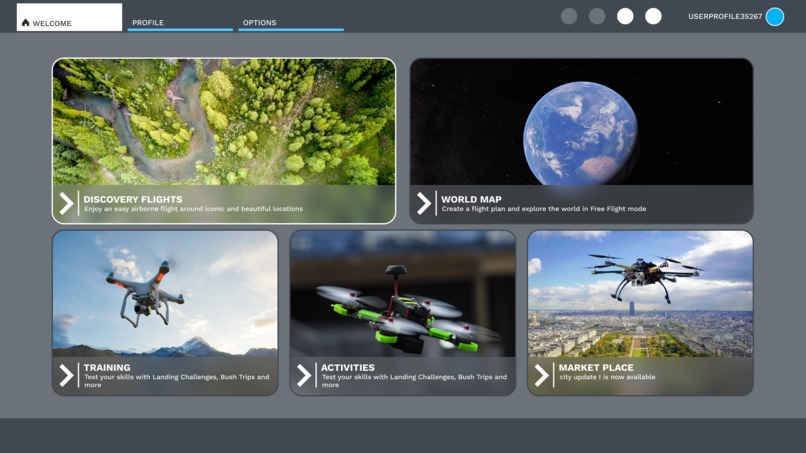
homescreen of the drone.fm app
-
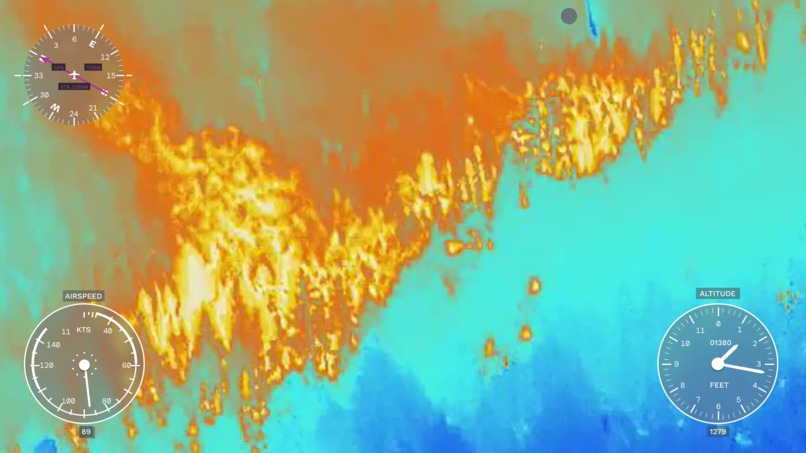
a UI prototype of a drone surveying a wildfire site with the drone.fm app
-
Drone.FM logo_black


Inspiration
Drone.FM was inspired by drone piloting, video game flight simulators and the advancements in machine learning and computer vision. There are also many Indigenous communities affected by wildfires in B.C., as they often live in close proximity to forests and depend on the land for their culture, livelihoods, and well-being. We wanted Drone.FM to improve the information on wildfires in indigenous communities by creating a better relationship between fire centres and local leaders.
What it does
Drone.FM uses video game interfaces and leaderboards to improve data collection in wildfire management. We want to introduce the concept of game ranking leaderboards to the firefighting drone industry in order to increase the frequency of data collection and information about the health of our forests and wildfires. By ranking wildfire drone pilots and giving them flight log data, they can see how well they are surveying the forests and possibly be motivated to consistently fly their drones for improved data collection to train detection models. The more climate and vision data we can collect from drone pilots, the better the system can predict future wildfires and assist fire centres, local communities to predict, respond to and control the spread of forest fires.
How we built it
Drone.FM is currently an idea developed with a business strategy and UI prototype. There is no technical development on the project, but we have a general understanding of how machine learning, computer vision and atmospheric data can provide a framework for building our proposed fire management system. we designed our interfaces in Figma. In notion, we developed our business research and value proposition. Bing chat was helpful in gathering data for our charts and historical information included in the pitch deck. A spreadsheet was built to analyse our market strategy with excel. The presentation was recorded on two devices. The audio was recorde on an android phone and the video and Figma demo screen-recorded with OBS streamlabs. Final video and audio was edited in Aftereffects.
Challenges we ran into
Finding team members, especially for technical development was not possible with a late entry into the challenge. Developing for an emerging technology can also be difficult as most of the required expertise involves highly technical research.
Accomplishments that we're proud of
Competing in a hackathon, as a solo designer, for the first time. Drone.FM is also happy to have contributed an idea as part of the solution to the developing nature of the effects of climate change on wildfires in forests.
What we learned
The local indeginous communities will benefit from a system that increases collaboration with fire centres and local leaders. The effects of climate change, residual CO2 from the industrial era and increasing temperatures are making forest wildfires harder to fight. Climate change affects wildfires by exacerbating the hot, dry conditions that help these fires catch and spread. As global temperatures rise, we expect the size, frequency and severity of wildfires to increase in the years ahead.
What's next for Drone.FM
In building our MVP, we see a collaboration between environmental scientists, computer vision engineers and indigenous local leaders to help inform our specialised drone fire fighting application. We believe with an initial public or private investment, we can build our MVP in 6 to 12 months and grow the necessary data collection, where we can start helping local communities and fire centres manage wildfire events.
Built With
- adobe-creative-suite
- bingai
- figma
- notion
- powerpoint



Log in or sign up for Devpost to join the conversation.