-
-
PICO's Cosmic Journey - A minimalistic space-flight game where you steer a tiny space probe named Pico with just finger taps.
-
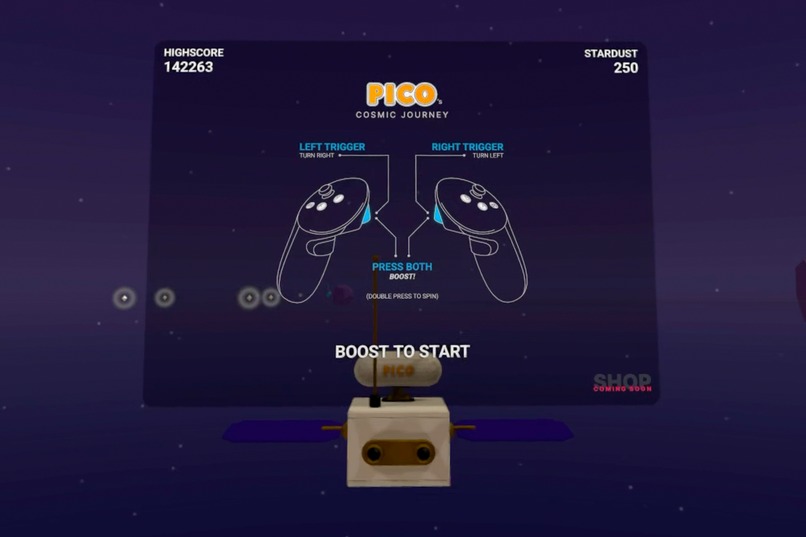
Splash Screen - Control PICO with your Index Finger - Tap both to START GAME or Boost / 1x Tap to steer L or R / 2x Tap for Spinning L or R
-
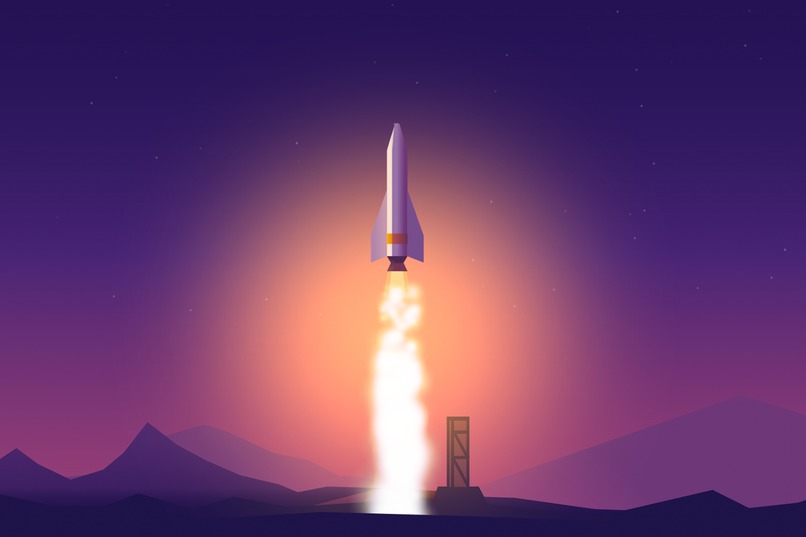
Story - In 2025 the Terran Space Agency (TSA) started the PICO mission to explore the moons of Jupiter.
-
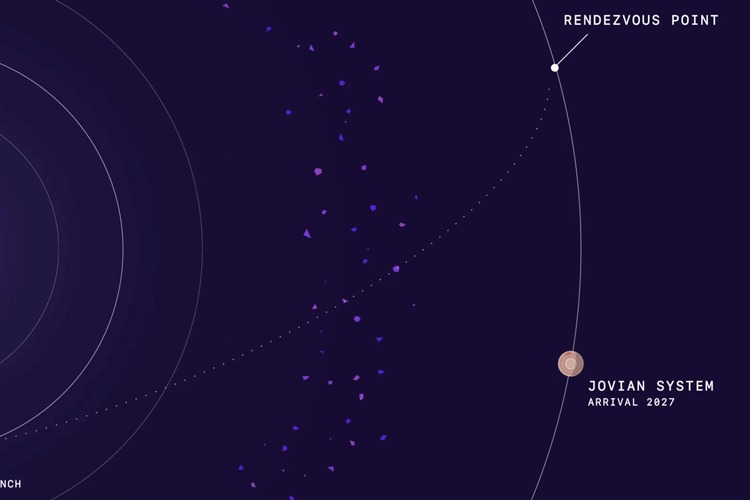 GIF
GIF
Story - On it’s way to the Jovian system the PICO probe went off course and headed into the Asteroid belt — But why?
-
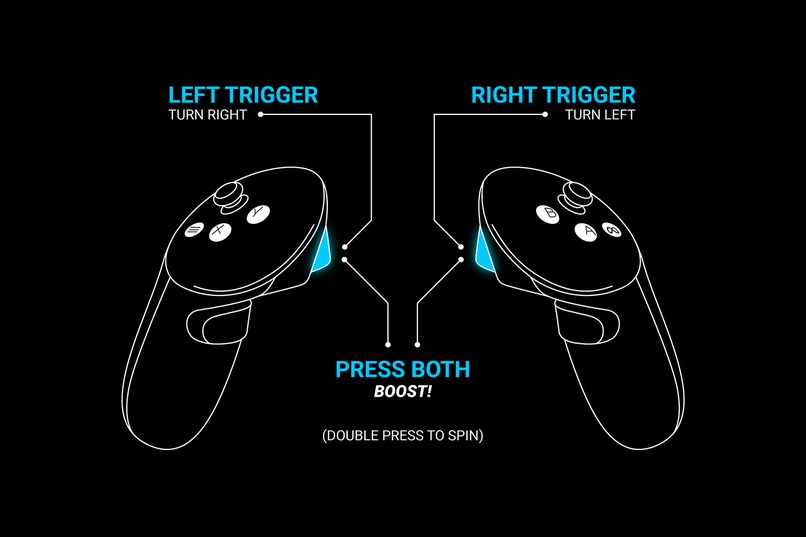
Control PICO with your Index Fingers — Tap both to START GAME or Boost / 1x Tap to steer L or R / 2x Tap for Spinning L or R
-
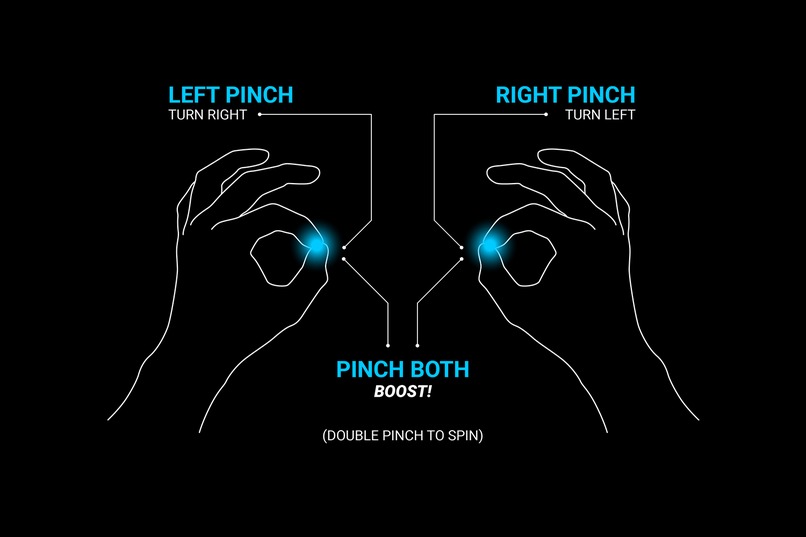
Control PICO by Pinching — Hand Control Instruction Screen
-
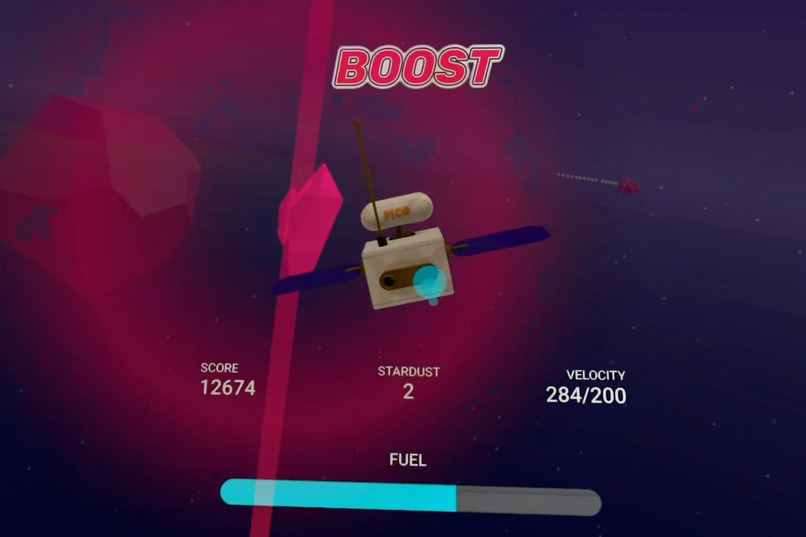
Mid-Game Action Shot: Boost Rock collected! From here you're only getting faster, watch your speed!
-
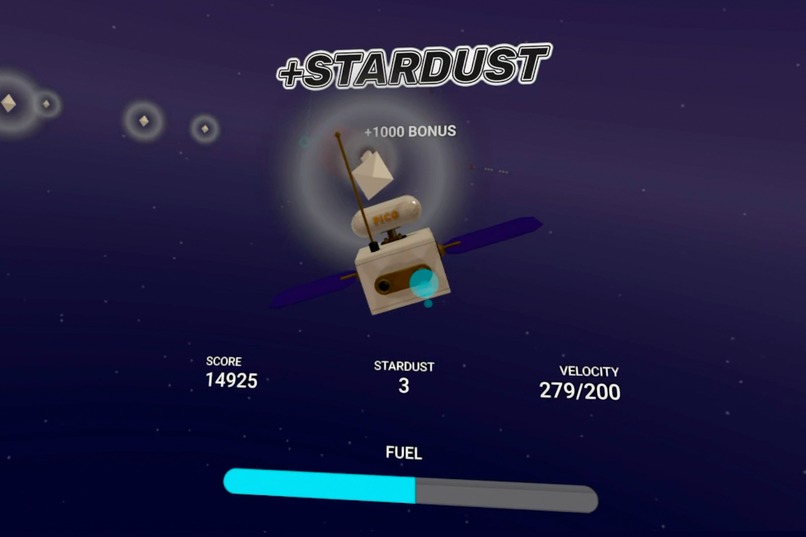
Stardust Collected — catch these bonus items to redeem them for gems in the asset store.
-
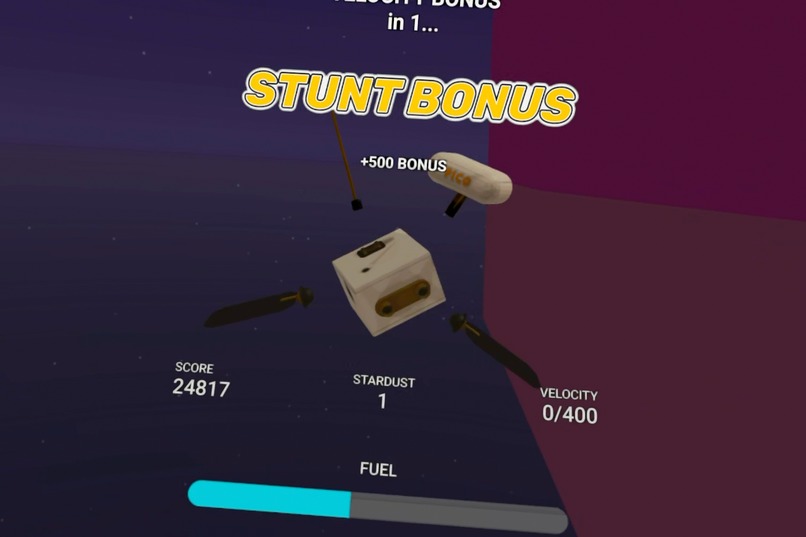
Whoops! That was a nice stunt with a bonus, but it cost you your new highscore — Game Over
-
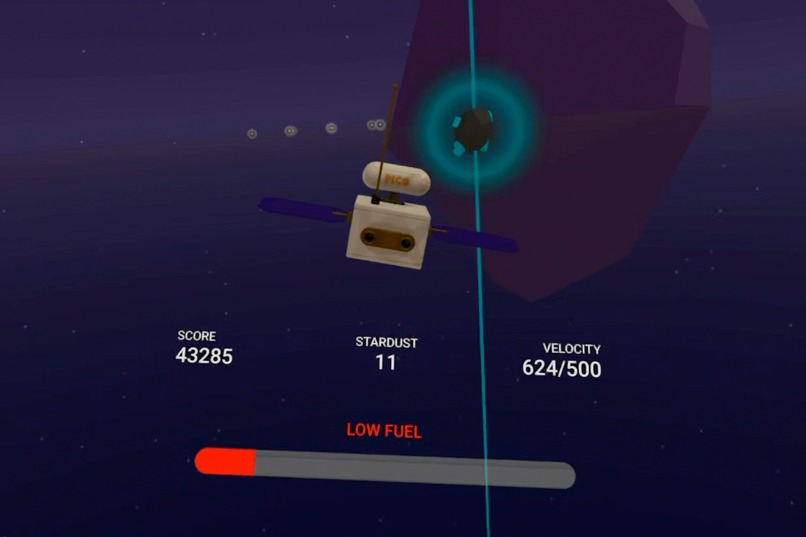
Mid-Game Action Shot: Better catch that fuel, before running out!
-
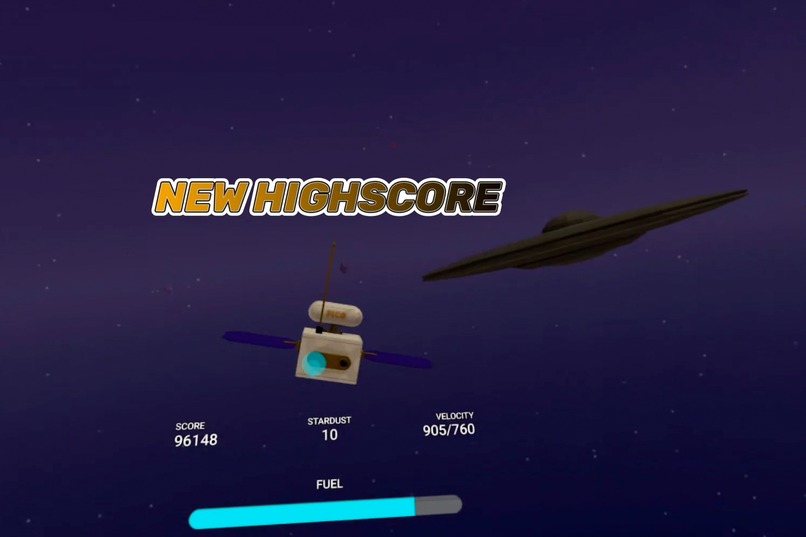
New Highscore - Action Shot with UFO
-
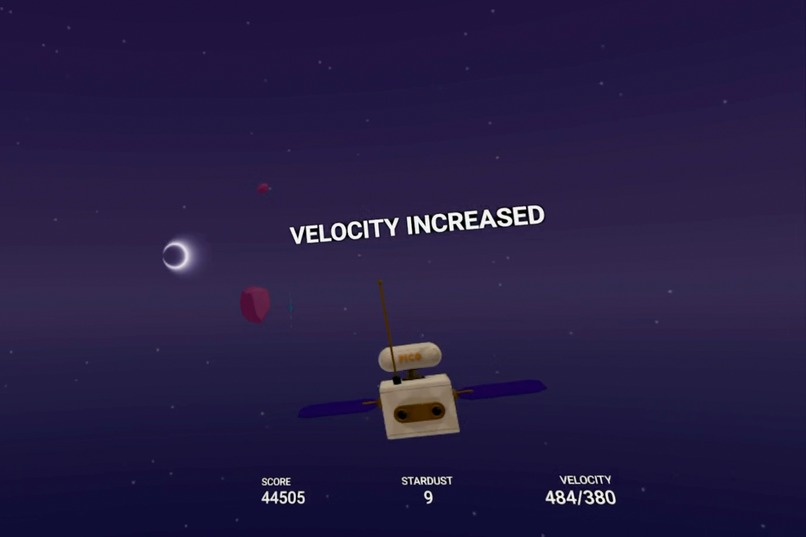
Cruise Velocity Increased – from here you're only getting faster
-
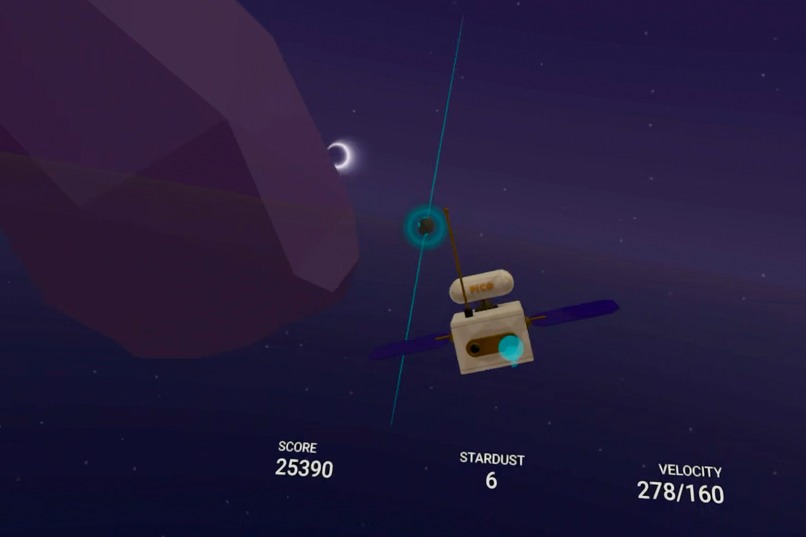
Mid-Game Action Shot: Catching a Fuel Rock behind an Asteroid with a Slingshot Maneuver
-
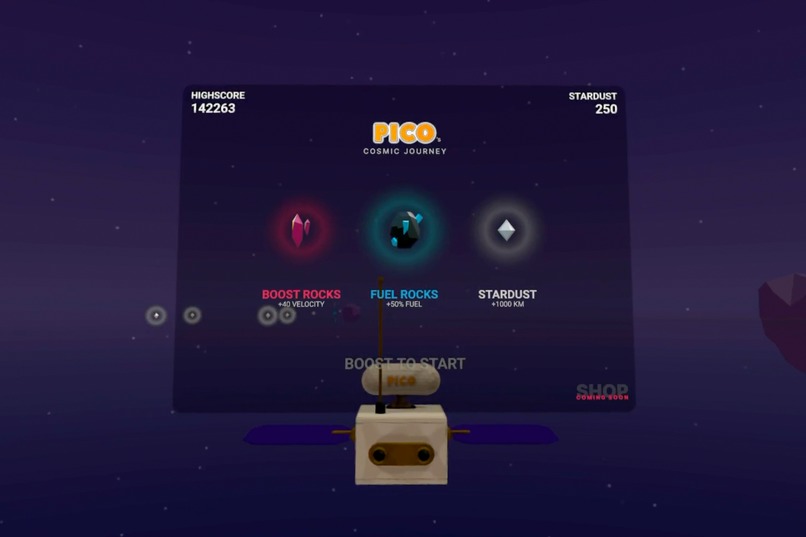
Splash Screen - Items Introduction
-
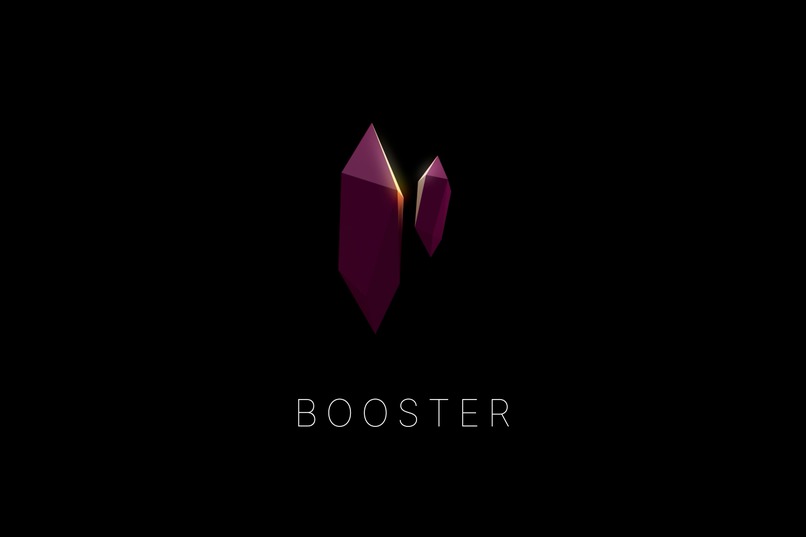
Catch Boost Rocks to Accelerate your trip — make sure to catch them, they are quite rare!
-
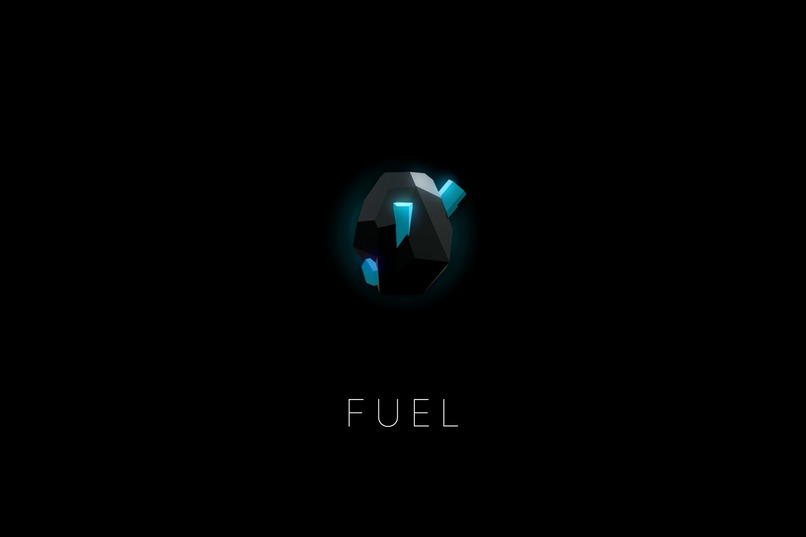
Catch Fuel Rocks to extend your journey
-
Stardust gives you bonus points and collect them to redeem them in a store to exchange them for additional assets
-
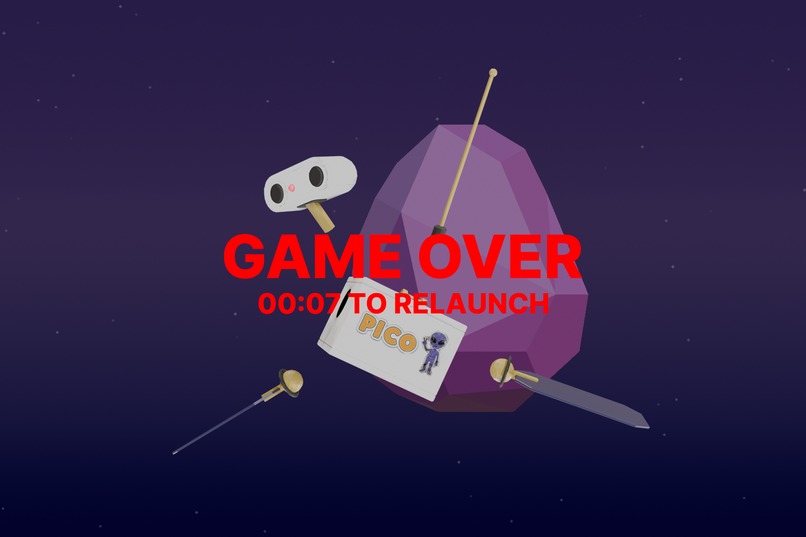
Game Over — 10 secs to restart
-
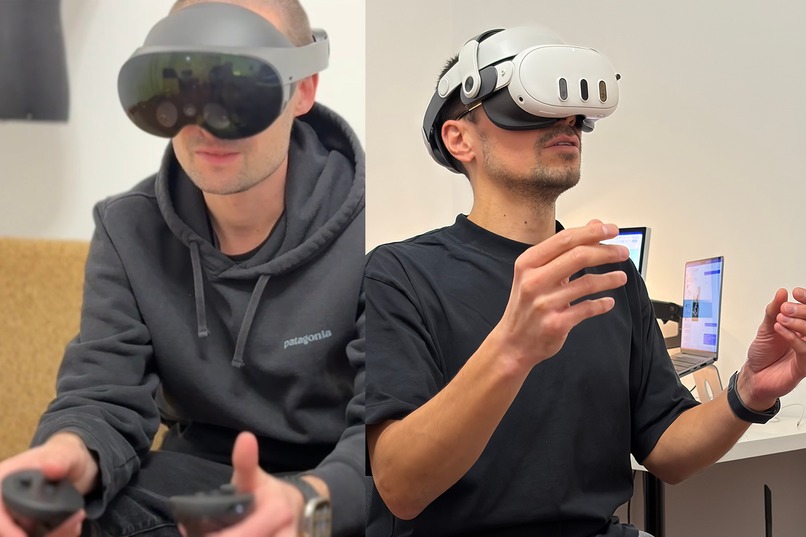
Testing — Meta Quest Controllers / Hand-Gesture Control


Inspiration
We’ve always been fascinated by the calm beauty of space — drifting asteroids, colorful nebulae, and the peaceful vastness of the universe. We wanted to capture that feeling in a simple, tactile game: something relaxing, minimalistic, and fun to play in spatial computing.
The submission is fully playable and tested on Meta Quest Pro and Meta Quest 3 devices via invite link.
Why we built a Casual Single Player Game, that works for Travel & Offline
We've developed this true open-world, endless-runner experience for the category "Gaming — Casual Games: Accessible, single-player games designed for quick, engaging fun." and specifically to be a seated experience (e.g. during travels in an ✈️ airplane, 🚅 train, any other travel where remaining seated or having downtime 🧘). Guaranteed relaxation with occasional twists, also when offline.
We felt that spatial computing currently lacks simple, tactile, meditative games that work offline and can be enjoyed while seated — especially during travel or downtime. While researching existing Meta Quest experiences, we also noticed there were no truly open-world, borderless environments where players can freely roam and drift without restriction.
We wanted to fill that gap.
PICO’s Cosmic Journey was designed as a calm, endless space to explore — a world without edges, pressure, or goals beyond the joy of flying. The game embraces minimal controls, smooth physics, and a peaceful audiovisual style to create a relaxing “flow” experience that feels uniquely suited for spatial computing.
The game runs fully offline with zero dependency on network calls, making it perfect for flights, travel or seated downtime.
What it does
PICO's Cosmic Journey is a minimalistic space-flight experience built with the Meta Spatial SDK. Players steer a tiny probe through a stylized universe using intuitive right & left index finger-tap controls: Tap to thrust left or right — Double-tap to spin — Accelerate by using both index fingers.
Navigate gravity fields for speed boosts, collect glowing fuel rocks to extend your flight, and drift through nebulae and asteroid clusters — all set in a calm, ambient audiovisual atmosphere. It’s a relaxing, flow-focused spatial game designed for pure, meditative fun.
It's only getting faster and faster, there is no way back 🛰️💨 Watch out to catch enough fuel to extend your journey as long as possible ⚡️⚡️⚡️
Why Spatial Computing Makes This Game Better
- Can be played with natural hand-tracking, which enhances the immersion in this game
- 3D distance + depth perception enhances navigation of gravity fields
- The seated mode makes it ideal for travel or confined spaces
Controls
| 🎮 Index Finger / Pinch | 👆 Action |
|---|---|
| Tap Both | ⚡ Boost forward / Start Game |
| 1× Tap Left | ↪️ Steer right |
| 1× Tap Right | ↩️ Steer left |
| 2× Tap Left | 🔄 Spin right |
| 2× Tap Right | 🔄 Spin left |
| A | 📷 Switch Camera |
How we built it
We built the game using Android Studio and the Meta Spatial SDK 0.8.1 for hand-tracking, physics, and spatial interactions. 3D assets such as asteroids, energy rocks, and the probe were created and animated in Blender. We integrated custom physics for gravity fields and movement, added spatialized sound effects, and designed a lightweight game loop with intro and end screens. For the main-game music track and SFX we've used the Eleven Labs platform.
In short: interaction logic → physics → visuals → audio → polish.
Technical Credits & Software: Android Studio, Meta Spatial SDK 0.8.1, Meta Spatial Editor, Meta Quest Developer Hub, Blender, Adobe Creative Suite, Eleven Labs
Further Inspiration, Ideation and Concept
We've started ideating and creating concepts on November 13th, 2025 and started on the next day to develop the game.
A major inspiration for the game comes from our fascination of the elegant orbital mechanics used by real space probes. To reach distant destinations, probes often perform gravity-assist slingshot maneuvers, using the gravitational pull of planets or moons to gain speed and change trajectory.
One real-world aerospace example that inspired us is the maneuver around Ganymede, one of Jupiter’s moons, showcased in this video: https://youtu.be/Fw17N3rdN7s?si=sJUtNe3N_xbf5O94
We wanted to capture the feeling of these precise, almost dance-like gravitational interactions — and turn them into a tactile, meditative gameplay mechanic. In PICO’s Cosmic Journey, players recreate these slingshot arcs intuitively with simple finger taps, drifting through gravity fields to gain speed, boost their trajectory, and navigate deeper into the asteroid belt.
Challenges we ran into
- Tuning the probe's flight physics to feel smooth, responsive, and fun
- Balancing gravity boosts so they feel helpful but not chaotic
- Making asteroid behavior predictable yet natural
- Optimizing performance with multiple objects in the scene
- Getting hand-tracking input and finger-tap recognition consistent
Easter Eggs & Game Asset Occurrences
- UFO's
- Planet Ceres
- Moon
- Spin PICO
- Bonus Points (Gems, Stunts, Close Calls)
Bugs & Issues we encountered but found solutions to solve them
- Black-flickering rendering glitches with far away 3D Objects in the Environment in Android Studio (in our case it was the UFO) https://forum.defold.com/t/black-areas-flickering-in-my-android-app-solved/70781 This seems to be a known issue in Android Studio and we've adjusted the texture, so it appears eventually stable.
- Sometimes the game crashed unexpectedly which we've associated with the management of instancing objects and deleting them as soon as they are behind PICO — clearing all race conditions fixed this issue.
Accomplishments that we're proud of
We’re proud that we solved and polished the physics challenges to detail, got our core gameplay loop working smoothly, and brought our stylized space world to life. Creating a fully functional spatial game in a short hackathon timeframe is something we’re genuinely excited about. We put lots of emphasis on having a consistent style throughout the whole game, starting from the name, onboarding, logo, assets and overall visualizations in the game.
Implemented dynamics to challenge players
- Catch Stardust for Bonus Points, which you shall be able to redeem in an upcoming Asset Store
- Catch Fuel Boosts for longer journey times
- Catch Boost Rocks to increase your cruising velocity
Beating Highscores — Testing it our own, with friends & colleagues
Over the time of the development progress in the recent 4 weeks we've noticed that it was more and more fun to play with and tested it with a few friends and colleagues. The increased skill after playing a few times to perfect slingshot maneuvers to catch items with lots of speed even behind asteroids was something we've noticed that people enjoyed. Also the introduction of the fields of objects provided a rewarding feeling to many testers. The increasing speed over time without flying into asteroids was also something challenging and fun for our test players that triggered the feeling to beat your own highscore.
Highscore
The current highscore of one of our amazing testers is 400276 — must've felt like warp speed! 🛰️🙌✨
What we learned
We learned how to build a game end-to-end with Android Studio and the Meta Spatial SDK, including gesture input, spatial physics, and rendering. We also deepened our knowledge in Blender asset workflows — and surprisingly, even learned more about orbital motion, gravity, and the dynamics of space. We got to know the Meta Spatial Editor and its function and spectrum of features in further details. Also the experience and process on how to publish the game via Meta Quest Developer Hub was a learning for us.
What's next for PICO's Cosmic Journey
During testing we've noticed that the game controls and dynamics would be inviting to port the game for other platforms like mobile.
We also plan to expand the experience with:
- A global leaderboard
- Multi-Player Support
- More collectible items and power-ups
- New game assets like comets, space debris, or wormholes
- Additional mechanics such as speed zones or challenges
- More ambient environments for long-form “space drifting”
- A store where you can redeem your bonus points that you collected via Stardust items
- Badge collection for your skill-ups
Built With
- android
- android-studio
- blender
- hand-gestures
- kotlin
- meta
- metaspatialeditor
- metaspatialsdk


 Nov 19th - Updating Pico (Blender)


Log in or sign up for Devpost to join the conversation.