-
-

Landing Page
-
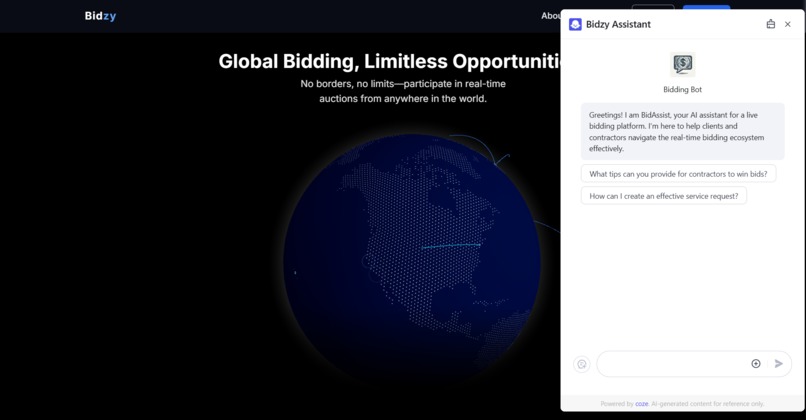
AI Chatbot
-
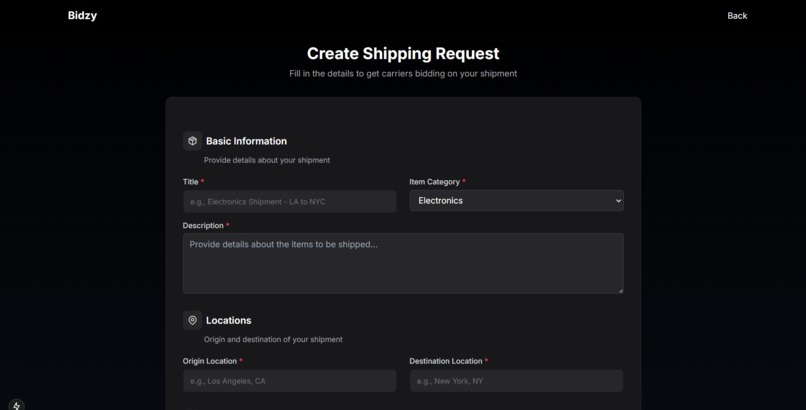
User can create bids here
-
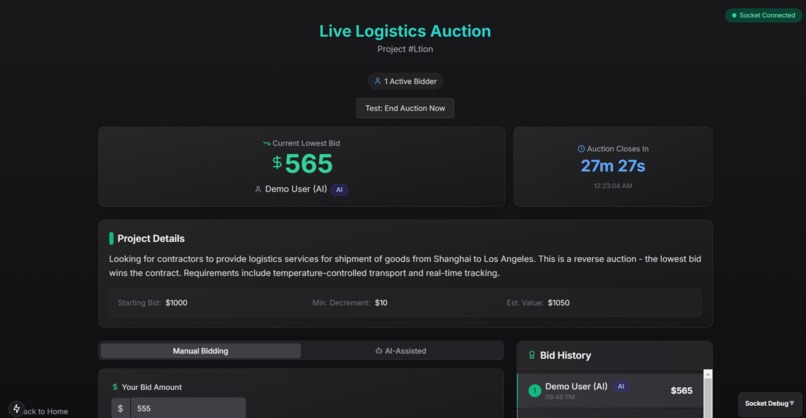
Live Bidding Page
-
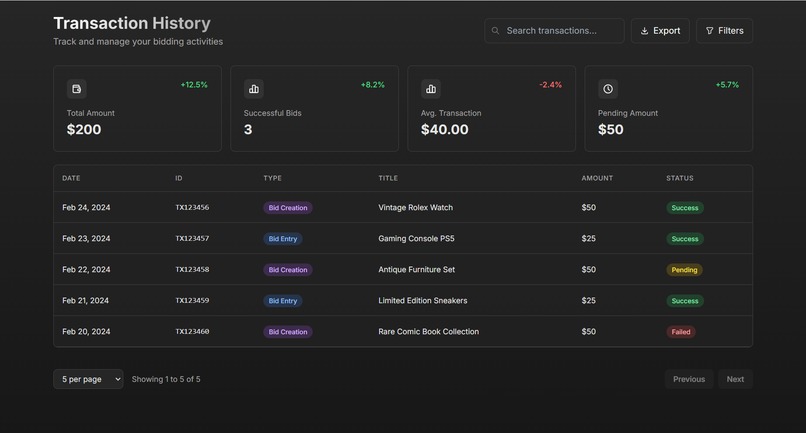
User History
-
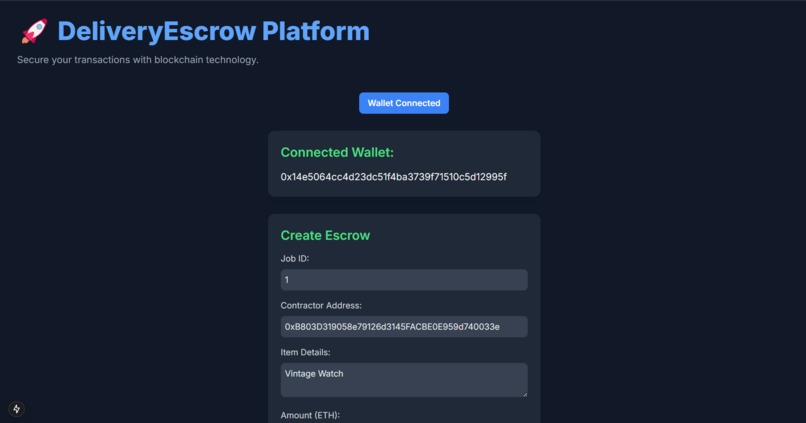
Smart Contracts
-
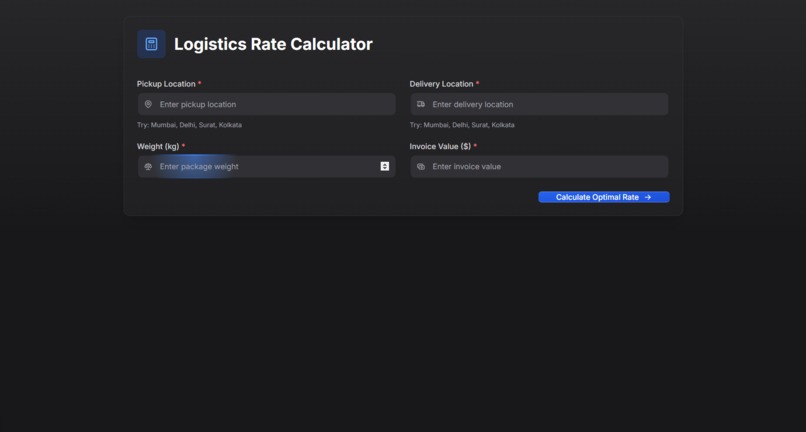
AI Price Calculator


About Bidzy - Global Shipping Marketplace
Inspiration
The logistics market is broken — opaque pricing, poor fleet utilization, and missed opportunities are bleeding value from both sides. Inspired by the dynamics of financial markets and the efficiency of real-time trading platforms, Bidzy introduces a high-frequency bidding system that flips the script.
Clients lock in the best shipping rates through a live, competitive auction.
Logistics providers increase fleet efficiency and maximize profit margins by securing more jobs at optimal rates.
Market-driven transparency ensures fair pricing and better decision-making for both parties.
Bidzy isn’t just another shipping platform — it’s a dynamic marketplace that turns logistical chaos into a structured, profit-maximizing opportunity.
What we Learned
Building Bidzy taught me invaluable lessons about:
- Real-time technologies: Implementing Socket.IO for live bidding required a deep understanding of WebSocket connections, event handling, and state synchronization.
- UX for competitive environments: Designing interfaces that remain calm and usable during fast-paced bidding scenarios.
- Payment processing: Integrating secure payment flows while maintaining a smooth user experience.
- Logistics domain knowledge: Understanding the complexities of shipping requirements across different transport methods.
How we Built It
Bidzy was constructed using a modern tech stack:
- Frontend: Next.js with TypeScript for type safety and better developer experience.
- Styling: TailwindCSS for responsive, utility-first styling.
- Real-time communication: Socket.IO for bidding events and notifications.
- Authentication: NextAuth.js for secure user management.
- Database: Prisma ORM with PostgreSQL for data persistence.
- Deployment: Vercel for the main application and Railway for dedicated socket server.
The architecture follows a hybrid approach with server-side rendering for improved SEO and client-side interactivity for the dynamic bidding interfaces.
Architecture Diagram
Frontend : link Backend : link API: link
Challenges
The journey wasn't without obstacles:
- CORS configuration: Setting up proper cross-origin resource sharing between the main app and socket server proved particularly challenging when deploying to production.
- Race conditions: Managing concurrent bids required careful state management to prevent conflicts.
- Real-time data sync: Ensuring all users see the same bid information simultaneously across devices.
- Performance optimization: Reducing unnecessary re-renders during high-frequency bid updates.
Despite these challenges, the platform has evolved into a robust solution that simplifies shipping logistics for businesses of all sizes while creating new opportunities for carriers to optimize their routes and capacity.
Built With
- escrow
- eth
- express.js
- javascript
- mongodb
- nextauth
- nextjs
- node.js
- prisma
- railway
- react
- shadcn
- socket.io
- sol
- tailwind
- typescript
- vercel


Log in or sign up for Devpost to join the conversation.