-
-
analytics3
-
maps2
-
maps1
-
analytics1
-
analytics2
-
home2
-
home1


Inspiration
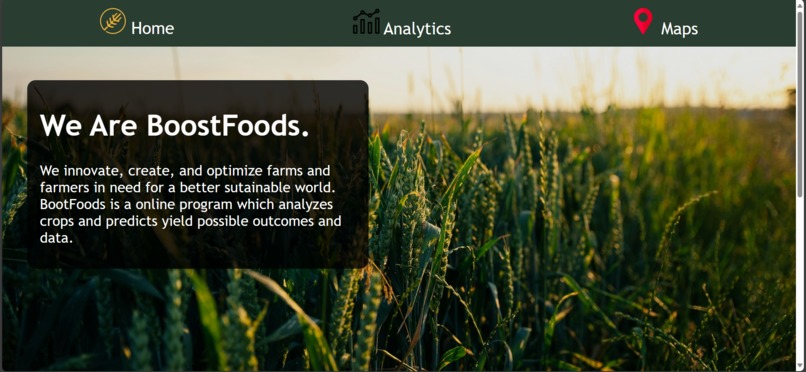
Farmers often have to switch out crops due to seasonal changes. Bad weather can cause delays in farming production, crop destruction, and thus, food shortage. To solve this problem, we made a product that recommends farmers the best crops to grow under particular weather conditions. As a result, they can provide high-quality food to their communities, optimize their farming resources, and not be hindered by weather conditions.
What it does
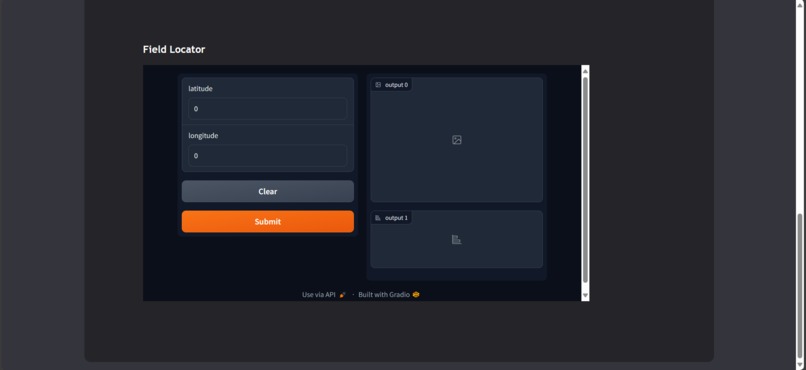
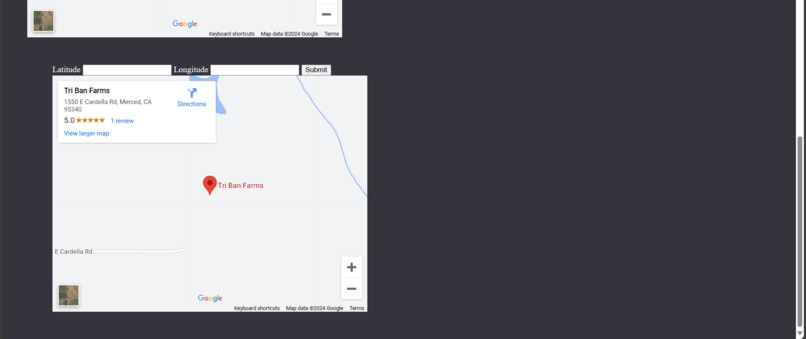
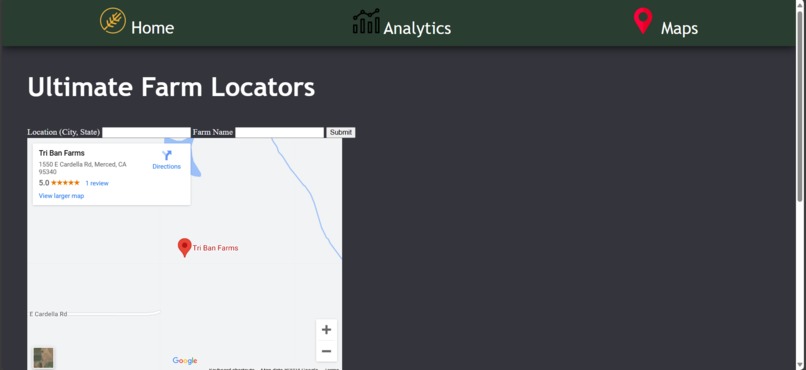
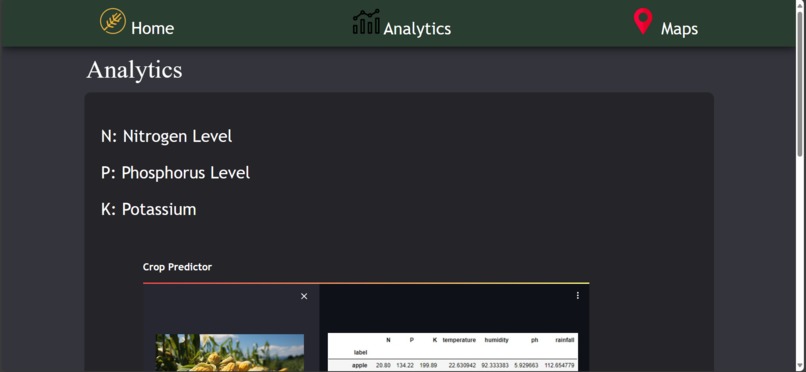
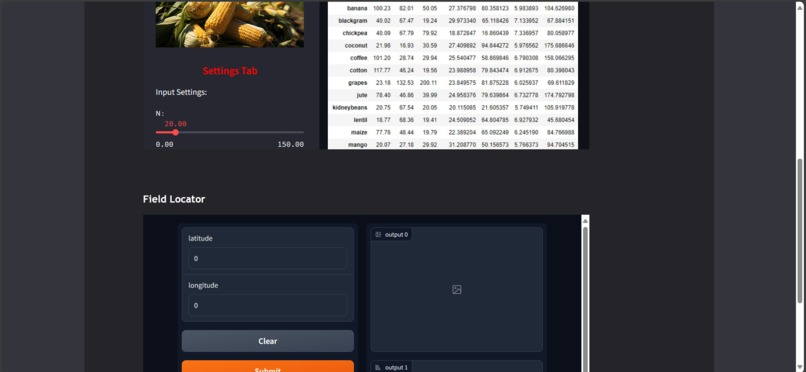
This website recommends the best crop to grow based on weather features such as precipitation and temperature in a local area. Users can adjust sliders that represent factors to crop yield, which reveals which crop is most optimal to grow in given conditions. Additionally, the Google Maps API is used to pinpoint a particular location in which they can grow their crop based on the weather at a specified latitude and longitude.
How we built it
We used the Google Maps API and the OpenWeather API to get a user's location and recommend them a crop to grow based on the weather at that location. We used MongoDB to host the database of crops and PyMongo to retrieve the database information in our Jupyter Notebook where we stored our analytics code. In that Jupyter Notebook, we used Pandas, Scikit-Learn, and a pre-trained Hugging Face model to create an ML model that can determine crop yield for a particular crop. We made the UI in vanilla HTML/CSS.
Challenges we ran into
Some challenges that we ran into were learning new technologies for this project, putting together everybody's code, and determining the scope/goal of our project. As time passed, we ran into several issues with debugging certain aspects of the project, which changed the course of our project's big picture. However, we decided on a final iteration of our tech stack, and stuck with it to create what we have now.
Accomplishments that we're proud of
We're proud of creating a ML model that can determine crop yield for crops based on temperature and precipitation, as well as fusing several technologies together to create a final product.
What we learned
We learned how to communicate with each other effectively to resolve issues, learned how to use various tools such as the docs, ChatGPT, as well as YouTube videos to guide us on the right path to complete our project.
What's next for BoostFoods
In the future, we plan to make our website cross-platform for mobile so that it's more convenient to access, check whether the specific latitude and longitude is a usable location to plant crops (meaning that there is open terrain to plant the crops), and add more features such as a crop management system to simplify the farming process so that food is delivered to communities in a shorter amount of time.


Log in or sign up for Devpost to join the conversation.