-
Logo
-
Sign in page
-
Feed page
-
Profile page


Inspiration
We wanted to develop an app that aims to connect individuals who share similar conditions or experiences, creating a platform where they can offer each other support and foster a sense of community. Additionally, we plan to incorporate a volunteering service within the app, providing users with the opportunity to take action and make a positive impact while using the platform.
What it does
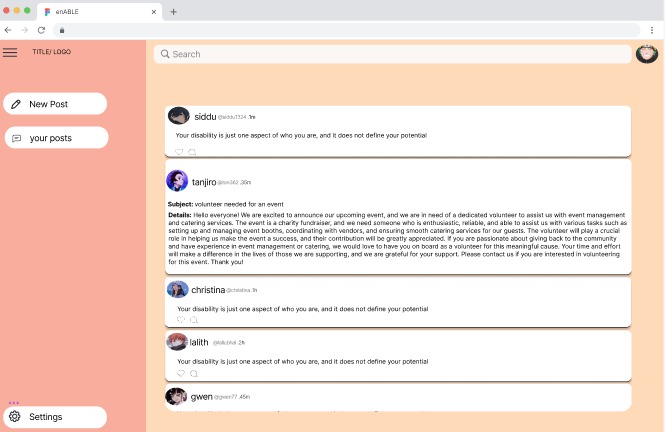
Our app aims to create a supportive community by allowing users to select and connect with others who share similar conditions or experiences in their local area. This platform will provide a space for users to share their feelings through posts, request assistance from volunteers, and ultimately combat the loneliness and sadness that individuals with conditions or disabilities often experience as the top reason.
How we built it
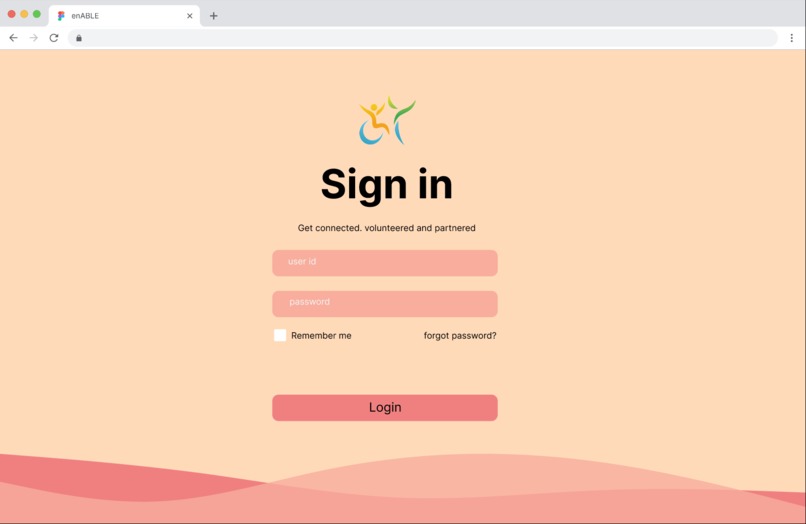
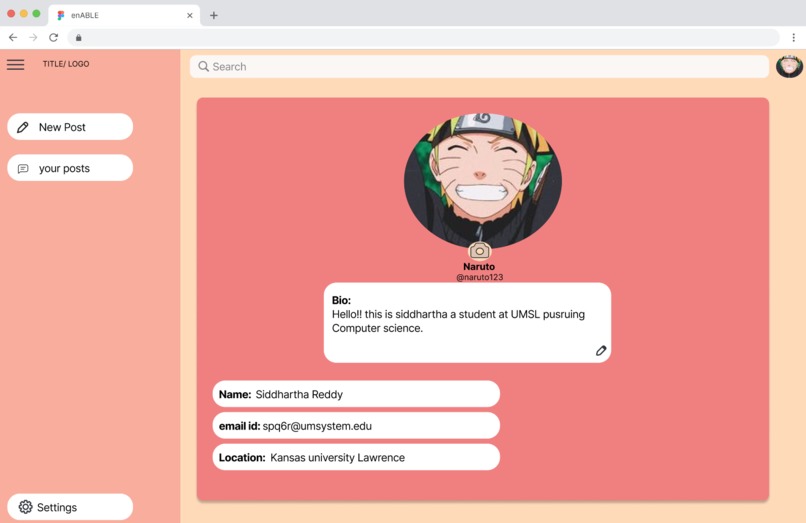
As a team, we decided to utilize Django as our backend framework due to its compatibility with Python, which none of our teammates were familiar/worked on it before. This presented a great opportunity to expand our skills in backend development using Python. We successfully established a connection between our backend and a mySQL database, and also developed HTML for our front-end views. In order to create a user-friendly interface and workflow, we utilized Figma to create mockups for the website's UI. This allowed us to visually design and plan the website's layout and functionalities.
Challenges we ran into
We faced challenges with the timeline during the hackathon as we underestimated the learning curve of working with new technologies, such as Django. This led to difficulties in linking our frontend work to the backend. Additionally, our team spent considerable time deciding on an idea to develop, which further delayed our progress. The time constraints of the hackathon format posed additional challenges, and we realized the need to limit the number of new technologies used in future projects. We also acknowledged the importance of promptly deciding on an idea to maximize development time.
Accomplishments that we're proud of
Despite the challenges we faced, we take pride in developing an idea that we believe can make a positive impact in the world. Although we were unable to fully integrate all the components, such as the database and frontend, into a working prototype within the given timeframe, we came close to achieving our goal. Each individual component was successfully built out, showcasing our team's skills and dedication. Despite not being able to submit a complete prototype, we remain enthusiastic about the potential of our idea and the opportunity to further develop it in the future.
What we learned
We gained valuable insights into the challenges of working with new technologies, which may initially seem simple but can be more complex than anticipated. Moving forward, we recognize the importance of carefully considering the scope of a project, as well as factoring in the additional time required to learn a new tech stack. We understand the need to strike a balance between learning and taking on challenging tasks, to ensure that we can make meaningful progress while also expanding our skills. These experiences have provided us with valuable lessons for future projects, and we are committed to continuously improving our approach to achieve successful outcomes..
What's next for enABLE
Initially, our priority is to make our app fully functional, ensuring that users can effectively connect with others and request support. Once the core functionalities are in place, we plan to focus on creating additional views that enhance user convenience. This may include a dedicated page that displays all of a user's requests and the available volunteers who are willing to help with those requests. By expanding the app with such features, we aim to provide a seamless and user-friendly experience, allowing individuals to easily manage their requests and connect with volunteers for assistance.


Log in or sign up for Devpost to join the conversation.