-
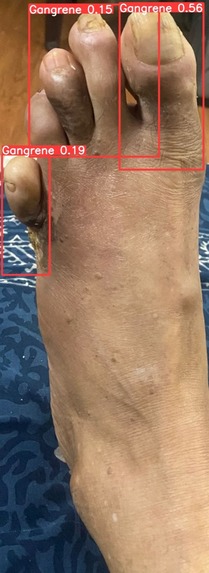
Prediction 1
-
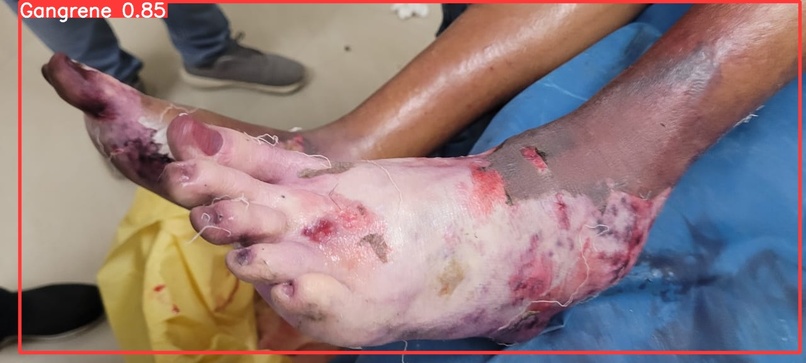
Prediction 2
-
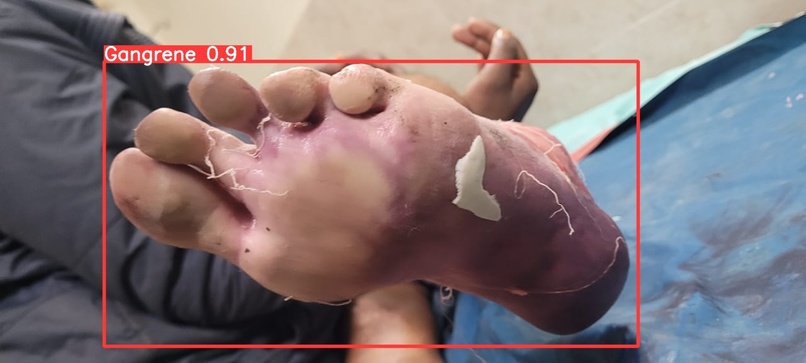
Prediction 3


Gangrene Detection Project
Inspiration
The inspiration for this project came from the desire to address a critical medical condition that often goes undiagnosed until it is too late. Gangrene, a condition characterized by the death of body tissue due to a lack of blood flow or a severe bacterial infection, poses a significant threat to patients if not detected early. Early detection can prevent severe complications, including amputation and death. With advancements in machine learning and image processing, I saw an opportunity to develop a tool that could assist healthcare professionals in identifying gangrene at an early stage.
What I Learned
Throughout the development of this project, I gained invaluable insights into several key areas:
- Medical Imaging: Understanding the different types of medical images used for diagnosing gangrene and the importance of accurate data collection.
- Image Processing Techniques: Learning about various preprocessing methods, such as grayscale conversion, histogram equalization, and segmentation.
- Machine Learning and Deep Learning: Gaining hands-on experience with algorithms like Support Vector Machines (SVM) and Convolutional Neural Networks (CNNs) for image classification.
- Model Evaluation: Understanding the significance of metrics like accuracy, precision, recall, and F1 score in evaluating the performance of detection systems.
Building the Project
Data Collection
- Medical Imaging: Collected images from publicly available medical datasets and collaborated with healthcare professionals to gather real-world data.
- Annotations: Labeled the images accurately with the help of medical experts to ensure the dataset's reliability for training purposes.
Image Processing and Feature Extraction
- Preprocessing: Applied techniques such as grayscale conversion, histogram equalization, and image segmentation to enhance image quality.
- Feature Extraction: Focused on color and texture analysis to identify patterns associated with gangrene.
Model Development
- Machine Learning Models: Implemented SVM for initial classification tasks.
- Deep Learning Models: Developed a Convolutional Neural Network (CNN) to improve accuracy and handle complex image recognition tasks.
User Interface
- Mobile App: Created an Android application to enable healthcare professionals to capture images and get real-time analysis.
- Web Interface: Developed a web platform for uploading images and receiving diagnostic results.
Challenges Faced
- Data Quality and Quantity: Obtaining a sufficient amount of high-quality, annotated medical images was challenging.
- Model Training: Ensuring that the models were trained adequately without overfitting required careful tuning and validation.
- Accuracy: Achieving a high level of accuracy was difficult due to the variability in image quality and the subtle differences between healthy and affected tissues.
- User Interface: Designing an intuitive and user-friendly interface that could be used by healthcare professionals with varying levels of technical expertise.
Conclusion
The gangrene detection project was an enriching experience that combined my passion for technology with a meaningful cause. By leveraging machine learning and image processing, I was able to contribute to a tool that has the potential to save lives and improve patient outcomes. The challenges faced during the project provided valuable learning opportunities, and the knowledge gained will undoubtedly be beneficial in future endeavors.
Built With
- deep-learning
- keras
- python
- yolo


Log in or sign up for Devpost to join the conversation.