-
-
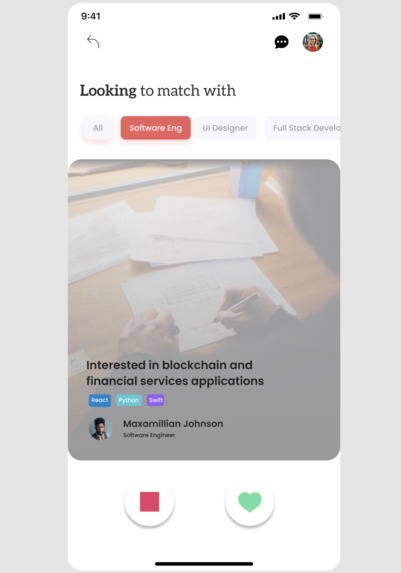
Swipe to connect with hackers
-
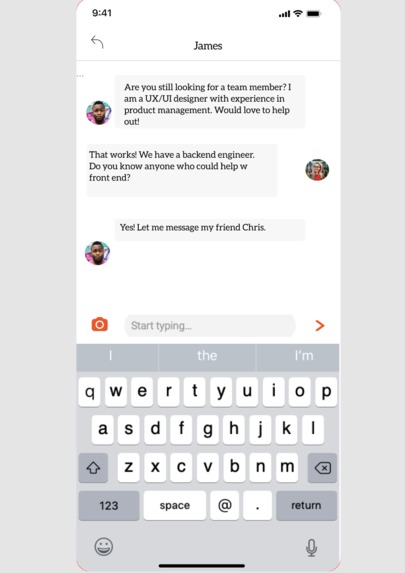
Communicate with your team
-
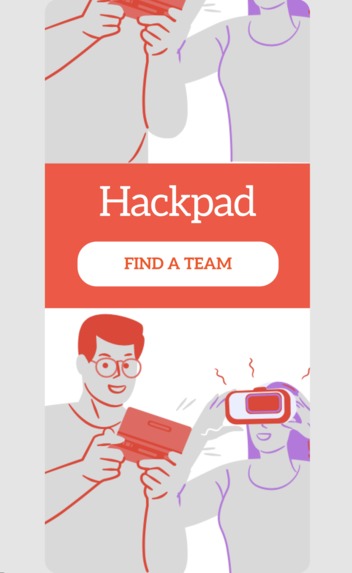
HackPad home screen


Inspiration
During this online hackathon, we were inspired by hackers hacking remotely together from all over the world. Compared to in-person hackathons, there was one core challenge: the ability to connect effectively with other hackers.
What it does
HACKPAD emphasizes the global nature of online hackathons. Hackathon participants use HACKPAD to create a hacker profile, after which they browse through hackers' profiles one by one. Each profile includes their description, skills and interests. HACKPAD is distinctive as users swipe left or right to either move on to the next hacker, or see more information about that hacker.
How we built it
We divided our our application into two parts: the front end UI, the back end database, and prototype. The front end UI was developed using Figma and UX design principles. The back end was managed using MongoDB. The prototype was made using the AppSmith SDK
Challenges we ran into
Initially, data management was a challenge. The team took on the additional challenge of choosing to use Appsmith, a tool we had not used prior to HackSC, to build the web app, since Appsmith offered the most features and flexibility towards our ultimate vision of connecting people.
Accomplishments that we're proud of
We learned how to rapidly prototype using AppSmiths interface. We also learned how to make calls to MongoDB from the AppSmith SDK.
Future Features
In the future, HACKPAD can be even more collaborative and intuitive by create a more secure user system using Firebase and implementing UI with backend functionality. New features could be added, including location data and social media data using appropriate APIs
What's next for HACKPAD
To further our goal of connecting hackers across the world, HACKPAD's next step would be adding an interactive map showing the locations of your hackathon team members.
Built With
- appsmith
- css
- html
- javascript
- mongodb


Log in or sign up for Devpost to join the conversation.