-
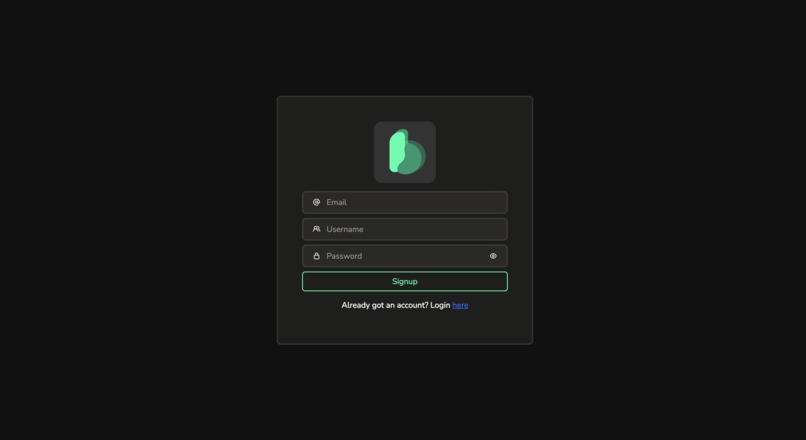
Register
-
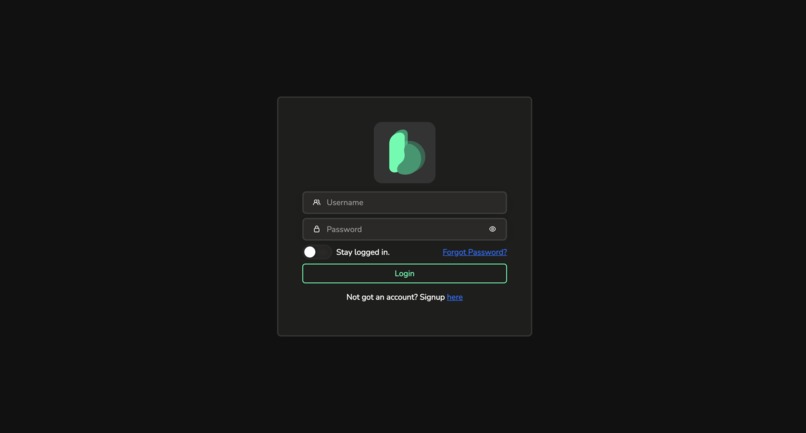
Login
-
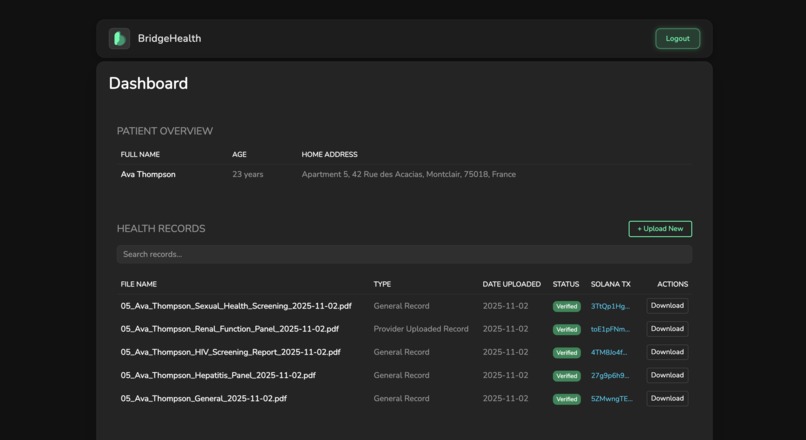
Patient Dashboard
-
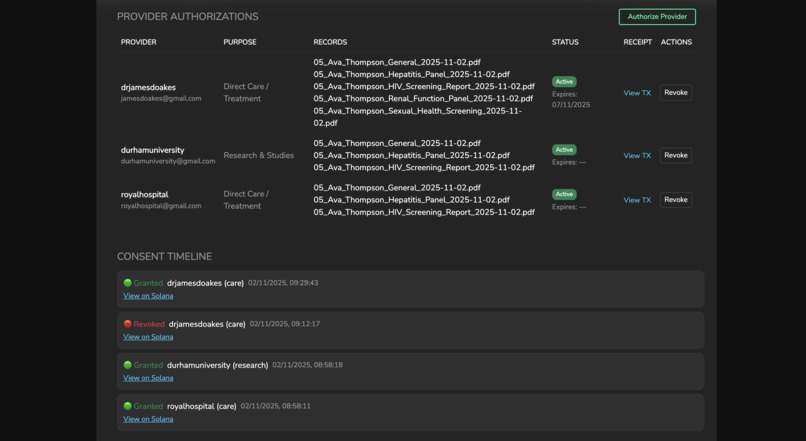
Patient Dashboard 2
-
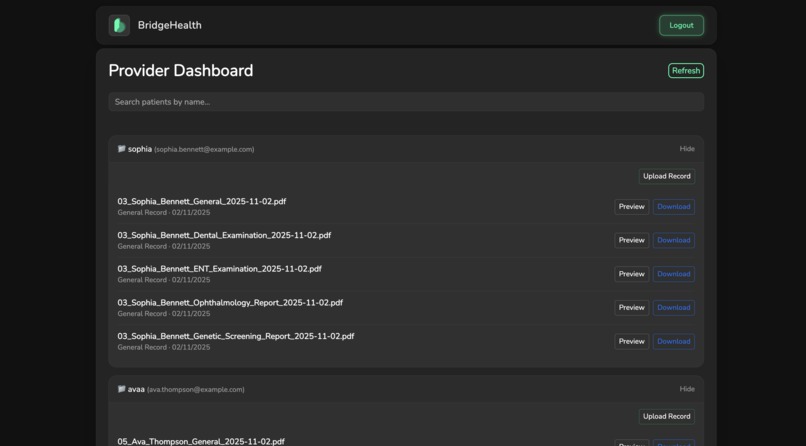
Provider dashboard


Inspiration
The inspiration behind this project was the inaccessibility of health care data, which is fragmented and often unstructured, leading to complications for patients in something vital to everyone. Their health.
What it does
BridgeHealth creates a verified digital health ledger that stores secure patient records. It uses cloud storage and blockchain trust. It allows patients to have full control of their health data and have transparent auditability about not only who is allowed to use their data, as they give access, but also who is using it. Data can only be consented to authorised providers that are already configured, so clients know they are legitimate parties.
How we built it
BridgeHealth is built with a Vue.js frontend and an Express.js + MongoDB backend, enabling patients and providers to securely manage verified health records. We used Solana Devnet to simulate blockchain transactions, creating on-chain proof of each record’s integrity. Encrypted files are stored on Google Cloud, bridging traditional Web2 healthcare infrastructure with Web3 verification and trust.
Challenges we ran into
We ran challenges when connecting to the MongoDB database that stored our user data. We concluded that eduroam firewall was blocking the connection to the database, so we initially had a local MongoDB cluster running for testing. We decided to use a VPN to get around this issue for the time being, as we had no control over eduroam firewall.
Accomplishments that we're proud of
Managing to get Solana integrated to verify the integrity of files whilst being completely new to the technology
What we learned
As above we managed to learn how to integrate with Solana's API
What's next for BridgeHealth
Scaling it to a wider user base
Built With
- encryption
- express.js
- google-cloud
- javascript
- mongodb
- vercel
- vite
- vue


Log in or sign up for Devpost to join the conversation.