-
-
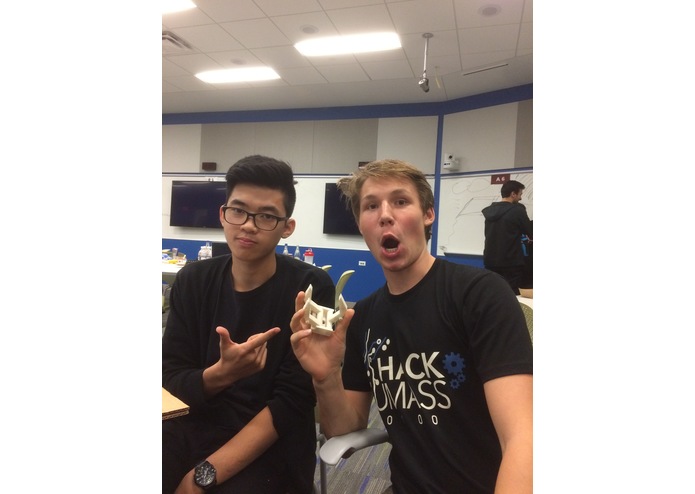
Success at 6:35 AM!
-
-
-
-
-


Holduino
We wanted to take a luxury electronic and see if we could make it into a prosthetic. That's pretty much it.
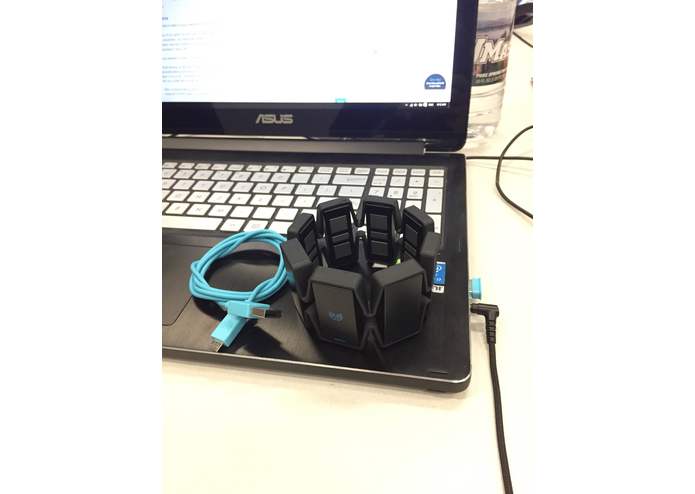
The four of us came into this with a totally different idea, and, twelve hours in, when we figured out that our idea wasn't going anywhere, our teammate walked in with a box holding a Myo wristband looking like a kid on Christmas. The prosthetic was the engineer's idea almost immediately, and couple hours later he had literally worked up a sweat working on Autodesk Fusion 360.
So we wanted to make a prosthetic that responded to real time impulses from the brain.
Those among us who are disabled deserve the absolute best technology has to offer. We believe the best application of groundbreaking technology such as the Myo is to serve as the primary platform on which we approach the challenges they face- to be the thing, capital T thing, that disabled people use, instead of some less-than-immaculately designed device.
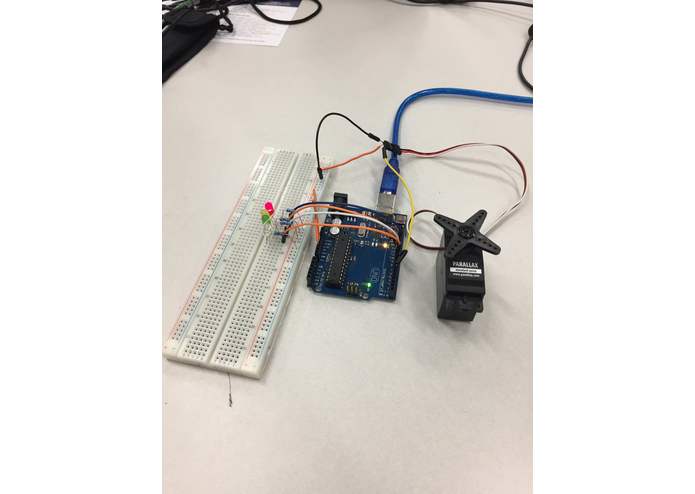
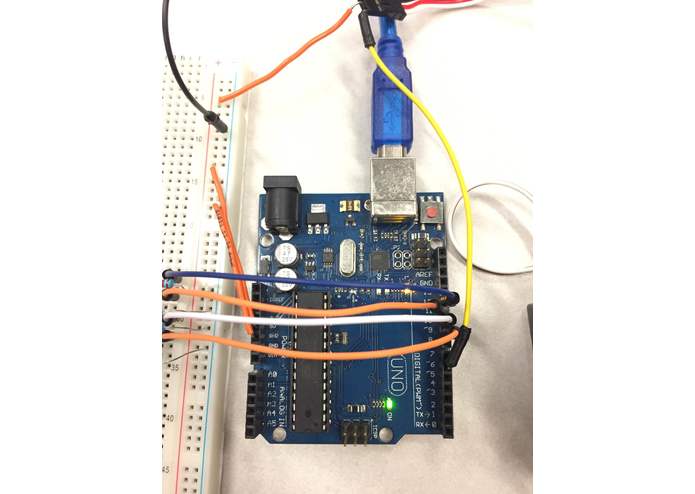
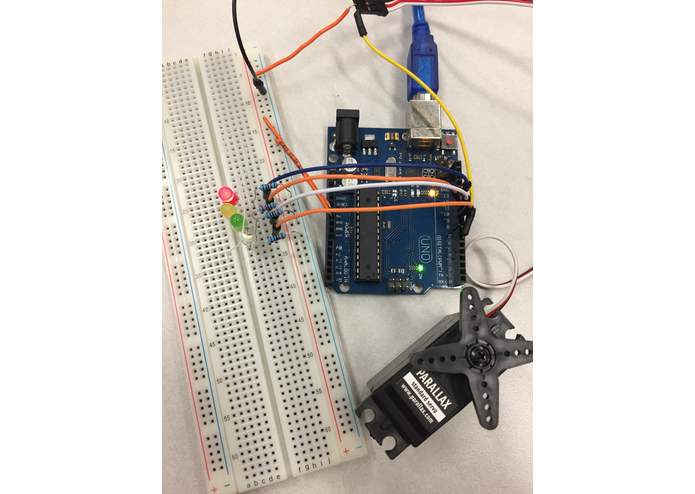
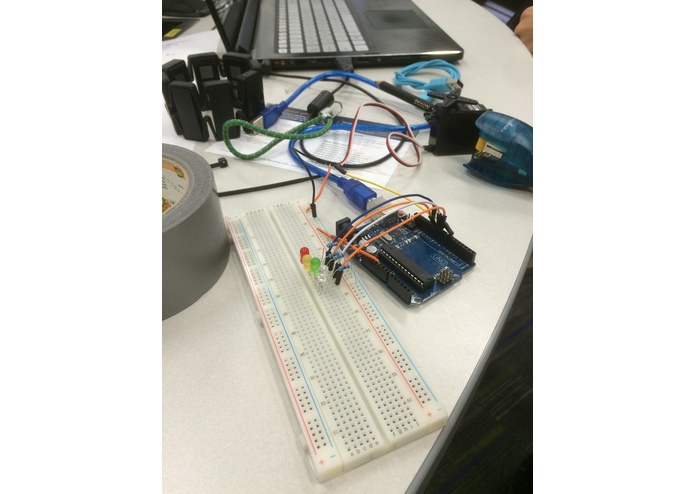
Just a bit about what we did- we got the Myo paired with the computer, and then looked into what could connect to it. A direct bluetooth connection to the Arduino was not feasible, so we decided to keep an UNO serially connected (via USB) to the computer to which Myo was paired, and used the Arduino as the control center of our printed hand.
After a heartbreaking failed 3D printing attempt and rather too many milligrams of caffeine, we had a prosthetic. It could respond to four types of commands and lift relatively light objects. All of this was done, first and foremost, as a proof of concept. Using hobbyist components and cardboard (and a highly advanced piece of consumer hardware), we developed exactly the kind of rudimentary hand that could be used to rehabilitate, or possibly introduce, someone to having their hand.




Log in or sign up for Devpost to join the conversation.