-

Logo
-
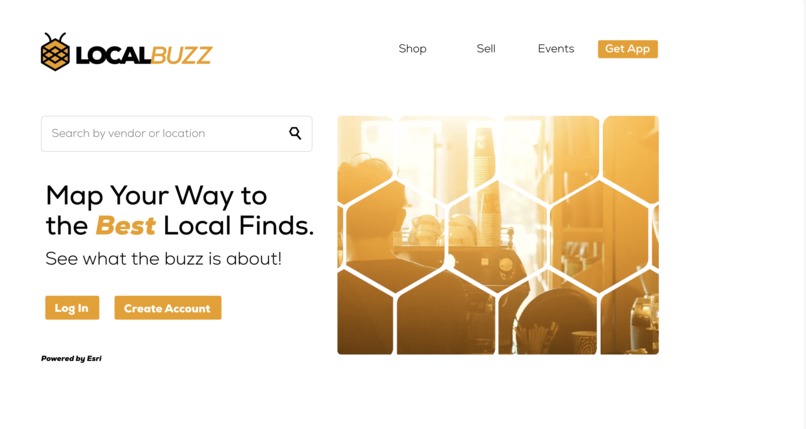
Website Home Page
-
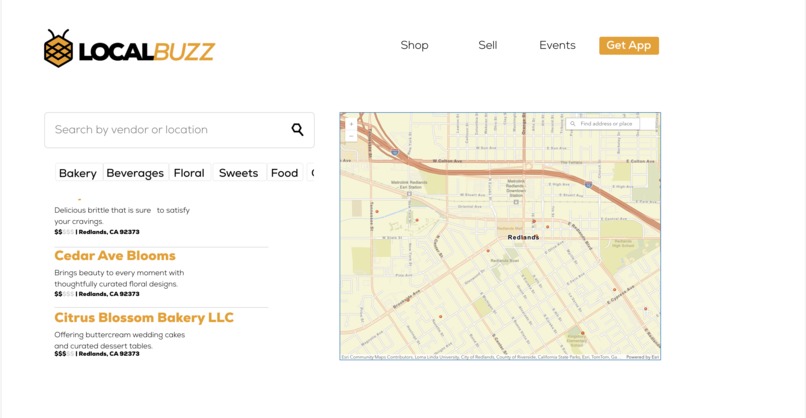
Website Explore Page
-
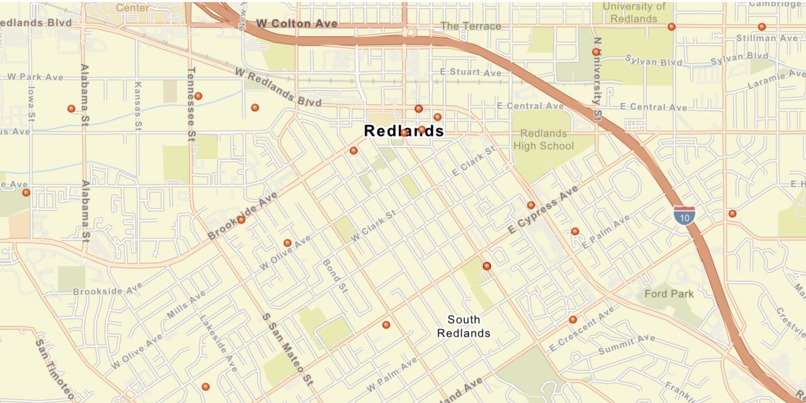
Map
-
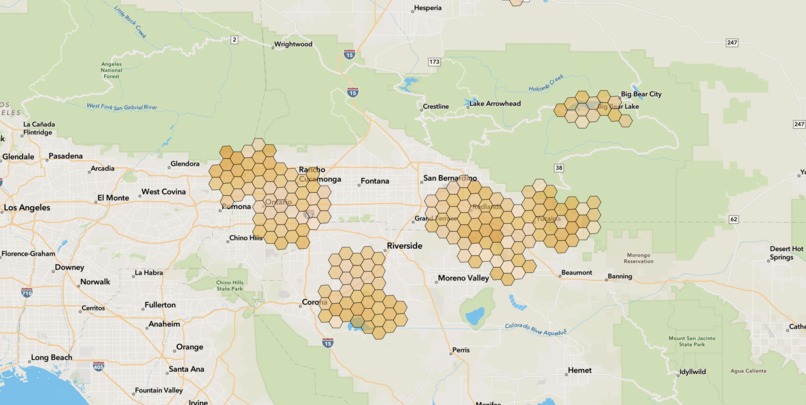
Tapestry Data Map Example
-
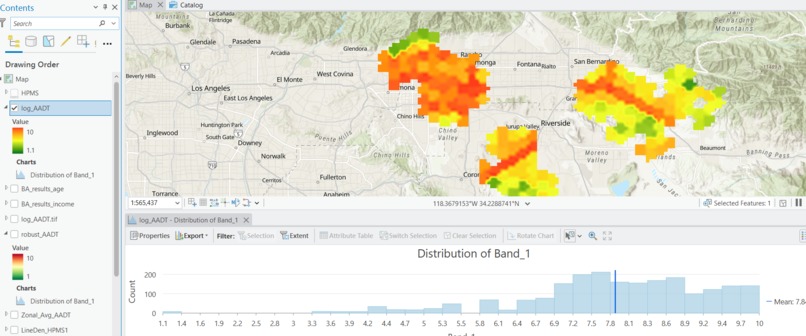
Annual Average Data Traffic Transformation, robust scaling with histogram analysis
-
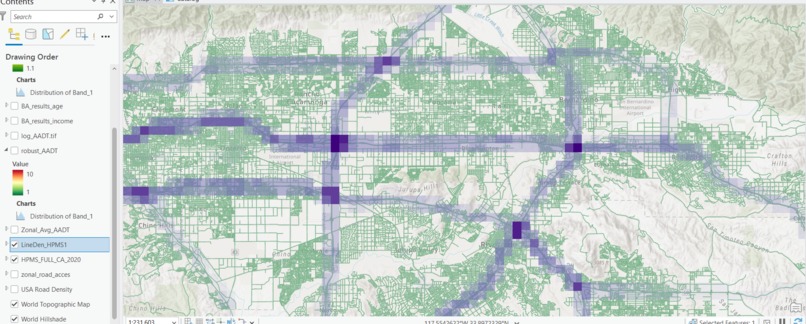
Hotspot Analysis
-

Project Name
-

Icon


LocalBuzz
Map Your Way to the Best Local Finds.
What is it?
Not Just Another Shopping App - A Marketplace Rooted in Community!
LocalBuzz connects you with your neighborhood by spotlighting local makers, home chefs, and small businesses. Discover unique, locally crafted goods and the stories that make your community special. With ArcGIS integration, LocalBuzz doesn’t just map businesses — it maps meaningful connections. Smart local insights empower creators to grow their passions, while helping customers shop sustainably and discover the people and places that shape their neighborhoods. See what the buzz is about!
What inspired us?
LocalBuzz was inspired by some of the challenges we have seen our friends face when running cottage-licensed businesses from their homes. They create beautiful, homemade products — but reaching new customers proves to be incredibly difficult. Despite printing flyers, posting consistently on social media, and organizing pop-up events, their growth is very slow. Like many other home-based entrepreneurs, they lack the storefront visibility and marketing budget to compete, and find themselves lost in the noise of oversaturated online platforms. There are many of these stories; across communities, passionate local makers and home chefs are building incredible things, but without access to the tools and insights typically reserved for larger businesses, their reach remains limited. We created LocalBuzz to bridge that gap. It’s a tool designed to empower these creators, spotlight local talent, and foster meaningful connections between neighbors. By making it easier to shop locally and sustainably, we aim to amplify the voices behind the businesses and people that shape your community.
What did we learn?
The entire development cycle of this project was a tremendous learning curve for all of us. Beyond testing our technical skills, it challenged our ability to collaborate, adapt, and grow as a team. We learned the value of truly listening to one another, encouraging open dialogue, and creating an environment where every idea was considered. It also taught us how to effectively delegate tasks, leverage each other’s strengths, and step out of our comfort zones to contribute to areas where we had less expertise. Through this experience, we developed a better understanding of time management, conflict resolution, and collective problem-solving. We realized that success comes not just from individual effort but from fostering trust, maintaining clear communication, and working toward a shared vision as a unified team.
How did we build it?
We built this application using Astro as the core framework with Preact integration for interactive components. This technical approach combined static site generation (Astro) for performance with Astro server islands for dynamic, interactive components (Preact). We used Tailwind CSS for styling, implementing designs directly from Figma mockups with pixel-perfect accuracy using utility classes. The map functionality was powered by ArcGIS JavaScript API 4.33, enabling advanced features like service area analysis and interactive business data display. The architecture separated static content (Astro components) from dynamic features (Preact components), allowing for optimal performance while maintaining rich interactivity. The design system was carefully translated from Figma to code, ensuring the final application matched the intended visual specifications while providing a modern, responsive user experience. We incorporated Esri's ArcGIS Pro, ArcGIS Online, and Business Analyst tools for our project. We used ArcGIS Online for geocoding and feature layer creation, ArcGIS Pro for network and spatial analysis, and Business Analyst for suitability analysis and tapestry data.
What challenges did we face?
Many home-based businesses don’t have public locations listed, which made it difficult to build a comprehensive database. We had to rely on local outreach and searching for local markets and makers to build our directory. Additionally, building a platform that works for both sellers and buyers was a challenge, as we had to ensure the experience on both ends was intuitive and comprehensive.
What are some future developments?
In the future, we believe that this platform could be scaled to include additional cities, expanding our impact and connecting more local makers with their communities. To personalize the user experience, a recommendation system could be deployed using geographically weighted regression and spatial user similarity to suggest businesses and products based on location and interest. The integration of local events into the platform would be another component to add, further boosting user activity and deepening community engagement. Monetization could also be added, coming through features like in-app shopping, where users can purchase products directly, and a small service charge can be applied to transactions. Additionally, premium business accounts could be offered with advanced geo-analytics tools to help these small entrepreneurs better understand their market potential. Another expansion could be a mobile app, with delivery features, increasing accessibility as it could include directions to nearby businesses, as well as create delivery routes for small businesses who are making local deliveries.
View our source code at github.com/jjoeldaniel/localbuzz!
Built With
- adobe
- astro
- css
- esri
- figma
- geoenrichment
- javascript
- react
- sdk
- vercel


Log in or sign up for Devpost to join the conversation.