-
-
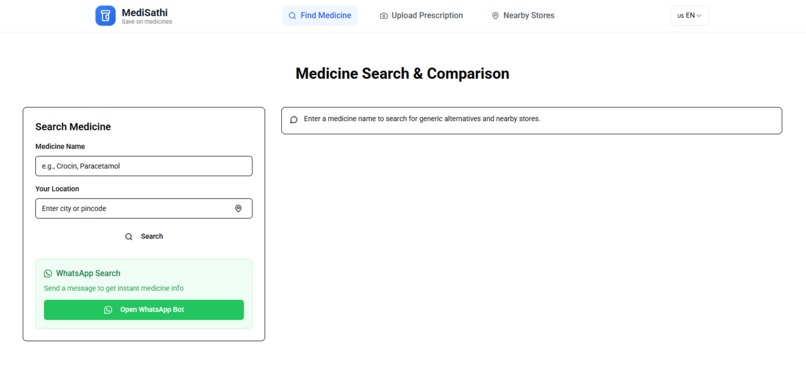
Finding Generic Alternatives
-
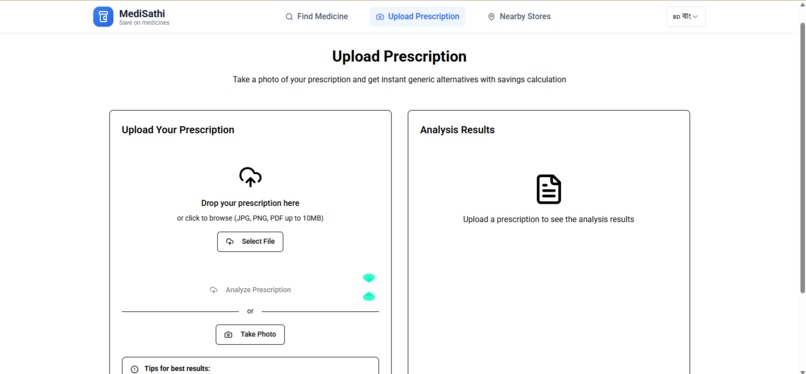
Prescription Analysis
-
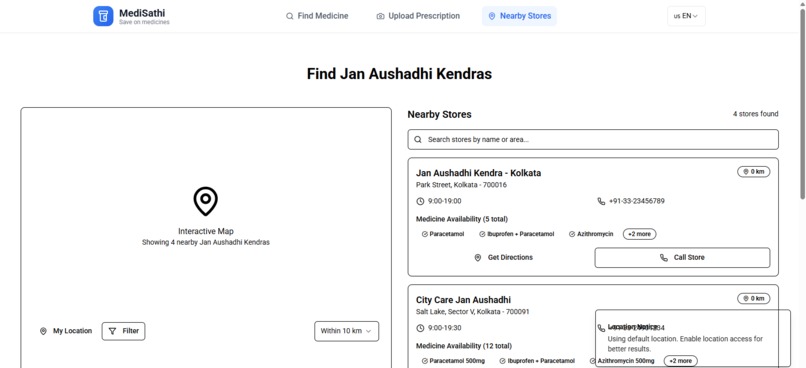
Jan Aushadi Center Connect


MediSathi
About the Reality
- As of October 3, 2024, 13,822 Jan Aushadhi Kendras have been established across India. :
- In the last 10 years, these Kendras have sold medicines worth ₹6,100 crore, resulting in estimated savings of ₹30,000 crore for citizens compared to branded medicines.
- Under PMBJP, more than 2,047 generic medicines and 300 surgical items are now part of the product basket. These are sold at prices 50-90% cheaper than their branded equivalents.
What Hurts
- In fiscal year 2023-24, Jan Aushadhi made sales of ₹1,470 crore (at MRP), leading to savings of approximately ₹7,350 crore for citizens.
- Though the scheme has grown, many people are still unaware of these Kendras or do not have reliable information about stock or locations.
My Inspiration
I saw stories of patients in rural areas who skipped doses or delayed buying medicines because brand names were priced beyond reach. I heard of elders choosing between food and medicine. I realised the money saved by Jan Aushadhi in reports must translate into relief in real lives — but the gap between policy numbers and personal experience is still wide.
What I Learned
- Public policy and savings data matter, but awareness, trust, and access are equally important.
- Even when generic medicines are available, misinformation or lack of verified information leads to reluctance.
- Tools must handle low connectivity, low literacy, sometimes no internet — solutions need to be inclusive in design.
How I Built MediSathi
- Collected public data from Janaushadhi product & MRP listings, government press releases, and JAK directories.
- Parsed and normalized data so people can compare branded vs generic prices.
- Built a search API + user interface to locate nearest Jan Aushadhi centres and show savings.
- Created a prescription translation component using OCR/NLP to reduce technical barriers.
- Designed awareness content to bridge trust gaps with real, verifiable information.
Challenges Faced
- Data from various sources was inconsistent: different formats, missing fields, outdated entries.
- Stock availability at Jan Aushadhi stores often not reliably reported.
- Misconceptions & suspicion about quality of generics.
- Rural logistics and physical access (e.g. distance, transport) still barriers even when stores exist.
What I Hope
- That no one should delay treatment because of cost alone.
- That savings shown in reports are felt in homes — fewer people falling into debt or poverty due to medicine bills.
- That MediSathi helps connect policy with people — making generic medicines truly affordable, accessible, and trusted.
Future Improvements
- Live stock integration: Connect directly with Jan Aushadhi store databases to provide real-time medicine availability.
- Geolocation & mapping: Add GPS and map-based navigation to locate nearest Kendras with directions.
- Multilingual support: Expand UI to support major Indian languages for inclusivity.
- Offline mode: Enable SMS/IVR-based queries for regions with low or no internet access.
- Partnerships: Collaborate with local health workers (ASHA, ANMs) to spread awareness and act as community connectors.
- Trust building: Publish verified clinical equivalence data between branded and generic medicines.
- Scalability: Build APIs for hospitals, NGOs, and insurance providers to integrate MediSathi in their workflows.


Log in or sign up for Devpost to join the conversation.