-
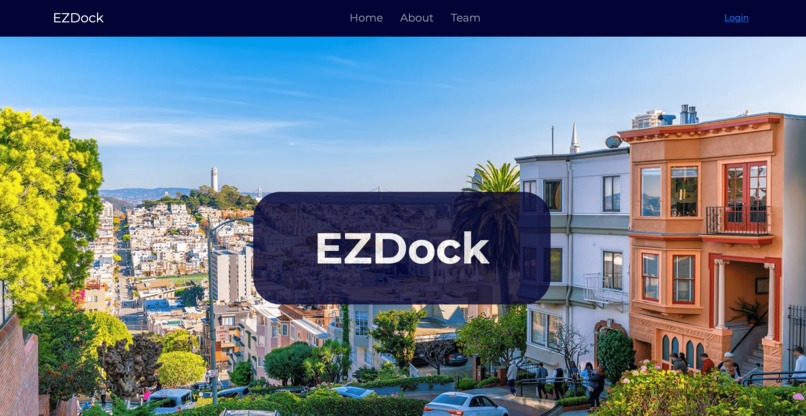
Home page
-
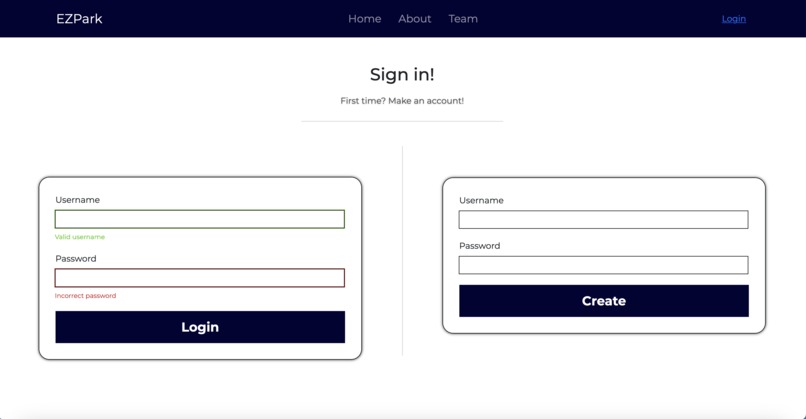
Register/Login page
-
Click to start
-
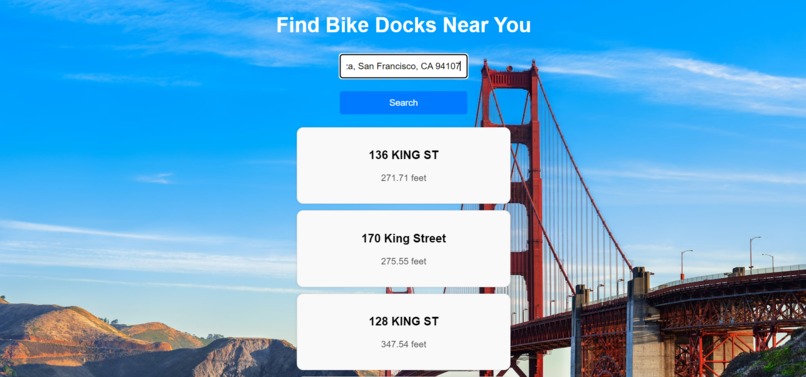
Find your closest docks


Inspiration
We've been hearing from our biker friends about the frequent incidents of bike theft. In response, we decided to take this opportunity to help them.
What it does
We developed a website that identifies the closest dock relative to the user's location.
How we built it
To construct our platform, we utilized HTML/CSS for website development and MongoDB for database management. Flask served as our web server, enabling database access. Neurelo facilitated database interaction through APIs.
Challenges we ran into
Our primary challenge was that we all just learned these technologies over the weekend. Getting started was especially challenging, particularly with MongoDB, as it was our first time working with a database. Setting up Flask and Pymongo required a lot of installation, adding to the complexity. Linking files in Flask was also tough, as navigating the correct paths proved to be quite tricky. When we attempted to work with Neurelo, our understanding of the technology was limited. However, regardless of this challenge, we decided to try and learn Neurelo to generate APIs for retrieving data from the database.
Accomplishments that we're proud of
It is our first time to work with these new technologies. We're proud to have learned everything in such a short time frame, allowing us to successfully build the website, set up the database, and create the necessary APIs.
What we learned
We learned to use MongoDB for database management and connected HTML to Flask to enable database interaction. We also gained valuable experience in utilizing APIs to improve program functionality.
What's next for EZDock
For the next stage, we will have the user to access their travel history. They can save or add stars to their favorite paths in their user portal.


Log in or sign up for Devpost to join the conversation.