-
-
Multiplayer
-
Gameplay
-
Multiplayer
-
Gameplay
-
Gameplay
-
Gameplay
-
Gameplay
-
Gameplay
-
Multiplayer
-
Multiplayer UI


This project started as a game jam experiment with a weirdly perfect prompt: build a VR game that includes music, a mountain environment, and something Austrian. At the time, we were deep into rhythm games, so we asked ourselves: What if the rhythm happened through climbing? The prototype clicked immediately, won the jam, and got a surprisingly enthusiastic response. When we later looked for a new, larger project, we decided to turn that spark into a real game, pitched it to a public funding agency, got approved, and have been developing ever since. We’ve also partnered with Impact Inked to help bring it to a wider audience.
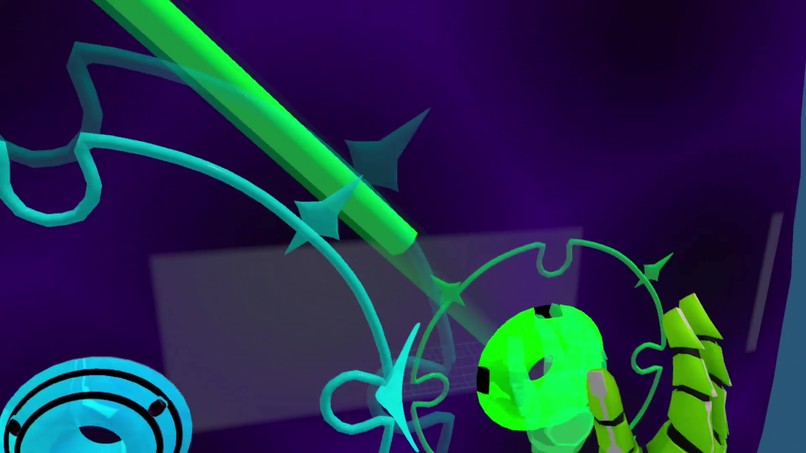
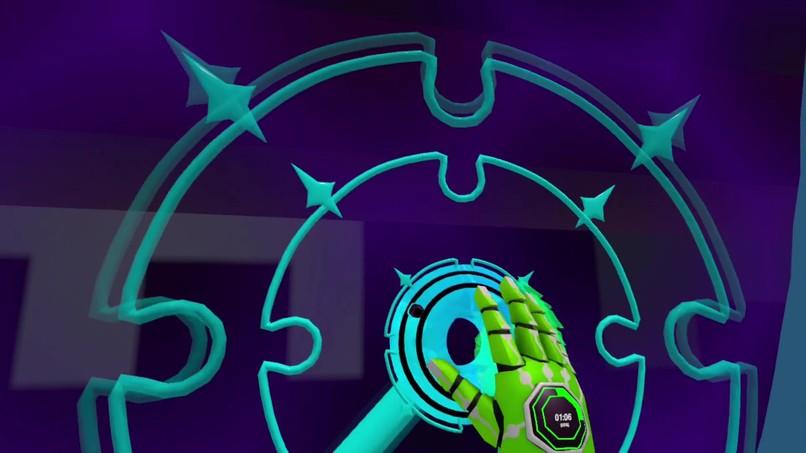
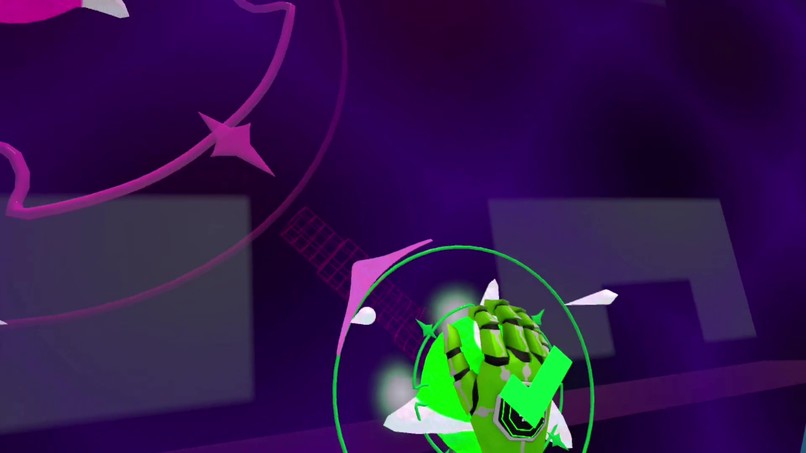
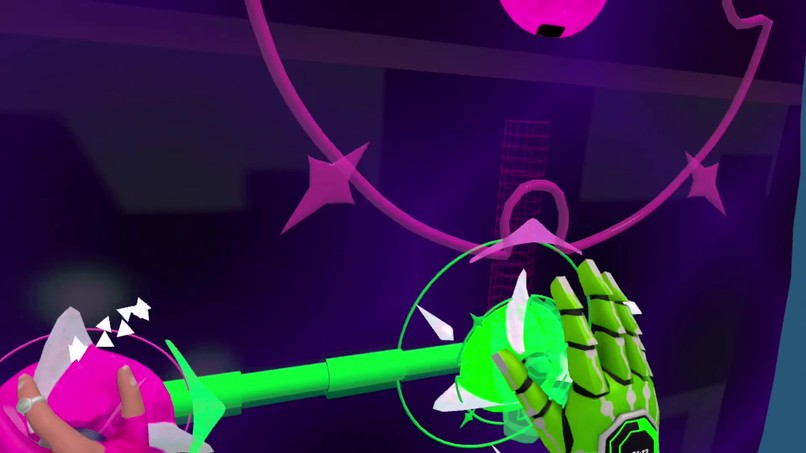
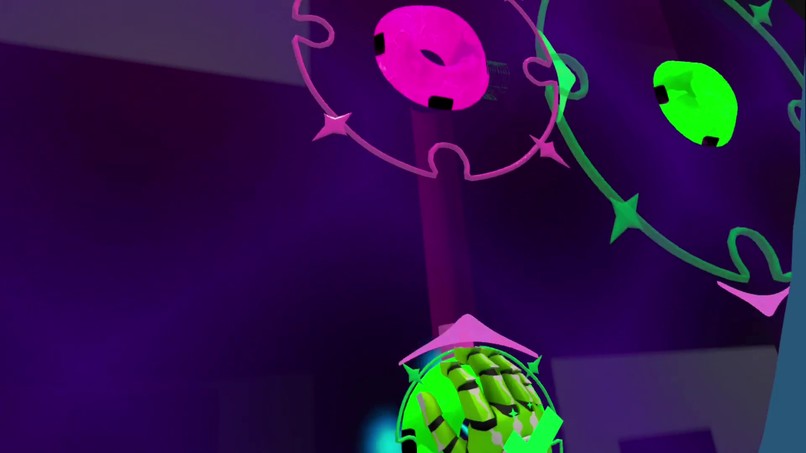
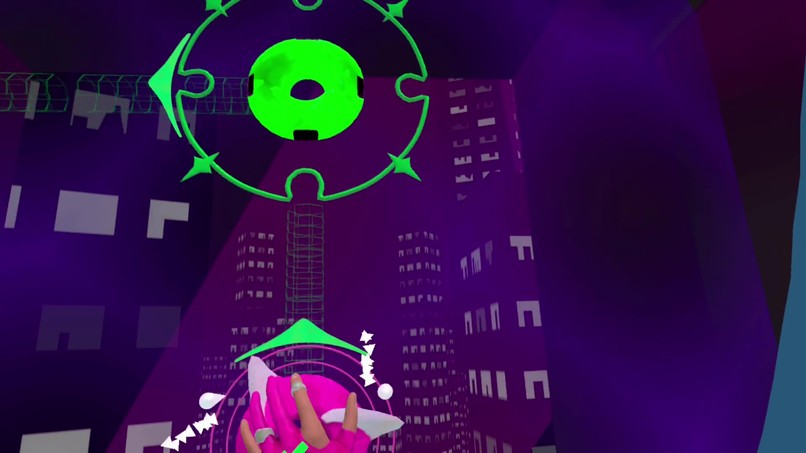
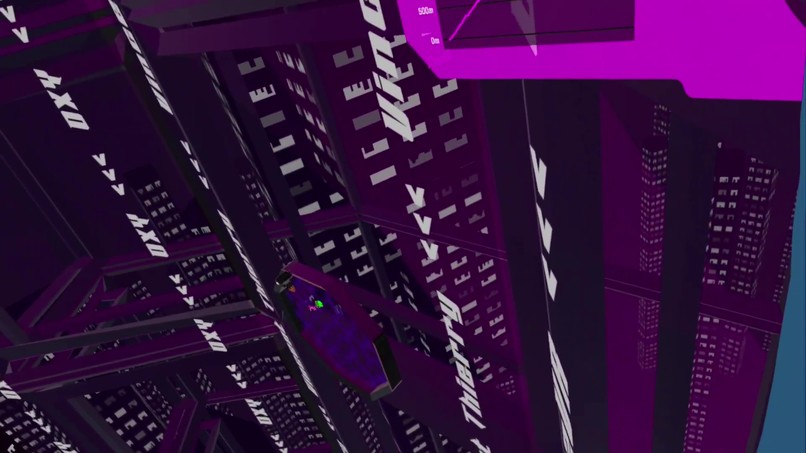
At its core, the game combines two things that feel uniquely right in VR: rhythm and full-body climbing. Matching grabs to the beat while moving your virtual body creates a physical, athletic flow you just can’t replicate on a flat screen. The sensation is closer to a hyper-sport than a traditional rhythm game, with tension coming from both timing and momentum.
We built the game in Unity for Quest 3, designing the experience from the ground up beyond the initial “rhythm-climbing” seed. A big part of development has been making the system feel fair and expressive. Our velocity system is simple to understand but hard to master: perfect grips grant small speed boosts, while misses cause small penalties. That dynamic helps players feel the pressure of a race and the thrill of overtaking through skill.
Significant updates during the competition period (UPDATED build)
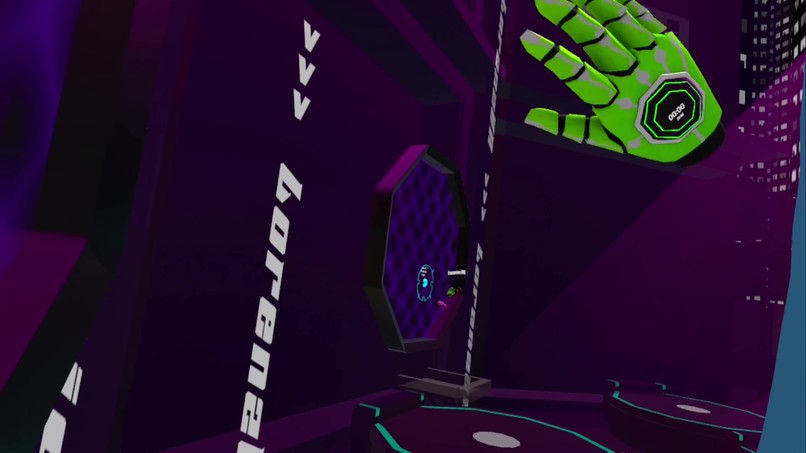
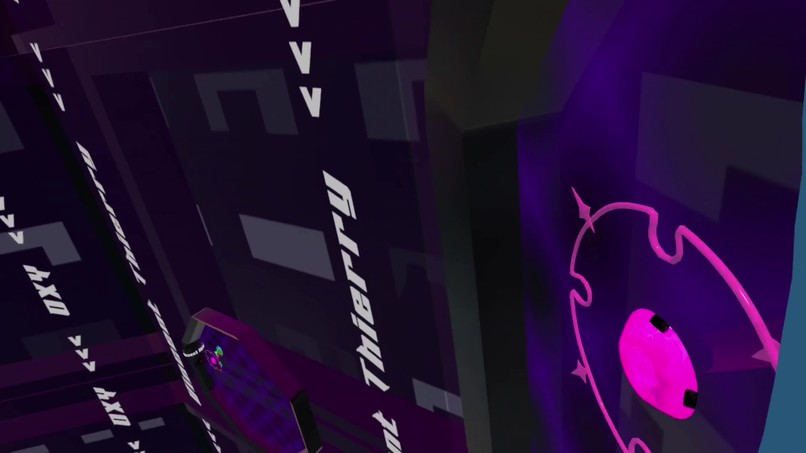
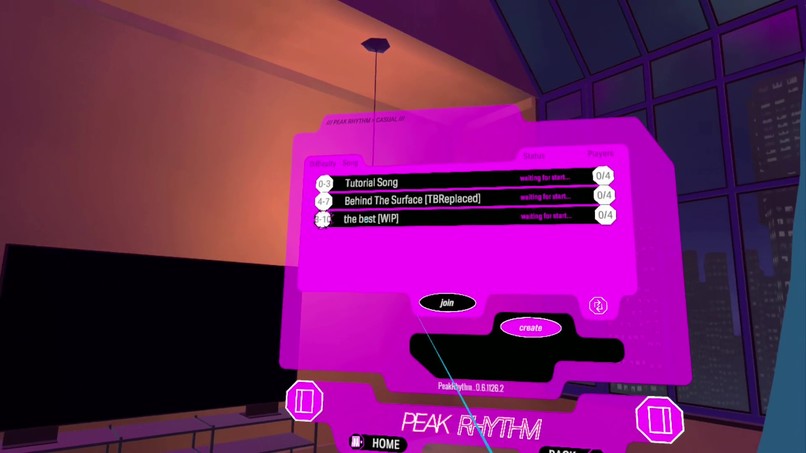
During the competition window, we took multiplayer from a concept to a playable, complete feature set. We introduced a new Casual Mode where 1–4 players climb side by side with low stakes—focused on personal improvement and shared hype rather than punishing outcomes.
Key additions include:
- Public lobbies spun up on demand
- Quick Play lobbies with predefined difficulty ranges
- Seamless map voting stage
- Per-map leaderboards for the full game (training scores excluded)
What we learned & challenges we faced
Multiplayer taught us a ton about what makes social VR magical: simply replicating real body movement and gesture can create instant connection. On the technical side, we learned the value of keeping network architecture abstract early. Switching providers was painful because too much game code depended on concrete implementations.
We also balanced flexibility vs performance: starting with JSON helped us iterate quickly, but moving high-frequency messages to custom binary serialization reduced traffic size by about 10×. Finally, to preserve rhythm accuracy in a competitive context, we implemented client–server clock synchronization so the server can validate timing and scores fairly.
What’s next
We’re aiming for an Early Access launch and a release in the first half of 2026. Next up: voice chat, character customization, 8–10 original songs, improved VFX, and deeper Meta social integration for richer presence and quick joining. We plan to run closed alpha playtests via Discord and let the community guide our post-launch priorities.
This submission is our step toward making a truly social, competitive rhythm-climbing sport.


Log in or sign up for Devpost to join the conversation.