-
Login Page
-
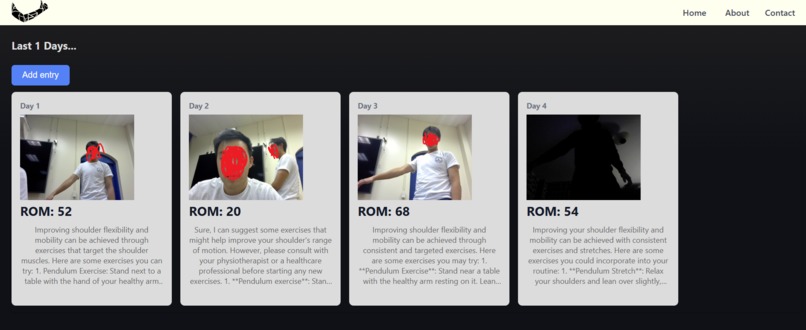
Dashboard #1
-
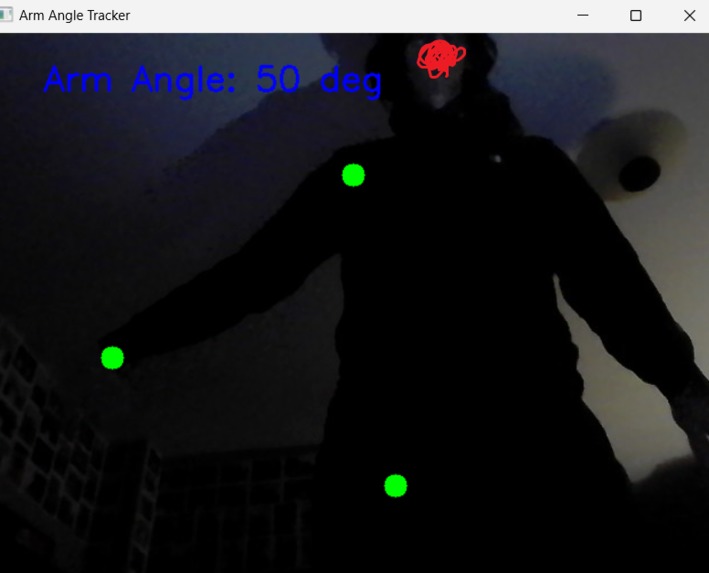
Arm Angle Tracker
-
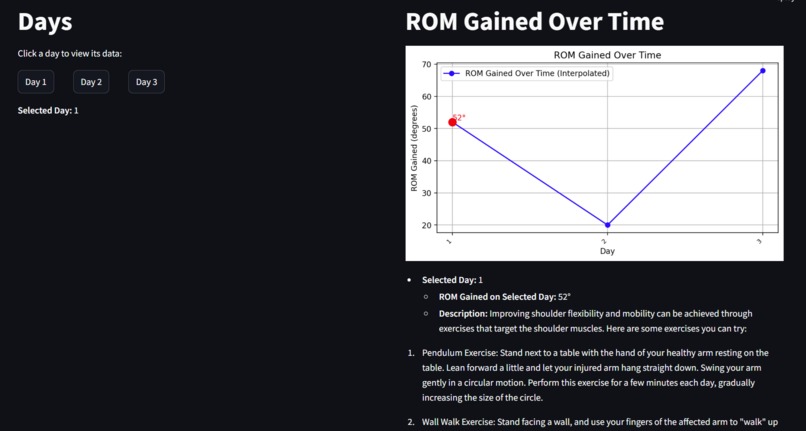
Dashboard #2


Inspiration
Injuries that reduce range of motion (ROM) in joints can be both physically and mentally taxing. We were inspired to create a solution that simplifies the rehabilitation process, allowing individuals to track their recovery progress daily. By combining cutting-edge technologies like computer vision, AI, and data visualization, we aimed to provide an accessible and personalized tool for anyone undergoing physical rehabilitation.
What it does
QMove tracks the range of motion (ROM) for injured joints, such as a shoulder after dislocation, using a camera and OpenCV. It records daily progress and feeds the data to a trained Physiotherapist AI, which recommends tailored rehabilitation programs. The app visualizes the recovery journey through interactive graphs powered by Streamlit. Users can log in, store their data securely in the cloud using MongoDB, and monitor their improvements over time.
How we built it
- Frontend: Built with React to provide an intuitive and engaging user interface.
- Backend: Powered by Flask to handle API requests and integrate with the database.
- Data Analysis: OpenCV tracks joint angles, and a custom-trained Physiotherapist AI provides actionable recommendations.
- Data Visualization: Streamlit visualizes recovery data through interactive plots and graphs.
- Database: MongoDB stores user information and recovery logs securely in the cloud.
Challenges we ran into
- Integrating multiple technologies like React, Flask, OpenCV, and Streamlit into one seamless system.
- Configuring secure cloud storage for user data and ensuring smooth database connections.
- Calibrating OpenCV to accurately track joint angles and avoid noise in the data.
- Designing an interface that is user-friendly while accommodating detailed visualizations.
Accomplishments that we're proud of
- Successfully integrating computer vision, AI, and data visualization technologies into a single platform.
- Creating an accessible and visually appealing user interface that simplifies rehabilitation tracking.
- Developing a robust backend system to handle user authentication, data storage, and AI-powered recommendations.
- Delivering meaningful insights to users through detailed and interactive visualizations.
What we learned
- How to integrate diverse technologies like OpenCV, Streamlit, and MongoDB into a cohesive system.
- The importance of user-centric design when building rehabilitation tools.
- Strategies for optimizing and debugging performance across multiple frameworks.
- Valuable lessons in teamwork, as combining our skills and knowledge helped us overcome technical challenges.
What's next for QMove
- Mobile App Development: Expanding QMove to mobile platforms for greater accessibility.
- Expanded AI Features: Enhancing the Physiotherapist AI to include more personalized recommendations and progress predictions.
- Wearable Integration: Adding support for wearable devices to track joint motion in real time.
- Broader Applications: Extending the platform to track and analyze other physical metrics, such as posture and muscle strength.
- Community Features: Building a community feature for users to share their recovery journeys and motivate each other.


Log in or sign up for Devpost to join the conversation.