-
-
-
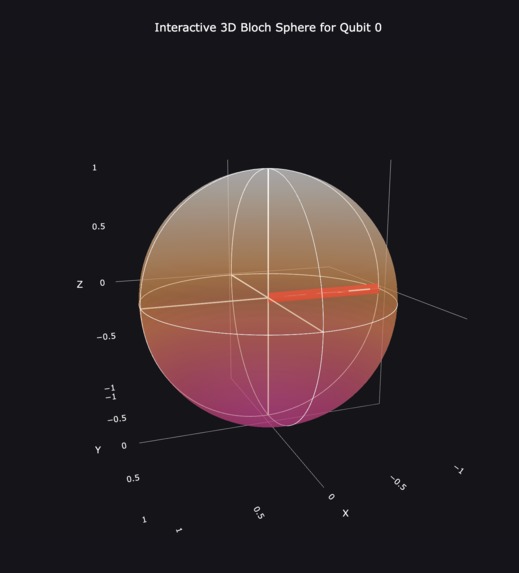
Close-up of a Generated Qubit
-
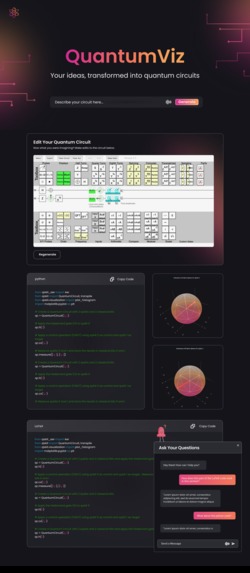
Web Page with Chat Feature
-
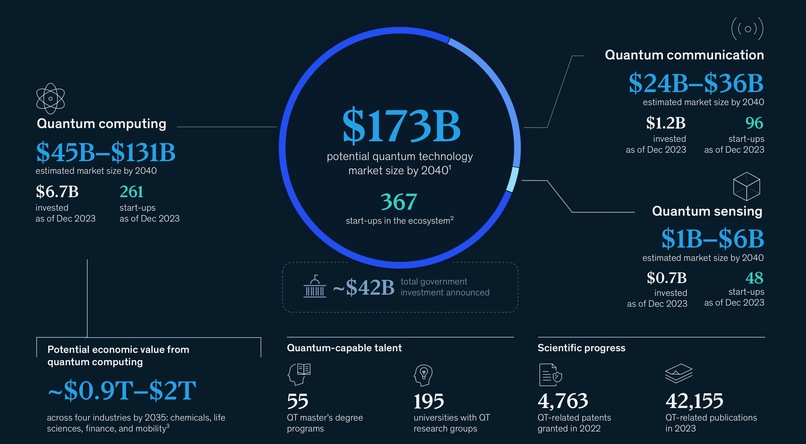
Quantum Computing Market
-
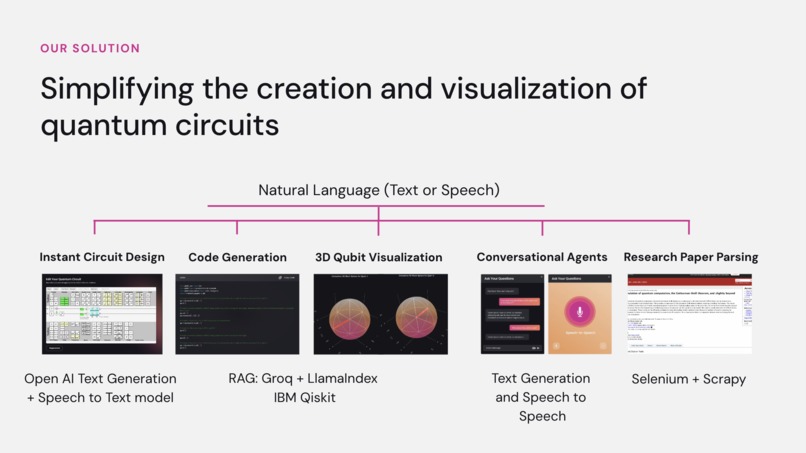
Features Breakdown


Inspiration
Quantum computing has the potential to transform technology and solve problems that classical computers can't handle. At the crux of quantum computing, though, is building quantum circuits—they’re like the ABC’s of quantum computing, but unlike your usual ABC’s, building quantum circuits is very complicated, time-consuming, and difficult for even skilled researchers and developers. Our inspiration comes from personal experience and insights shared by leading experts in this field.
- Dr. Jens Palsberg (Quantum Computing Researcher, UCLA CS Faculty): “A more visual and intuitive method for designing quantum circuits would be a game-changer, especially if it allows us to visualize circuits in a multimodal way before even writing a line of code. This approach addresses a critical gap in the current tools, streamlining the design process significantly.”
- Dr. Allen Ho (Google Quantum AI, Quantum Qolab Founder): “The ability to create quantum circuits through natural language is a breakthrough that could revolutionize how we interact with these complex systems. Leveraging multimodal LLM interfaces for circuit visualization and interaction could make quantum computing far more accessible, intuitive, and efficient.”
- Sam McArdle (Leading Quantum Scientist at AWS): “One of the biggest challenges in quantum computing research is the cumbersome process of manually coding LaTeX for circuit representations. A tool that generates circuit diagrams and exports them directly to LaTeX would not only save time but also enhance the accuracy and efficiency of research documentation.”
This startup is centered around bridging the gap between the complexities of quantum mechanics as the era of quantum computing approaches rapidly.
What it does
The product is a quantum circuit generator that simplifies and enhances the process of designing quantum circuits by text or speech using AI to generate interactive 3D visualization, executable code snippets, and a customized chatbot trained on Quantum Code Documentation and Research Papers. It addresses key pain points identified by leading experts in the field, offering a more visual and intuitive interface for users to create complex quantum circuits without the need for extensive coding knowledge at all.
Key Features:
- Natural Language Interface: The product allows users to generate circuit designs using natural language, making it more accessible and intuitive for those unfamiliar with traditional coding methods.
- Multimodal Visualizations of Circuit and Qubits: Users can visualize circuits in all different combinations before writing any code, facilitating a better understanding of circuit design and flow.
- Generation and Export Features for LaTeX and Python Code: Users can easily generate and export circuit diagrams in LaTeX format, streamlining the documentation process for research papers and presentations.
- Customized Chatbot: Conversational agent trained on the 100s of research papers and Circuit Documentation for code
- Research Paper Parsing: QuantumViz also has the ability to automatically extract images of quantum circuits directly from arXiv and surf the web powered by plans crafted by our custom LLM and directly convert them into Qiskit code through our website. We use a combination of Selenium and Scrapy to navigate through links and figures within research papers to allow researchers to automatically screenshot and input those images onto the platform.
How we built it
We built our system using a combination of ai technologies, with an aim to generate quantum circuits using NLP. First, we use openai text generation and speech to text models to enable interactive quantum circuit generation. Next, we built a RAG model trained on IBM Qiskit coding documentation using Groq and LlamaIndex to generate code and visualize the Qubits states in an interactive 3D visualization. Finally, we have a multimodal RAG assistant chatbot that takes in both text and speech inputs to answer any question on Quantum Computing and Circuits
Challenges we ran into
Our primary challenge was trying to figure out how to generate the quantum circuit visually. We knew we wanted a 3D visual that users could play around with, but were not initially sure what software to use to do that.
When we first tried to use Selenium, we had difficulty exporting the path in the expected format.
In addition, when we were implementing our speech-to-text feature, we ran into some trouble at first with the way the audio was being stored and transcribed.
Accomplishments that we're proud of
We were proud of being able to correctly connect Selenium to trace a path and find research papers to train our models and chatbot all automatically.
For the visual generation, we were proud of the interactive 3D visualization for qubits and the circuit.
We were able to train a RAG on Qiskit documentation for generation of code
What we learned
We learned a lot more about quantum computing through the process of creating a product specifically for the niche. For instance, we learned how pivotal quantum circuit are to even being able to generate anything using quantum computing.
Further, we learned how to use Selenium for web scraping material to train our models along with how to implement a speech-to-speech and speech-to-text feature for collecting user input.
What's next for QuantumViz
We hope that this tool will become a widespread quantum computing tool as many quantum researchers and students we talked to and discussed this idea mentioned that they wished it was something they had earlier. Its just the beginning in a long list of tools we plan to build to help reduce the barrier to entry and fast track research by saving time.
Some more detailed future goals include:
- Enhanced Model Training: We will train our models using images of quantum circuits, not just text, to improve visual understanding and design accuracy. This multimodal approach will help users visualize their ideas more intuitively.
- Testing for Complex Designs: We will conduct rigorous testing to ensure our tool's accuracy with intricate circuit designs. Collaborating with researchers will help refine our algorithms, enhancing performance and reliability.
- Integration with Existing Tools: We aim to integrate QuantumViz with established platforms like IBM’s quantum tools to address knowledge gaps. This integration will streamline the user experience, empowering users with a comprehensive set of features for effective circuit design
Built With
- groq
- llamaindex
- nextjs
- openai
- python
- qiskit
- quirk
- selenium
- typescript


Log in or sign up for Devpost to join the conversation.