-
-
ReBloom - Logo
-
-
-


Inspiration
The inspiration for ReBloom came from witnessing the real challenges new mothers face during postpartum recovery. After pregnancy and childbirth, many women are left with only generic exercise videos that fail to address their unique healing needs, especially conditions like rectus abdominis diastasis (DRA)—the separation of the abdominal muscles that affects both core stability and appearance. Without proper guidance, mothers often struggle with persistent abdominal weakness, back pain, and bladder control issues, which can significantly impact their quality of life. We learned about women who developed long-term complications because their recovery plans did not account for DRA or other postpartum muscle imbalances. This made us realize that integrating modern technology into maternal wellness could provide individualized, science-based support to help women safely restore core strength and prevent long-term injury.
What ReBloom does
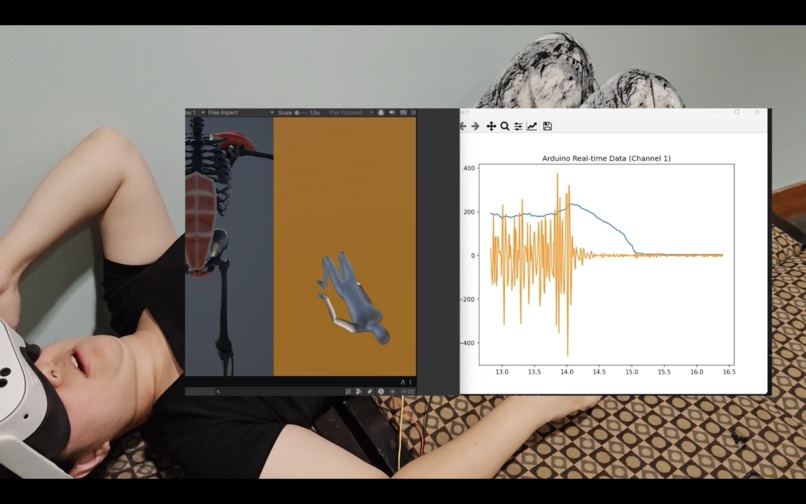
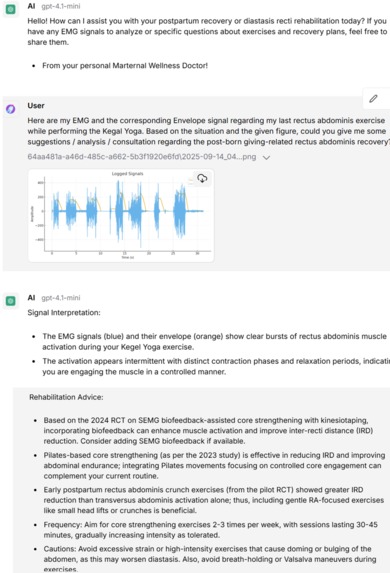
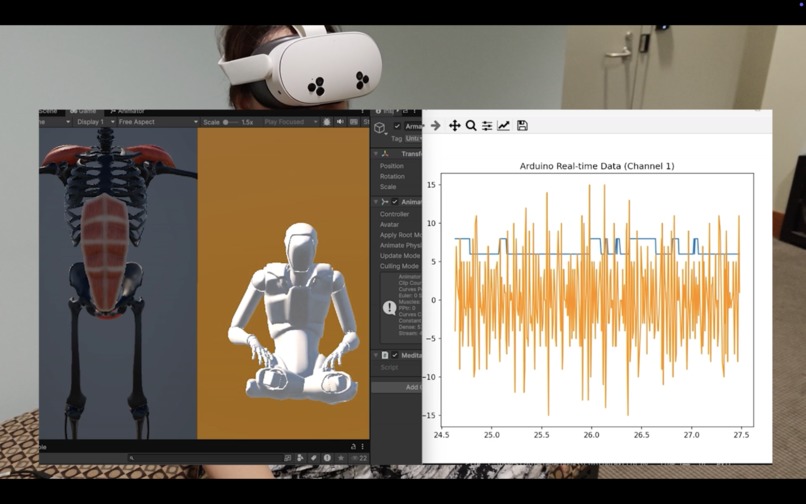
ReBloom is an AI-powered AR wellness coach that improves postpartum recovery through real-time muscle monitoring and personalized guidance. The system uses wearable EMG sensors placed on the rectus abdominis to capture muscle activity patterns. Our AI technology analyzes these signals to find incorrect movements, muscle imbalances, and tiredness levels. Through AR visualization, ReBloom shows personalized yoga and rehabilitation exercises, giving instant feedback on posture, breathing techniques, and muscle use. The system changes automatically based on each user's current strength and recovery progress, making sure rehabilitation is safe and effective for individual needs.
How we built it
We developed ReBloom using multiple technology layers that combine hardware and software innovation. For hardware, we used wearable EMG sensors, which can monitor several muscle groups, to focus on the rectus abdominis and pelvic floor areas. Our software uses Python-based Data Acquisition for real-time EMG signal processing and pattern recognition. The AR interface was built using Unity projected to Meta Quest headsets, creating engaging exercise guidance and visual feedback systems. We set up real-time data streaming to connect biosignal inputs with our AI analysis and AR visualization platform, making sure users get smooth experience and immediate feedback.
Challenges we ran into
One of the biggest challenges we faced was integrating all the different components of our system in real time. The pipeline—from Arduino-based EMG acquisition, through Python signal processing and LangFlow-driven AI interpretation, to Unity/AR visualization—often suffered from latency, synchronization errors, and occasional data loss, which required extensive debugging under tight time pressure. Beyond the technical hurdles, we also had to carefully consider human-centered design constraints, since our target users are postpartum women. This meant ensuring that sensors placed on sensitive areas such as the abdomen, back, and pelvic floor were comfortable, safe, and respectful of privacy, while still delivering clinically meaningful data. Finally, like many hackathon projects, we had to work within severe time and resource limitations, forcing us to prioritize building a functional prototype over implementing every feature we envisioned, such as full multimodal yoga feedback and personalized rehabilitation recommendations.
Accomplishments that we're proud of
We successfully created an innovative integrated EMG-AR system specifically designed for postpartum recovery, combining multiple advanced technologies into one user experience. Our Agentic AI algorithms can accurately detect muscle activation patterns and provide personalized maternal wellness feedback, something that hasn't been done before in maternal wellness. We're especially proud of developing a non-invasive method for monitoring rectus abdominis diastasis, addressing an important gap in women's health technology. The smooth integration between hardware sensors, AI analysis, and AR visualization represents a significant technical achievement that opens new possibilities for personalized healthcare solutions.
What we learned
This project taught us how complex women's health technology is and how important evidence-based design is in healthcare applications. We learned that successful biosignal monitoring needs not just technical skills but deep understanding of anatomy, physiology, and recovery patterns. The interdisciplinary nature of the project showed us how AI, hardware engineering, and healthcare must work together to create meaningful solutions. We also discovered how important user-centered design is in maternal wellness—technology must be empowering rather than overwhelming during an already challenging life period. Most importantly, we learned that innovation in women's health requires patience, testing, and genuine understanding of the user experience.
What's next for ReBloom
Our immediate next steps include clinical validation through partnerships with maternal health professionals and postpartum recovery centers to make sure our AI models are medically sound and effective. We plan to expand our sensor capabilities to include additional health markers like heart rate variability and breathing patterns for more complete wellness monitoring. Long-term, we see ReBloom becoming a complete maternal wellness platform that supports women throughout their entire journey—from pregnancy through postpartum and beyond. We're exploring integration with telehealth platforms to connect users with healthcare providers and developing a community feature where mothers can share their recovery experiences. Our goal is to scale ReBloom globally, making personalized postpartum care available to women everywhere while continuing to advance the combination of AI, AR, and women's health.


Log in or sign up for Devpost to join the conversation.