-
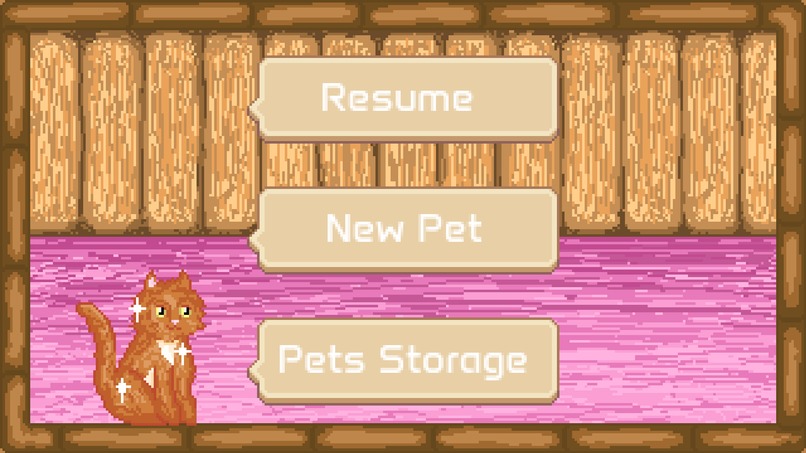
Main menu
-
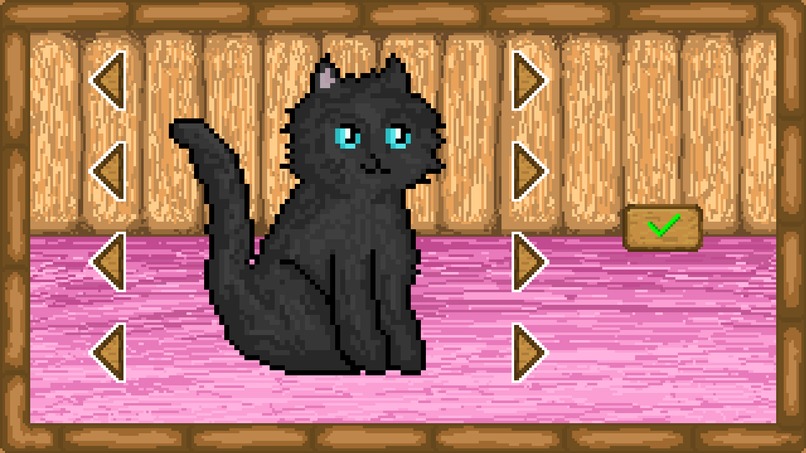
Customisation Screen


Inspiration
We wanted to make a archiving system that not only stores data, but preserves emotional connections too. Rather than presenting memories as static images or records, we wanted to create something interactive that users could return to and spend time with. This led us to choose a to make a game, as interactions in game would make the experience feel more personal. By allowing users to care for and engage with a digital companion, the project offers a way to reconnect with pets they can no longer see in real life. The exact game mechanics were somewhat inspired by desktop pets. Visually, aspects of the graphics were inspired by the warm, cozy, pixel art style of Stardew Valley.
What it does
This is a game that digitalfies your pet. Conventional archives like photos are static and passive. In contrast, Stellar Companion offers an interactive experience that allows users to not only preserve, but interact with the companions they’ve lost. Our current prototype focuses on cats, with features that include cat customisation, feeding your cat, and more. When players first start the game, they are taken to a customisation screen that brings the unique features of a cat to life. This is our way of archiving the appearance of your cat. Your cat can then wander about, sleep, eat, and more. To deepen the emotional bond, we’ve displayed your cat's real-time needs as visible Hunger, Thirst, and Mood bars. Players can interact with the cat by feeding it or cleaning the litterbox. These features allows players to build a deeper connection with the digital version of their pet. Over time, it begins to feel like your pet is still alive, present within this digital space in a quiet and meaningful way.
How we built it
We used the Godot game engine and C# to build the game. We focused on UI consistency and data persistence. We built a save/load system that preserves your progress, as well as decision-making system driven by Hunger, Thirst, and Mood values determines the cat’s behaviour. Almost all graphics are hand drawn, and the pixel art style paired with warm colours helps create a cosy, inviting atmosphere.
Challenges we ran into
Having 5 people working on the same project was not easy. We ran into problems with when using GitHub and there were conflicts every time someone pushed their code. Our team also had almost no experience with game engines, so we had to learn a lot on the go. Also, we had too many ideas and too little time, so our project is probably less polished than we'd like. Another thing was how to distribute the work. Sometimes a member might have nothing to do because they're waiting for another team member to finish their task first.
Accomplishments that we're proud of
We a proud that we managed to submit anything at all, as we were running out of time. Also, we practically learned how to use the game engine in 2 days, and that was a great achievement. We proud that we managed to work together as a team, as most of us have only worked on individual projects before. We are also very proud of our graphics. Most were hand drawn for this project, and we're proud that we managed to make so many sprites in only 2 days.
What we learned
We learnt how to use the Godot game engine and the C# language. For most of us, it was our first time using C# or a game engine. We also learned how to use GitHub and how to resolve conflicts. Teamwork and management was also an important skill we took away from this project. Our artist learned how to make pixel art and how to animate the sprites.
What's next for Stellar Companion
If we had more time, we would add more customisation options, such as the traits/personality of your pet to mimic your real life pet more closely. We would also allow players to customise the living room, and we may have implemented something that allows players to have multiple pets in one room. We would also expand the game to include more types of animals, not just cats, such as dogs, rabbits, birds, fish etc.
Built With
- c#
- godot


Log in or sign up for Devpost to join the conversation.