
Download DiskTracker – Removable Media Catalog, Offline File Indexing, Secure Drive Management
Overview
In today’s mobile‑first workflow, external hard drives, USB sticks and SD cards become extensions of our primary storage. Yet, the convenience of removable media often turns into a nightmare of forgotten folders and misplaced files. DiskTracker steps in as a lightweight cataloging utility designed specifically for Mac users who juggle multiple removable devices. By building a local index of every file and folder on each connected drive, DiskTracker lets you search through Spotlight—even when the physical media is not attached. The result is a seamless, “always‑on” view of your offline data, eliminating the tedious habit of plugging in every drive just to locate a single document. While DiskTracker has lingered in beta for several years, its core engine remains stable and surprisingly fast. The interface may feel dated, but the simplicity of its design ensures low overhead and quick indexing. For professionals who rely on external backups, photographers moving large batches of RAW files, or anyone who simply forgets where they saved a PDF, DiskTracker offers a practical, cost‑free solution that bridges the gap between on‑disk storage and Mac’s native search capabilities.
Key Features
- Automatic indexing of all connected removable drives (USB, Thunderbolt, SD cards, etc.).
- Spotlight‑compatible search that works even when the drive is offline.
- Customizable folder tags to quickly identify backup sets or project collections.
- Incremental updates – only new or changed files are rescanned, saving CPU time.
- Secure, read‑only catalog to protect the integrity of your external media.
- Cross‑session persistence: the index is saved locally and restored on each launch.
- Lightweight footprint – under 20 MB of RAM during normal operation.
- Beta‑only free version with optional paid upgrade for priority support and future features.
Installation, Compatibility & Usage Guide
DiskTracker is built exclusively for macOS (10.13 High Sierra and later). The installer is a standard .dmg package that can be downloaded from the developer’s website or the Mac App Store (beta channel). After mounting the DMG, drag the DiskTracker icon into your Applications folder. macOS will prompt you to confirm that you trust the developer; click “Open” to complete the installation.
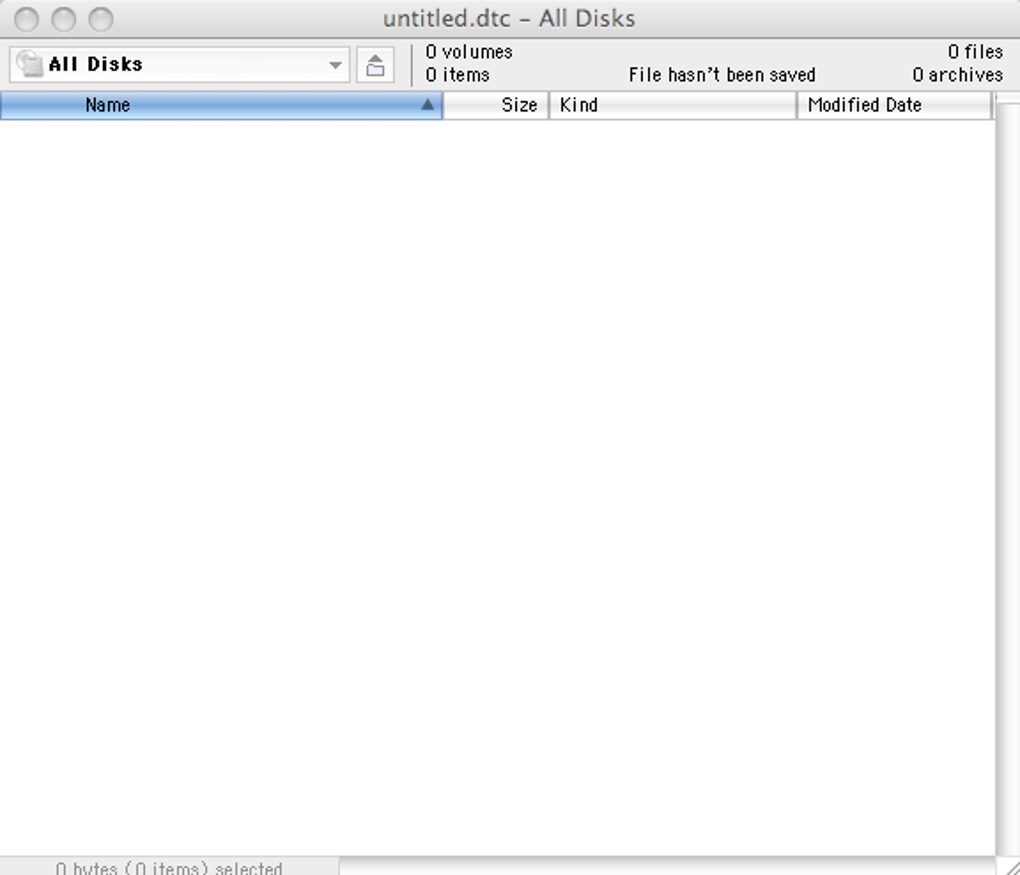
Once installed, launch DiskTracker from the Launchpad or Spotlight. The first time you run the app, it will request permission to access removable volumes—a necessary step for building the index. Grant the permission in the Security & Privacy pane if prompted. DiskTracker then begins scanning any currently connected drives. You can watch progress in the main window, which displays a tree view of each device and its folder hierarchy.
After the initial scan, the app moves to a background daemon that monitors for new drive connections. When you plug in a fresh USB stick, DiskTracker automatically indexes its contents and updates the local catalog. To search, simply type your query into the built‑in search bar or use the standard macOS Spotlight shortcut (⌘ Space). DiskTracker’s indexed entries appear alongside native files, clearly marked with a tiny external‑drive icon.
Advanced users can right‑click any indexed entry to reveal actions such as “Reveal in Finder,” “Copy Path,” or “Add Tag.” Tags help you group related files across multiple drives without moving them physically. For example, you might tag all project‑related photos on several SD cards with “ProjectX,” then retrieve the entire set with a single search.
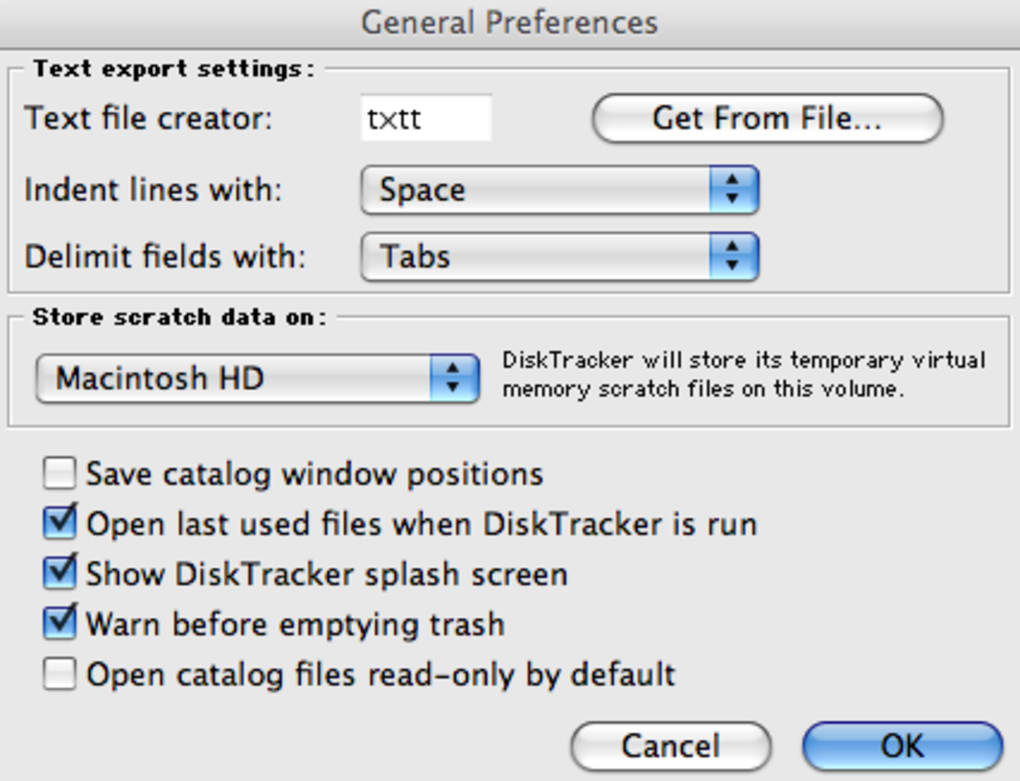
Maintenance is straightforward: the “Preferences” panel lets you set how often the index refreshes, exclude specific volumes, or purge the catalog entirely. Because DiskTracker stores only metadata, your actual files remain untouched, ensuring a secure and non‑intrusive workflow.
Pros, Cons & Frequently Asked Questions
Pros
- Searches offline files without needing the physical media.
- Low system resource usage; runs quietly in the background.
- Supports incremental indexing, which speeds up updates.
- Free beta version provides core functionality for all users.
- Tagging system adds an extra layer of organization across drives.
Cons
- Interface feels dated and lacks modern visual polish.
- Still in beta – occasional minor bugs when handling very large volumes.
- No native Windows or Linux version (Mac‑only).
- Limited advanced reporting; only basic file count statistics are available.
- Priority support and future feature roadmap are behind a paid upgrade.
FAQ
Can DiskTracker index encrypted drives?
Yes, as long as the drive is unlocked and mounted in macOS, DiskTracker can read the file structure and add it to the index. The app never stores the actual file contents, only metadata.
Is my data safe while DiskTracker is running?
DiskTracker operates in read‑only mode; it never modifies or moves files on the removable media. The index is stored locally in a protected folder, and the app respects macOS sandboxing rules.
How often does DiskTracker refresh its index?
By default, the index updates automatically whenever a new drive is connected or when a previously indexed drive is re‑mounted. Users can adjust the refresh interval in Preferences, ranging from real‑time to daily scans.
Can I exclude specific folders or drives from indexing?
Yes. The Preferences panel includes an “Exclusions” list where you can add drive names or folder paths you do not want to catalog. This helps keep the index lean and focused on essential data.
Will DiskTracker work on macOS Ventura and later?
The latest beta build has been tested on macOS Ventura (13) and macOS Sonoma (14). No major compatibility issues have been reported, and the developer continues to monitor OS updates for any needed patches.
Conclusion & Call to Action
If you regularly shuffle files between external drives, USB sticks, or SD cards, DiskTracker offers a pragmatic answer to the “where did I save that?” dilemma. Its ability to surface offline files through Spotlight, combined with a lightweight footprint and free beta pricing, makes it a worthwhile addition to any Mac power‑user’s toolbox. While the UI could benefit from a modern refresh and the beta status suggests future polishing, the core functionality is solid and reliable. Download DiskTracker today, let it build a comprehensive catalog of your removable media, and reclaim the confidence that comes with instant, offline searchability.