
Download Docker Desktop – Free Container Management Tool for Windows, macOS, and Linux
Overview
Docker Desktop is a freemium development kit that brings the power of containers to developers, IT operations, and business leaders alike. Built on top of Docker Engine, Docker Desktop lets you create, run, and share applications inside lightweight, portable containers that include every dependency—code, runtime, system tools, and libraries. This guarantees that an app behaves identically on any machine, whether it’s a developer’s laptop, a CI/CD server, or a production cluster. Docker Desktop offers both a free tier for individual developers and small teams, as well as paid subscriptions that unlock advanced security, management, and support features for enterprises. By abstracting the underlying OS and hardware, Docker Desktop helps you squeeze more workloads onto the same hardware, accelerate onboarding of new developers, and simplify the lifecycle of complex, multi‑service applications. Its intuitive GUI, integrated Kubernetes, and seamless CLI integration make it a go‑to platform for modern DevOps workflows.
Key Features and Benefits
- Cross‑Platform Support: Native installers for Windows 10/11 (both Intel and ARM), macOS (Apple Silicon and Intel), and Linux distributions.
- Integrated Kubernetes: One‑click enablement of a local Kubernetes cluster for testing orchestration scripts and Helm charts.
- Docker Compose V2: Simplified multi‑container definitions using YAML, with support for extensions and health checks.
- Resource Management Dashboard: Real‑time visibility into CPU, memory, and disk usage per container, with sliders to cap resources.
- Secure Credential Store: Encrypted storage for Docker Hub, private registries, and GitHub Packages credentials.
- Extensions Marketplace: Add‑ons for VS Code integration, Azure Container Apps, and third‑party monitoring tools.
- Automatic Updates: Background download of patches and minor releases, ensuring you stay on the latest stable version without manual intervention.
- CLI Compatibility: Full support for Docker CLI commands, Docker BuildKit, and experimental features via the command line.
These features translate into tangible benefits for every stakeholder. Developers gain a consistent environment that mirrors production, reducing “works on my machine” bugs. Operations teams can run multiple services on the same host without conflict, thanks to namespace isolation. Business leaders see faster time‑to‑market because teams can ship containers directly to cloud platforms or on‑premise servers with minimal re‑configuration. Moreover, Docker Desktop’s free tier removes financial barriers for startups, while the premium tier offers compliance tools such as image scanning and role‑based access control (RBAC) that meet enterprise security standards.
Installation, Usage & Compatibility
Step‑by‑Step Installation
- Visit the official Docker website and download the installer that matches your operating system (Windows, macOS, or Linux).
- Run the installer and follow the on‑screen wizard. Windows users will be prompted to enable WSL 2; macOS users will be asked to grant privileged access for networking.
- After installation, launch Docker Desktop. The application will perform a quick health check, download the latest Engine, and start the daemon.
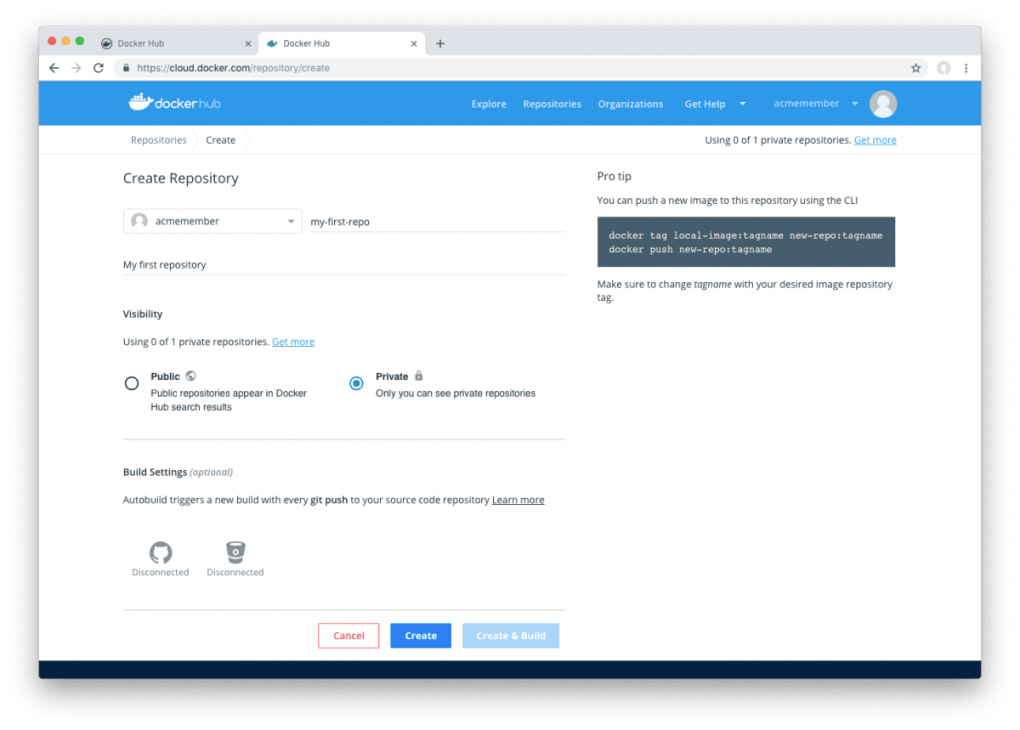
- Sign in with a Docker ID (optional for free tier) to access Docker Hub and private registries.
- Verify the installation by opening a terminal and typing
docker versionanddocker compose version. Both commands should return version numbers without errors.
Basic Usage Workflow
Once Docker Desktop is running, you can start building containers using the CLI or the integrated UI. A typical workflow looks like this:
- Create a Dockerfile: Define the base image, copy source files, install dependencies, and set the entry point.
- Build the image:
docker build -t myapp:latest . - Run the container:
docker run -d -p 8080:80 myapp:latest - Compose multi‑service apps: Write a
docker-compose.ymland executedocker compose up. - Deploy to Kubernetes: Enable the Kubernetes toggle in Docker Desktop, then apply manifests with
kubectl apply -f.
Compatibility and System Requirements
Docker Desktop runs on the following platforms:
- Windows: 10 Pro, Enterprise, or Education (64‑bit) with WSL 2 enabled; Windows 11 Home also supported via WSL 2.
- macOS: macOS 10.15 (Catalina) or later; both Intel and Apple Silicon chips are fully supported.
- Linux: Official packages for Ubuntu, Debian, Fedora, and CentOS; requires a kernel version ≥ 4.19 and the
containerdruntime.
Recommended hardware includes at least 4 GB of RAM (8 GB for Kubernetes), a dual‑core CPU, and 2 GB of free disk space for images and containers. Docker Desktop automatically detects available resources and allows you to adjust limits via the Settings → Resources pane, ensuring that containers do not starve the host OS.
Pros, Cons & Frequently Asked Questions
Pros
- Easy to install with a polished graphical interface.
- Cross‑platform consistency eliminates environment drift.
- Built‑in Kubernetes provides a realistic testbed for orchestration.
- Free tier sufficient for most individual developers and small teams.
- Automatic updates keep security patches current.
Cons
- Resource‑heavy on low‑end machines; may require manual tuning.
- Enterprise features locked behind a subscription.
- Linux version still relies on manual package management for some distributions.
- Initial startup time can be several seconds as the daemon initializes.
- Complex networking setups (e.g., VPN passthrough) sometimes need extra configuration.
Frequently Asked Questions
Is Docker Desktop free for commercial use?
Yes, the basic Docker Desktop offering is free for individual developers, students, and small businesses with fewer than 250 employees. Larger organizations are required to purchase a Pro, Team, or Business subscription to comply with Docker’s licensing terms.
Can I run Docker Desktop on Windows Home edition?
Starting with version 4.0, Docker Desktop supports Windows 11 Home and Windows 10 Home via the Windows Subsystem for Linux 2 (WSL 2). You must enable WSL 2 and install a Linux distribution from the Microsoft Store before installing Docker Desktop.
How does Docker Desktop handle security updates?
Docker Desktop checks for updates daily. When a new patch is available, it notifies you via the UI and can automatically download and install it in the background. Enterprise users can control update policies through the admin console.
Do I need to learn Kubernetes to use Docker Desktop?
No. Docker Desktop works perfectly with the Docker Engine alone. Kubernetes is optional and can be enabled with a single toggle for those who want to experiment with orchestration or test Helm charts locally.
What resources does Docker Desktop consume on my machine?
By default Docker Desktop allocates 2 GB of RAM and 2 CPU cores on Windows and macOS. These values can be adjusted in Settings → Resources. Linux installations rely on the host’s container runtime, so resource usage aligns with the containers you run.
Conclusion & Call to Action
Docker Desktop remains the most accessible gateway to containerization for developers across all major operating systems. Its blend of a friendly UI, powerful CLI, built‑in Kubernetes, and a robust extension ecosystem makes it a versatile tool for everything from single‑service prototypes to complex microservice architectures. While the free tier covers most everyday scenarios, enterprises benefit from the added security, management, and support features found in the paid plans. If you’re ready to eliminate environment drift, accelerate onboarding, and future‑proof your applications, Docker Desktop is the logical next step.
Ready to start building containerized applications? Download Docker Desktop now and experience the seamless workflow that powers millions of developers worldwide.
Pros: Easy installation, cross‑platform consistency, integrated Kubernetes, free tier for individuals.
Cons: Higher resource consumption on low‑end hardware, advanced features locked behind a subscription.