
Download Eclipse SDK – Android, iOS, Java, C, C++, open-source, plugin-based, customizable, development tools, IDE, programming, coding, software development, code editor, code assistance, debugging, refactoring, version control, multi-language support, open-source collaboration
Overview
Eclipse SDK is a mobile implementation of the renowned Eclipse Integrated Development Environment (IDE), originally developed by IBM and now maintained by the Eclipse Foundation. Designed as a powerful tool for software developers, it brings core IDE functionalities directly to mobile devices, supporting Java, C, and C++ programming languages. The app enables developers to manage coding workflows on the go, offering a portable solution for writing, testing, and debugging code outside traditional desktop environments. Its primary purpose is to extend the capabilities of the Eclipse ecosystem into mobile platforms, allowing for real-time code access and minor edits while on the move.
The target users include mobile developers, students learning programming, and professionals managing multiple projects across devices. By supporting multi-language development and plugin-based extensions, Eclipse SDK caters to a diverse audience seeking flexibility and customization. It plays a key role in the mobile productivity ecosystem by bridging the gap between desktop IDEs and mobile usability. Although the developer did not provide additional technical details about its architecture or integration with desktop versions, the app’s foundation in open-source collaboration suggests transparency and community-driven development. Real-world use cases may include reviewing code snippets during travel, preparing for interviews, or managing small-scale scripting tasks from a smartphone.
Key Features & Functionality
- Open-Source Foundation: Built on the Eclipse Foundation’s open-source model, the app allows users to access and modify source code, fostering transparency and community contributions.
- Plugin-Based Architecture: The modular design enables developers to extend functionality through plugins, supporting custom tools, language parsers, and integrations tailored to specific project needs.
- Multi-Language Support: While primarily optimized for Java, the SDK supports C and C++ development, allowing users to switch between languages within the same environment without needing separate tools.
- Customizable Interface: Users can personalize perspectives, layouts, and tool configurations to match their preferred workflow, enhancing efficiency and reducing context switching.
- Integrated Development Tools: Features include code assistance, syntax highlighting, debugging utilities, refactoring options, and version control integration, all accessible within a unified mobile interface.
For example, a developer preparing for a coding interview could use the app to review Java algorithms on a mobile device, while a student might use it to practice C++ syntax during a commute. The ability to maintain consistent coding practices across devices improves continuity in project development. Although the developer did not specify the extent of plugin compatibility or offline capabilities, the app’s design suggests it is intended for lightweight coding tasks rather than full-scale application development.
Interface, UX & Performance
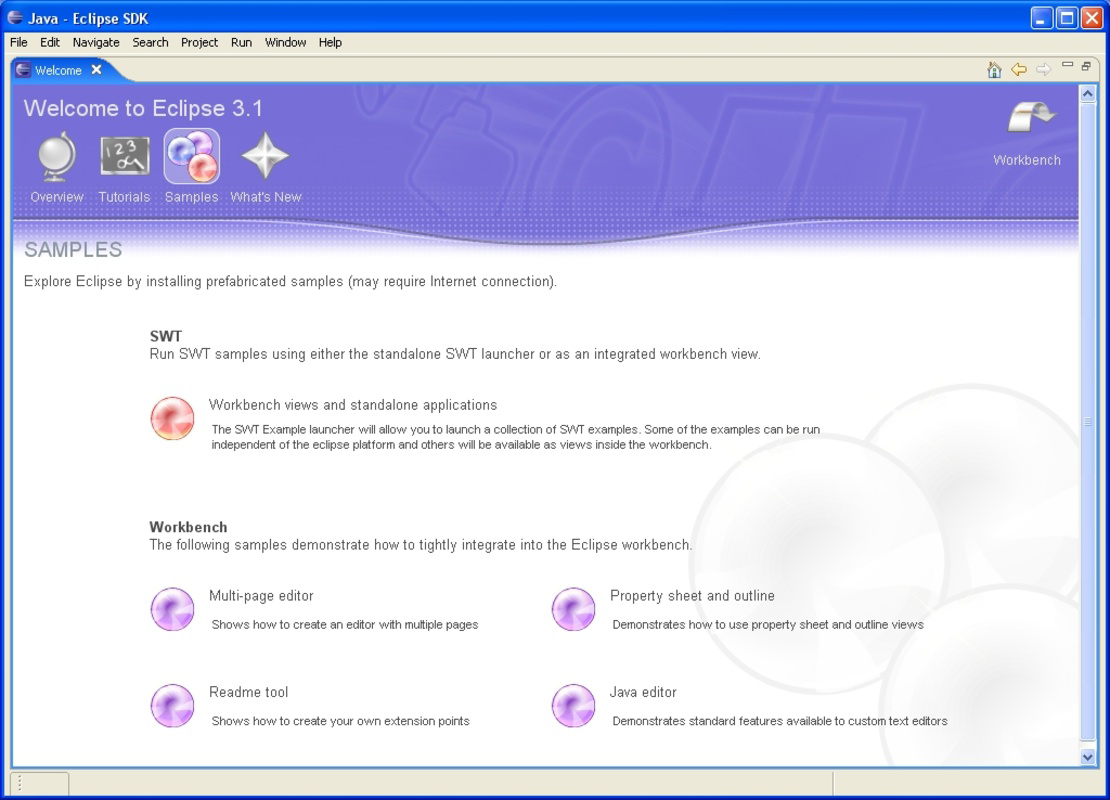
The user interface of Eclipse SDK follows a clean, structured layout typical of IDEs, with toolbars, editor panels, and project navigation elements adapted for touch-based interaction. Visual style emphasizes functionality over aesthetics, prioritizing readability and code clarity. Navigation is designed around a tabbed interface, allowing users to switch between files, projects, and tools with minimal friction. The touch-optimized controls support basic gestures such as tap, swipe, and pinch, though complex keyboard shortcuts may require external input devices.
Usability is enhanced by a familiar workflow that mirrors desktop Eclipse, reducing the learning curve for experienced users. However, the mobile adaptation may present challenges in handling large codebases or multi-file projects due to screen size limitations. Although the developer did not list formal performance metrics, the app’s 100 MB file size suggests a lightweight footprint, potentially enabling smooth operation on mid-range devices. Responsiveness appears adequate for basic coding tasks, but heavy operations like compilation or debugging may be constrained by mobile hardware. Stability is expected to be consistent, given the app’s foundation in a mature open-source platform, though real-world performance may vary depending on device capabilities.
Platform Compatibility & Technical Requirements
Eclipse SDK is available on both Android and iOS platforms, making it accessible to a broad range of mobile users. The app’s version was released on September 13, 2024, and is currently free to download and use. It has a file size of 100 MB, indicating a compact footprint suitable for devices with limited storage. The developer did not specify minimum OS requirements or compatibility details for older devices, nor did they list specific hardware prerequisites such as RAM or processor type.
Users should ensure their device meets general standards for running modern mobile applications. Compatibility with specific Android versions or iOS versions was not disclosed. The app may function on devices with moderate processing power, but performance may be affected on older or low-end models. Installation and updates are expected to follow standard app store procedures, with automatic update options available via the Google Play Store or Apple App Store. No additional permissions were mentioned in the provided data.
Pros and Cons
- Free to download and use with no in-app purchases
- Supports multiple programming languages including Java, C, and C++
- Open-source model promotes transparency and community contributions
- Plugin-based architecture enables customization and extensibility
- Lightweight size (100 MB) suitable for mobile storage
- Developer did not provide detailed compatibility or performance specifications
- Mobile interface may limit functionality for complex coding tasks
- Full desktop IDE features may not be fully replicated on mobile
- Integration with external tools or version control systems not clearly documented
- Limited support for large-scale project management on mobile
FAQ
Is Eclipse SDK available for both Android and iOS?
Yes, Eclipse SDK is available on both Android and iOS platforms, allowing developers to use it across different mobile ecosystems.
Can I use Eclipse SDK for professional software development?
Eclipse SDK offers core development tools suitable for lightweight coding tasks and code review. However, it is best suited for on-the-go use rather than full-scale professional development.
Is Eclipse SDK completely free to use?
Yes, the app is free to download and use with no hidden costs or in-app purchases.
Does Eclipse SDK support external plugins?
Yes, the app is built on a plugin-based architecture, allowing users to extend functionality through compatible plugins, though specific plugin availability was not detailed.
How often is Eclipse SDK updated?
The latest version was released on September 13, 2024. Regular updates are expected, but the frequency was not specified by the developer.
Final Thoughts
Eclipse SDK represents a significant step in bringing desktop-grade development tools to mobile devices. Its open-source foundation, multi-language support, and customizable interface make it a valuable utility for developers who need flexibility and access to their code on the go. While not intended to replace full desktop IDEs, it excels as a companion tool for code review, quick edits, and learning. The lightweight design and free access enhance its appeal across student and professional communities. For those seeking a secure, reliable, and portable coding environment, Eclipse SDK delivers tangible value in a compact package.
Download Eclipse SDK now


