


Download eJournal – Free Windows eBook Creator Tool
Overview
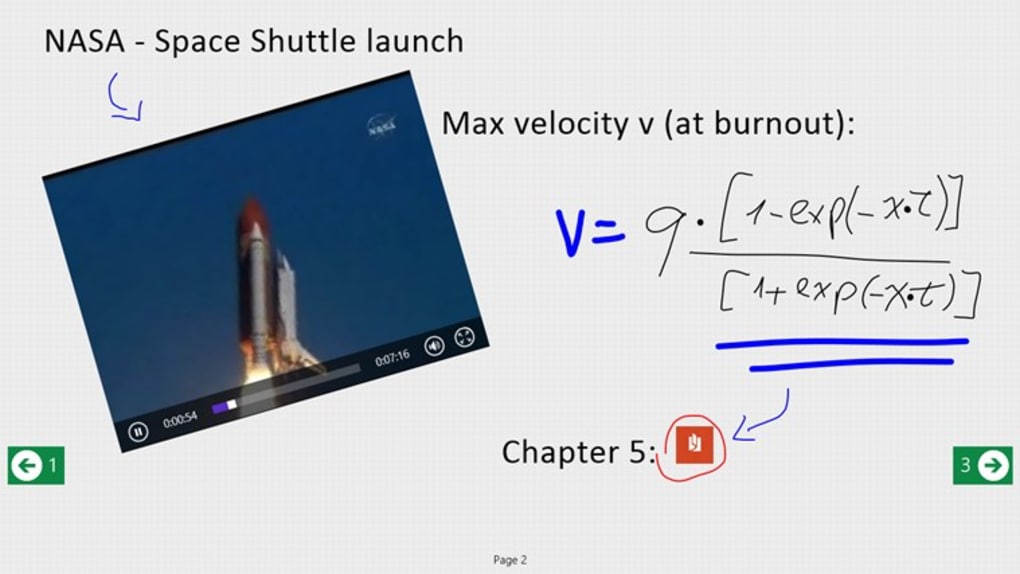
eJournal is a free home‑and‑hobby program designed for Windows users who want to create, organize, and read digital journals or e‑books without the hassle of expensive licences. First introduced in 2012, this lightweight application belongs to the “Creators” sub‑category of eBooks and has become especially popular in Italy, where it amassed over 470 downloads in its first decade. Although the exact install size and current version number are not publicly listed, eJournal continues to be offered as a secure, no‑cost download for Windows 8 and earlier versions, supporting multiple interface languages such as English, Spanish, and German. Its core appeal lies in a simple, clutter‑free interface that lets hobbyists, writers, and educators turn plain text or scanned pages into searchable PDF‑like journals. The tool does not require an internet connection after installation, making it an ideal offline solution for users who value privacy and data ownership. While the last official update dates back to November 19 2012, the software remains functional on supported Windows builds and offers a straightforward way to manage personal digital collections without recurring subscription fees. In the sections that follow, we will explore eJournal’s feature set, walk through the installation process, discuss compatibility, weigh the pros and cons, and answer the most common questions prospective users tend to ask.
Key Features of eJournal
- Free to download and use – no hidden costs or trial periods.
- Simple journal creation wizard that converts text files, images, and scanned pages into a single searchable document.
- Multi‑language interface (English, Spanish, German) for broader accessibility.
- Offline‑first design – all data stays on the local computer, ensuring privacy.
- Basic annotation tools: highlight, add bookmarks, and insert comments.
- Export options to PDF and standard ePub formats for easy sharing.
- Lightweight installer that runs on Windows 8, Windows 7, and earlier versions.
- Support for custom cover pages and table‑of‑contents generation.
- Automatic backup of journal files to a user‑chosen folder.
- Secure file handling with optional password protection for sensitive journals.
While eJournal does not boast the advanced AI‑driven editing tools found in premium e‑book suites, its focus on simplicity and reliability makes it an excellent choice for hobbyists who want a dedicated, free app for personal publishing. The feature list may look modest, but each component is built to work seamlessly on older Windows machines, keeping the software responsive even on systems with limited RAM or processing power. For users looking to create a family recipe collection, a classroom reading log, or a personal travel diary, eJournal provides just enough functionality without overwhelming the user with a steep learning curve.
Installation & First‑Time Usage Guide
Downloading and installing eJournal is intentionally straightforward. Follow these steps to get the app up and running on a Windows 10 machine (or any compatible version):
- Download the installer. Visit the official download page and click the “Download eJournal – Free” button. The file is typically named
eJournal_Setup.exeand is less than 20 MB in size. - Run the installer. Double‑click the downloaded file. Windows will display a User Account Control (UAC) prompt; confirm that you want to allow the program to make changes to your device.
- Accept the license agreement. The installer presents a short End‑User License Agreement (EULA). Read it quickly, then click “I Agree” to continue.
- Choose the installation folder. By default, eJournal installs to
C:\Program Files\eJournal. You can change this path if you prefer a different location or a portable USB drive. - Complete the installation. Click “Install” and wait for the progress bar to finish. Once done, you may launch eJournal immediately by checking “Run eJournal” or by opening it later from the Start menu.
Upon first launch, eJournal greets you with a welcome wizard. The wizard guides you through creating your initial journal:
- Name your journal. Enter a descriptive title (e.g., “My 2025 Travel Diary”).
- Select source files. Click “Add Files” to import plain‑text documents, JPEG/PNG images, or scanned PDFs.
- Configure layout. Choose a page size (A4 or Letter) and set margins. You can also enable automatic page numbering.
- Enable optional security. If your journal contains sensitive information, tick the “Password protect this journal” box and set a strong password.
- Generate the journal. Click “Create” and let eJournal compile the content into a single searchable file.
After the journal is built, you can open it directly within the application, add bookmarks, highlight text, or export it to PDF for sharing. The entire workflow is designed to be completed in under ten minutes for a modestly sized journal, making eJournal an efficient tool for quick publishing tasks.
System Compatibility and Requirements
eJournal is officially supported on Windows 8, Windows 7, and earlier Windows releases. Although the software can be installed on Windows 10, users should note that the application was last updated in 2012 and may not take advantage of the latest Windows security features. Minimum system requirements are modest:
- Processor: 1 GHz or faster (Intel or AMD).
- Memory: 512 MB RAM (1 GB recommended for smoother operation).
- Disk Space: At least 50 MB of free storage for the program; additional space required for journal files.
- Graphics: Standard VGA graphics adapter; no dedicated GPU needed.
- Internet: Only required for the initial download; the application works entirely offline after installation.
Because eJournal does not have native versions for macOS, Android, or iOS, users on those platforms will need to run the program through a Windows emulator or virtual machine if they wish to access its features. The lack of a modern update cycle means that newer Windows security patches might flag the installer as “unknown publisher.” To avoid this, always download eJournal from the official source and consider adding an exception in Windows Defender if you trust the file.
Pros and Cons
Pros
- Completely free – no subscription or hidden fees.
- Lightweight and fast, even on older PCs.
- Offline‑first design protects user privacy.
- Multi‑language support broadens its audience.
- Simple interface ideal for beginners.
- Basic security options such as password protection.
- Export to PDF and ePub for easy sharing.
Cons
- No recent updates – may lack compatibility with the latest Windows versions.
- Limited advanced editing tools (no AI‑assisted proofreading or complex layout options).
- Only available for Windows; no native macOS, Android, or iOS apps.
- Installation may trigger Windows Defender warnings due to the program’s age.
- Absence of cloud sync or collaborative features.
Overall, eJournal scores a solid 4 out of 5 for hobbyists seeking a free, secure, and easy‑to‑use Windows tool for creating personal e‑books. Its simplicity is both its greatest strength and its main limitation, making it perfect for casual creators but less suitable for professional publishing pipelines.
Frequently Asked Questions
Is eJournal truly free, or are there hidden costs?
eJournal is completely free to download and use. There are no trial periods, subscription fees, or in‑app purchases. The only cost you might encounter is the standard internet bandwidth used for downloading the installer.
Can I run eJournal on Windows 11?
While eJournal was designed for Windows 8 and earlier, it can often be installed on Windows 11 in compatibility mode. However, because the last official update was in 2012, you may encounter minor visual glitches or security warnings.
Does eJournal support cloud storage or syncing?
No. eJournal is an offline‑first application and does not include built‑in cloud sync. Users can manually copy journal files to a cloud folder (e.g., OneDrive or Dropbox) if they wish to back them up.
What file formats can I import into eJournal?
eJournal accepts plain‑text files (.txt), common image formats (.jpg, .png), and scanned PDFs. These sources are combined into a single searchable journal during the export process.
Is there any way to protect my journal with a password?
Yes. During the creation wizard you can enable the “Password protect this journal” option and set a strong password. The password is required each time the journal is opened within eJournal.
Conclusion – Should You Download eJournal?
If you are looking for a free, lightweight Windows tool to compile personal journals, recipes, or small e‑books without the clutter of modern SaaS platforms, eJournal remains a solid choice. Its offline‑first architecture, multi‑language support, and basic security features make it especially attractive for hobbyists who value privacy and simplicity. However, the lack of recent updates and the absence of macOS, Android, or iOS versions mean that power users or collaborative teams may need to consider more contemporary alternatives.
In short, download eJournal today if you need a straightforward, free Windows app for creating searchable digital journals. Install it, test the basic workflow, and decide whether its feature set meets your personal publishing needs. For anyone comfortable working offline and who does not require advanced design tools, eJournal offers a secure, no‑cost solution that still holds up after more than a decade.
Click here to download eJournal now and start building your digital collection for free.