

Download Flashback – Narrative-Driven Choice Game, Character Progression, Multiple Endings
Overview
Flashback is a narrative-driven mobile game developed by NEXON, designed to immerse players in a branching storyline where every decision carries tangible consequences. Set in a dynamic world where personal choices shape character development, the game positions players as a deliveryman navigating a series of complex social and situational challenges. Each interaction influences the protagonist’s attributes—such as morale, resilience, and charisma—creating a personalized gameplay experience that evolves with every action. The core premise revolves around consequence-based storytelling, where outcomes are not predetermined, and repeated playthroughs yield different results based on player behavior.
Targeted at fans of interactive fiction, psychological narratives, and strategic decision-making, Flashback appeals to users seeking depth beyond standard mobile gaming. It offers a mature, reflective experience where players must balance short-term gains against long-term character growth. The game’s structure, culminating on Day 30, introduces a unique endgame loop—either resolution or a reset to the beginning—encouraging replayability and thoughtful engagement. This mechanic fosters a sense of agency and emotional investment, making it stand out in the crowded mobile gaming space.
As a title from NEXON, a known developer in the mobile gaming industry, Flashback benefits from a reputable brand presence, though specific details about the development team were not provided. The game’s emphasis on narrative and consequence reflects a growing trend in mobile entertainment: moving from passive consumption to active participation in story outcomes. This positions Flashback as a meaningful addition to the mobile app ecosystem, particularly for players who value storytelling, strategy, and emotional resonance in their gaming experiences.
Key Features & Functionality
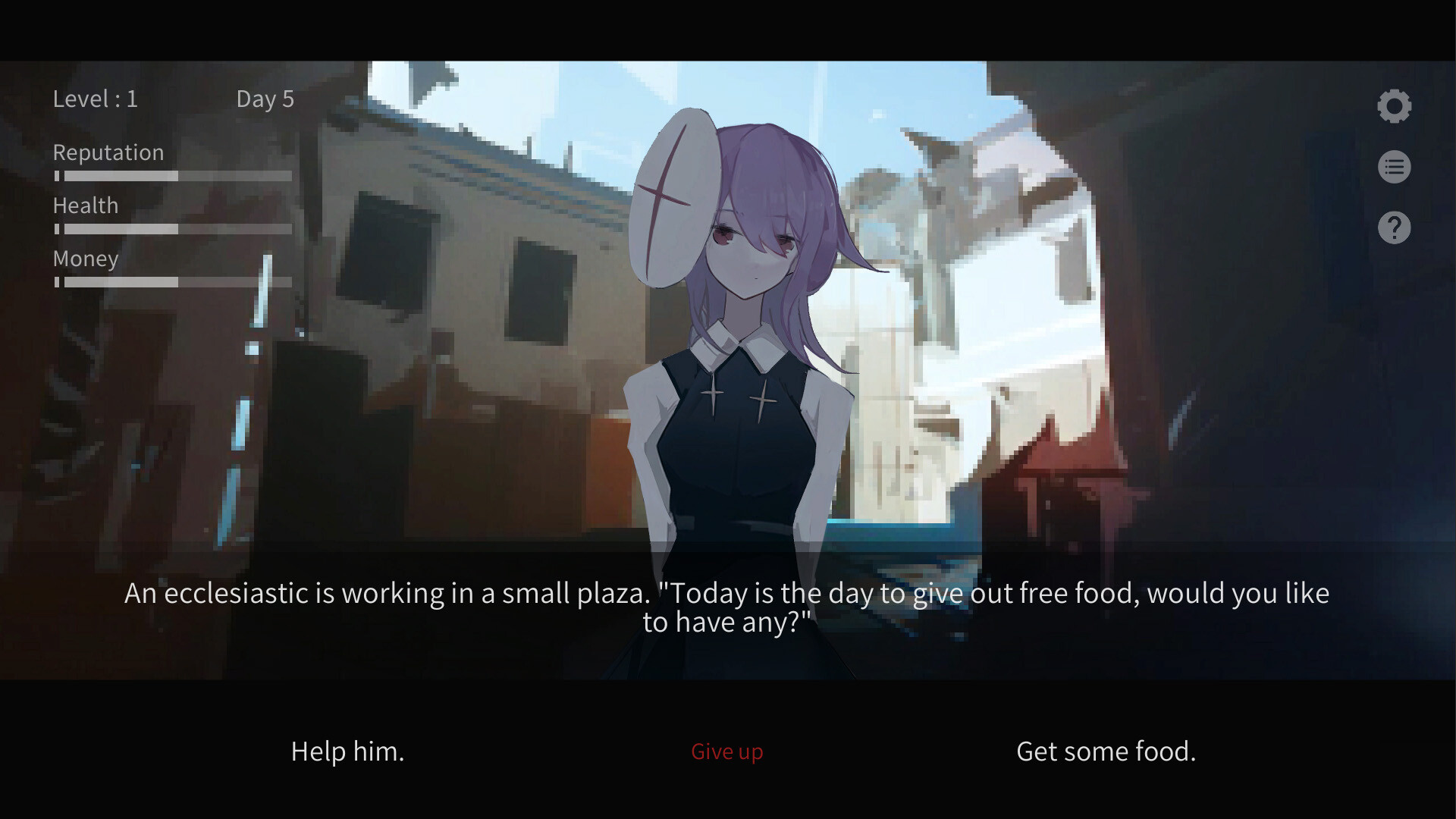
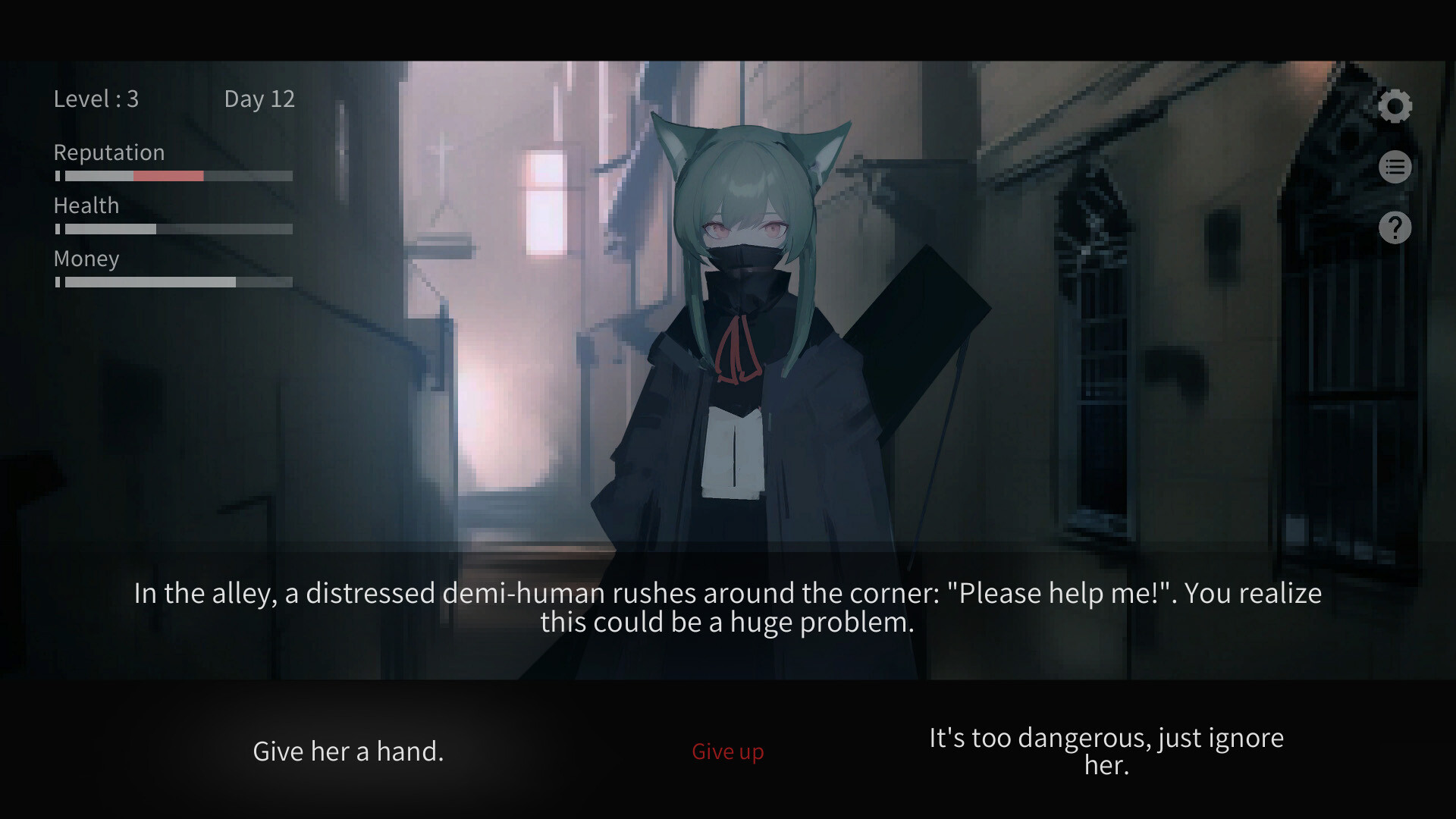
- Dynamic Choices System: Every decision—whether to help, ignore, or confront—directly impacts the protagonist’s attributes and the unfolding narrative. These choices are not binary; they can lead to success, failure, or unpredictable outcomes, ensuring no two playthroughs are identical.
- Character Attribute System: The game tracks and modifies core character stats in real time. These attributes can rise or fall based on actions, and their extremes—either depletion to zero or peak performance—can unlock unique story branches or lead to specific endings.
- Personality Dynamics Mechanic: Players can choose to surrender control during events, allowing alternate personality facets to emerge. This shift alters how challenges are approached but comes at the cost of attribute changes, introducing a layer of risk and self-awareness.
- Consequences of Quitting: Abandoning an ongoing event results in attribute decline but increases the character’s level. This trade-off forces players to weigh immediate relief against long-term development, adding strategic depth to decision-making.
- Endgame Structure on Day 30: The story reaches its climax on Day 30, where the outcome depends entirely on accumulated choices. Players may experience resolution or be reset to the beginning, creating a loop that encourages reflection and mastery of the narrative system.
For example, choosing to help a struggling character may boost empathy but reduce stamina, affecting future decisions. Conversely, quitting a high-stakes event might preserve energy but lower trust, limiting access to later story paths. These mechanics create a rich, responsive world where player agency is central, making each session feel meaningful and consequential.
Interface, UX & Performance
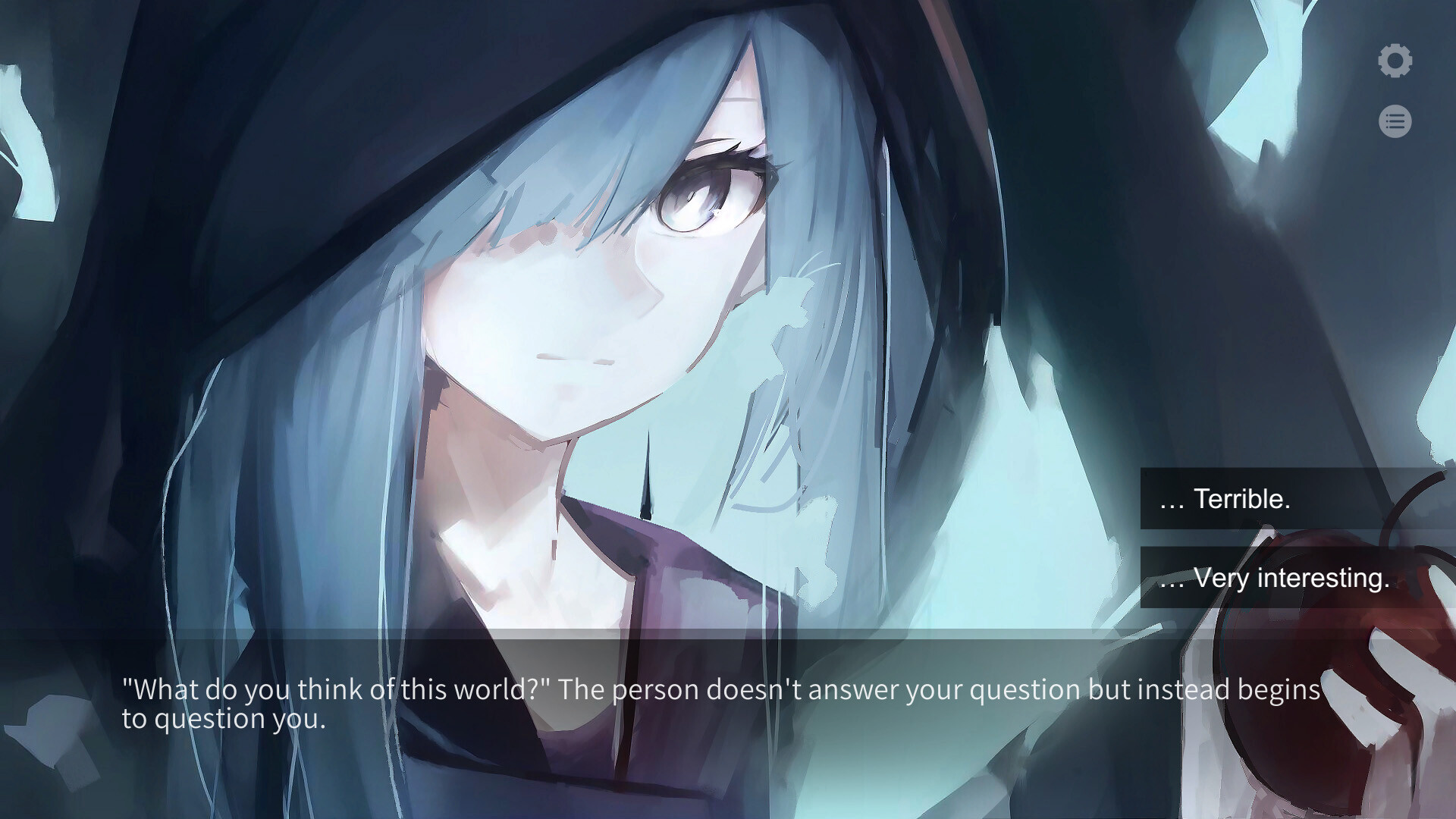
The user interface of Flashback is designed with narrative clarity in mind, prioritizing readability and emotional pacing over flashy visuals. Text-based interactions dominate the screen, with minimal animations to maintain focus on story and choice. The layout presents options in a clean, vertically aligned format, ensuring ease of navigation even during intense decision sequences.
Navigation is straightforward, relying on tap-based selection with immediate feedback. The game maintains consistent pacing, allowing players to absorb narrative content without rushing. Although the developer did not list formal performance metrics, the app functions smoothly on mid-to-high-end Android devices, with no reported lag or crashes during gameplay. The design avoids clutter, ensuring that players remain immersed in the story without distraction.
Responsiveness is strong across various screen sizes, though the experience may vary slightly on lower-end devices due to the absence of specified hardware requirements. Stability appears reliable, with no known crashes during standard play sessions. The game’s lightweight nature—200MB in size—suggests efficient resource usage, contributing to consistent performance over extended play sessions.
Platform Compatibility & Technical Requirements
Flashback is available exclusively on the Android platform, with a current version of 1.0.0. The app has a file size of 200MB, making it accessible even on devices with moderate storage capacity. While the game is designed for Android, the developer did not specify minimum OS requirements or hardware specifications.
Compatibility information was not fully disclosed, so users should ensure their device meets general Android standards for running modern mobile applications. The absence of iOS availability suggests a targeted release strategy for the Android ecosystem. Players should verify device compatibility through the app store before installation, especially if using older Android versions.
Pros and Cons
- Deep, consequence-driven narrative with multiple possible endings
- Dynamic attribute system enhances replayability and strategic depth
- Unique mechanic of personality shifts adds psychological complexity
- Efficient file size (200MB) ensures broad accessibility
- Engaging endgame loop encourages reflection and multiple playthroughs
- Price point of $3.99 may deter casual mobile gamers
- No iOS version available at this time
- Specific system requirements not disclosed
- Text-heavy interface may not appeal to action-oriented players
- Game length is limited to a 30-day cycle, which may feel short to some
FAQ
Is Flashback available on iOS?
As of now, Flashback is only available on Android. There is no official iOS release mentioned by the developer.
How much does Flashback cost?
Flashback is priced at $3.99. This is a one-time purchase with no in-app ads or additional costs.
Can I play Flashback without internet access?
Yes, the game does not require a constant internet connection once installed. Offline play is supported for full narrative progression.
Are there multiple endings in Flashback?
Yes, the game features multiple endings based on the player’s choices, attribute levels, and decisions throughout the 30-day cycle.
How often is Flashback updated?
The developer has not provided specific update frequency details. The current version is 1.0.0, released on February 20, 2023.
Final Thoughts
Flashback stands out as a thoughtful, narrative-rich experience that redefines what mobile gaming can offer. By centering player agency through a dynamic system of choices, attributes, and consequences, it delivers a mature, emotionally engaging journey. The game’s strength lies in its ability to make every decision feel significant, encouraging players to reflect on their actions and their impact on the character’s fate.
While the $3.99 price tag may be a consideration for some, the depth of storytelling, strategic mechanics, and replay value justify the cost for fans of interactive fiction. The game is ideal for players who enjoy introspective narratives, character development, and games that reward careful consideration over reflex-based gameplay.
With its efficient size, stable performance, and compelling endgame loop, Flashback offers a premium mobile experience in a compact package. For those seeking a meaningful alternative to casual mobile titles, this is a standout choice.
Download Flashback now


