Marcusflipped into Lost BonesLost Bones #4: (A Dip with the Sea Creatures)Substack - Marcus BrandelMinnesota's Megafauna Fossil Shortage (Equus) In 1945, Clifford R. Stauffer published Some Pleistocene Mammalian Inhabitants of Minnesota in The Journal …
Marcusflipped into Lost BonesLost Bones #2 (Not Worth Losing an Ear)Substack - Marcus BrandelA Single Mastodon Tooth Introduces Me to a Surprising City Historical Museum I discovered the Northfield History Center through Wikipedia’s "List of …
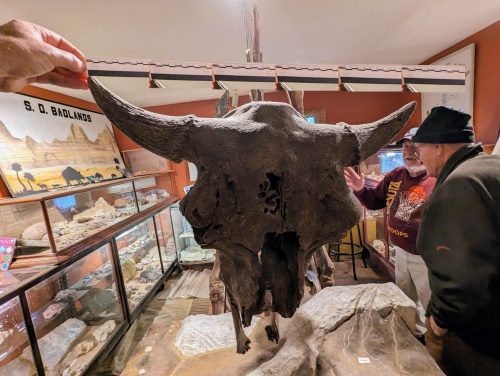
Marcusflipped into Lost BonesLost Bones #1 (Burial Ground)Substack - Marcus BrandelAnoka County Bison Skull 1977.1169.001 and the Ham Lake bison "Burial Ground" Forty-seven years might not seem like that long, but in a world where …
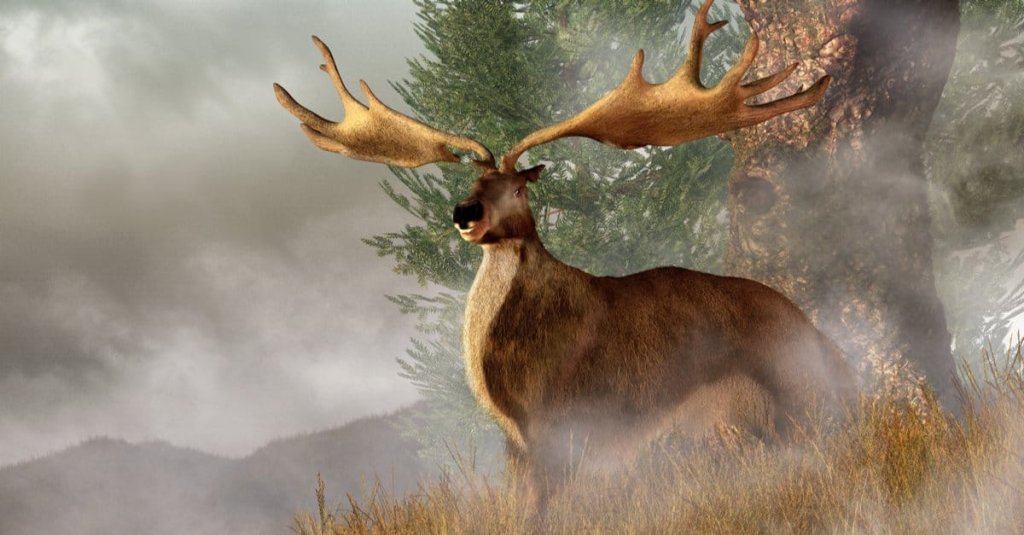
https://www.aol.com/10-000-old-elk-hauled-123000685.htmlMarcusflipped into Megafauna10,000-Year-Old Elk Hauled Out of Northern Irish LakeAOL - Sharon ParryQuick Take Irish elk are actually an extinct type of deer that used to roam Europe and northern Asia. They finally went extinct after the Ice Age with the expansion of forests. Their antlers and skeletons are found in Ireland because the conditions are good here for preservation – hence their name. Two …
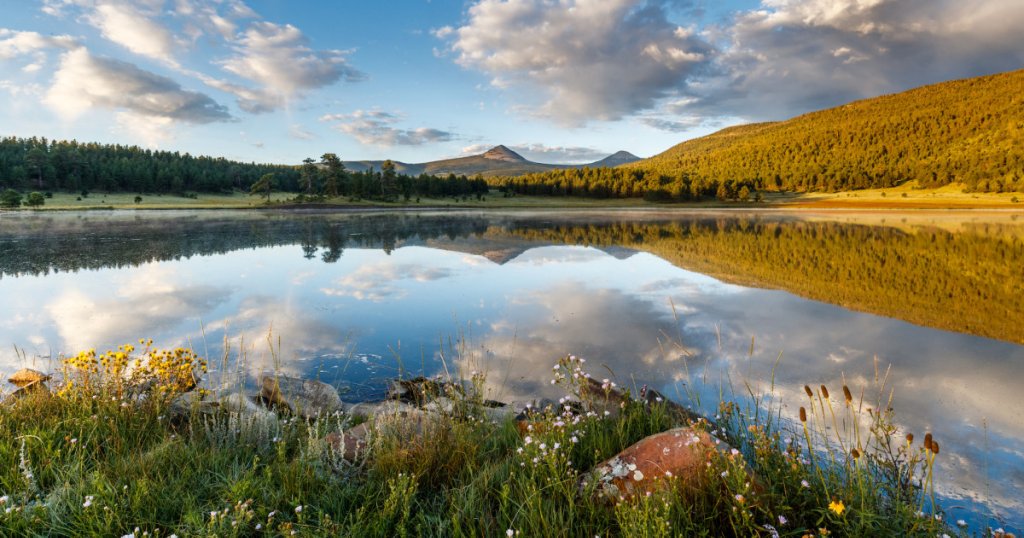
Marcusflipped into RewildingThis New Mexico Secret Is the ‘American Serengeti’ You’ve Never SeenParade Magazine - By Meghann FoyeOne famous media mogul spent 30 years restoring this land—and now he’s inviting you to experience the magic. If you’ve ever felt like the word …
Marcusflipped into Lost BonesGenomic history of early dogs in Europenature.com - Anders Bergström , Anja Furtwängler, Sarah Johnston, Erika Rosengren, Abagail Breidenstein, Thomas Booth, Jesse B. McCabe, Jessica Peto, Mia Williams, Monica Kelly, Frankie Tait, Chris Baumann, Rita Radzeviciute, Christopher Barrington, Kyriaki Anastasiadou, Alexandre Gilardet, Isabelle Glocke, Mattias Sherman, Anastasia Brativnyk, Alexander Herbig, Kay Prüfer, Saskia Pfrengle, Joscha Gretzinger, Tatiana R. Feuerborn, Ella Reiter, Anna Linderholm, Sophy Charlton, Fernando Racimo, Lea Mikkola, Hugo Anderson-Whymark, Douglas Baird, Anne Birgitte Gotfredsen, Hervé Bocherens, Anne Bridault, Rainer Brocke, Dorothée G. Drucker, Andrew S. Fairbairn, Laurent Frantz, Boris Gasparyan, Liane Giemsch, Mietje Germonpré, Luc Janssens, Andrew W. Kandel, Kurt Kjær, Martina Lázničková-Galetová, Daniel Loponte, Ola Magnell, Louise Martin, Susanne C. Münzel, Gökhan Mustafaoğlu, Bjørnar Måge, Angela Perri, Franziska Pfenninger, Martina Roblíčková, Annelise Roman-Binois, Özlem Sarıtaş, Katharina Schäppi, J. Alison Sheridan, Karl-Göran Sjögren, Jan Storå, Lasse Vilien Sørensen, Yvonne Tafelmaier, Florian Ter-Nedden, Olaf Thalmann, Greger Larson, Verena J. Schuenemann, Johannes Krause , Pontus SkoglundThe earliest morphologically identifiable dogs are from Europe and date to at least 14,000 years ago1,2,3,4,5, although early remains are also found …