 Rhea Rae
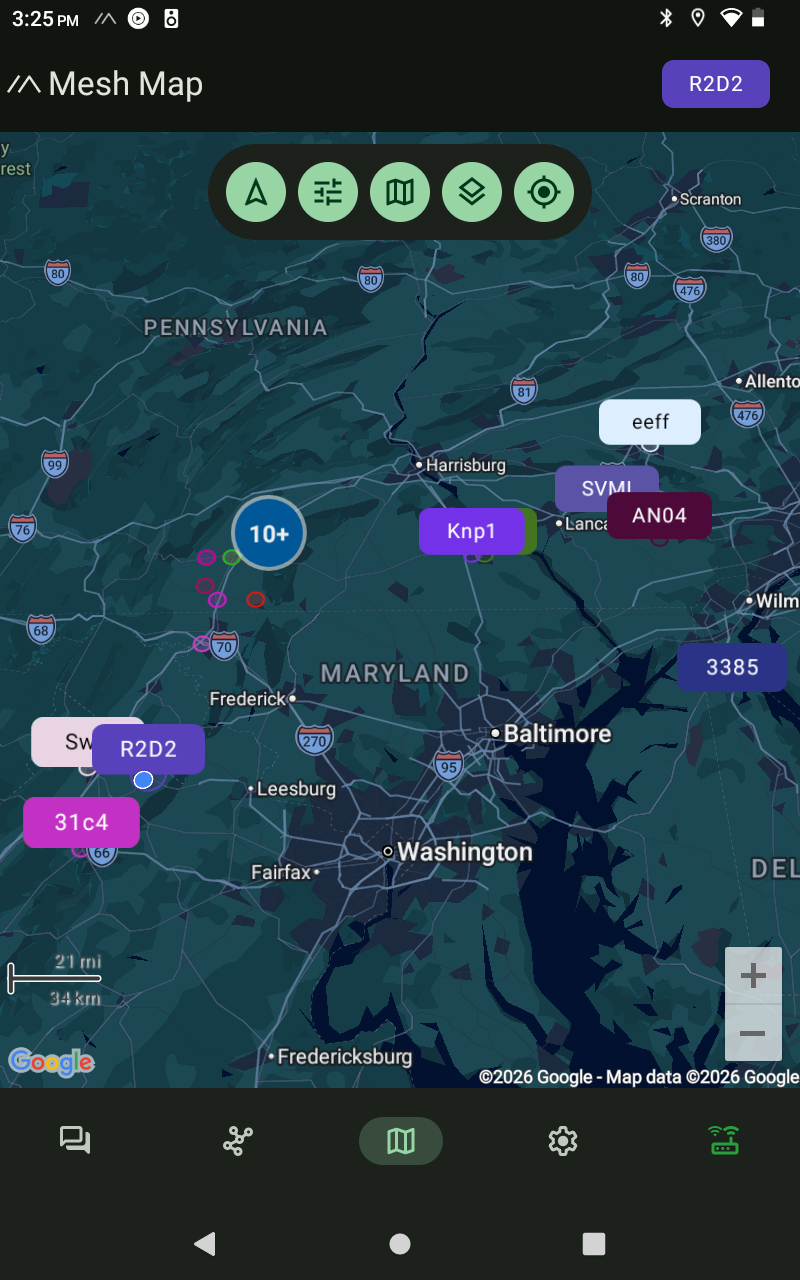
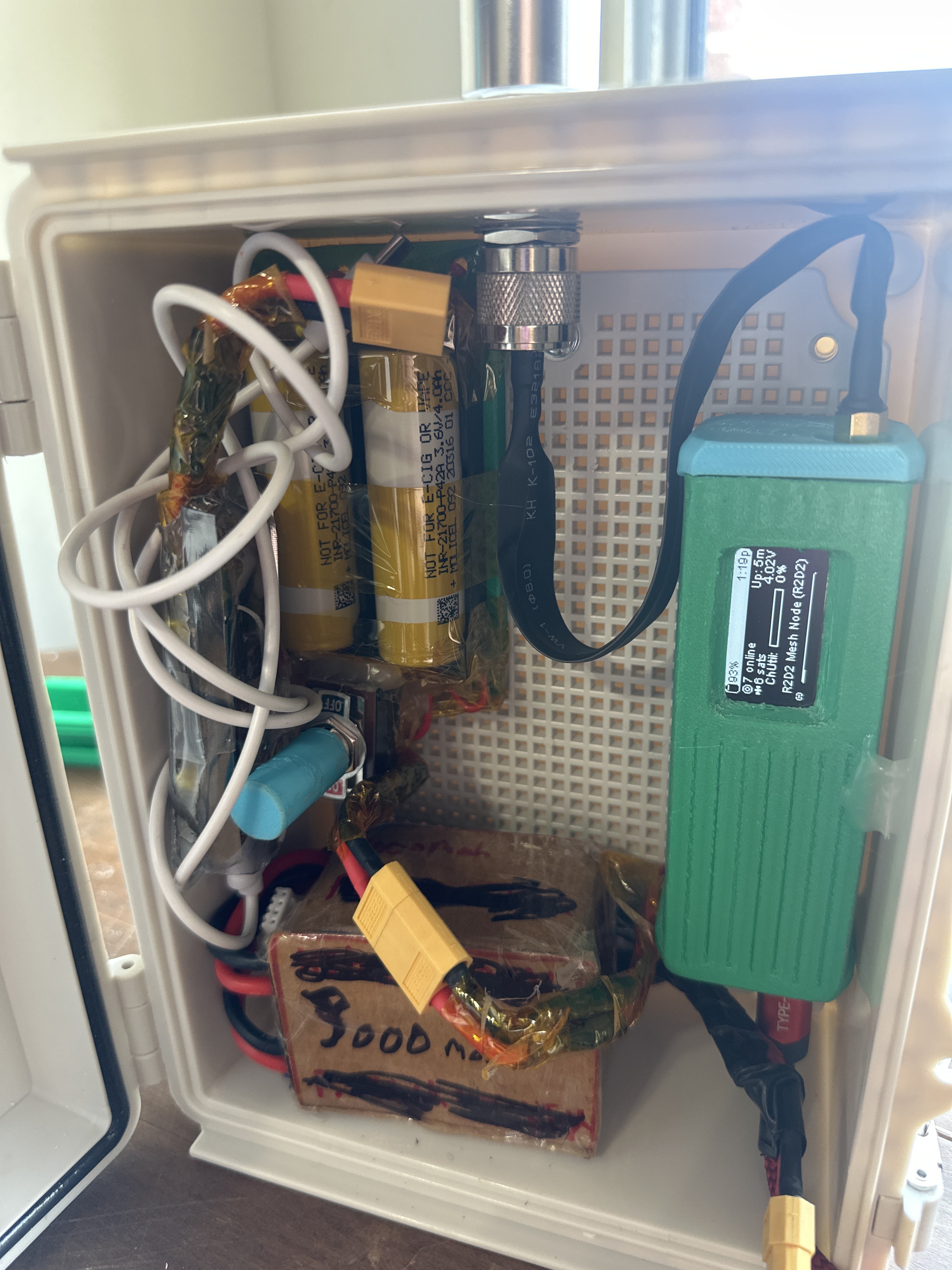
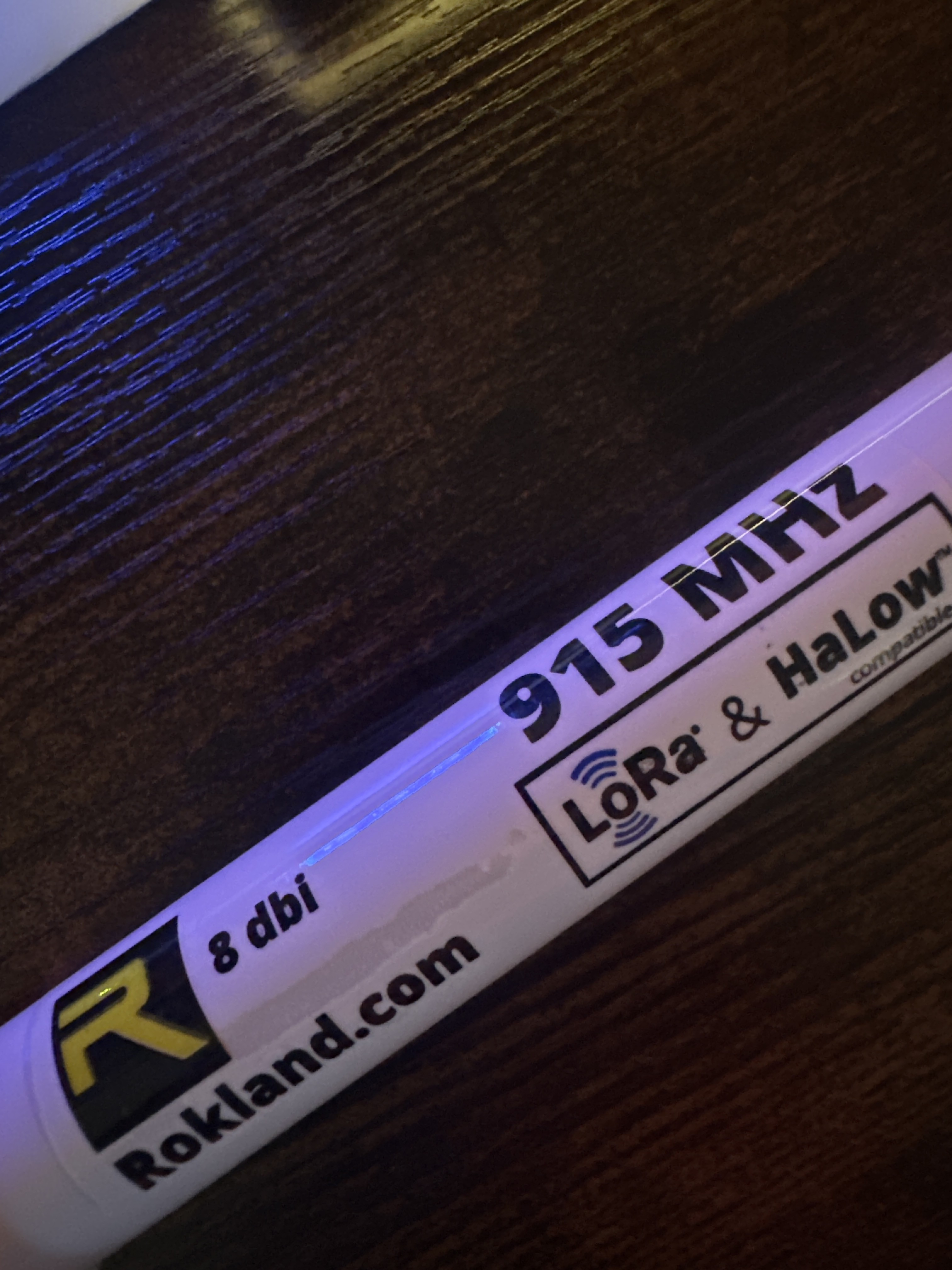
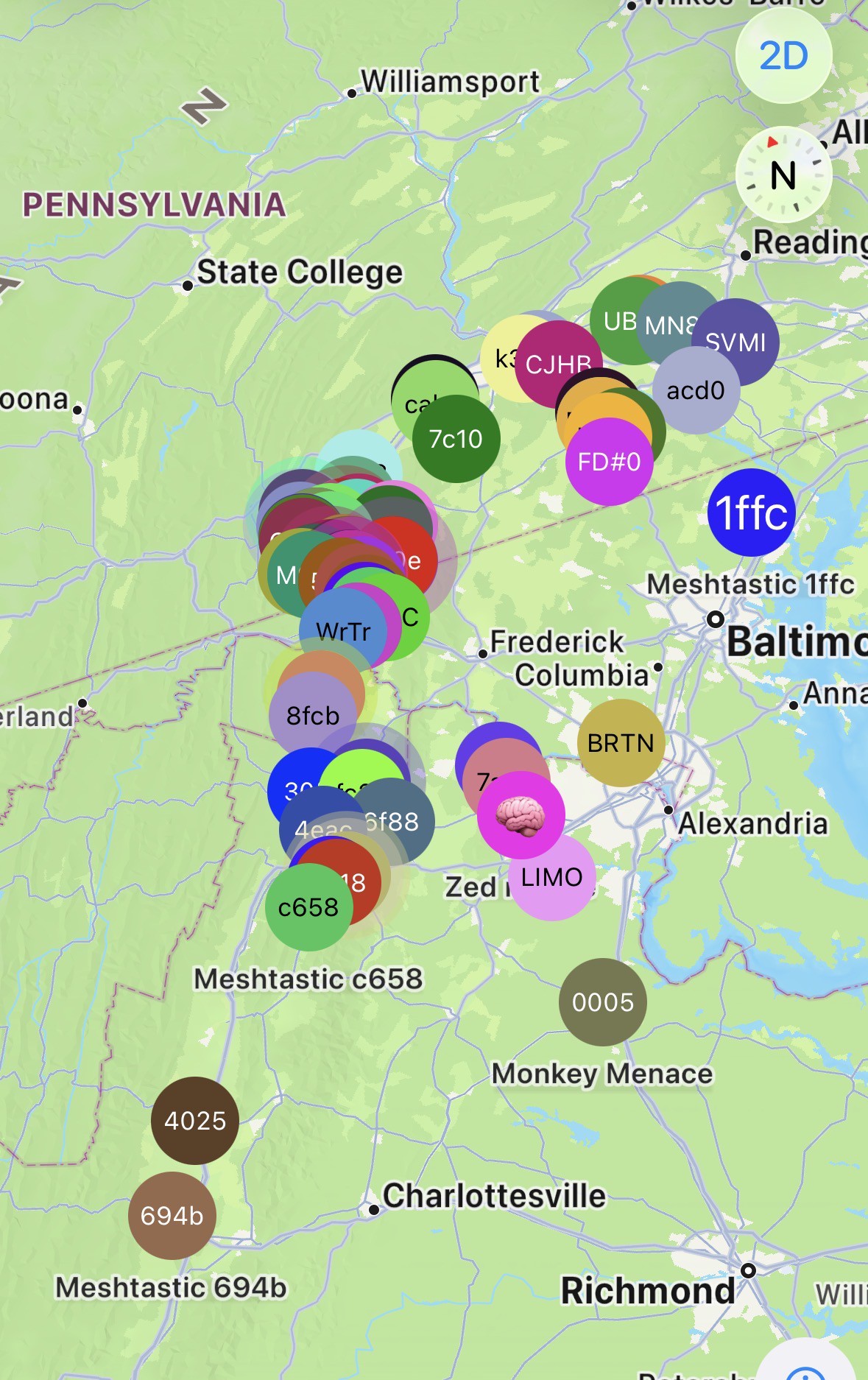
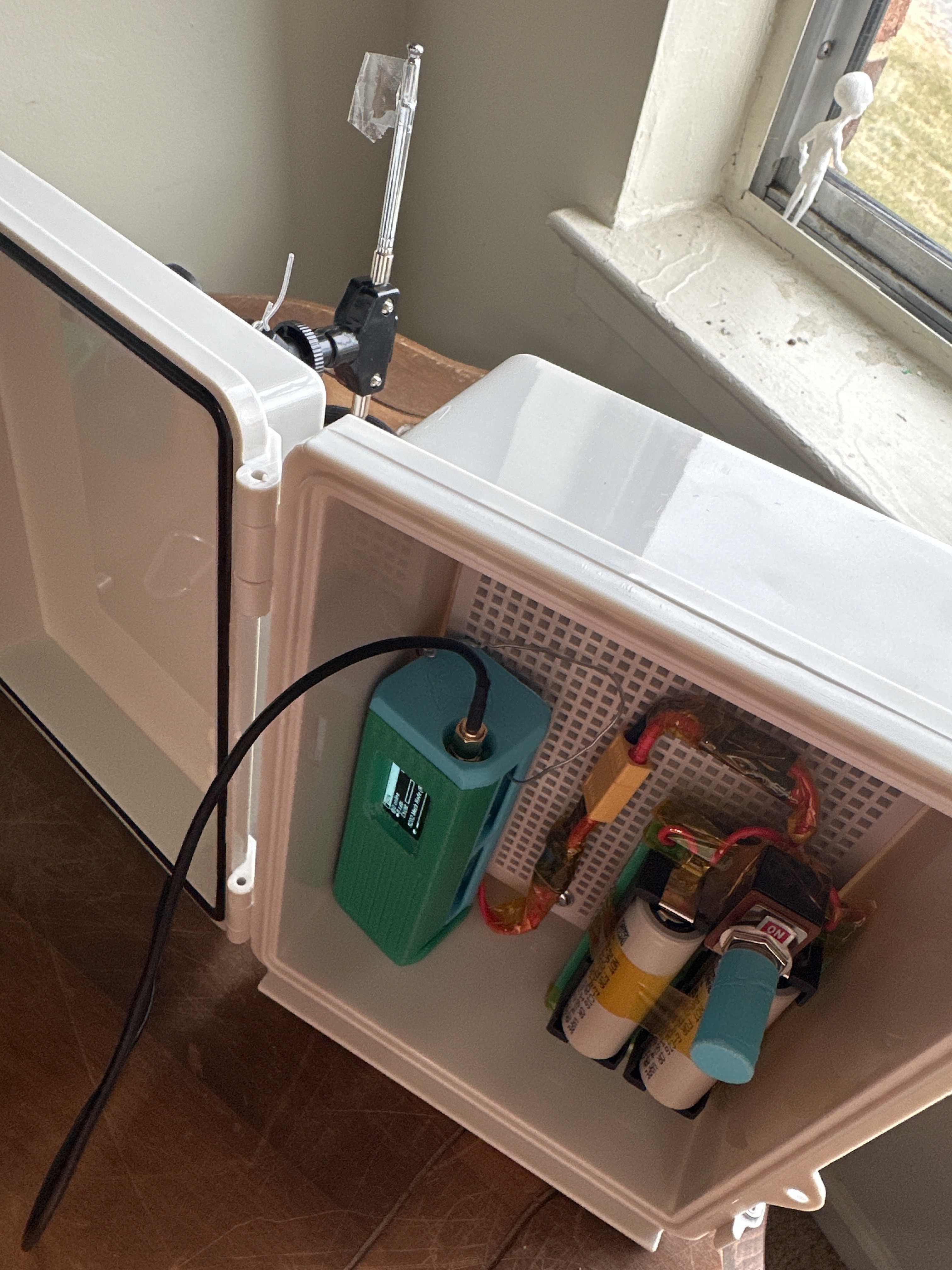
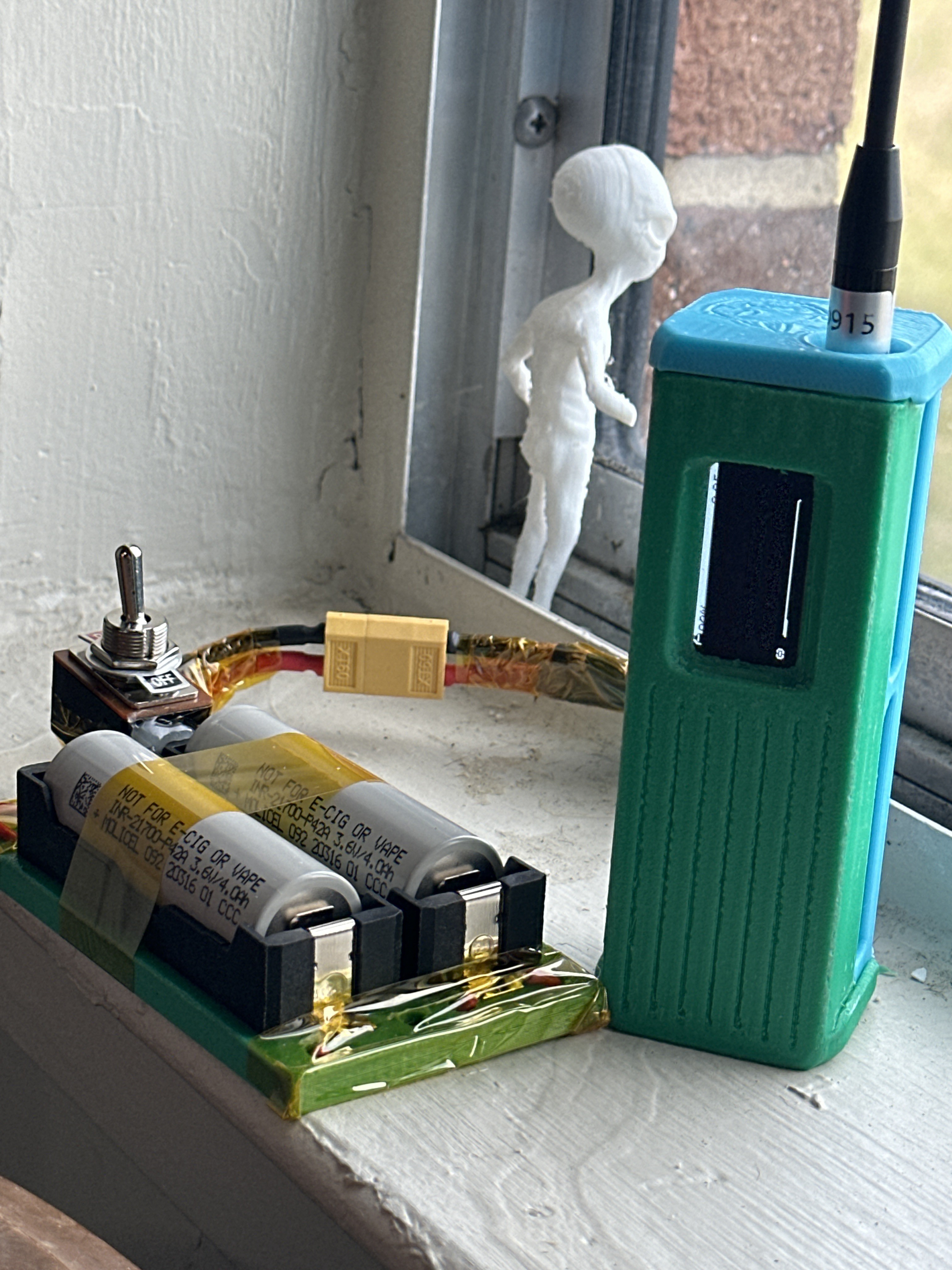
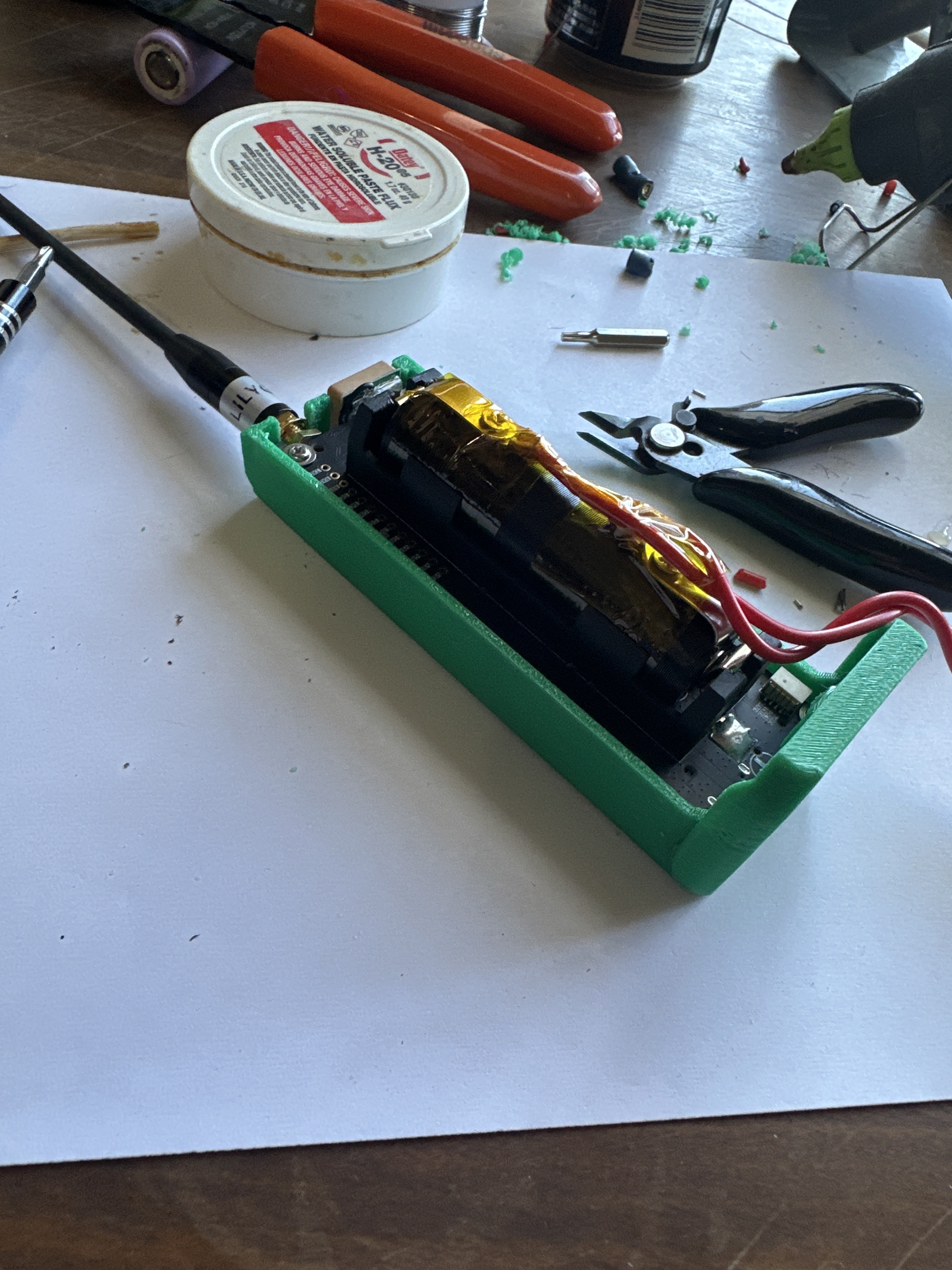
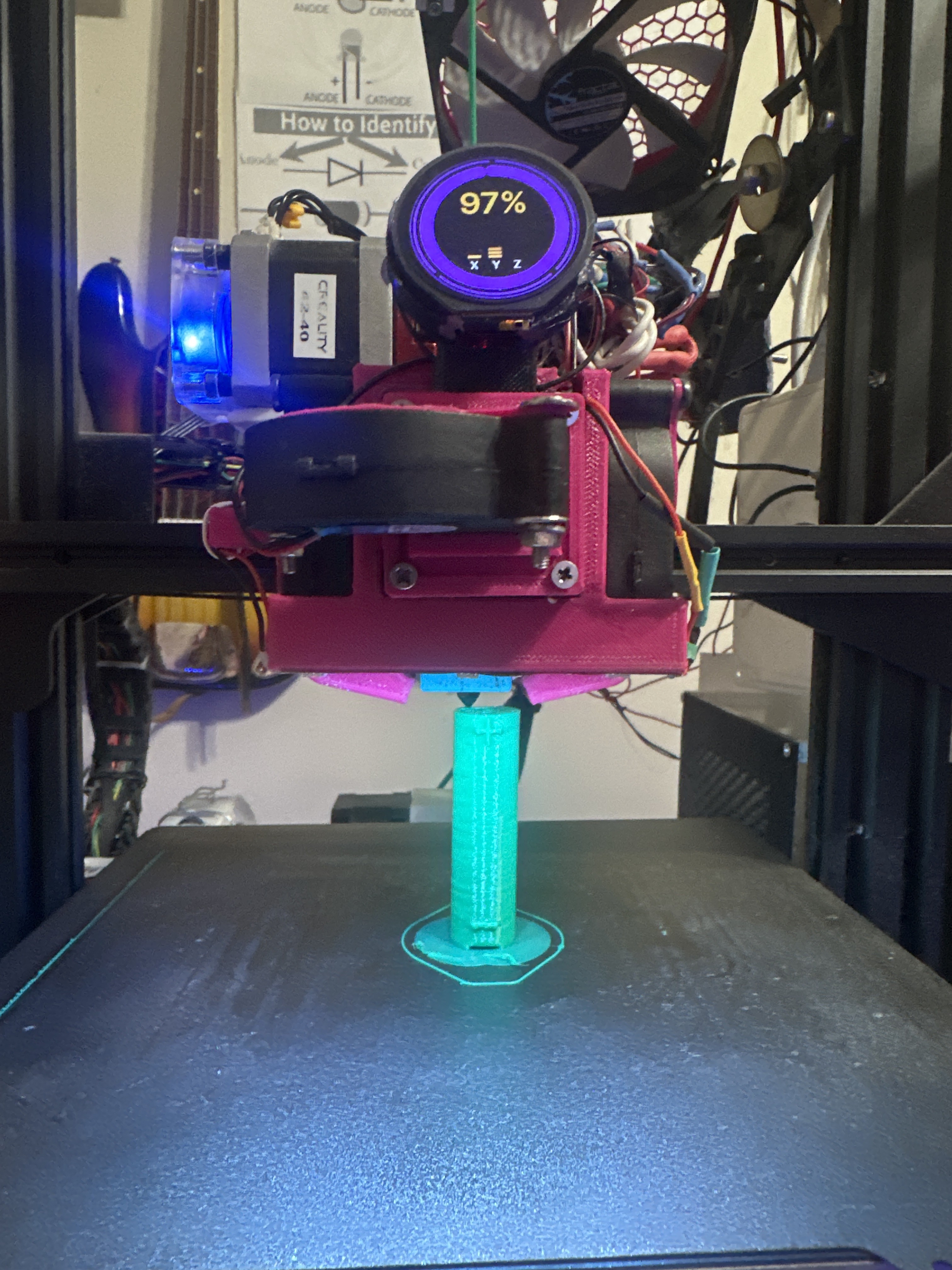
This project is an evolution of my earlier Raspberry Pi SDR experiments, branching from passive radio observation into active LoRa mesh participation using a T-Beam Supreme and a T-Deck Plus running Meshtastic. What started as monitoring signals and spectrum behavior on the Pi turned into hands on experimentation with real world mesh radios: tuning region and channel settings, comparing antennas, adjusting power, GPS, and routing behavior, and observing how a live mesh behaves while mobile versus stationary. The focus is not on building a finished device, but on understanding how configuration choices, environment, and movement affect discovery, acknowledgements, range, and reliability in an imperfect, real world LoRa network and documenting what works, what doesn’t, and what quietly fails when theory meets reality.
0%
0%
LoRa
Exploring RF only LoRa mesh behavior using Lily Go and other various Mesh and “Non Mesh” devices.
Become a Hackaday.io member
Already have an account? Log in.
Just one more thing
To make the experience fit your profile, pick a username and tell us what interests you.
Pick an awesome username

hackaday.io/
Your profile's URL: hackaday.io/username. Max 25 alphanumeric characters.
Pick a few interests
Projects that share your interests
People that share your interests

 Amine Mehdi Mansouri
 morgan
 Martin
 Valent Turkovic