IndiaBiosciencehttps://indiabioscience.org/feed2026-06-19T15:39:08+05:30Next-Generation Drug Discovery: Network Pharmacology, Docking and Zebrafish Models
Workshop
from
to
at
Chennai.
]]>tag:indiabioscience.org,2026-06-19:/events/next-generation-drug-discovery-network-pharmacology-docking-and-zebrafish-models2026-06-19T14:51:00+05:302026-06-19T14:51:41+05:30Shwetha Chttps://indiabioscience.org/authors/zGXpwL2g3eKrb2J
Date
Location
Chennai, Tamil Nadu
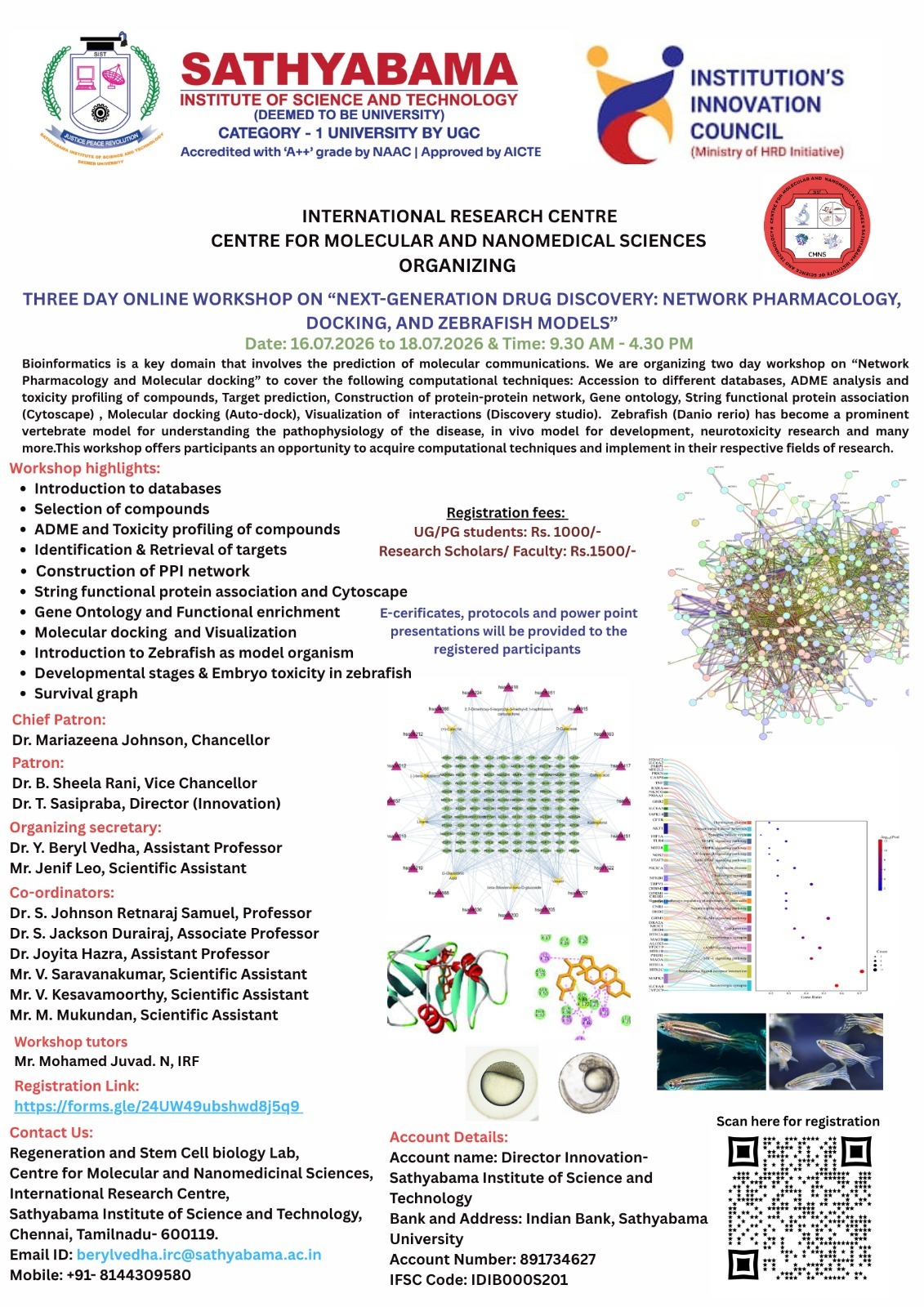
Sathyabama Institute of Science and Technology is organising Three-day online workshop on "Next-Generation Drug Discovery: Network Pharmacology, Docking and Zebrafish Models" from 16th to 18th July 2026 at 'International Research Center of Sathyabama Institute of Science and Technology, Chennai through online mode.
This training is ideal for UG/PG students, research scholars, faculty, and industry professionals who wish to explore in silico computational analyses and Zebrafish models in their research.
Workshop highlights: • Database introduction and compound selection, ADME/toxicity profiling • Target identification, PPI network construction, STRING and Cytoscape • Gene ontology and functional enrichment, molecular docking and visualization • Introduction to zebrafish as a model, developmental stages, embryo toxicity, and survival analysis
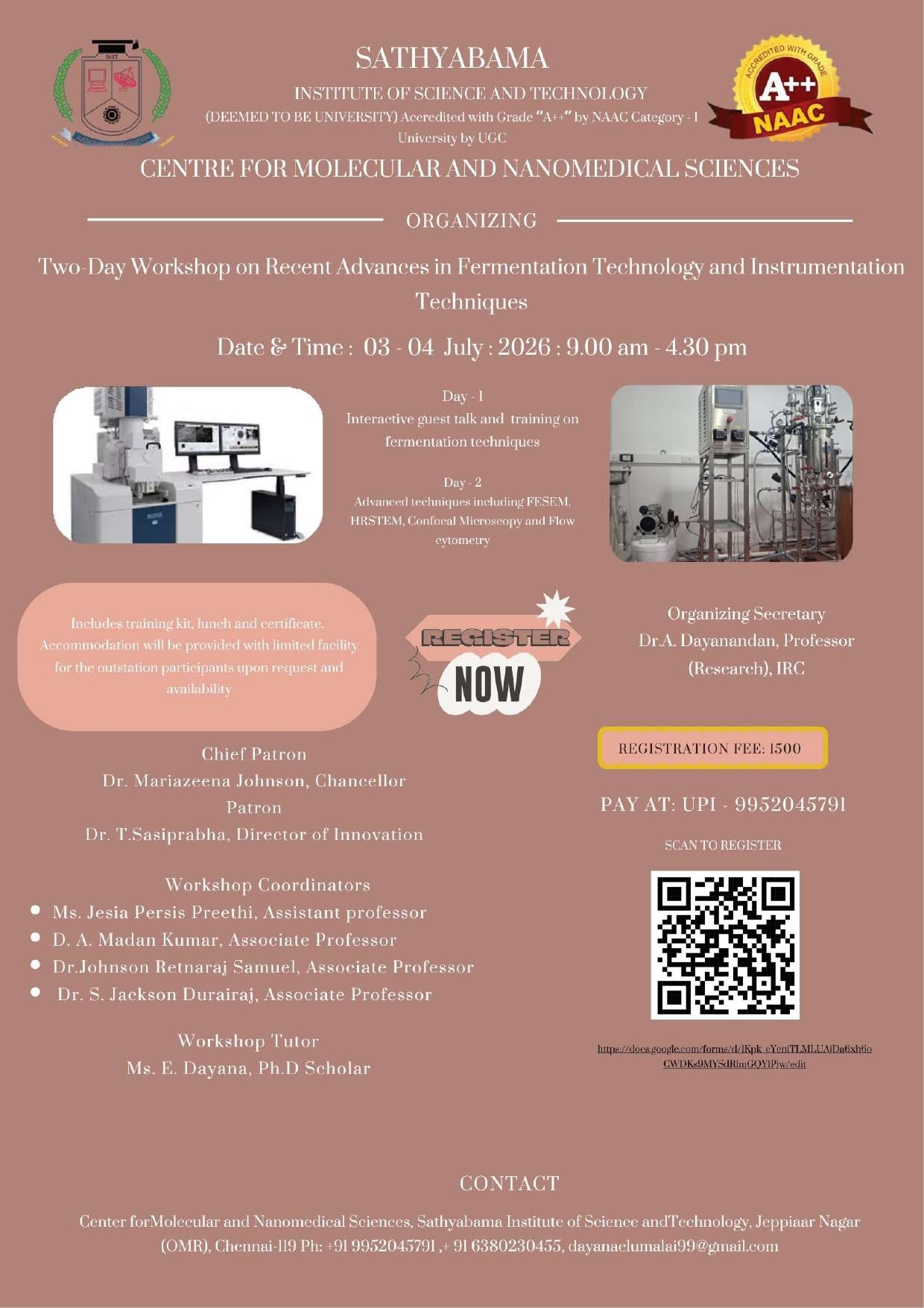
]]>Recent Advances in Fermentation Technology and Instrumentation Techniques
Workshop
from
to
at
Chennai.
]]>tag:indiabioscience.org,2026-06-19:/events/recent-advances-in-fermentation-technology-and-instrumentation-techniques2026-06-19T14:48:00+05:302026-06-19T15:39:04+05:30Shwetha Chttps://indiabioscience.org/authors/zGXpwL2g3eKrb2J
Date
Location
Chennai, Tamil Nadu
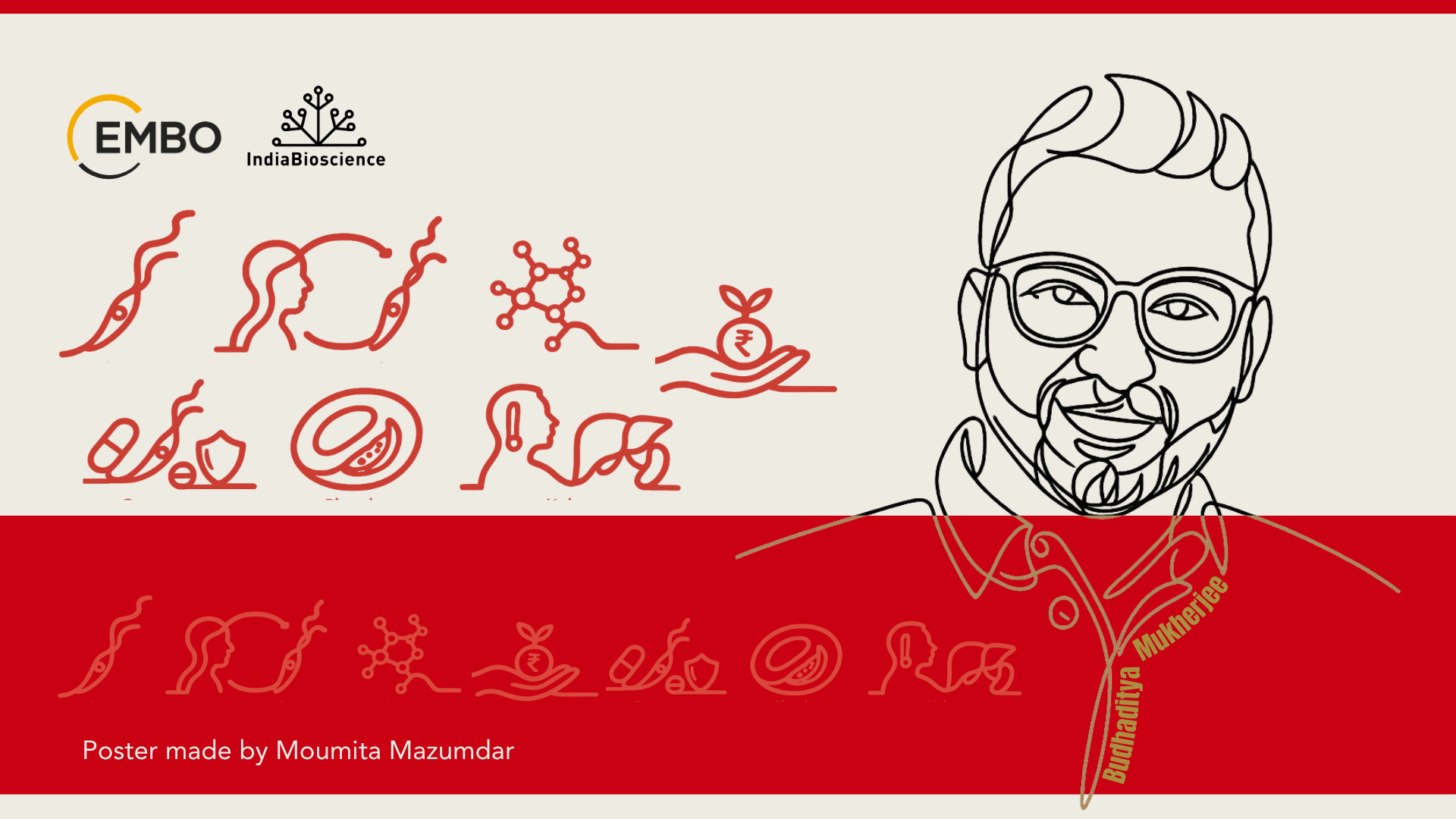
]]>The shared world of Leishmania and us: A journey of adaptability and co-evolutionA childhood fascination with the image of a scientist led Budhaditya Mukherjee, an Assistant Professor at the Indian Institute of Technology Kharagpur (IIT Kharagpur) and an EMBO Global Investigator Network (EMBO GIN) awardee, to a career studying one of the world’s most adaptable parasites, Leishmania. In this profile, he reflects on research, resilience, mentorship, genome plasticity, and how understanding pathogen evolution may help address drug resistance and chronic infections. ]]>tag:indiabioscience.org,2026-06-19:/columns/conversations/the-shared-world-of-leishmania-and-us-a-journey-of-adaptability-and-co-evolution2026-06-19T10:00:00+05:302026-06-02T17:40:13+05:30Debolina Mannahttps://indiabioscience.org/authors/GjYBLml2j5My8VJA childhood fascination with the image of a scientist led Budhaditya Mukherjee, an Assistant Professor at the Indian Institute of Technology Kharagpur (IIT Kharagpur) and an EMBO Global Investigator Network (EMBO GIN) awardee, to a career studying one of the world’s most adaptable parasites, Leishmania. In this profile, he reflects on research, resilience, mentorship, genome plasticity, and how understanding pathogen evolution may help address drug resistance and chronic infections.
Sometimes, minute incidents can profoundly shape a person's dreams; similar to a tiny, blood-seeking sandfly whose bite can define the path of a microscopic parasite like Leishmania, causing it to adapt and survive in the liver and spleen of a human.
For Budhaditya Mukherjee, it was when he attended a lecture by one of his school alumni delivering a research talk at his school. "I was in my seventh grade, and I heard him speak about radiophysics. Although more than science, the imagery of a scientist — intelligent, confident, ambitious, smart and knowledgeable — captivated me, and I wondered what it is like to be one. This one moment shaped the entire trajectory of my career and helped build my dreams".
Now an Assistant Professor at the Indian Institute of Technology Kharagpur (IIT Kharagpur) and a member of the EMBO Global Investigator Network (GIN), he reflects on his journey and finds it interesting how much we humans have in common with the life of a parasite. Much as we try to embrace the good, neglect the bad, and adapt to adversities, Leishmania modulates its chromosomal patterns and genetic makeup through a phenomenon known as genome plasticity to achieve drug resistance.
He found the concept so fascinating that it emerged as the core theme of his lab, and his team now focuses on understanding host-parasite co-evolution using Leishmania as the model pathogen. Drug resistance in leishmaniasis has remained a persistent challenge; so they ask a simple but critical question: instead of eliminating the parasite, how does drug pressure sometimes make it fitter and better adapted to survive? Despite the withdrawal of older drugs like antimonials, resistant parasites continue to infect humans and resist newer therapies too — does Leishmania's genome plasticity make this possible?
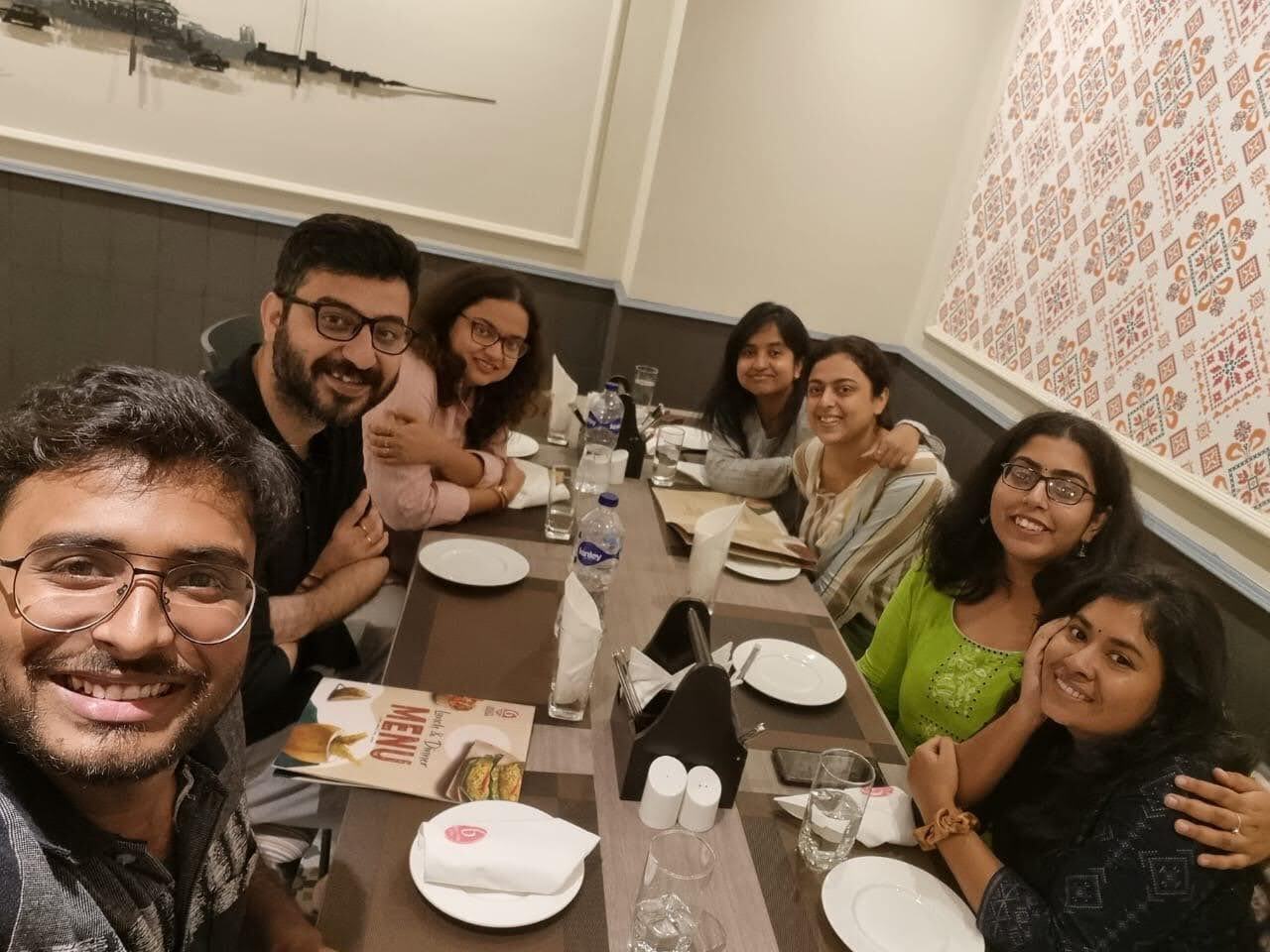
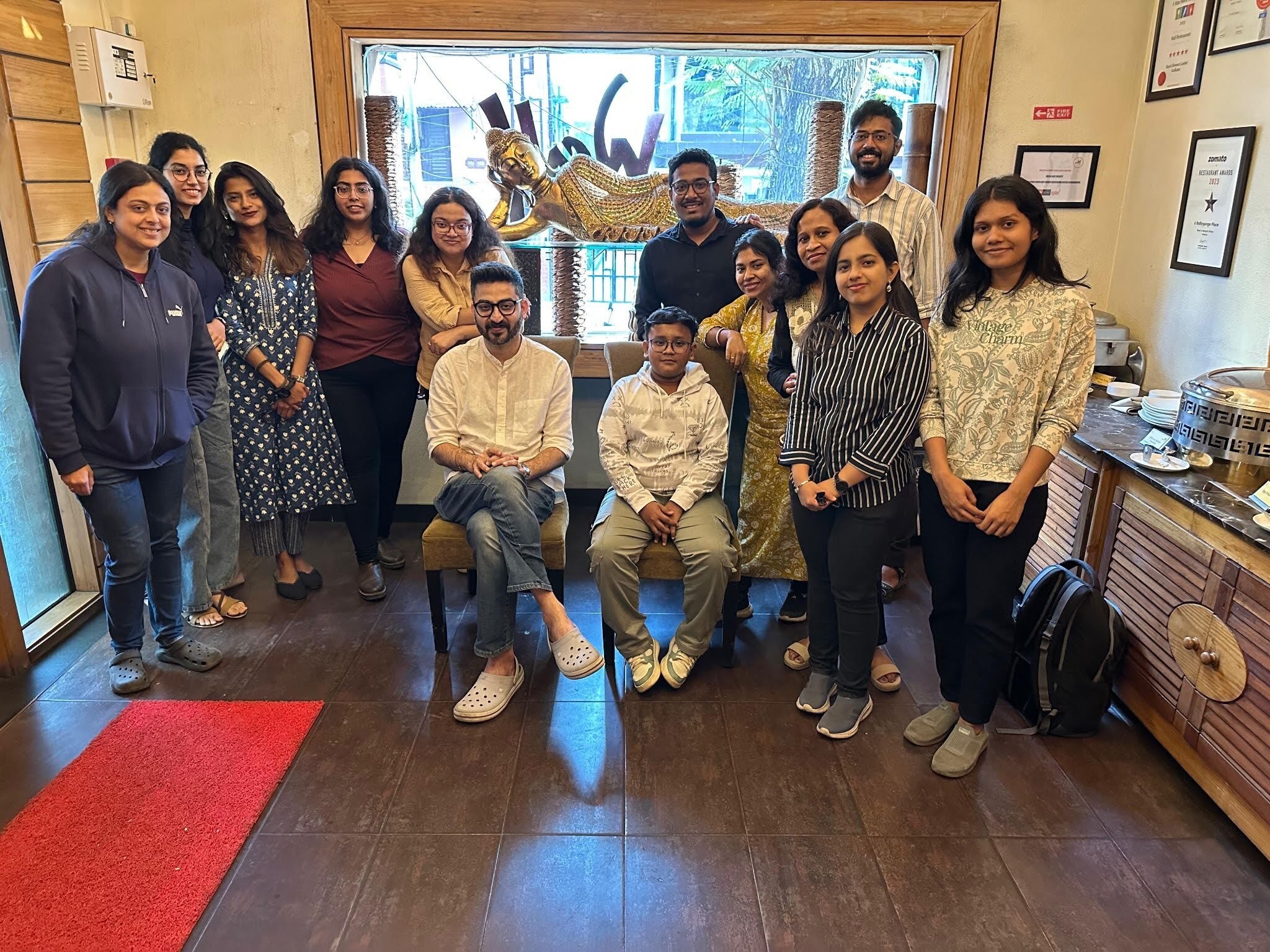
Budhaditya Mukherjee with his PhD students during the initial years of the lab. (Left to right: Supratim Pradhan, Budhaditya Mukherjee, Ankita Mandal Mukherjee, Souradeepa Ghosh, Shatarupa Bhattacharya, Shubhangi Chakraborty, Debolina Manna)
Growing up, he defied the usual "engineering vs medical" dilemma, and went on to pursue a BSc in Zoology and then MSc in Genetics. Amid a series of unplanned events, he eventually joined the lab of Syamal Roy at the CSIR-Indian Institute of Chemical Biology (CSIR-IICB), Kolkata for his PhD. Budhaditya attributes this achievement to his parents, who never questioned his choices but rather supported whatever he wanted to study, and to his wife and best friend, Ankita, who, to him, is his "pillar of success".
However, the journey of a parasite that constantly struggles to survive the harsh conditions of the sandfly and the human immune system is as challenging as a human's. When asked about his PhD experience at the lab of Syamal Roy at CSIR-IICB, he reminisced about how the dynamics of drug resistance in Leishmania always bothered him.
As his initial proteomics-based research to decipher drug resistance failed to gain prominence, his side project on the anti-inflammatory molecule interleukin-10 (IL-10) response in Leishmania-infected immune cells gained traction. Eventually, his PhD research revealed that drug-resistant Leishmania parasites utilise host IL-10 to promote drug resistance, rendering the drugs ineffective for killing. His eagerness to know more about infection biology led him to the lab of Dominique Soldati-Favre at the University of Geneva, which significantly trained him in parasite cell biology and genome editing.
Having transitioned from bench to office, Budhaditya recognised substantial differences between being a mentor and a mentee. In his PhD, he was strongly encouraged to think critically and defend his ideas, but in a gentle, supportive way. While during his postdoctoral work, he was pushed through direct, probing questions, often without much cushioning. Apart from his work, the major challenge in his postdoctoral journey was the initial cultural transition in a completely new continent — "I doubted myself more than I expected. There wasn't a quick fix, just patience. Over time, adapting to a new environment, both scientifically and personally, became part of the learning process." It was challenging, but it shaped his independence, precision, and resilience. That shift proved crucial in shaping his current research identity.
Was he adapting and becoming more resistant like Leishmania does in adverse situations?
Contrary to the idea that the journey of a parasite is smooth, most of them actually die, and few emerge victorious. To counter the odds, some resort to manoeuvring human cells in a way that does not pose a threat to kill them. As a young scientist, Budhaditya had some compelling theories about how parasite factors can drive evolutionary changes in parasites' adaptation. Despite his attempts, subtle suggestions to choose a more global and lethal pathogen like the malaria-causing Plasmodium, rather than Leishmania, frequently arose during his interviews or personal interactions. Eventually, his ideas found a home when he received the opportunity to build an independent research team at IIT Kharagpur.
As Budhaditya was almost set to start with his first two PhD scholars on board, they were unexpectedly hit by the COVID-19 pandemic. His lab — fundamentally based on wet-lab experiments — faced multiple challenges with delays, uncertainty and lack of resources. But gradually, through persistence and perseverance, the work started taking shape.
Adapting to changes and evolving together as a group has been key. In many ways, this co-evolution mirrors the very systems we study in the lab. I believe this has taught me a lot, not only about science but things beyond that."
It is through both adversities and support that he transitioned from being a mentee to a mentor. Earlier during his supervision, he stayed closely involved with his PhD scholars, sharing failures and appreciating successes. Over time, he realised that each student is different, with unique motivations and goals.
The present members of Budhaditya Mukherjee’s lab. (Left to right: Shatarupa Bhattacharya, Sohini Mukherjee, Arkapriya Bhattacharya, Shubhangi Chakraborty, Ankita Mandal Mukherjee, Budhaditya Mukherjee, Riddhiman Dey, Nilanjan Pradhan, Debolina Manna, Chandana Dey, Deneshraj S, Sunandini Bhattacharya, Aparajita Pati)
The correlation between day-to-day experiences and scientific insights gave rise to another solid question in the lab — how adaptations influence where the parasite survives in the body. In conditions like post-kala-azar dermal leishmaniasis (PKDL), where parasites shift from internal visceral organs to the skin, creating long-term reservoirs for transmission, understanding what drives this change in their path or "tropism" is critical. The lab gradually aims to move beyond a drug-centric view of resistance and uncover the broader principles of pathogen adaptability and co-evolution under drug and host pressure, which can combat chronic and relapsing, resistant infections in pathogens with high genome plasticity.
Being a part of the EMBO Global Investigator Network, he admires its vision, which aims to address the fundamental questions of biology, regardless of the kind of model one uses. The ability to exchange unpublished ideas and get feedback from peers and mentors, often outside his immediate field, has the potential to bring fresh perspectives to the questions still unanswered by his lab.
For a complex problem like pathogen adaptation, this kind of cross-disciplinary thinking is invaluable. He also agrees that access to training and advanced facilities is equally important. Many of the questions raised in the lab require technologies and expertise that are not readily available in the institute setting. Through EMBO GIN, his students can gain hands-on experience in cutting-edge approaches rather than relying solely on outsourcing, which is critical for long-term capacity building.
To him, the best part of being one among all in EMBO GIN is the visibility and platform it offers, especially for the students, to connect with the global scientific community. Leishmania is a neglected pathogen, and there are not too many labs that are trying to understand the evolution of drug resistance in this highly adapting parasite. He sees EMBO GIN as an ecosystem that will not only strengthen his current work but also shape how he and his students grow as a lab in the years ahead.
With such a wonderful global initiative giving him confidence, he also feels the necessity for the Indian scientific ecosystem to flourish more. Compared with when he first started as a new PI in India in 2019, he feels the research ecosystem has improved considerably. Initiatives like the Anusandhan National Research Foundation (ANRF) early-career grants have certainly helped, both in terms of increased funding and, importantly, more timely disbursement.
Now, as he slowly moves towards a more experienced phase of his journey as a scientist, he believes we should actively work towards making science more accessible, understandable, and meaningful to different audiences, even though we haven't been traditionally trained to do so. In an era marked by advanced scientific technologies, misinformation seems to be rampant too, and it becomes the responsibility of the scientists to ensure clear and trustworthy communication with the broader public. He also thinks that effective communication is a two-way process, where it becomes equally important to engage with the general public to listen to their insights and incorporate them to develop scientific advancements for real-world application, and ensure that science remains accessible, trustworthy, and relevant to society.
]]>PhD AdmissionPhD Admission are opened at Institute of Advanced Virology, Thiruvananthapuram.
]]>tag:indiabioscience.org,2026-06-15:/orgs/iav/jobs/phd-admission-22026-06-15T13:23:00+05:302026-06-15T13:23:43+05:30Shwetha Chttps://indiabioscience.org/authors/zGXpwL2g3eKrb2J
IAV
Thiruvananthapuram, Kerala
Engagement
Contract
Hours
Full-time
Profile
PhD Admission are opened at Institute of Advanced Virology, Thiruvananthapuram.
Qualifications
MSc or an equivalent degree in Life Sciences OR MVSc /MBBS or an equivalent degree from a recognized university.
Qualifying Marks – 60% or equivalent grade (5% relaxation for OBC(NCL)/SC/ST/PWD)
Fellowship – JRF from CSIR/UGC / DST-INSPIRE/ DBT-/ICMR/other Govt. agencies having validity of five years.
]]>Resilience and representation in research: In conversation with Shreya MalikFrom biochemistry to shaping innovation ecosystems, this Resilience and Representation in Research article traces Shreya Malik’s journey across industry, research, and policy spaces. Now Program Head – Life Sciences at Wadhwani Innovation Network, Wadhwani Foundation, she reflects on mentorship, allyship, and alternative careers in building more inclusive scientific ecosystems. ]]>tag:indiabioscience.org,2026-06-15:/columns/resilience-and-representation-in-research/rrrsm2026-06-15T10:00:00+05:302026-05-08T13:04:44+05:30Gayathri Sreedharanhttps://indiabioscience.org/authors/GayathriSreedharanFrom biochemistry to shaping innovation ecosystems, this Resilience and Representation in Research article traces Shreya Malik’s journey across industry, research, and policy spaces. Now Program Head – Life Sciences at Wadhwani Innovation Network, Wadhwani Foundation, she reflects on mentorship, allyship, and alternative careers in building more inclusive scientific ecosystems.
Shreya’s journey began in Ahmedabad, where she completed her bachelor’s degree in Biochemistry from St. Xavier’s College, Gujarat, in 2002. Soon after, she made a decision that was relatively uncommon for many students at the time — she left India to pursue a master’s degree in Biotechnology at the University of Queensland, Australia. Convincing her parents, she recalls, was not as difficult as one might assume. “I was very determined to explore new experiences, and my parents trusted my commitment. That’s how I convinced them.”
For Shreya, moving to Australia meant seeking a different ecosystem, one where scientific training extended beyond textbooks and laboratory work. She wanted exposure to systems where subjects like intellectual property rights (IPR), commercialisation and entrepreneurship were part of the curriculum, something still not widely integrated into Indian education back then. She describes those two years abroad as formative — learning new technologies, adapting to a new culture, and observing a well-developed startup ecosystem.
But soon after completing her master’s, she returned to India, largely because her parents wanted her closer to home. By then, her career direction was already taking shape.
Choosing the business side of science
While many of her peers gravitated towards traditional research pathways, Shreya found herself drawn to a different question: what happens after a scientific discovery?
She knew early on that she wanted to work at the intersection of biotechnology and commercialisation. “I was always interested in the business aspects of science,” she says. That curiosity led her to pursue a postgraduate diploma in Patent Law from NALSAR University, Hyderabad. Patent law, she notes, opens multiple professional routes. One could become a patent analyst — working on patent applications, prior art searches, or freedom-to-operate studies. Another path could be patent prosecution, supporting law firms with filing and managing patents.
Shreya chose patent analysis and joined a biopharmaceutical company. It was a large organisation with a broad portfolio including biosimilars, generics, and innovative molecules. Working in the IP team gave her a front-row view of how scientific knowledge becomes an asset. She was involved in building IP portfolios, analysing future products, and learning about patent strategies such as evergreening, concepts that were not widely discussed in India at the time.
Looking back, she sees this phase as a foundation. It gave her the much needed technical exposure along with a sharper understanding of how scientific progress is shaped by regulation, markets, and long-term strategy.
From academia to industry — and across the ecosystem
It’s interesting that I’ve been part of different components of the innovation ecosystem — industry, research institutions, incubators, and now a funding agency,”
she says.
This cross-sector movement has shaped her ability to see the same problem from multiple angles. “I understand the mind-set of a funding agency, the outlook of a startup, how an incubator works, and the challenges scientists face in translation,” she explains. “I bring that experience to my current workplace — knowing the perspectives of the stakeholders we are actually funding.”
The visible and invisible gender gaps across systems
Over the years, Shreya has witnessed a shift in the gender composition of the workforce. When asked whether she has seen more women entering the systems she has worked in, she responds thoughtfully: “Over the years, I’ve definitely seen more women in the workforce—colleagues, juniors, and early-career professionals.” She adds that she hasn’t seen a very strong or obvious gender bias in the institutions she has worked in. At the same time, she is careful not to oversimplify the issue.
Bias, she notes, does not always show up in blatant ways. It can be subtle, systemic, or even rooted in assumptions about competence. For her, navigating workplace dynamics requires more than talent alone. “You have to inculcate leadership, team bonding, and resilience so you don’t let office politics or biases bog you down. As family responsibilities increase, women tend to take up less work responsibilities or stop aspiring for the top jobs. There is a need to provide women the much-needed support system so that they have the confidence to break the glass ceiling” she says.
Leadership skills, resilience, trust-building, and relationship-building abilities are what help professionals — especially women — move through organisational structures with confidence.
Mentorship and ‘allyship’
If there is one factor Shreya returns to repeatedly, it is mentorship. But she prefers a different word. “I like to use the term ‘allies’,” she says.
It’s important to have people you can depend on — and who can depend on you.”
She considers herself fortunate to have strong support from her family, including her husband and in-laws, which she believes helped her navigate her career with greater stability. Professionally too, she has worked with mentors, colleagues, and seniors who supported her growth. But she also emphasises that mentorship is not a one-way arrangement.
If you expect guidance, you should also give back — through respect, support, or collaboration. It’s like any relationship — it thrives on mutual effort.”
She also brings up another aspect that is often left out: relationships should not be transactional. “You shouldn’t view people in terms of ‘what can I gain from them.’Build genuine connections. The benefits follow naturally.”
She shares a moment from an earlier leadership role, where her definition of allyship translated into action. “In a previous role, even though we had a biometric system, I would tell women with young babies, ‘It’s okay, go home and work from there.’ I would take their side to the organisation because it was essential.” For Shreya, that is what allyship looks like: practical support, offered without hesitation.
Research management and technology transfer: A growing community
Shreya has watched the broader ecosystem of research management and technology transfer evolve in India. She describes it as a relatively small community, but one that is gaining recognition. Earlier, she says, these roles were not fully understood or valued. Today, the situation has shifted. “Researchers and faculty increasingly seek support for commercialisation — whether it’s IP, regulatory pathways, or licensing,” she notes.
Yet she believes growth requires individuals to remain adaptable. Even within a niche field, professionals cannot afford to stay confined to what they already know. She recalls a personal realisation around 2023, when she deliberately stepped out of her comfort zone. She began exploring areas like artificial intelligence, quantum technologies, and mining ecosystems — fields that were not directly part of her earlier work but increasingly relevant to innovation. “Professionals need to continuously upskill and expand their horizons,” she says. “That’s how both individual careers and the community grow.”
The WomenLift Health programme and what it changed
One of the most significant experiences in her professional life was her participation in the WomenLift Health cohort, which she describes as a blessing.
For Shreya, the programme was as much about structured learning as it was about the relationships it created. “A one-year programme with residencies in three cities. We interacted with highly accomplished women professionals and learned from expert trainers,” she says. But what stayed with her the most was how her understanding of leadership evolved during this period.
The most important takeaway was that leadership is not about breaking glass ceilings — it’s about personal growth, mind-set, and supporting others.”
The cohort worked on communication, conflict management, and ecosystem thinking. Over time, the experience reinforced a lesson she believes many women need to hear: leadership is not only about individual progress, but also about lifting others along the way. “We’ve built strong peer networks, and we continue to support each other,” she says. “We built great friendships and now we motivate each other.” She explains how this support looks in real life: “If a friend has a problem with a boss, I can say, ‘I dealt with this years ago, try this.’ It’s a great peer group.”
On resilience and representation
When asked how she might have handled a challenge differently as an early-career professional compared to now, Shreya answers with honesty. She believes she could have benefited from more patience and stronger listening skills. With time, she says, self-awareness increases, and that changes how one responds to conflict or uncertainty.
“Resilience is about recalibrating your mind to new environments,” she reflects. Every new role, she believes, comes with a learning curve — in terms of tasks, people, organisational culture, and expectations. Looking back, she feels she would have done better in some situations if she had slowed down, listened more carefully, and responded with greater calm.
On whether challenges for women have improved across different systems, Shreya answers in the affirmative. She sees a gradual shift in organisational attitudes, especially towards working mothers. Flexible work options have increased, she notes, particularly after COVID. But she is clear that policies alone are not enough. Supportive leadership plays a major role in whether women feel empowered to continue and grow.
To early-career women professionals, Shreya’s advice is straightforward: don’t give up.
“Speak up when you face challenges. Communication is key,” she says. She also encourages women to take ownership of their careers. If an environment does not support them, they should not hesitate to explore other opportunities. “Your destiny is in your hands,” she adds.
Shreya also points out that research careers can be challenging, especially because of limited permanent positions and slower growth. “That’s why I strongly advocate alternative careers in STEM — like research management, startups, and innovation,” she says. For PhD graduates, she believes the landscape has expanded significantly compared to 15 years ago. Today, there are more than a thousand incubators and an emerging deep-tech ecosystem, creating opportunities in grant management, startups, and innovation-driven roles. These career paths, she notes, may not follow the conventional academic ladder, but they can offer meaningful impact and long-term growth.
As she reflects on what defines leadership today, Shreya describes it as multidimensional. But certain qualities, she believes, matter across roles and sectors: confidence, courage, resilience, agility, and strong interpersonal skills.
For Shreya, leadership is not a title. It is the ability to navigate complexity, adapt across systems, and bring people together while continuing to grow, learn, and support others along the way.
]]>Navigating an academic career: Insights for the next generation of scientistsWhat fuels the passion of those at the forefront of life sciences and biotechnology? What situations do they navigate, and what advice do they wish someone had whispered to them early on? An interview series by NaviClar, an initiative that supports the science community in career navigation and progression, sets out to answer these questions not through scripted interviews, but through candid conversations with faculty from India and across the world. ]]>tag:indiabioscience.org,2026-06-12:/columns/indian-scenario/navigating-an-academic-career-insights-for-the-next-generation-of-scientists2026-06-12T10:00:00+05:302026-05-14T14:47:36+05:30Aditya Parekhhttps://indiabioscience.org/authors/RY9PMad3mQ1GVoyWhat fuels the passion of those at the forefront of life sciences and biotechnology? What situations do they navigate, and what advice do they wish someone had whispered to them early on? An interview series by NaviClar, an initiative that supports the science community in career navigation and progression, sets out to answer these questions not through scripted interviews, but through candid conversations with faculty from India and across the world.
For anyone deeply embedded in the world of life sciences and biotechnology, the academic path is often seen as both a calling and a challenge. Yet, truly open and candid conversations about the realities of faculty life, such as the triumphs, trials, and wisdom gained, are surprisingly rare.
NaviClar, an initiative that supports the life science community in career navigation and progression, embarked on a unique series of interviews, aiming to amplify the voices of life science faculty and scientists from India and across the world to foster appreciation, enhance visibility, and spark meaningful dialogue that could inform policy.
NaviClar also recognised the immense value these insights hold for the next generation. Aditya Parekh, founder of NaviClar, said, “The experiences of seasoned academics offer a rich learning ground for early-career faculty and serve as a vital preparatory resource for postdoctoral researchers aspiring to enter the challenging yet rewarding realm of academia.”
In a series of 32 interviews, Sakshi Poddar (PhD,National Institute of Science Education and Research (NISER), Bhubaneswar) and Aditya Parekh (Founder, NaviClar) interacted virtually with faculty members, asking multiple questions to delve into the heart of their professional lives. Here is a glimpse into the responses to three vital questions:
1. What is the thing that satisfies you the most in your job?
Across the board, a resounding theme emerged: the joy of discovery and the impact on the next generation. Most of the faculty members’ faces lit up when they spoke about how seeing their students grow into the next stages of their careers made them fulfilled and proud. Many faculty members spoke passionately about the thrill of witnessing a student's ‘aha!’ moment, seeing their research flourish, or contributing to a deeper understanding of biological processes.
2. What is your biggest struggle as a faculty?
The challenges faced by faculty are diverse, but certain struggles resonated universally. Securing consistent funding and managing work-life balance were frequently cited as major hurdles. The relentless pursuit of grants, administrative burdens, and the pressure to publish often take a toll.
Most of the faculty members underlined that balancing teaching and/or research, along with administrative duties and other responsibilities, becomes a challenge. The pleasure of doing science often gets affected. These struggles underscore the intense demands placed on academics and the need for robust support systems.
3. What is one mistake you would advise young faculty to avoid early in their careers?
The wisdom and advice shared by faculty members offer invaluable lessons for navigating early academic careers. Prioritising careful recruitment and patient mentorship over immediate results was frequently cited as essential. The tendency towards isolation and the administrative burden often take a toll. Most members underlined that trusting intuition while managing productivity dips becomes a critical transition. These insights underscore the need for mental well-being and mutual respect.
Pathways to mentor satisfaction
There is more than one way in which STEM mentors derive satisfaction from their work and perceive their research to have an impact.
As mentors reflected and shared about the most satisfying moments of their professional lives, the joy of solving fundamental problems or asking “why” questions in their respective fields emerged as something profoundly fulfilling. These could require taking leaps to resolve big questions being debated within the scientific community or creating novel methods and developing cutting-edge techniques, both advancing knowledge and initiating new lines of inquiry. Engaging with the ‘unknowns’ gave a sense of purpose to their work and proved deeply motivating.
For me, one of the best parts of this job is figuring out puzzles. Some of the most exciting moments are when students or postdocs bring in data that are completely mysterious and new. Then you start putting the pieces together and discover a story that nobody has heard before. That’s one of the most exciting aspects of my work.”
- Piali Sengupta
Mentors also find gratification in impact measured by community uptake and continuity. The extent to which their discoveries, methods, or datasets are adopted by mentees, collaborators, and the wider research community feeds back into what mentors perceive as the impact of their work. The joy of discovery extends beyond individual breakthroughs into sustained use and evolution of their contributions, influencing future generations of scientists.
I get to talk with and engage with and watch the development of students and postdocs and even, you know, technicians and other folks who are working in the lab and watch them develop as scientists and interact with them as they kind of approach challenging problems. And that's by far the best thing about the job.”
- Erin Goley
The mentorship journey is often recognised for its intellectual significance. However, these pathways reveal that the impact most valued by mentors encompasses intellectual advancement, practical relevance, and an enduring legacy through community growth. This multifaceted sense of research impact is a central driver of mentor satisfaction, reinforcing their commitment to nurturing the STEM ecosystem.
Time management and prioritisation
The tension between pursuing ambitious research goals and the pragmatics of meeting the expectations of the academic calendar and institutional demands is faced by every mentor and can be alleviated through a well-thought-out balancing act.
Reflecting on the challenges faced at the intersection of multiple demanding roles, mentors felt that managing time more effectively was critical while juggling teaching, fulfilling administrative responsibilities, and conducting research. A faculty member or scientist is expected to frequently switch between tasks seamlessly, yet fragmented workflows disrupt focused work and hinder effective sequencing of activities.
I would advise everyone to be very mindful of their time management, not to agree to doing everything, and not get distracted by the noise around you.”
- Rejji Kuruvilla
The time one would want to spend on strategic thinking and intellectual exploration is often crowded out with responsibilities like grant writing, lab management, and other service commitments. While faced with such competing priorities, one needs to prioritise between high-risk, high-reward projects and incremental progress, all while navigating looming deadlines.
Mentors who also have caregiving responsibilities or personal life rhythms are forced to make sharper choices about how to allocate their time, a decision especially complex when they coincide with peak research periods.
One had to struggle to figure out how much time to give to research. That was always a challenge because, at times, I would devote much more than I wanted to, and then I would have to step back and restore some work–life balance before moving forward again. This continues to be a struggle for many women in science in India. But things have changed a lot, and today there’s far more support and opportunity to pursue research ambitiously.”
- Shobhona Sharma
Oftentimes, carving out protected blocks of time for focused work, prioritising ruthlessly, delegation to senior lab members, and batching administrative tasks helped with sustainable productivity at work and personal well-being.
Funding: Bureaucracy and administration challenges
Mentors also face significant challenges stemming from the intensity and inherent uncertainty of the research grant cycle.
Preparing grant applications demands extensive time and effort, often yielding low success rates. As a result, many applicants are required to submit multiple proposals in parallel and continuously revise them based on feedback. This cycle creates substantial rework and pressure.
Compounding the issue is the administrative load, which interviewees characterised as a growing burden of compliance, reporting, procurement, human resources, and other institutional processes that increasingly consume research time.
One of the biggest struggles is navigating administrative tasks that you are probably not used to doing as a postdoc and just making sure that everything is functioning smoothly and efficiently in the lab.”
- Gira Bhabha
These responsibilities fragment focus and slow momentum while performing core research and mentoring responsibilities. Mentors also encounter limits on allowable expenses, slow purchasing processes, and timing mismatches between available funds and project needs, all of which hinder research execution.
Some interviewees also shared that review panels often favour safer, short-term projects, requiring researchers to invest additional effort and time in framing risky or interdisciplinary proposals in ways that appear fundable.
I think my biggest struggle is one that many faculty in the Indian ecosystem share—the ease of doing science in India. It’s about having an idea and being able to execute it at the pace you’d like, without running into roadblocks that slow you down. For example, delays in the timely disbursement of funds or in ordering and receiving materials because of red tape. All of this cumulatively falls into the broader challenge of the ease of doing science. And it’s something I still struggle with, even after having done this for quite a while.”
- Vidita Vaidya
The purchase process was unbelievably difficult at the start and was a big learning experience; Over the years, things changed a little, and we probably just got used to it. It still remains challenging, though.”
- Dileep Vasudevan
Being more thorough with funding agency norms, creating templates for commonly used sections, building administrative scaffolds, and collaborating more extensively with co-principal investigators to share workloads were shared as effective coping strategies to meet grant submission challenges.
They also shared that institutions that centralise grant support and streamline procurement and recruitment processes free up significant burden, allowing PIs to concentrate on research and mentoring. They felt that funders can increase their impact by clarifying review criteria, reducing redundancies in proposal requirements, and providing iterative pre-proposal feedback.
The human-centric blueprint for academic success
The transition to a faculty role is often marked by the mistake of working in isolation. Experienced mentors emphasise that building a successful lab requires rejecting the "lone wolf" mentality and actively seeking guidance from those who understand the institutional landscape. By establishing a strong support network early, new PIs can avoid struggling in a vacuum, stay transparent about their learning curves, and leverage collective experience to navigate scientific and professional hurdles.
I think one of the things the young faculty should always be ready for is to go and talk to everyone and at different places wherever possible, without thinking what return that would fetch in immediate future.”
- Jomon Joseph
Effective lab management requires a strategic balance between administrative duties and core research goals. Faculty members warn against the pressure to over-commit to non-essential tasks or rush the establishment of a physical space. Success lies in selective participation, careful time management, and a willingness to collaborate locally to streamline logistics. By protecting their research focus and bracing for initial productivity dips, early-career researchers can build sustainable, efficient operations without succumbing to administrative burnout.
And one mistake I would advise young faculties to avoid, I guess, is failing to approach and find mentors actively and overcommitting to non-scientific administrative jobs.”
- Samraat Pawar
Building a successful laboratory requires prioritizing long-term team fit over immediate recruitment. Faculty members emphasize that being intentional about hiring passionate, respectful individuals is as vital as the science itself. Success stems from patient mentorship, fostering student independence through their own mistakes, and maintaining a secure, supportive environment that never compromises on mental health.
I think one of the things when young faculty start is they feel really eager to hire students and postdocs to create a team which makes sense but I've seen several instances where people hire too quickly and don't make sure they find the right person, right match and that leads to frustration for both, them and for the person they hired."
- Van Savage
Take your time to judge somebody else and try to find their strengths and weaknesses before they are judged."
- Roop Mallik
Overall, this interview series aims to be more than just that; it's a platform for shared learning. By bringing these diverse perspectives to the forefront, NaviClar not only celebrates the dedication of the life science faculty but also equips the next generation with the insights they need to navigate the exciting, yet challenging world of academia.
NaviClar is a global mentorship and networking platform for higher education students and early career researchers. Check out their website and their social media channels on Linkedin , X (formerly, Twitter) and Instagram
Watch the accompanying discussion/video related to this article here.
**Note - Quotes in this article have been lightly edited for clarity and flow while ensuring the original meaning and intent of the faculty mentors remain unchanged.
Acknowledgement
We sincerely thank all the faculty mentors who participated in this structured interview series with NaviClar. This article offers a glimpse into our discussions. A more comprehensive feature, exploring a wider range of themes in greater depth and featuring an expanded group of faculty, will be published soon
Radhika Nair (Centre for Human Genetics - CHG, Bengaluru, India)
Van Savage (University of California, Los Angeles - UCLA, USA)
Jomon Joseph (National Center for Cell Science - NCCS, Pune, India)
Chijioke Emenike (Dalhousie University, Canada)
R. Sowdhamini (National Centre for Biological Sciences - NCBS, Bengaluru, India)
Samraat Pawar (Imperial College London, UK)
Roop Mallik (Indian Institute of Technology - IIT Bombay, India)
Sandeep Robert Datta (Harvard Medical School, USA)
Umesh Varshney (Indian Institute of Science - IISc, Bengaluru, India)
Katherine Gundling (University of California, San Francisco - UCSF, USA)
Dileep Vasudevan (Rajiv Gandhi Centre for Biotechnology - RGCB, Thiruvananthapuram, India)
Soma Chattopadhyay (Institute of Life Sciences - ILS, Bhubaneswar, India)
Sudarshan Gadadhar (Institute for Stem Cell Science and Regenerative Medicine - BRIC inStem, Bengaluru, India)
Gira Bhabha (Johns Hopkins University School of Medicine, USA)
Shobhona Sharma (Tata Institute of Fundamental Research - TIFR, Mumbai, India)
Jose Manuel Andreu (Margarita Salas Center for Biological Research - CIB-CSIC, Madrid, Spain)
Satyajit Rath (Indian Institute of Science Education and Research - IISER, Pune, India)
Kristin Michel (Kansas State University, USA)
Vidita Vaidya (Tata Institute of Fundamental Research - TIFR, Mumbai, India)
Palok Aich (National Institute of Science Education and Research - NISER, Bhubaneswar, India)
Erin Goley (Johns Hopkins University School of Medicine, USA)
Raghunand Tirumalai (CSIR-Centre for Cellular and Molecular Biology - CCMB, Hyderabad, India)
Poonam Thakur (Indian Institute of Science Education and Research - IISER, Thiruvananthapuram, India)
Nischay Mishra (Columbia University, USA)
Mohit Kumar Jolly (Indian Institute of Science - IISc, Bengaluru, India)
Rejji Kuruvilla (Johns Hopkins University, USA)
Aniruddha Datta Roy (National Institute of Science Education and Research - NISER, Bhubaneswar, India)
Ronald Vale (Massachusetts Institute of Technology - MIT, USA)
]]>2027-2028 Fulbright-Nehru Postdoctoral Research FellowshipsThe Postdoctoral Research Fellowships are designed for early-career faculty and researchers in India, offering an …
]]>tag:indiabioscience.org,2026-06-10:/grants/2027-2028-fulbright-nehru-postdoctoral-research-fellowships2026-06-10T17:09:00+05:302026-06-10T17:09:46+05:30Shwetha Chttps://indiabioscience.org/authors/zGXpwL2g3eKrb2J
Type
Fellowship
Profile
The Postdoctoral Research Fellowships are designed for early-career faculty and researchers in India, offering an opportunity to enhance their research capabilities. Postdoctoral fellows will have access to some of the finest resources in their areas of interest and will help build long-term collaborative relationships with U.S. faculty and institutions. These fellowships are for eight to 24 months.
Qualifications
The applicant must have a Ph.D. or a D.M. degree within the past four years. They must have obtained Ph.D. degree between July 15, 2022 and July 14, 2026. The applicant is required to upload their Ph.D. or D.M. degree certificate/provisional on the online application;
]]>Summer Research Fellowship for North-East Region (NE-SRF)Jawaharlal Nehru Centre for Advanced Scientific Research (JNCASR) announces the Summer Research Fellowship aimed at …
]]>tag:indiabioscience.org,2026-06-10:/grants/summer-research-fellowship-for-north-east-region-ne-srf2026-06-10T17:05:00+05:302026-06-10T17:05:39+05:30Shwetha Chttps://indiabioscience.org/authors/zGXpwL2g3eKrb2J
Jawaharlal Nehru Centre for Advanced Scientific Research (JNCASR) announces the Summer Research Fellowship aimed at encouraging research in the Natural Sciences and Engineering among undergraduate and master’s students from the seven sister states of Northeast India. It is designed to promote research exposure and scientific engagement among talented undergraduate and postgraduate students by providing them with an opportunity to undertake short-term research projects under the guidance of experienced faculty mentors working in the fields of Natural Sciences and Engineering.
The programme enables the selected students to undertake an 8-week research internship under the guidance of faculty mentors from institutions across the Northeast, with possible collaborative exposure at JNCASR, Bengaluru. Students of the North Eastern region pursuing B.Sc., B.Tech., M.Sc., MBBS, or similar degree programmes in the country are eligible to apply.
Selected fellows will receive a fellowship of ₹20,000 upon successful completion of the internship, along with travel support (as per the eligibility) up to ₹5,000 per annum. Additional travel assistance will also be provided for students undertaking collaborative research work at JNCASR, Bengaluru.
Through this partnership between JNCASR & academic institutes of the North East, India, we aim to strengthen academic and research collaborations and thus create opportunities for young students to interact with active researchers and scientific communities.
Qualifications
Students fulfilling the following criteria are eligible to apply:
Must be domiciled in one of the seven sister states of Northeast India.
Must be currently enrolled in any one of the following programmes:
B.Sc./ B.Tech./ M.Sc./ MBBS or similar degree programmes.
Must be available to undertake an 8-week research internship during the academic year.
]]>2027-2028 Hubert H. Humphrey Fellowship ProgramThe Hubert H. Humphrey Fellowship Program, a Fulbright exchange, was established in 1978 to advance …
]]>tag:indiabioscience.org,2026-06-10:/grants/2027-2028-hubert-h-humphrey-fellowship-program2026-06-10T15:04:00+05:302026-06-10T15:04:26+05:30Shwetha Chttps://indiabioscience.org/authors/zGXpwL2g3eKrb2J
The Hubert H. Humphrey Fellowship Program, a Fulbright exchange, was established in 1978 to advance U.S. foreign policy goals through the exchange of mid-career professionals representing over 100 eligible countries from all world regions. Humphrey fellows and alumni develop expertise in fields critical to U.S. foreign policy and gain direct experience with American institutions, standards, and perspectives. They use this knowledge to shape national policy, promote stability, and foster long-term cooperation with the United States.
During their fellowship, Humphrey fellows participate in non-degree study at approximately eight host campuses across the United States and complete at least six weeks of a professional affiliation at a U.S.-based private sector, governmental, non-governmental, or international organization. Through their academic and professional experiences, Fellows gain knowledge about the United States, deepen their professional expertise and experience in fields of strategic importance to the United States, and expand their networks to include U.S. counterparts.
The program is designed to meet the requirements of policymakers, planners, administrators, and managers in the government, public and private sectors, and non-governmental organizations, who have a public service commitment, demonstrated leadership potential, and commitment to their own country's development.
Qualifications
Must have completed an equivalent of a U.S. 4-year bachelor’s or undergraduate degree. Applicants must either possess a four-year bachelor's degree or a completed master's degree; or a full-time postgraduate diploma, if the bachelor's degree is of less than four years' duration;
Must have at least five years of full-time professional experience prior to August 2026 and be eligible for leave;
Have management or policy responsibilities, including for those who are university teachers and/or teachers of English as a foreign language.
Should have demonstrated leadership qualities;
Should have a record of public service in the community; and
Must give an undertaking to return to India on completion of the fellowship.
]]>Call for Proposals for Research TranslationThe Research Translation Accelerator programme by the Discovery to Innovation Accelerator (DIA) at C-CAMP, is …
]]>tag:indiabioscience.org,2026-06-10:/grants/call-for-proposals-for-research-translation2026-06-10T08:58:00+05:302026-06-10T12:37:46+05:30Shwetha Chttps://indiabioscience.org/authors/zGXpwL2g3eKrb2J
The Research Translation Accelerator programme by the Discovery to Innovation Accelerator (DIA) at C-CAMP, is a unique research translation programme where DIA encourages scientific innovators to transform societally relevant innovations in the Health Care, Agriculture, and Environment sectors into scalable industry solutions. The programme aims to bridge the gap between academia and industry by harnessing the current scientific developments in academia, by transforming them into sustainable, societally impactful and commercially viable technologies.
C-CAMP has obtained 15 Industry Problem Statements from the various mid and large-scale companies. (List of Industry Problem Statement is provided below).
C-CAMP is inviting innovative solutions from Indian academia for the listed industry problem statements in the outlined Translation Challenge and beyond through its Open Call.
Results of the review for the Call for Proposals for Research Translation, 2026 will be available by the end of November 2026.
C-CAMP is organizing first virtual information session to provide details about the programme and the ongoing call for proposals and is scheduled on 17th June 2026, at 11.30 AM (IST).
E
JavaScript is required to reveal this email address.
]]>VESICON 2026 – Annual International Conference on Extracellular Vesicles and Translational Medicine
Conference
on
at
New Delhi.
]]>tag:indiabioscience.org,2026-06-09:/events/vesicon-2026-annual-international-conference-on-extracellular-vesicles-and-translational-medicine2026-06-09T14:42:00+05:302026-06-09T14:42:59+05:30Shwetha Chttps://indiabioscience.org/authors/zGXpwL2g3eKrb2J
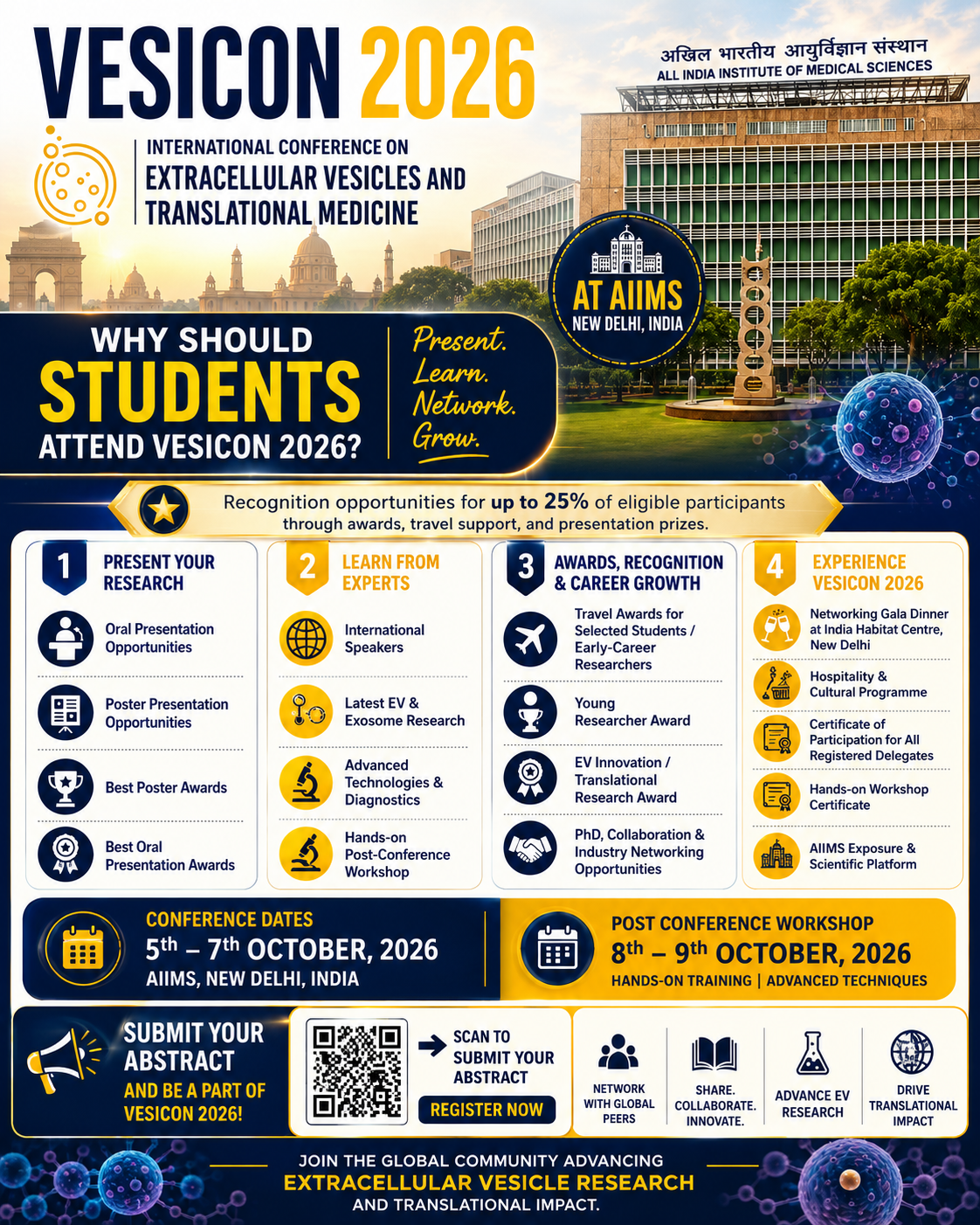
VESICON 2026 is an Annual International Conference on Extracellular Vesicles and Translational Medicine, organized at the All India Institute of Medical Sciences (AIIMS), New Delhi. The conference will be held from 5th–7th October 2026, followed by a hands-on post-conference workshop on 8th–9th October 2026.
The event aims to bring together scientists, clinicians, faculty members, researchers, industry experts, and young investigators to discuss recent advances in extracellular vesicle biology, biomarkers, diagnostics, therapeutics, drug delivery, regenerative medicine, multi-omics, bioinformatics, neurodegenerative diseases, wound healing, and translational applications of EV research.
VESICON 2026 will provide a focused platform for scientific exchange through keynote lectures, invited talks, oral and poster presentations, networking opportunities, and practical workshop sessions.
]]>Good Cell Culture Practices in Stem Cells
Workshop
from
to
at
Bengaluru.
]]>tag:indiabioscience.org,2026-06-08:/events/good-cell-culture-practices-in-stem-cells2026-06-08T16:58:00+05:302026-06-08T16:58:27+05:30Shwetha Chttps://indiabioscience.org/authors/zGXpwL2g3eKrb2J
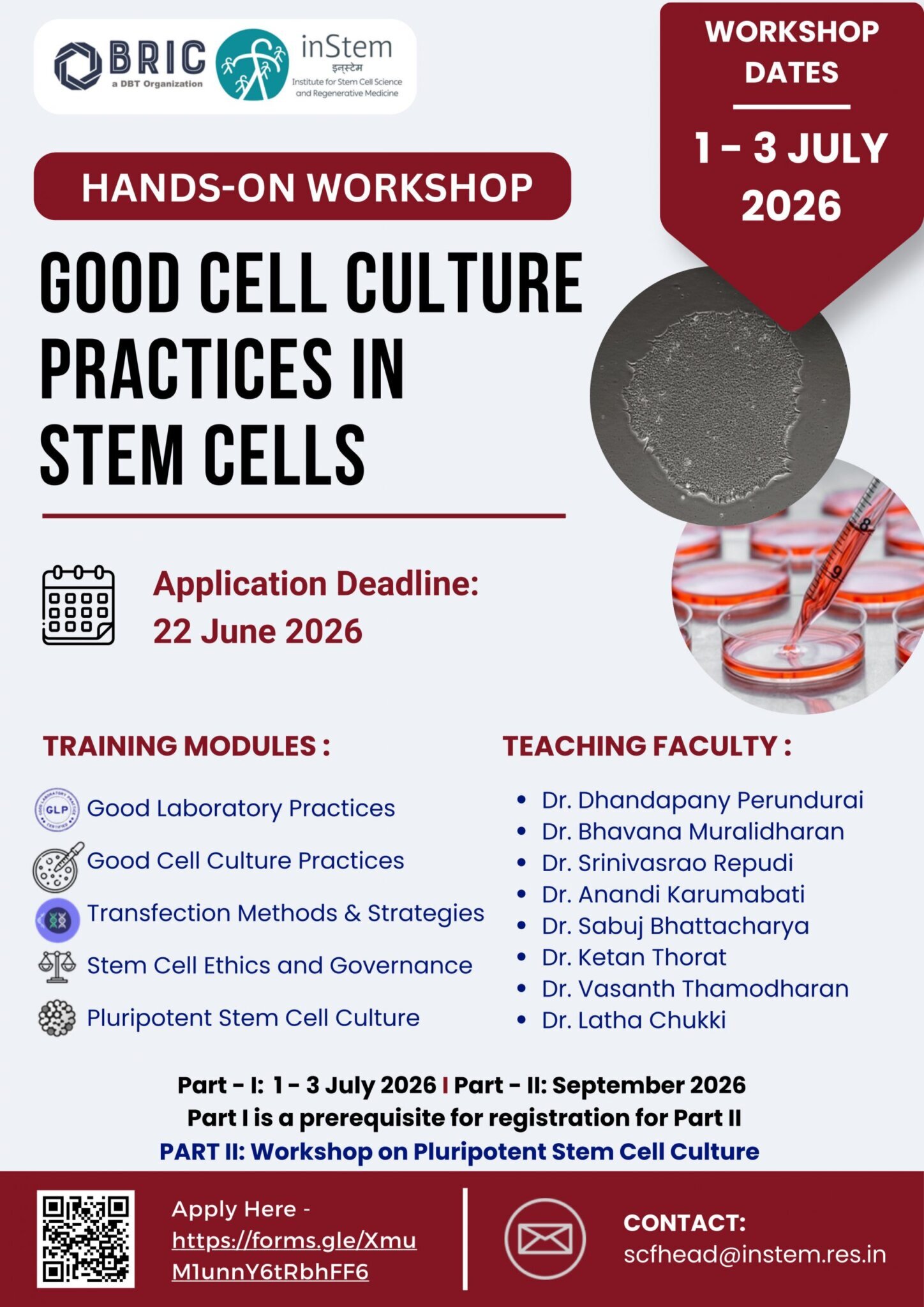
This is Part I: Good Cell Culture Practices workshop. Completion of Part I is a prerequisite for applying to Part II: Advanced Training in Human Pluripotent Stem Cell Culture.
]]>Every second Sunday with science heroesEvery second Sunday, The Scicomm Synapse brings science to life through conversations with researchers and communicators. From career journeys to curiosity-driven insights, their student-led initiative bridges scientists and society, celebrating diverse paths in STEM while fostering scientific temper, collaboration, and storytelling across India. ]]>tag:indiabioscience.org,2026-06-08:/columns/indian-scenario/every-second-sunday-with-science-heroes2026-06-08T10:00:00+05:302026-04-16T10:25:37+05:30Satyarth Pandeyhttps://indiabioscience.org/authors/GVWZMqlYYX1NqB2Every second Sunday, The Scicomm Synapse brings science to life through conversations with researchers and communicators. From career journeys to curiosity-driven insights, their student-led initiative bridges scientists and society, celebrating diverse paths in STEM while fostering scientific temper, collaboration, and storytelling across India.
In the era of AI and digital platforms, intellectual curiosity is growing among the people of India. Nowadays, it is almost impossible to skip any reels or posts talking about the health benefits of either eating all kinds of seeds or quitting refined sugar. Creators across India are gaining traction by focusing on niche areas, whether it is educating scientific concepts to school students in a simplified way by Talk To A Scientist or the captivating Chai and Why show to make science more visible across all generations, complements a very interesting clause of Article 51(A) of the Indian Constitution that states: to develop scientific temper, humanism, and the spirit of inquiry & reform.
We, The Scicomm Synapse, registered under the Ministry of Micro, Small, and Medium Enterprises, Government of India, runs solely by students and scholars from diverse age groups and different parts of India, believe that science communication is not only limited to information but also involves bringing out the stories behind the backbones of knowledge creators. The Scicomm Synapse is a creative impulse to bridge the gap between scientists and the public. Recently, we completed hosting more than 50 live sessions. Through our initiative, The Next Experiment (a live science podcast series), we encourage scientists to step beyond their lab coats and engage in meaningful, informal conversations with our audience.
The joy of the community members in organising such events is immeasurable, demonstrating a highly collaborative spirit by engaging in various activities, from reaching out to speakers to hosting a live show to marketing on social media platforms. Hence, we find our niche in spending quality time every second Sundays of the month with our favorite scientist or science communicator and listening to their STEM journey.
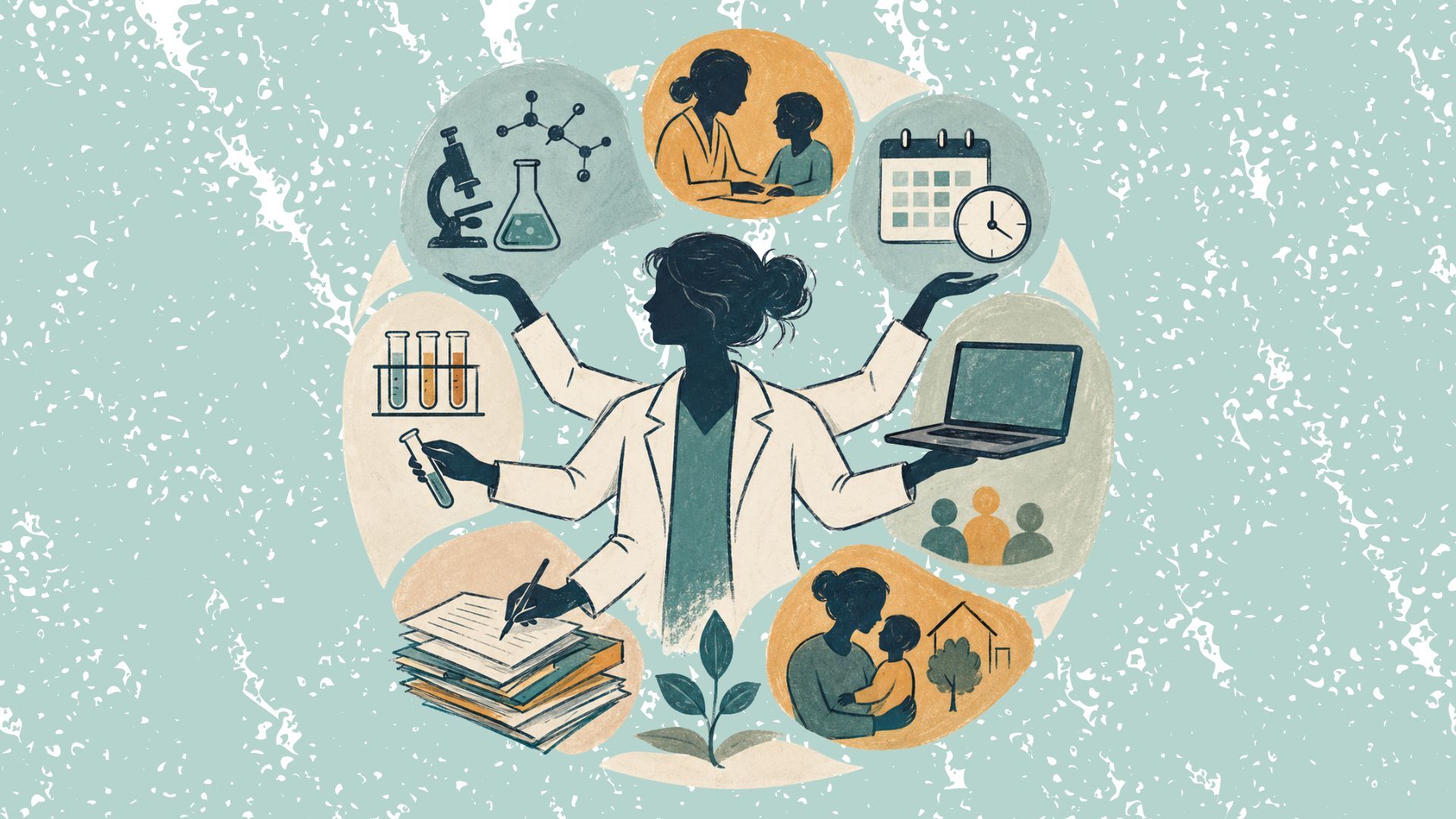
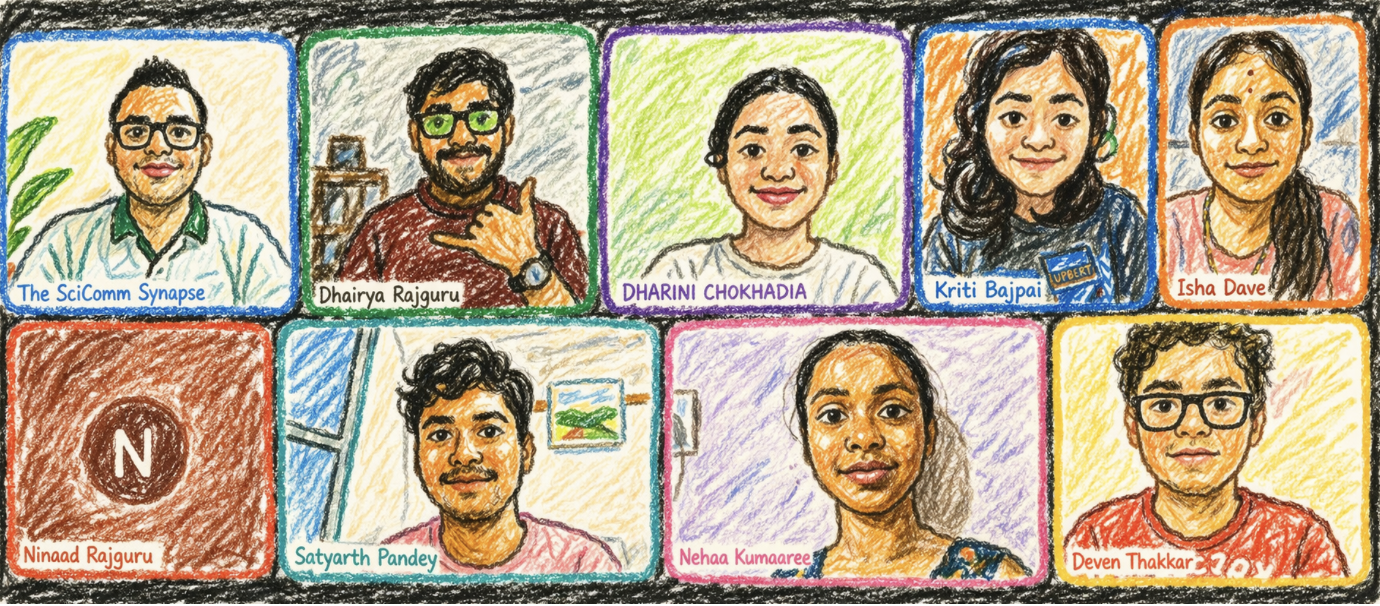
Image created by Satyarth Pandey using Google Gemini. Prompt used: Make a bright color crayon image of the screenshot of the virtual meeting.
We have hosted a diverse panel of speakers. Our list of notable speakers include eminent scientists as L.S. Shashidhara, Vinay K. Nandicoori. Shashidhara extended learnings on the importance of an interdisciplinary approach to science and how skills acquired in one field can be profitably applied to another. He also shared that mentoring, for him, is about giving his students a free hand for experimental design while playing an advisory role. Nandicoori emphasised that good science starts with curiosity, not just techniques. He also shared that his own journey wasn’t perfectly planned and suggested to students that they shouldn’t feel pressured to have everything figured out early.
We also hosted Karishma S Kaushik, a staunch advocate for women in STEM. A key takeaway message from her was that careers in science are never linear. However, we are not only limited to eminent leaders in STEM but have also extended our platform to young startup founders like Sanyam Sharma, whose desire to do something of his own burned brighter than accepting a PhD position abroad.
The primary aim behind organising such sessions is to showcase academia as a diverse career option. Gone are the days when parents and students viewed careers as limited to “doctor” or “engineer”. More than achievements, what truly stayed with us was how different a journey one can opt for and pursue in science.
Under our flagship initiative, KalaTatva, a sci-art project, we got the opportunity to cover stories of a scientist-turned-science communicator, Ipsa Jain, who tells scientific stories through her art and illustration, and how Rafeeque Mavoor, a scientific illustrator, opened his own Sci-art services, collaborating with various institutions and researchers.
What began as a small idea to create a platform for STEM peers has now grown into a vibrant, student-led community comprising individuals from diverse career backgrounds and regions—all working voluntarily. However, sustaining such a community comes with challenges, including annual website maintenance costs, limited access to high-quality content creation tools, and the need to better recognise team contributions.
Looking ahead, we aim to apply for science communication grants to address these challenges, improve content quality, and expand outreach across India. We also aspire to bridge the urban–rural divide in science communication by engaging with rural communities and conducting workshops in regional languages. We welcome collaborators who share our vision of bringing scientists’ stories to wider audiences and strengthening science communication across the country.
]]>Project AssociateApplications are invited from suitable candidates (Indian Citizens) for one position of Project Associate-I in …
]]>tag:indiabioscience.org,2026-06-05:/orgs/rgcb/jobs/project-associate-42026-06-05T12:00:00+05:302026-06-05T14:42:39+05:30Shwetha Chttps://indiabioscience.org/authors/zGXpwL2g3eKrb2J
RGCB
Thiruvananthapuram, Kerala
Engagement
Temporary
Hours
Full-time
Profile
Applications are invited from suitable candidates (Indian Citizens) for one position of Project Associate-I in the DBT funded project entitled,"Defining the role of WRKY transcription factors in regulating Phytophthora capcisi infection in black pepper", in the laboratory of Dr. Moumita Srivastava, Scientist -C at the Rajiv Gandhi Centre for Biotechnology (BRIC-RGCB), Thiruvananthapuram.
Duration
Initially for a period of one year or till termination of the project whichever is earlier and extendable based on the performance evaluation.
Money
Rs. 25,000/- + 18% HRA per month.
Qualifications
First Class Post-Graduate MSc Degree in Life Sciences (Microbiology/ Biotechnology/Biochemistry etc).
Experience
Desirable: Hands on experience in plant tissue culture. Proficiency in Western blotting, PCR and microbial culture.
To Apply
Applications should be submitted online.
Candidates currently working in Government firms should send applications through proper channel.
Last date for receiving completed applications is 12th June 2026.
If a candidate wishes to apply for different positions, separate application forms should be submitted for each position.
Selection to the position will not entitle the candidate to any future positions at RGCB (permanent or otherwise). As with all project positions at RGCB, the position will be co terminus with end of the project.
Applications which are not in the prescribed format will summarily be rejected.
Only those fulfilling the above criteria need apply. Applicants will be short listed for the online selection interview based on eligibility criteria. Selection of suitable candidates will be made based on qualifications and performance in the selection interview.
]]>Senior Research AssistantATREE seeks highly motivated applicants to work in a multidisciplinary project that focuses on the …
]]>tag:indiabioscience.org,2026-06-05:/orgs/atree/jobs/senior-research-assistant2026-06-05T11:30:00+05:302026-06-05T14:19:51+05:30Shwetha Chttps://indiabioscience.org/authors/zGXpwL2g3eKrb2J
ATREE
Bengaluru, Karnataka
Engagement
Contract
Hours
Full-time
Profile
ATREE seeks highly motivated applicants to work in a multidisciplinary project that focuses on the restoration of a peri-urban lake in Bengaluru. Efforts to restore urban and peri-urban lakes are on the rise globally, yet many fail to achieve a healthy ecological status. This lake restoration project aims to investigate why these efforts often fall short, proposing that the missing piece is the consideration of spatial scales within watersheds, encompassing social, economic, and natural science factors crucial for biodiversity and ecosystem functionality. We aim to develop a comprehensive framework for assessing restoration success by connecting three key facets of lake ecosystems: water quality and hydrology at relevant scales, multi-group biodiversity, and ecosystem multifunctionality, including the social and economic dimensions of lake health. By applying this framework, we will examine how elements such as climate, vegetation, water quality, hydrology, and stakeholder interests influence the ecological outcomes of the restoration project.4
The appointment will be one year, subject to satisfactory progress with two months of probation period. Salaries at ATREE are competitive and at par with other academic institutions in India. The positions will be based in ATREE’s office in Bangalore.
The programme aims to work towards achieving a water-secure future for society through interdisciplinary knowledge generation and dissemination, policy engagement, capacity building, and partnerships for equitable and sustainable water management and democratic water governance. To advance the knowledge we adopt an approach of integrated water resources management and acknowledge an intricate interplay between natural and human systems within complex waterscapes. Our strategy integrates diverse knowledge streams, particularly hydrology encompassing surface water-groundwater interactions, political ecology, and science, technology, and society to analyse and address water-related issues by leveraging our expertise in geospatial tools and nature-based solutions.
Qualifications
Bachelor’s or Master’s degree in Botany, Environmental Science, Ecology, Forestry, Horticulture, or a related field.
Experience
Strong knowledge of native plant species, plant ecology, and biodiversity restoration principles.
Minimum 2-3 years of hands-on experience in plantation programs, nursery management, or field-based restoration projects.
Demonstrated experience in team management and coordination of field activities.
Experience in coordinating with nurseries, vendors, and contractors for plant sourcing and procurement.
Strong organisational and logistical management skills.
Ability to work independently in the field and lead field teams effectively.
Excellent communication and interpersonal skills for stakeholder engagement.
Commitment to environmental conservation and community-based restoration initiatives.