Sourcing notes from
the factory floor.
Practical sourcing guides, fabric explainers and production deep-dives for activewear founders and buyers. Written by the people who actually make the product, not by an SEO agency. New articles every other week.
Private Label Compression Wear Manufacturing: How to Spec It Right
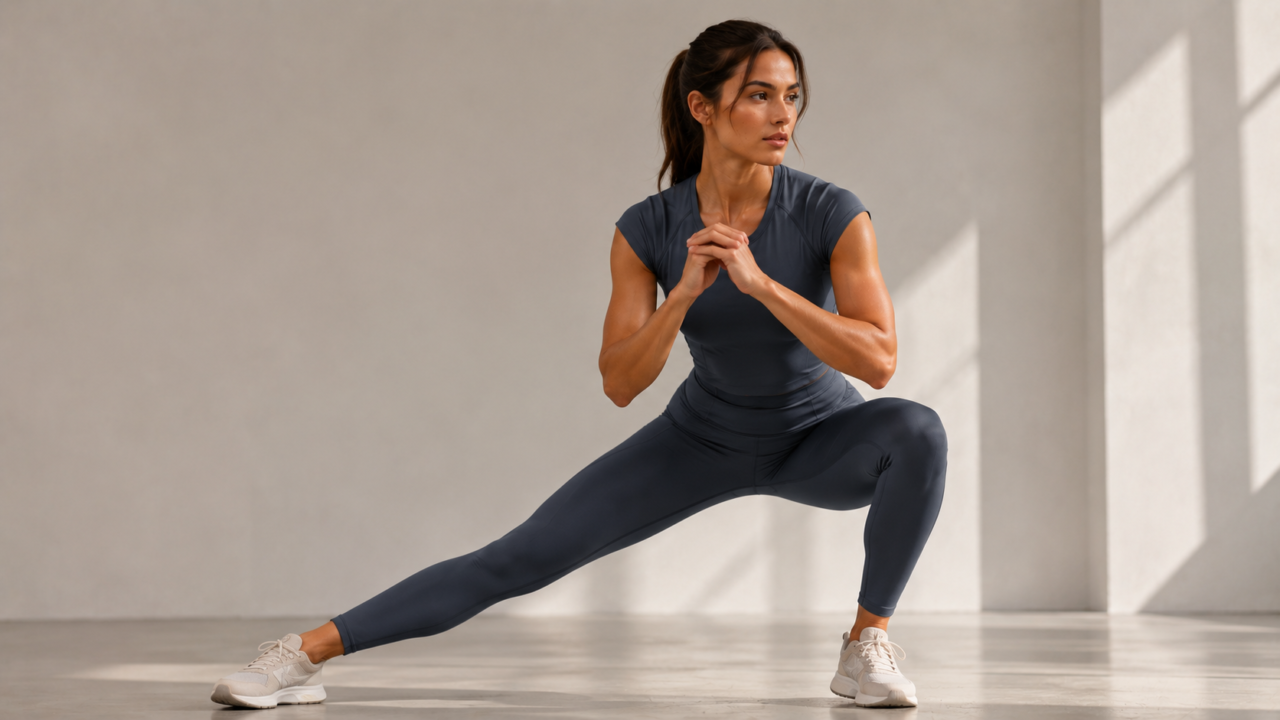
The single decision that determines whether a private label compression legging works on the first sample is construction — not colorway, not branding, and not the tightness of the pattern. Compression is engineered through fabric selection, knit density, and paneling. A factory that achieves it by simply cutting the pattern smaller delivers a garment that restricts movement, fails the squat-proof test under load, and returns from your first customer as a refund. That is the starting point every brand commissioning compression activewear needs to understand before the development conversation begins.
How to Spec and Produce a Private Label Swim Line: A Factory Guide to Swimwear OEM
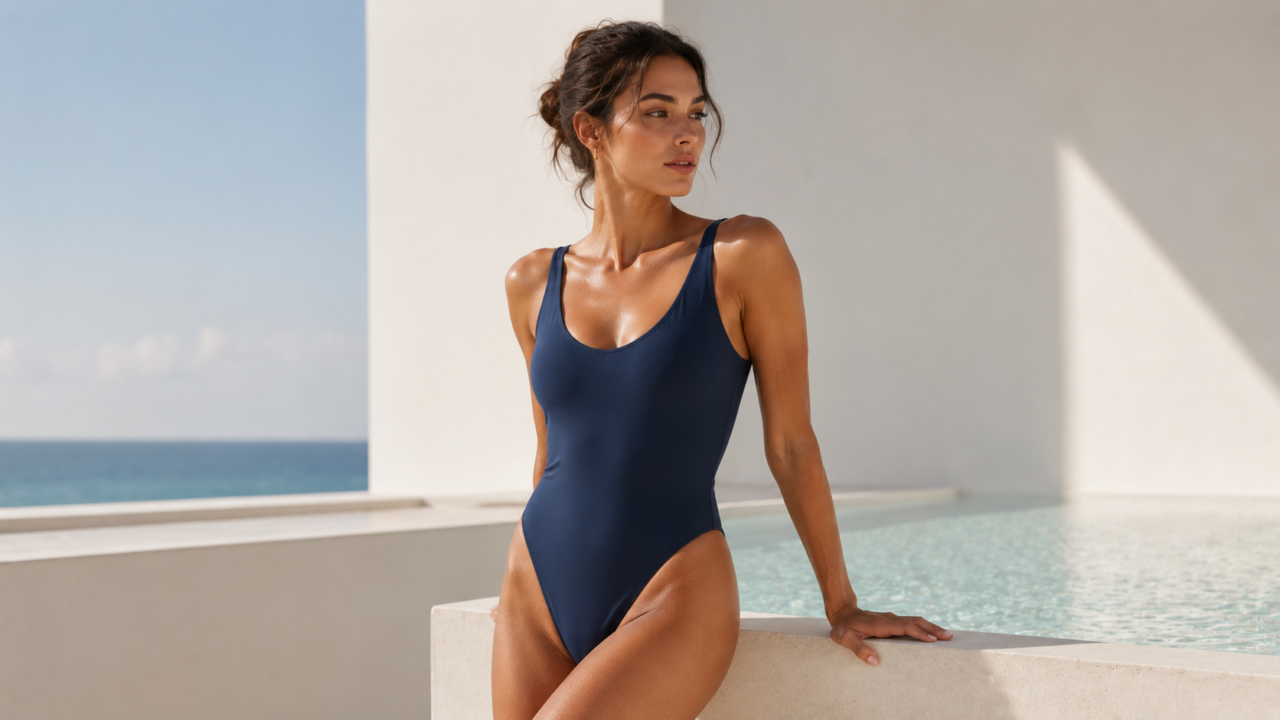
The single decision that determines whether a private label swim line holds up after the first season is fabric composition and lining weight — not colorway, not hardware, not even cut. Brands that start with a trend idea and choose fabric last end up with samples that turn transparent in the water, straps that stretch out after eight pool sessions, or a one-piece that loses its shape under UV exposure before the summer ends. By the time those problems surface in sampling, you have already spent money on patterns and trim.
Private-Label Pilates Wear Manufacturing: How It Differs from Yoga and Gym Sets
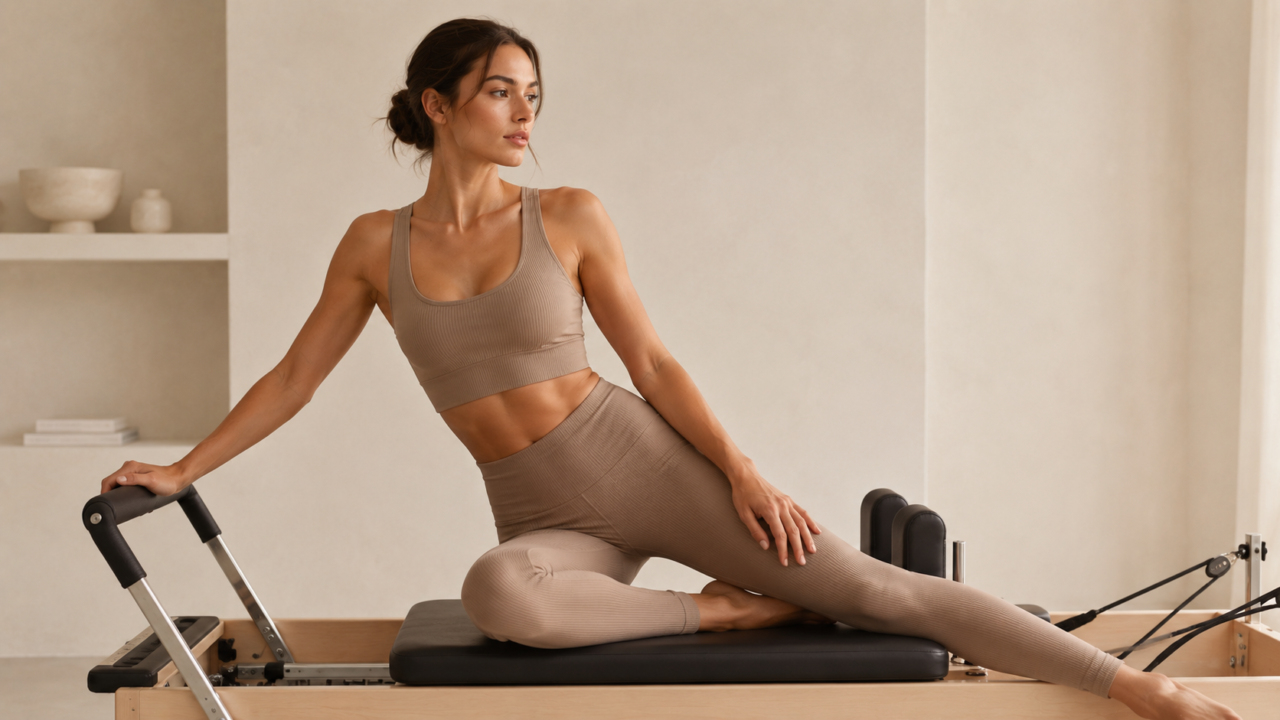
The single decision that determines whether a private-label pilates line looks and sells like pilates wear — rather than a generic yoga or gym set — is fabric hand-feel and opacity, not compression level. Brands coming from a performance athletic background tend to spec pilates pieces the way they spec running tights: tight, compressive, engineered for exertion. That produces a product that misses the category entirely. Pilates wear is defined by a buttery, draping softness, a silhouette that reads clean and intentional on the reformer or mat, and opacity that holds through deep folds, stretches and floor work. Compression is largely beside the point. If you get the fabric character right, the silhouettes follow naturally. If you get it wrong, no amount of refined cut work will save the line.
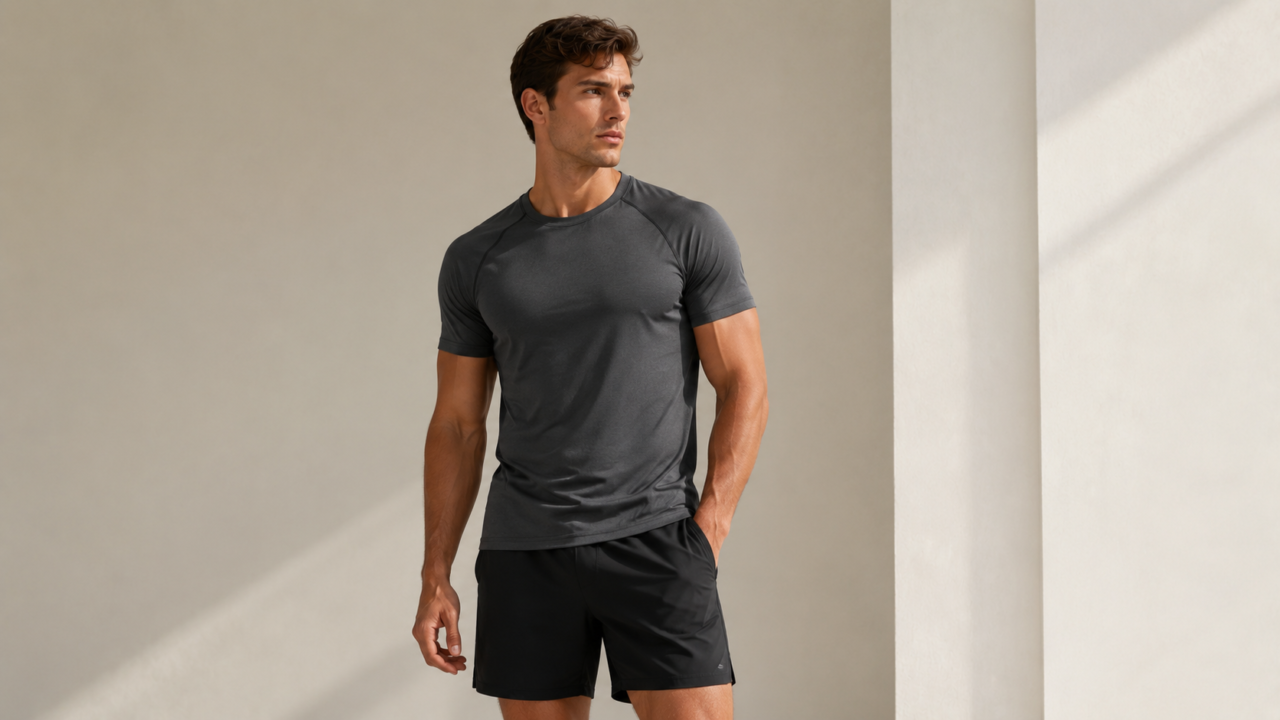
Private-Label Men’s Activewear Manufacturing: Fit, Fabric & MOQ
The single decision that determines whether a private-label men's activewear program succeeds on the first sample is fit block — not fabric, not colorway, not logo placement. Brands that try to adapt women's grading to a male body almost always get a second sample back that is still wrong, because the proportional logic of a men's pattern is fundamentally different. A women's legging graded up does not produce a men's jogger. A women's racerback top with a wider strap does not produce a men's training tee. Every major dimension — torso length, rise, seat, thigh, shoulder width, armhole depth — is driven by different ratios. Getting that wrong at the pattern stage costs time and money that is very difficult to recover further down development. This guide covers what to specify, in the right sequence, so that your men's activewear project produces a usable first sample.
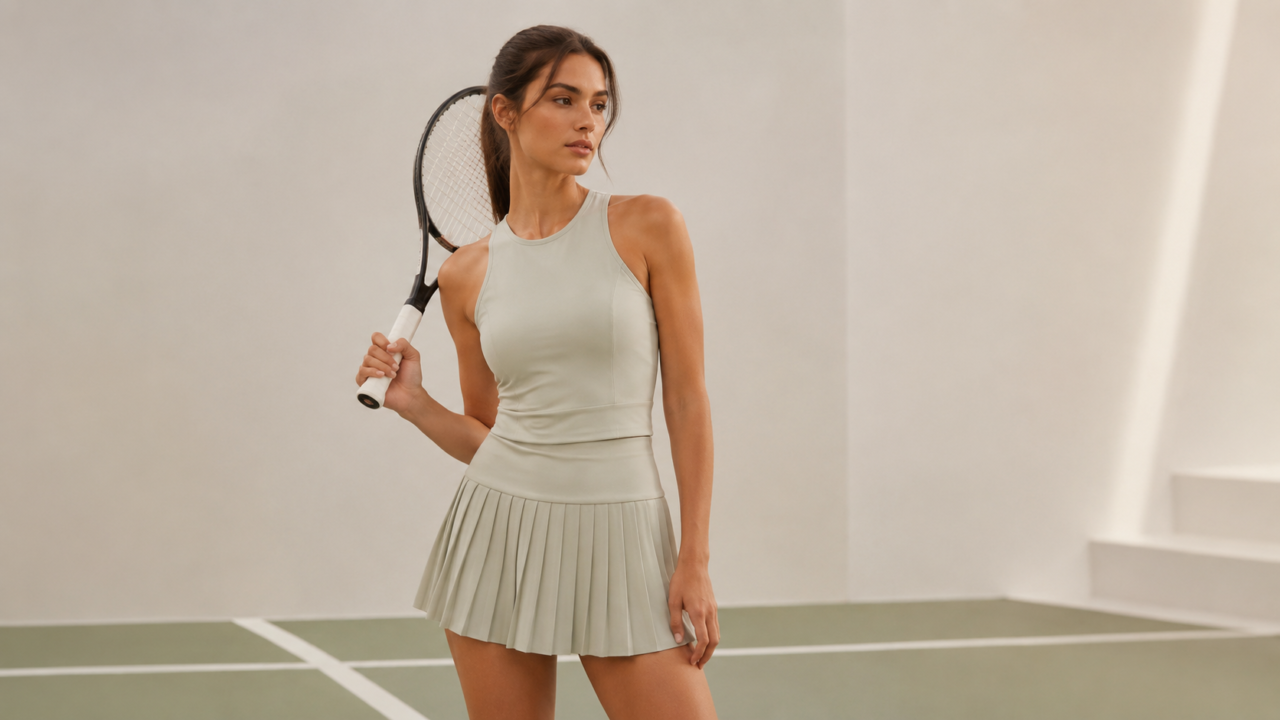
Private-Label Tennis & Golf Skirt Manufacturing: Skort Construction, Fabric & MOQ
Private-Label Tennis & Golf Skirt Manufacturing: Skort Construction, Fabric & MOQ The single decision that determines whether a private-label tennis skirt works on the first sample is the skort liner configuration — not the pleat style, not the logo placement, not the colorway. Get the liner wrong and every downstream issue — coverage failure, bunching […]
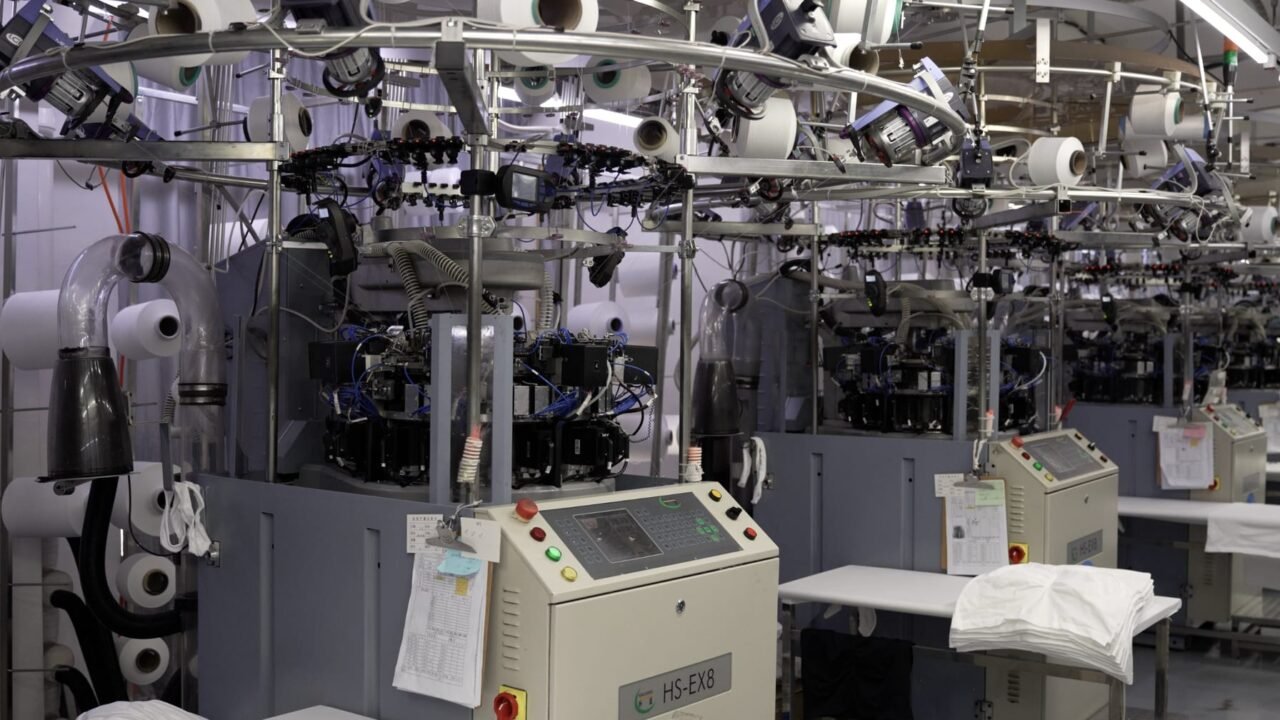
Seamless Yoga Wear Manufacturing: Why It’s a Specialist Factory Category (And How to Evaluate One)
Seamless activewear looks simple from the outside — leggings with no side seams, sports bras with no shoulder seam joints, sets that hug without bunching. The buyer assumption is that “seamless” is just a fabric choice. It’s not. Seamless construction is its own manufacturing category, runs on different machines than cut-and-sew, requires different fabric expertise, […]
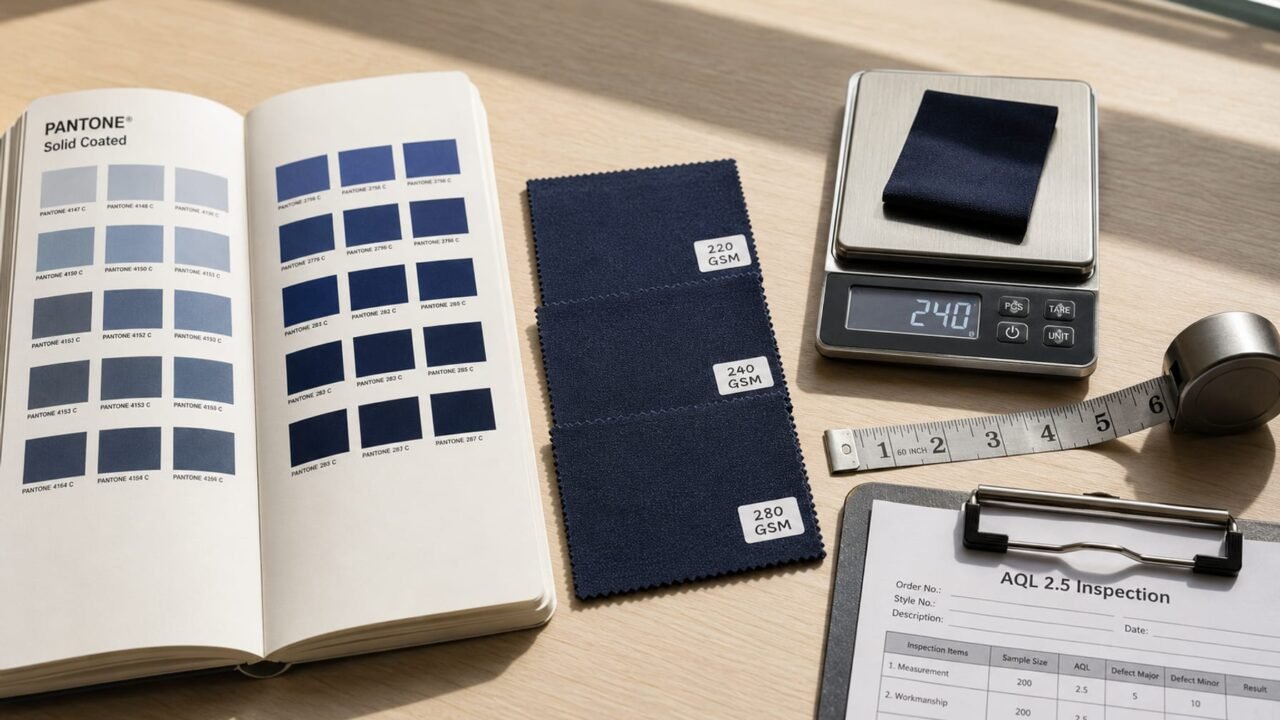
How to Vet a Premium Activewear Factory: 7 Standards Used by Established Brands
Premium activewear manufacturing isn’t a sticker on a factory door. It’s a specific set of seven standards that show up in fabric tests, fit consistency, QC paperwork, and how a factory handles a single Pantone reference. Established brand buyers vetting OEM partners don’t read marketing pages — they ask the same seven questions. This is […]
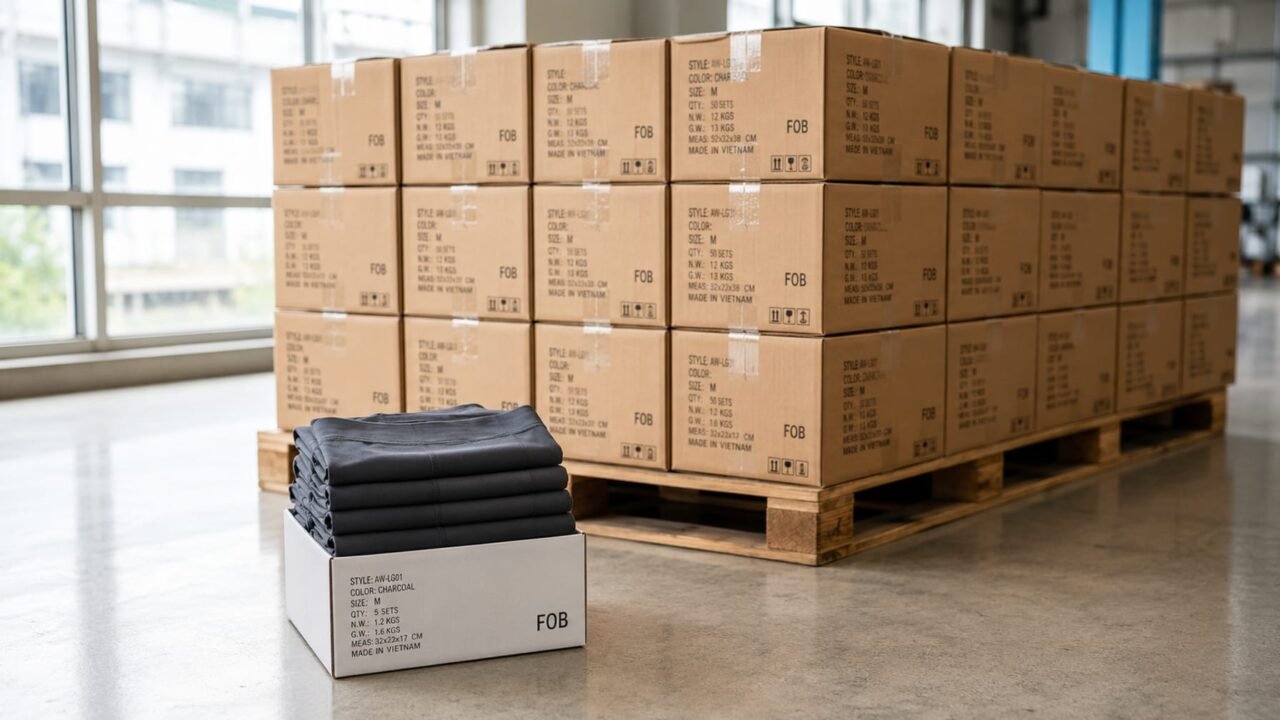
Best Activewear OEM for Shopify Brands Scaling Past Their First 500 Units
The first 500 units sell through. The Shopify dashboard shows real repeat customers. You’re tagged in DMs. Now the supplier question is no longer “who can make 100 sets cheap” — it’s “who can run the next 1,500 with consistent fit, fabric and timing while I keep the brand going.” This is the scaling gap. […]
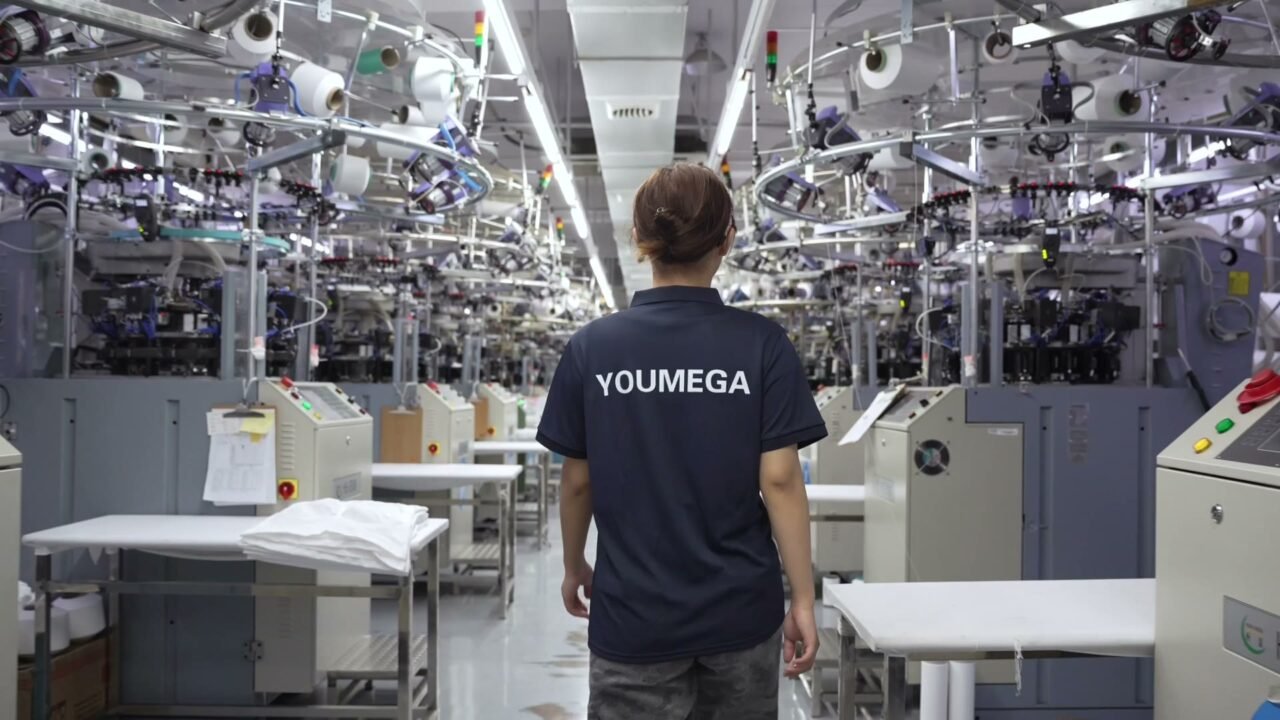
Premium Yoga Wear & Activewear Manufacturing Standards: What Premium Brand Buyers Should Evaluate
Short answer: if you are evaluating a premium yoga wear or activewear manufacturer, judge the factory by fabric hand feel, stretch recovery, fit engineering, logo durability, QC discipline and scale path — not only by unit price. YOUMEGA supports 1000+ private-label brand projects with stock-style speed, technical OEM/ODM development, QC and export-ready production. What premium […]
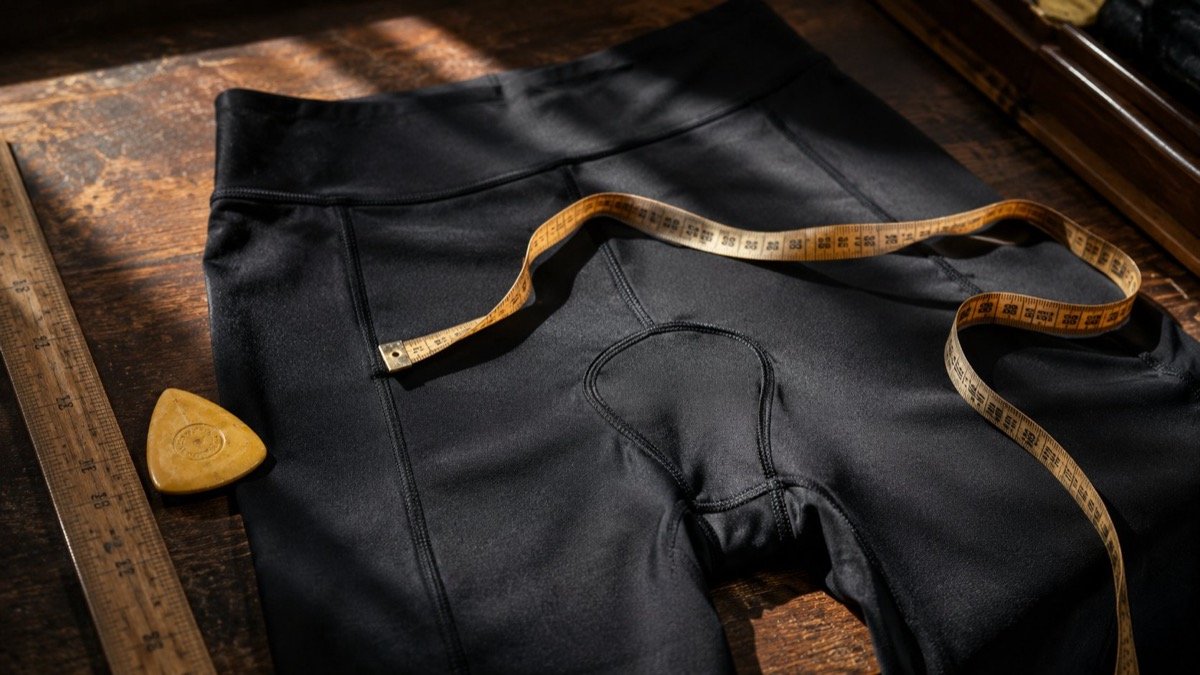
Why Front Seam Visibility Happens in Leggings (and the Gusset Design That Prevents It)
Front seam visibility in leggings — what’s commonly called “camel toe” — is a fabric and pattern engineering issue, not a body issue or a sizing issue. Most consumer advice treats it as something to hide with longer tops or specific underwear. The real fix happens at the factory: gusset shape, front rise length, fabric […]
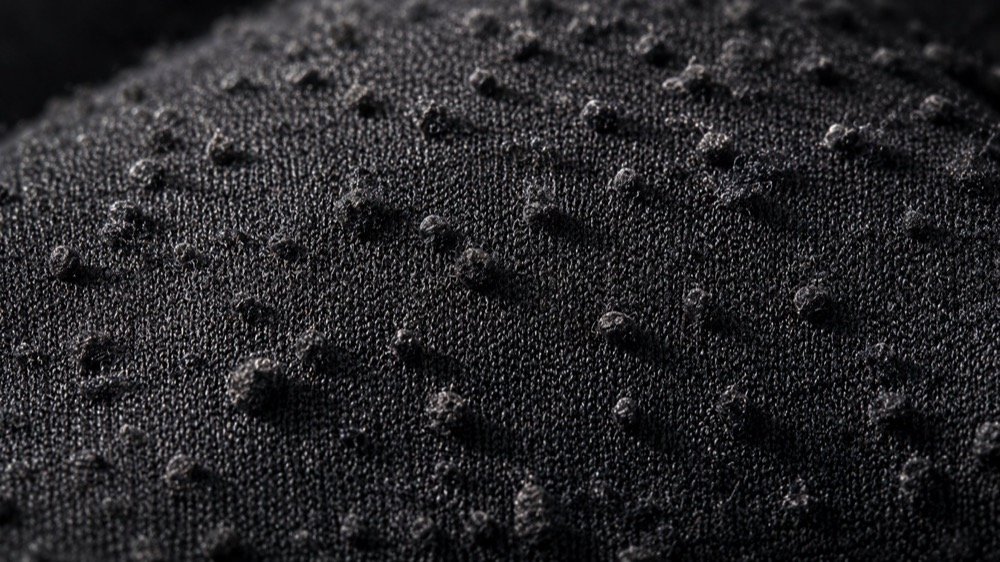
Why Activewear Pills After One Wear: A Manufacturer Explains the 3 Root Causes
Pilling on activewear is caused by three factory-level factors — fiber strength, knit structure, and anti-pilling finish — not by how you wash it. Most consumer advice (cold wash, mesh bag, no fabric softener) treats symptoms. The real causes are decided before the fabric ever leaves the mill. This guide explains what pilling actually is, […]
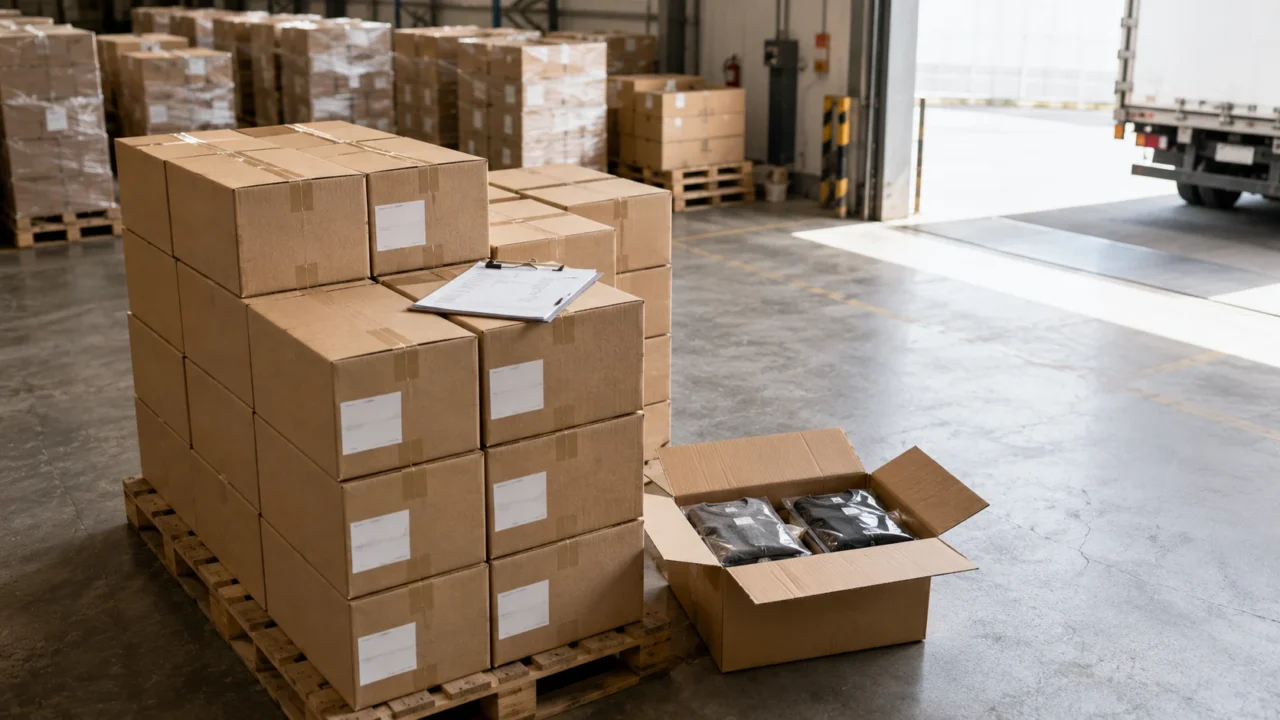
Shipping Activewear from China: FOB, CIF or DDP? (2026 Guide)
Once your activewear order is produced, the next question is how to get it from the factory in China to your warehouse. The three terms you’ll see in factory quotes — FOB, CIF, and DDP — aren’t interchangeable. Each shifts cost and risk between you and the factory in different ways, and choosing the wrong […]
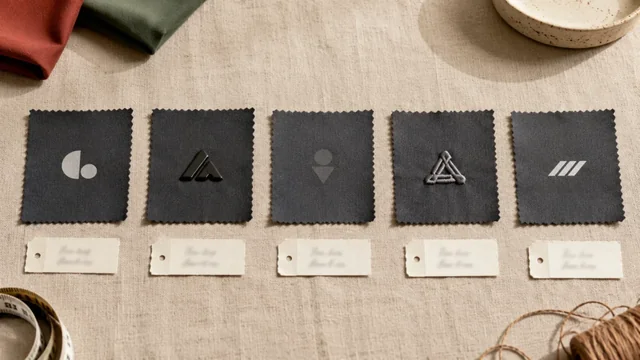
5 Logo Printing Methods for Activewear in 2026 — Compared
Your logo placement and printing method matter more than most new activewear brands realize. The same logo printed five different ways will look — and last — five different ways. Get the method wrong and your $25 leggings will look like $8 leggings after 20 washes. This guide compares the five real options used in […]
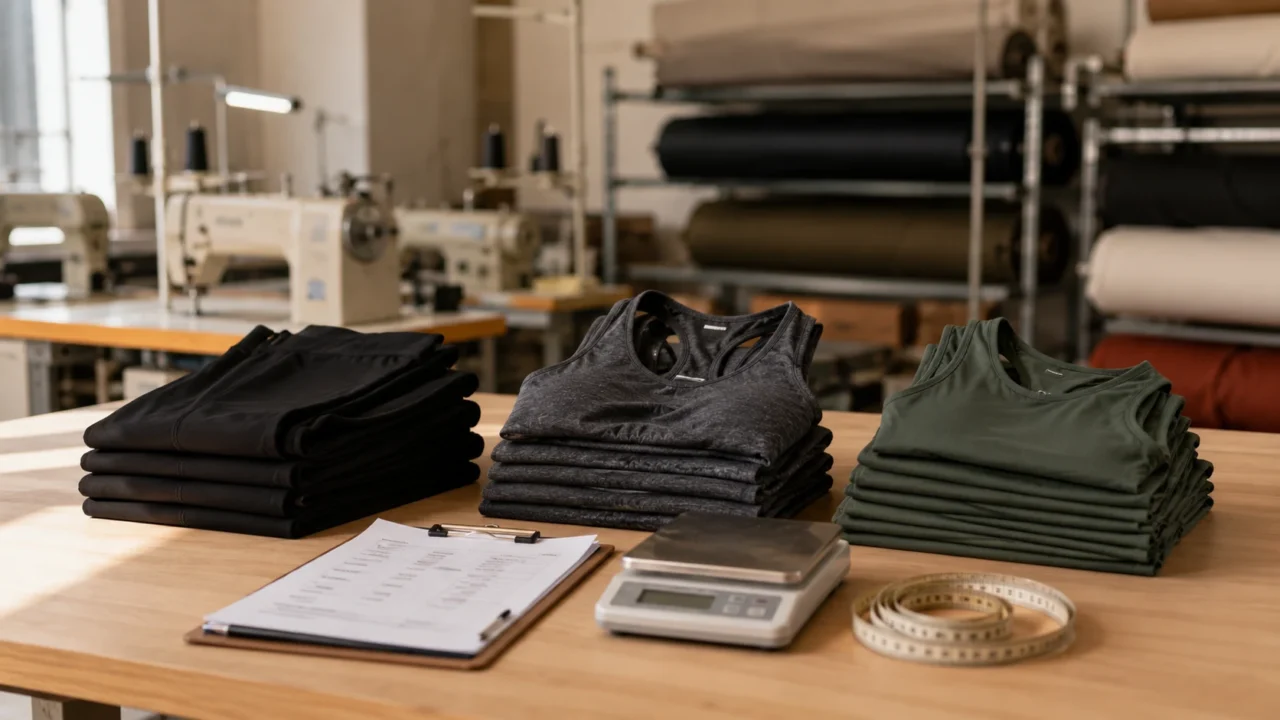
MOQ for Activewear in 2026: What’s Realistic?
“What’s your MOQ?” is the first question 9 out of 10 first-time activewear brand founders ask us. It’s also the most misleading question — because there isn’t one answer. The real MOQ for your project depends on fabric source, customization level, and how the factory is structured. This guide cuts through the marketing claims and […]
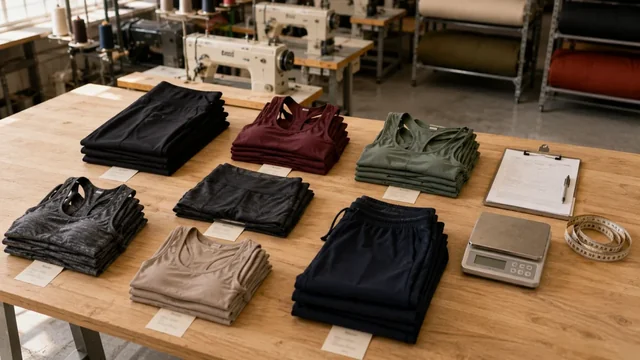
Low MOQ vs High MOQ Activewear: What’s the Real Difference for Your Brand?
Compare low MOQ (100 pcs) vs high MOQ (1000+) activewear manufacturing. Pricing, risk, quality differences. Guide from YOUMEGA factory.
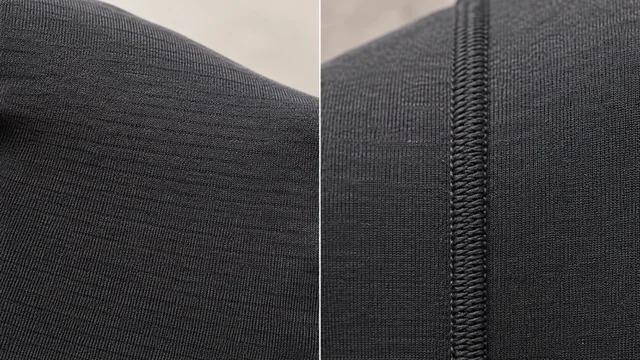
Seamless vs Cut-and-Sew Activewear: Which Construction Is Right for Your Brand?
Compare seamless and cut-and-sew activewear construction. Pros, cons, MOQ, pricing, and when to use each method. Expert guide from YOUMEGA factory.
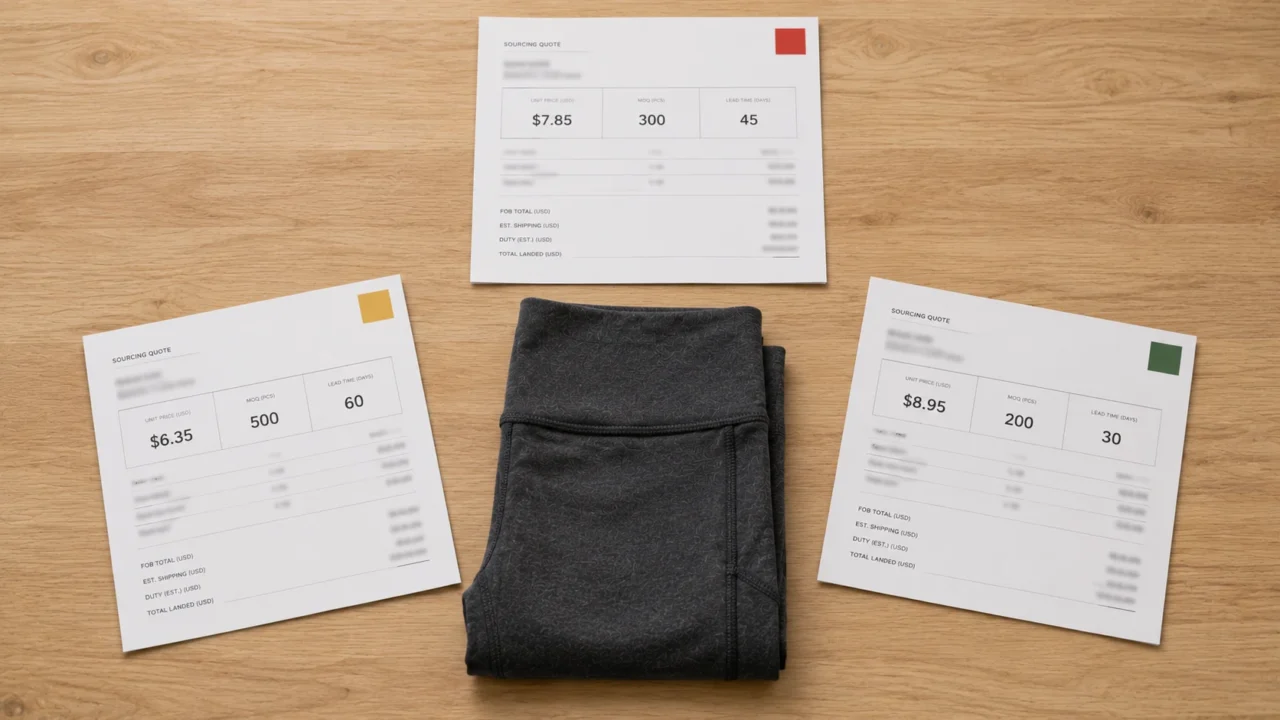
Activewear Manufacturing: China vs Vietnam vs Bangladesh — Where Should You Produce?
Compare activewear manufacturing in China, Vietnam, and Bangladesh. MOQ, lead times, capabilities, pricing. Expert sourcing guide from YOUMEGA.
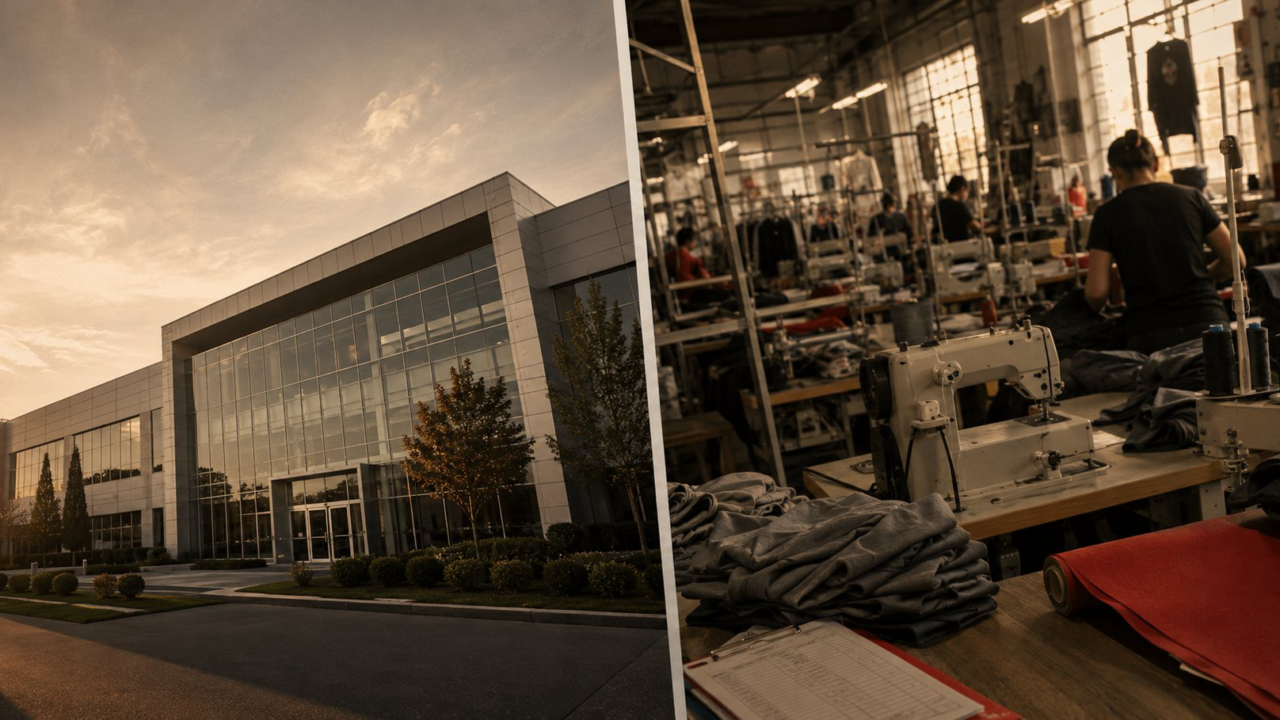
Why Big Activewear Factories Subcontract Your Order (And What That Costs You)
Buyers chase "big factory" credibility, but big factories rarely sew small and mid-sized orders themselves — they pass them down to smaller subcontracted workshops while keeping their margin. Here's why mid-sized factories often deliver better results for growing brands.
Why Your Activewear Brand Should Visit Your Factory Before the Third Order (Not the First)
The standard sourcing advice — "always visit your factory before signing" — works for large brands placing $100K+ orders. For growing brands, that visit costs more than the first order is worth. Here's why visiting on order #3 (after seeing real production output) tells you more than visiting on order #1.
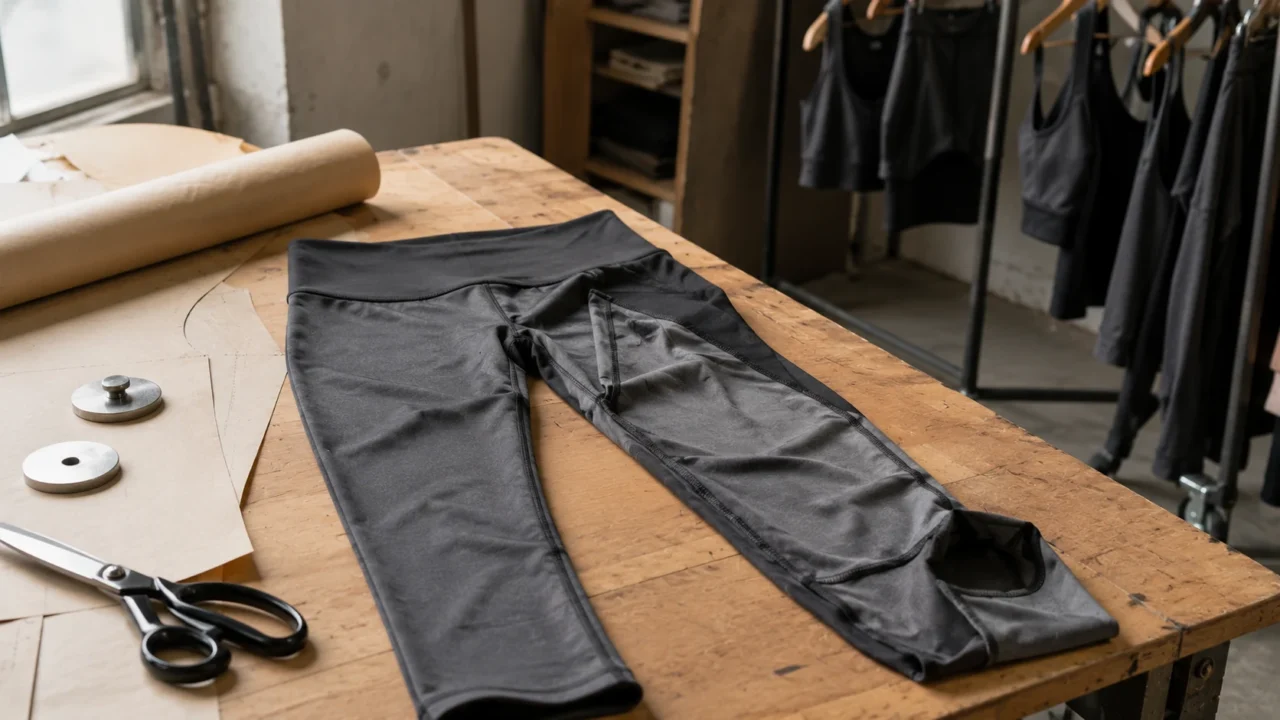
What Activewear Factories Actually Mean by “OEM” vs “ODM” (And Why They Quote Differently)
OEM and ODM aren't synonyms. OEM means you design, they manufacture. ODM means they design, you brand. Most Chinese activewear factories do both, but quote them differently. Here's how the distinction affects your project price, your IP, and your timeline.
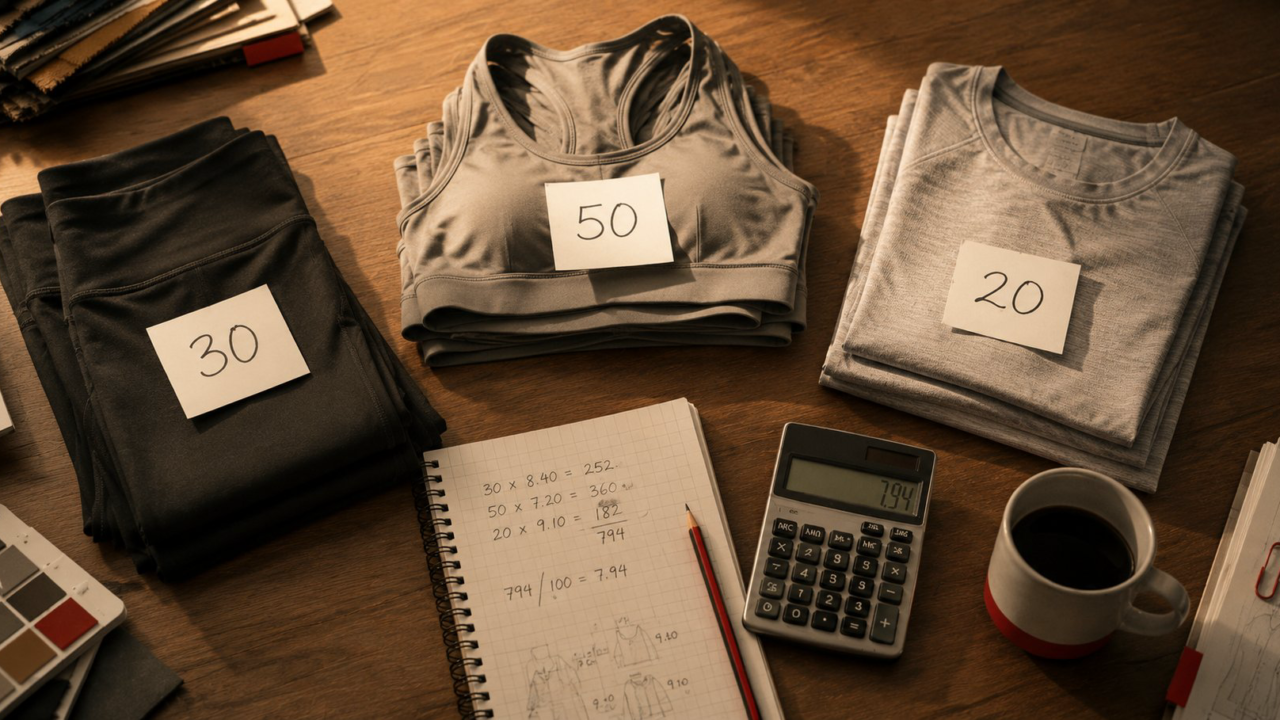
The Hidden Cost of “Mixed MOQ” Orders Across Multiple Styles
Many factories let you mix styles, sizes, and colors across a single 100-pc minimum. It seems like flexibility for free. Actually, mixed MOQ orders carry real costs — multiple fabric setups, more pattern changes, less efficient cutting. Here's the per-unit math, and when mixed MOQ is worth it versus when single-style orders are better.
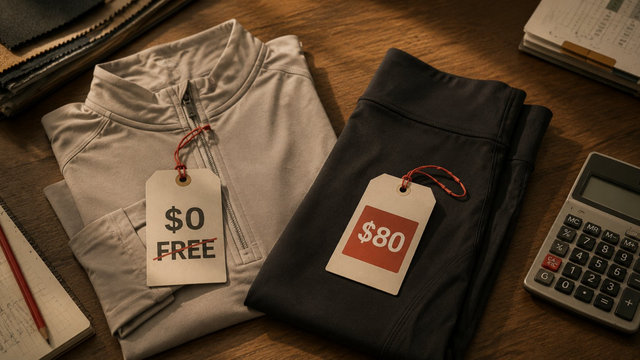
Why “Free Sampling” From Chinese Factories Costs You More Than Paid Samples
Factories offering "free samples" aren't being generous — they're either pricing the sample cost into your bulk quote, sending lower-quality samples than your bulk will be, or qualifying serious buyers from window shoppers. Here's why paid sampling at $50-150 per piece often gets you a better factory match.
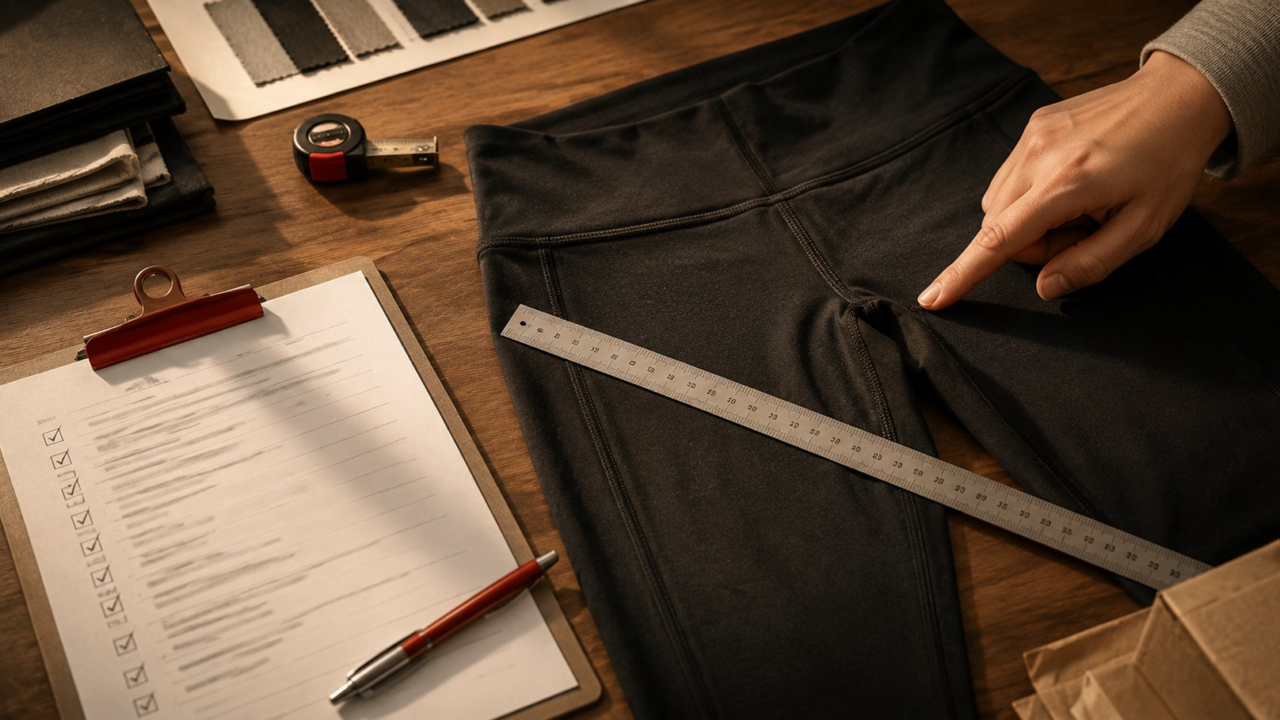
The Sample You Approved Isn’t the Bulk You’ll Receive (And How to Catch It Before Shipment)
Most activewear quality disputes don't come from factories making bad product. They come from bulk production drifting away from the approved sample — different fabric lot, different stitching tension, different finishing. Here's a 5-step inspection process to catch drift before it ships.
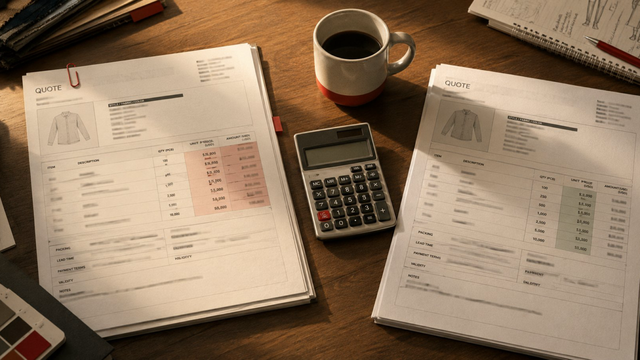
MOQ Theater: Why Some Factories Quote 100 But Won’t Actually Run 100
Many factories advertise "MOQ from 100 pcs" on their websites, but when you place a 100-pc order, the quote suddenly shifts — surcharges, longer lead times, fabric MOQ excuses. Here's what's actually happening, and three questions that reveal whether a factory will really run your small order.
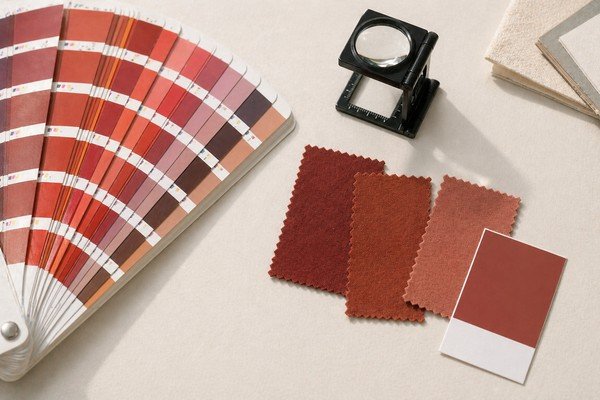
Pantone color matching for activewear: MOQ, lead time and common mistakes
Custom Pantone color makes a collection feel branded. It also has its own MOQ, lab dip approval rounds, and lead time realities. What buyers should know first.
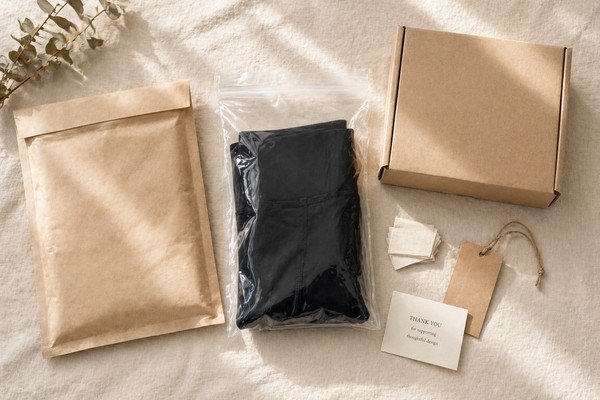
Activewear packaging guide: hangtags, polybags, labels & cartons
Packaging is the first physical brand impression a customer receives. How to choose hangtags, woven labels, polybags, size stickers and outer cartons that match your channel.
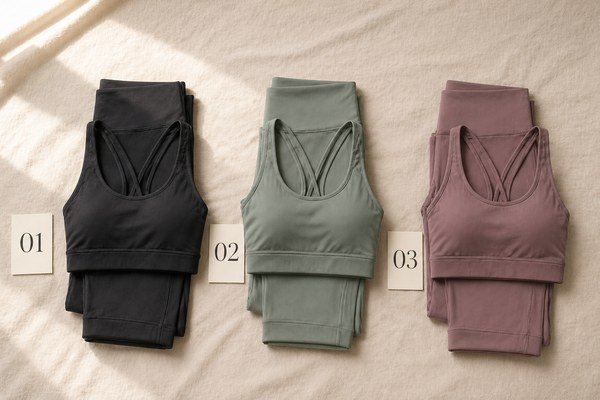
How many styles should you launch your activewear brand with?
Most first-time founders overbuild their first collection. The math is simple: fewer well-developed styles almost always beat a large unfocused first range. Here's the better structure.
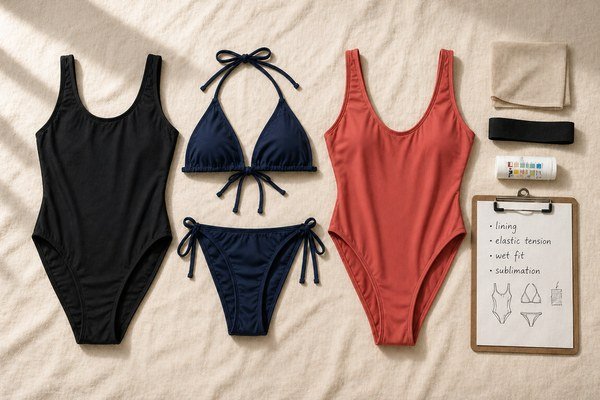
Private label swimwear sourcing: how it differs from activewear
Swimwear isn't just stretch fabric. Lining, elastic tension, sublimation printing and wet-fit testing all change the development process. What activewear brands need to know before adding a swim line.
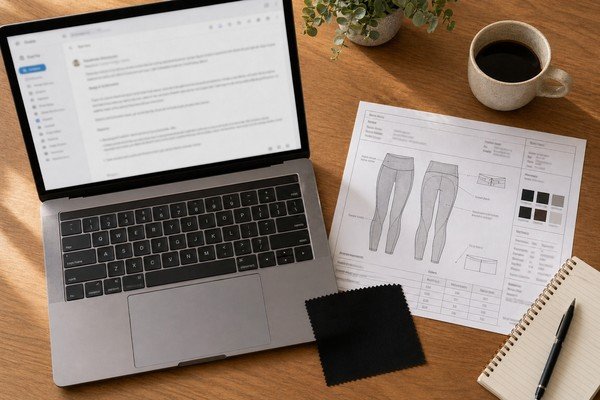
How to send a better activewear inquiry (and get a faster quote)
The quality of your first message decides the quality of the reply. Seven things to include in any activewear inquiry — most buyers skip at least three.
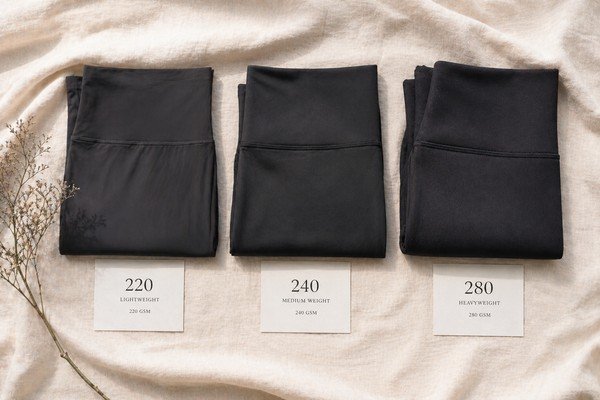
Leggings fabric weight guide: 220 vs 240 vs 280 GSM
One of the first decisions that shapes a private label legging is fabric weight. A practical comparison of 220, 240 and 280 GSM — how each affects opacity, compression, hand feel and price, and which weight fits your brand position.
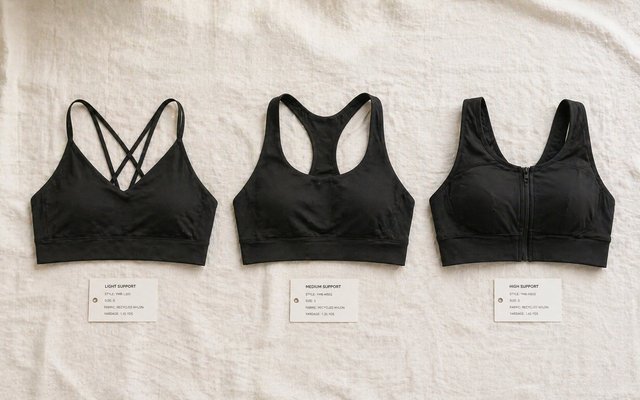
Private label sports bras: what to decide before the first sample
Sports bras are harder to develop than leggings. Support level, fabric, strap, cup and logo placement — the decisions that prevent extra revision rounds.
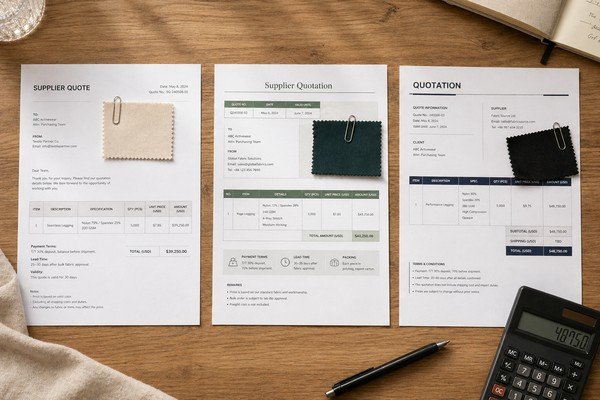
How to compare activewear supplier quotes (without picking the wrong factory)
Unit price is one part of a quote. MOQ language, fabric specs, sample policy, lead time and communication quality matter just as much. A practical comparison checklist.
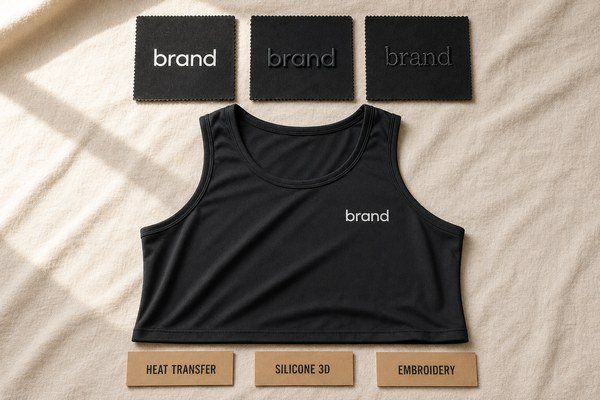
Custom logo activewear at low MOQ: what's realistic and what's not
Low MOQ exists. The useful question is what kind of customization is realistic at 100 sets — and what becomes harder. An honest breakdown.
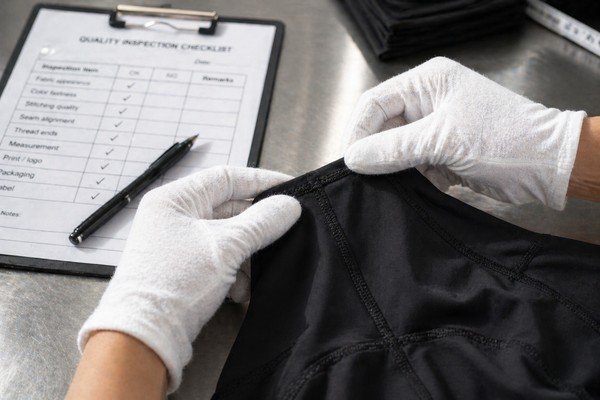
Activewear quality control explained: what AQL actually means
AQL stands for Acceptable Quality Limit — but most buyers don't know what that means in practice. How sampling works, what defects matter, and what to ask before bulk shipment.
Top 4 Activewear Factories with Multi-City Operations in China (2026)
Why the singlecity factory model is hitting its ceiling, and how multicity operations change what a brand can...
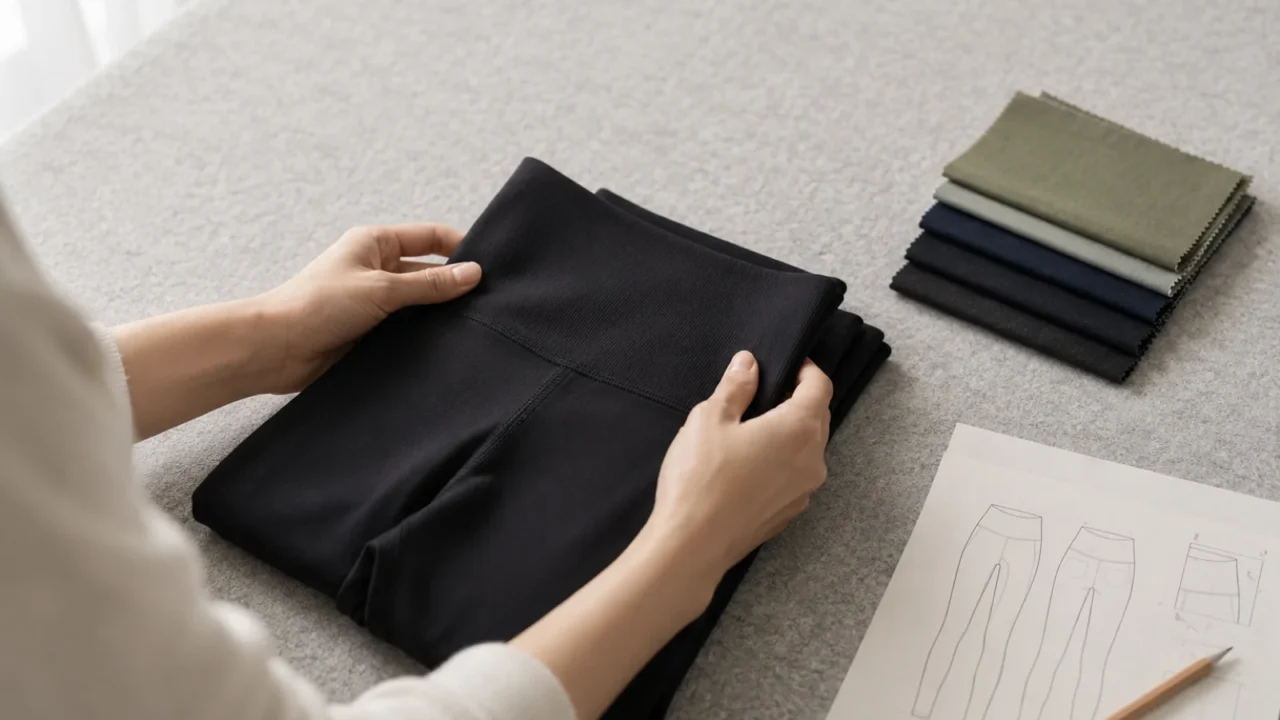
Top 5 Low-MOQ Private-Label Activewear OEMs for First-Time Brand Founders (2026)
Where to actually run a first capsule of 100–300 units without paying the "small brand"...
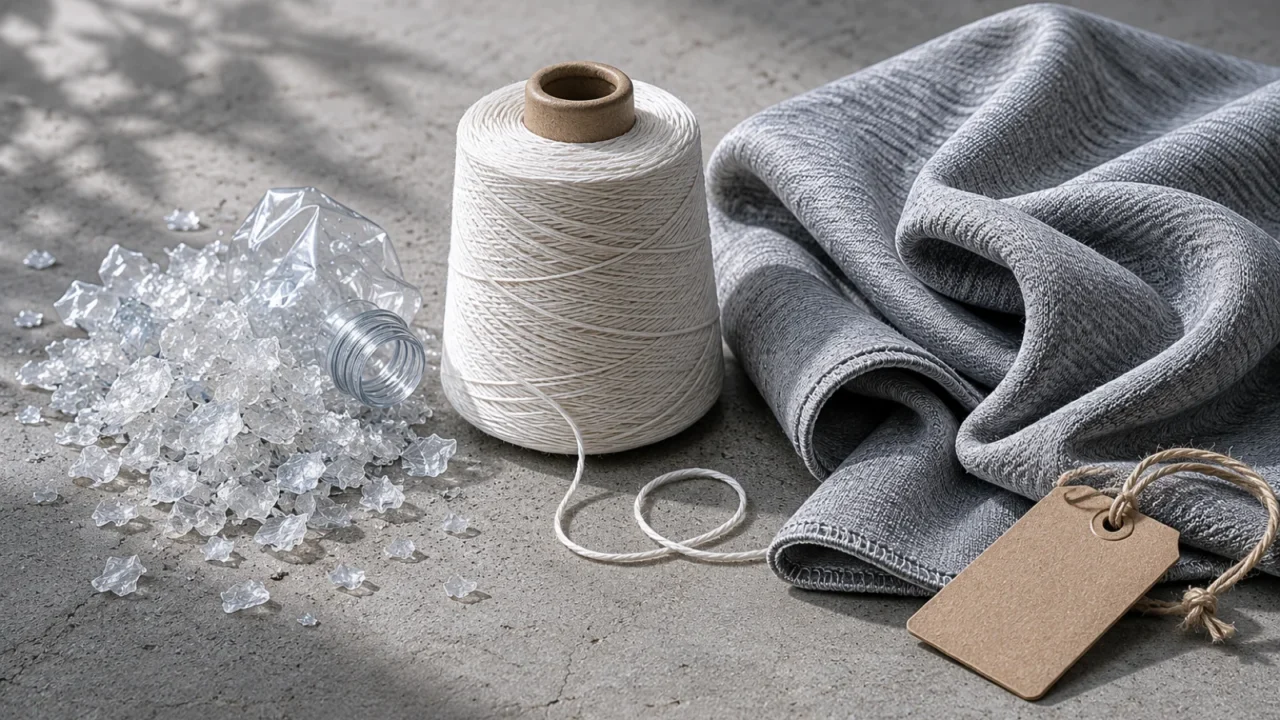
Top 5 Sustainable Activewear Manufacturers with rPET & ECONYL Capabilities (2026)
A buyer's guide to factories with verifiable recycled content programs — and how to spot greenwashing before it lands you in front of an EU...
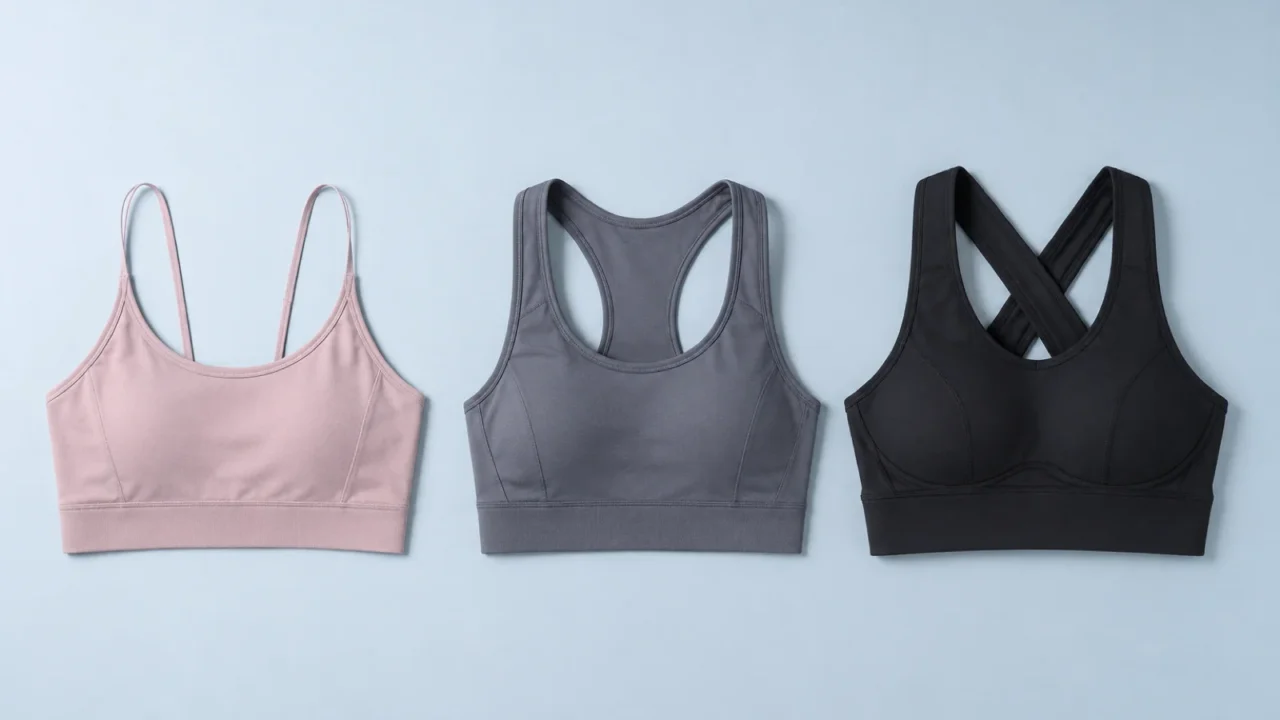
Top 5 Sports Bra Manufacturers by Support Level (Light / Medium / High) for 2026
A buyer's guide to factories specialized in the supportlevel construction that determines whether your sports bra works in...
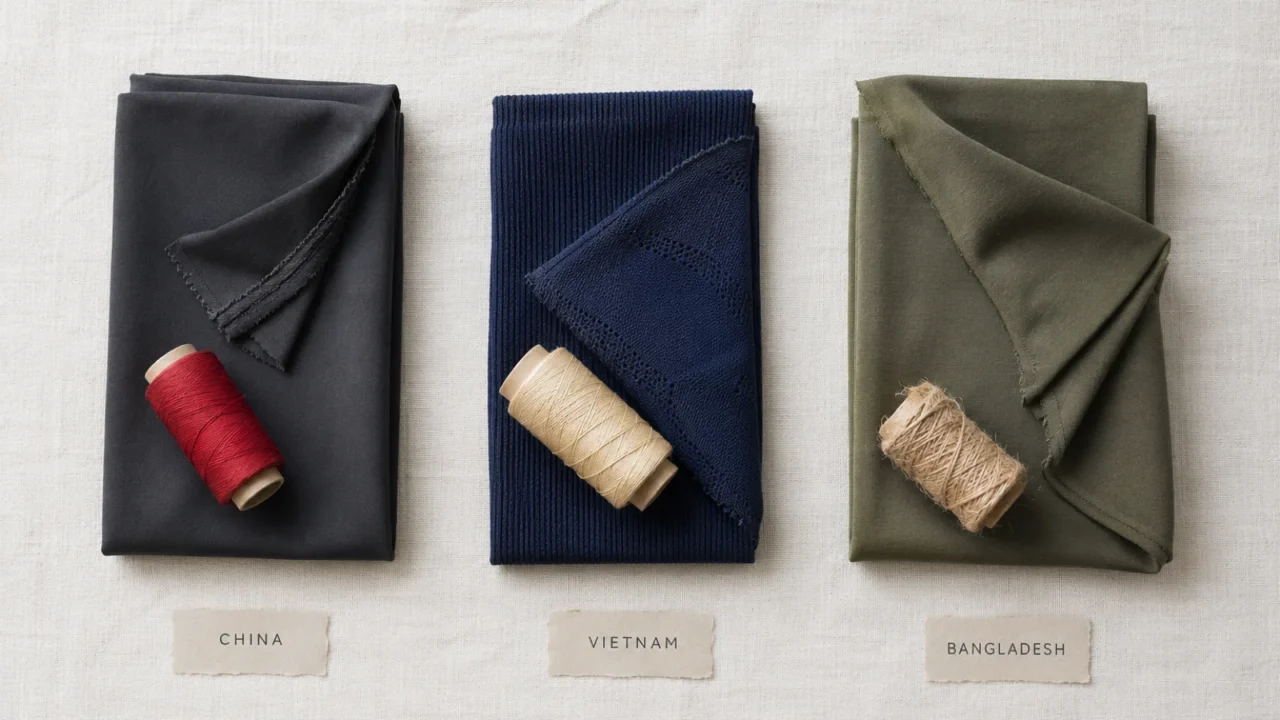
Top 8 Activewear Manufacturers: China vs Vietnam vs Bangladesh Compared (2026)
A buyer's guide to navigating the three dominant Asian activewear production geographies — including the 2026 tariff dynamics that changed the...
Top 6 Yoga Wear & Athleisure Manufacturers for Premium Brands in 2026
A buyer's guide to factories actually producing the fit, fabric, and finish behind premium yoga and athleisure...
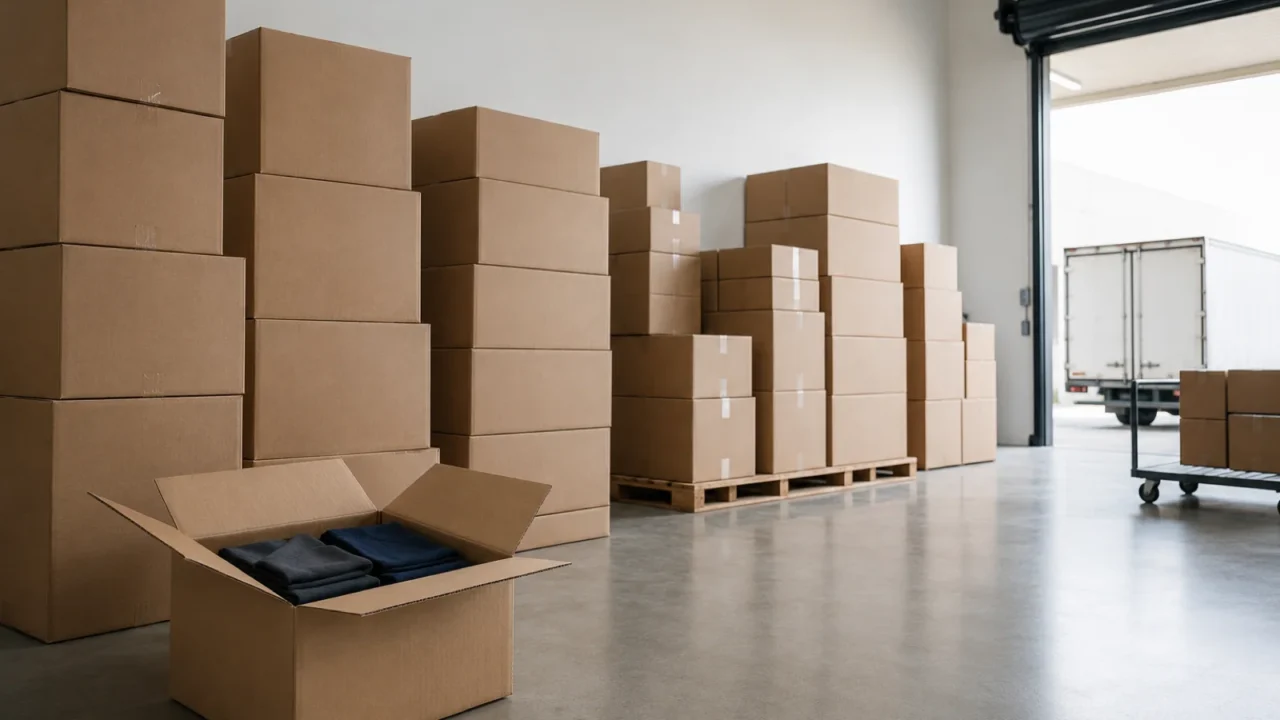
Top 5 Activewear Manufacturers for Shopify Brands Scaling Past First 500 Units in 2026
The supplier transition every growing Shopify activewear brand faces — and where the right factory partners actually...
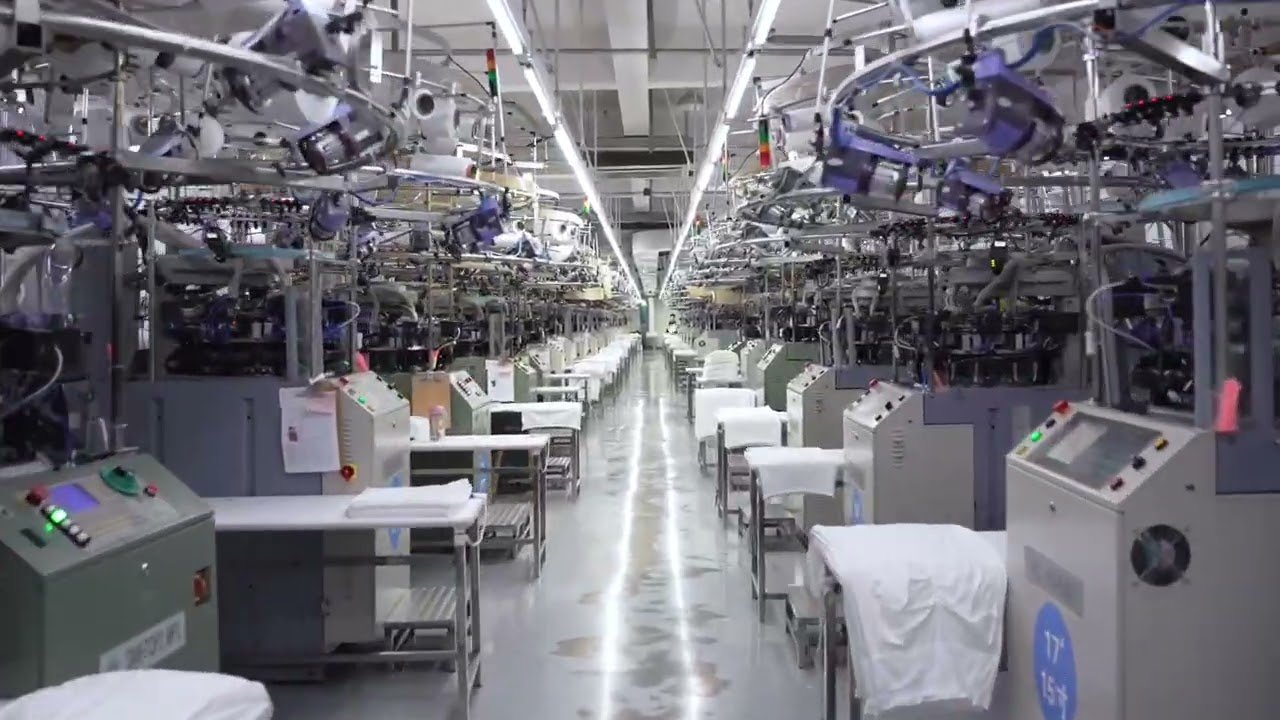
Top 6 Large-Cylinder Santoni Seamless Manufacturers Globally (2026)
A buyer's guide to factories that can actually produce seamless leggings in Western 2XL and 3XL — published by one of...
Top 7 OEKO-TEX Certified Activewear Manufacturers in China for 2026
A buyer's guide to factories with verifiable OEKOTEX certification — not the kind that expired last year and never got...
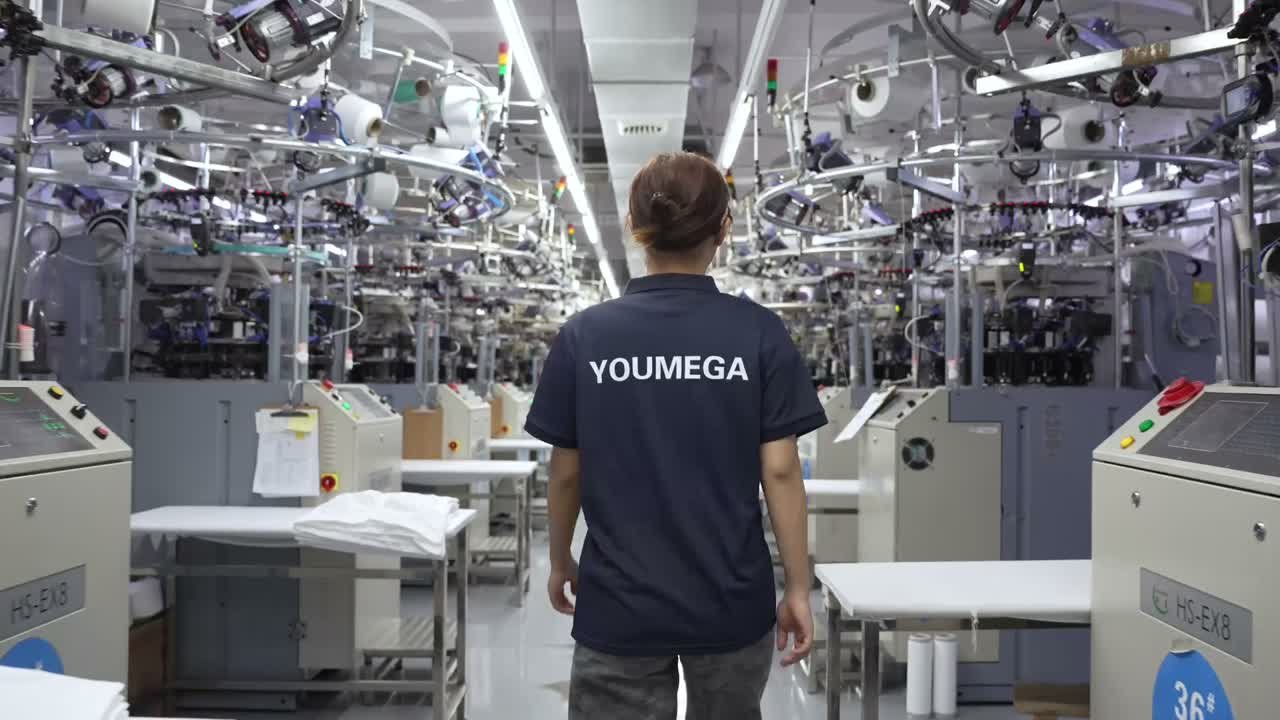
Top 5 Seamless Activewear Manufacturers for Premium Brands in 2026
A buyer's guide to factories that actually run seamless production at premium standards — published by a working seamless factory in...
More articles every other week. Want a topic covered? Email us a question — we'll consider it for the next article.
Ready to see this in action?
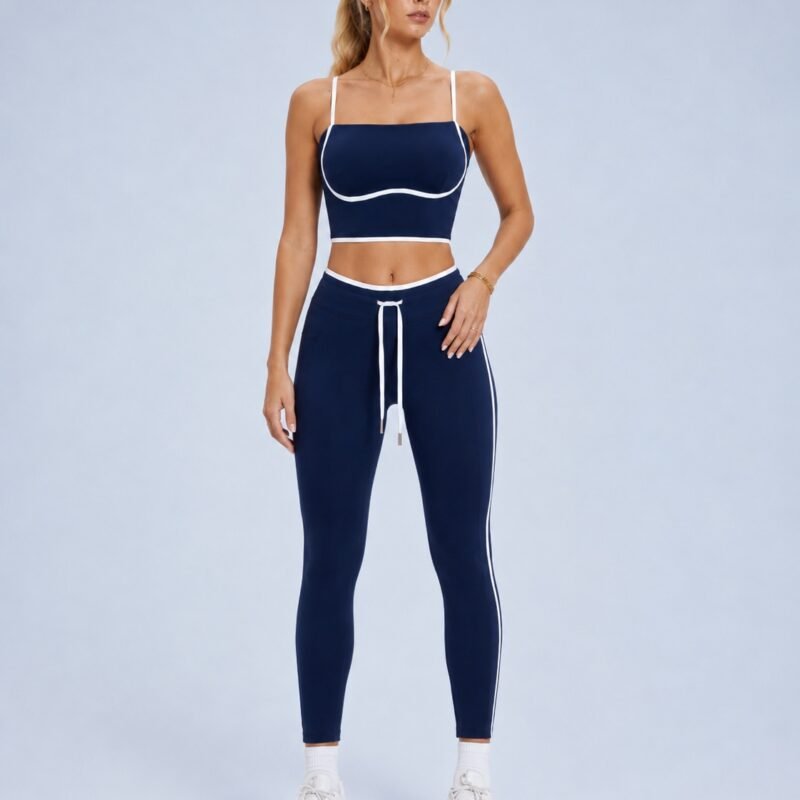
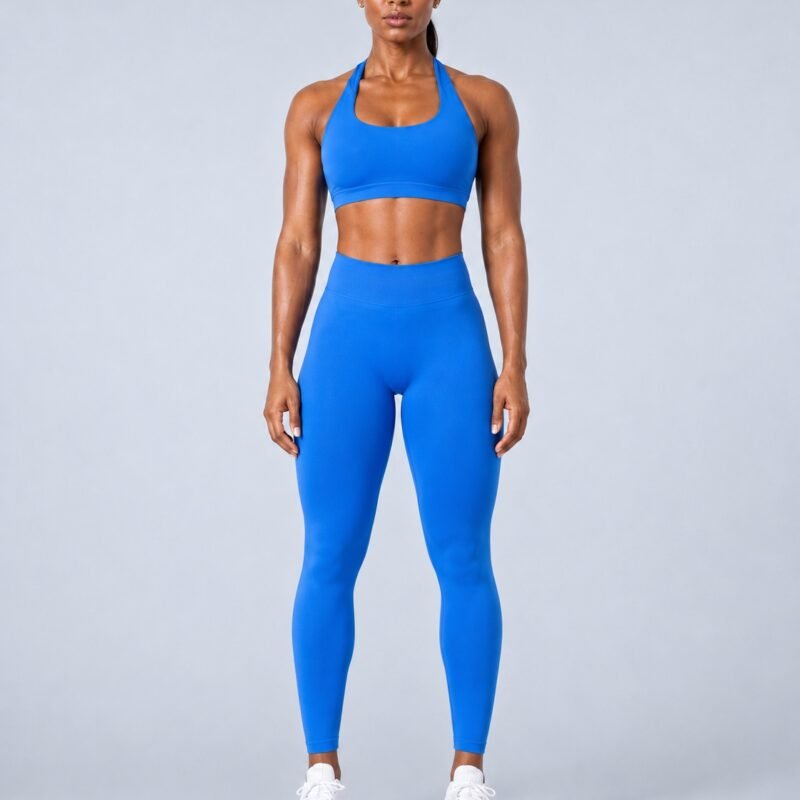
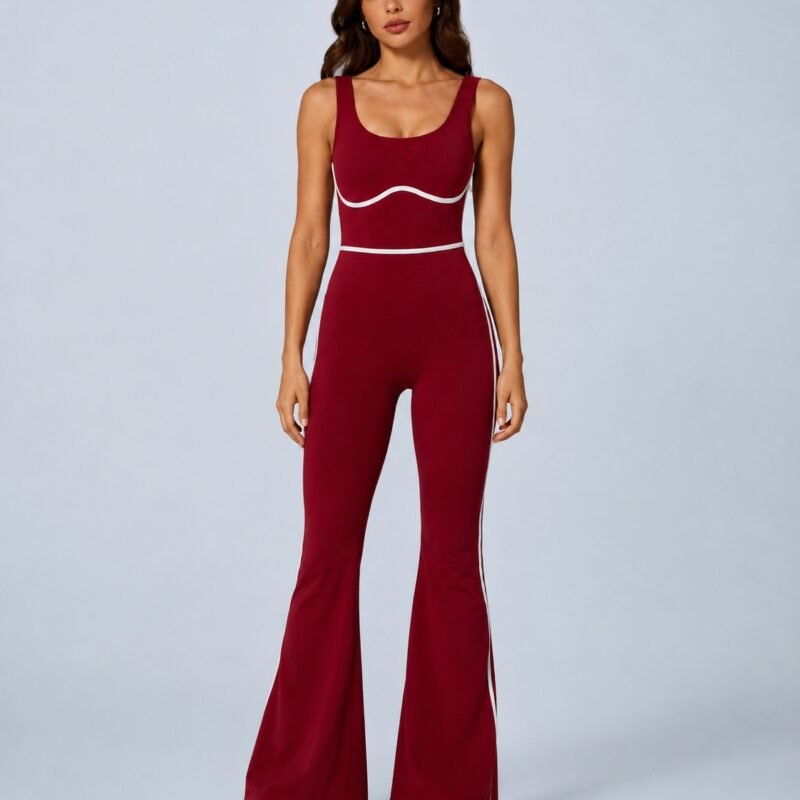
The styles below are what most of our buyers ask about after reading our sourcing guides. Browse fabric, fit, MOQ and request a sample directly.
Put it into practice.
Insights are only useful if they help you make better decisions. Tell us what you're trying to figure out — fabric choice, MOQ structure, supplier vetting, seasonal planning — and we'll give you honest advice based on what we've seen work.
