

Download Jmeter – performance testing, system administration, load testing, stress testing, server performance
Overview
Jmeter is a mobile application designed for system administrators and software professionals who require robust tools for assessing system performance. Developed by the Apache Software Foundation, the app serves as a portable testing solution for evaluating the behavior of servers, networks, and applications under various load conditions. Its primary purpose is to support performance, load, and stress testing, enabling users to simulate real-world usage scenarios and identify potential bottlenecks before deployment. By analyzing server responses under concurrent user loads, Jmeter helps prevent crashes, slowdowns, and service interruptions, making it a critical tool in the software development and IT operations lifecycle.
The app targets technical users such as system administrators, QA engineers, and developers involved in performance validation. It is particularly useful in environments where application reliability and scalability are paramount. While the app is available on Android, the developer did not provide additional technical details about its integration with desktop versions or cloud-based testing environments. Real-world use cases include validating web server response times, testing database performance under high concurrency, and ensuring network services remain stable during peak traffic. In the broader app ecosystem, Jmeter fills a niche for lightweight, accessible performance testing tools, offering a mobile alternative to traditional desktop-based testing frameworks.
Key Features & Functionality
- Performance Testing Engine: Jmeter enables users to conduct comprehensive performance evaluations of servers, web services, and APIs. It supports the creation of test plans that measure response times, throughput, and error rates under varying loads.
- Concurrent Test Execution: The app allows multiple test instances to run simultaneously, simulating real-world user concurrency. This capability is essential for stress testing and identifying performance degradation points under high traffic.
- Multi-Protocol Support: Jmeter supports a range of protocols including HTTP, FTP, JDBC, LDAP, and SOAP-XML/RPC. This versatility allows users to test diverse system components, from web servers to database connections and enterprise services.
- Load Simulation: By generating virtual user traffic, Jmeter helps predict how a system will behave during peak usage. This feature is vital for capacity planning and ensuring system resilience.
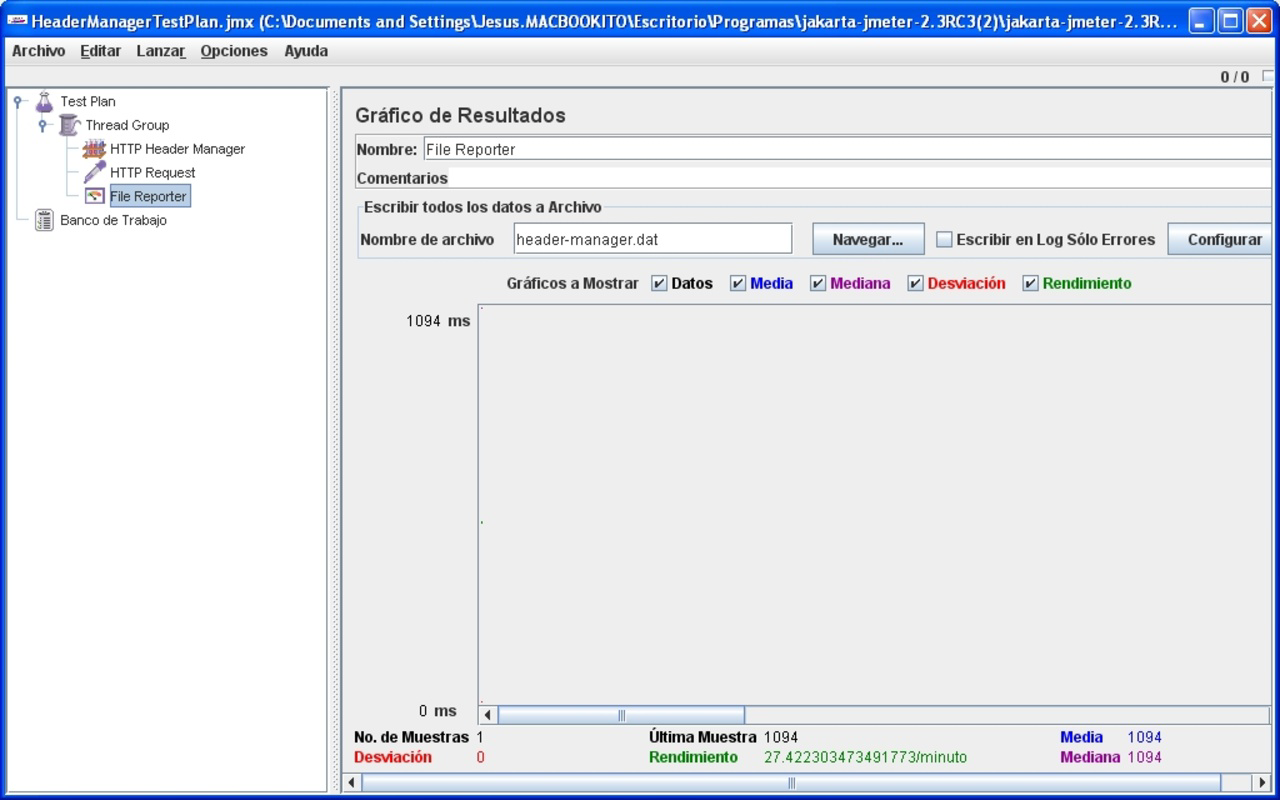
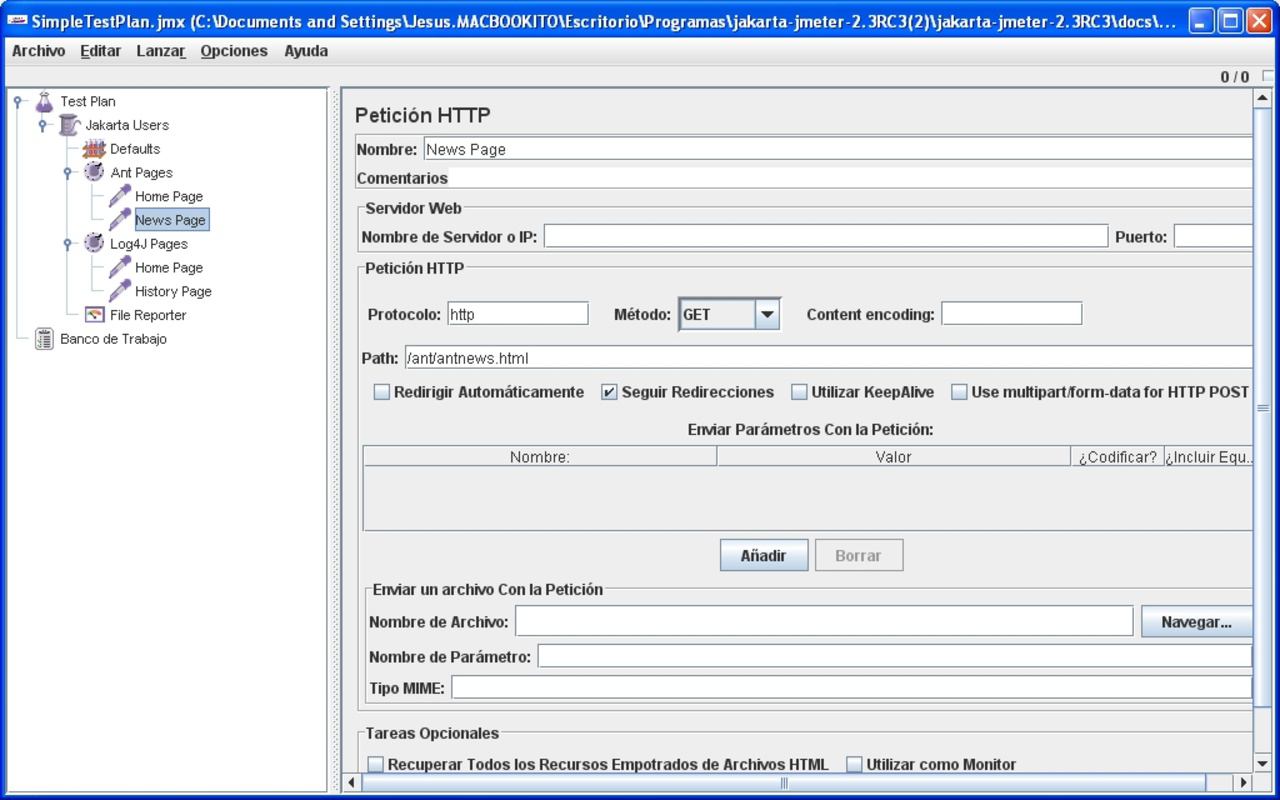
- Graphical User Interface (GUI): The app features a user-friendly GUI that simplifies test plan creation and result visualization. Users can configure test elements, view real-time metrics, and analyze reports without requiring deep scripting knowledge.
For example, a system administrator could use Jmeter to simulate 1,000 concurrent users accessing a web application to assess server stability. Similarly, a developer might test a database’s response time under heavy query loads to optimize performance. These practical applications demonstrate Jmeter’s value in both pre-deployment validation and ongoing system monitoring.
Interface, UX & Performance
The user interface of Jmeter is designed with functionality and clarity in mind, offering a structured layout that organizes test elements into logical sections. Navigation is intuitive, with panels dedicated to test plan configuration, result analysis, and real-time monitoring. The graphical interface supports drag-and-drop functionality for test components, reducing the learning curve for new users. While the app is optimized for mobile use, the developer did not specify performance benchmarks or device compatibility details.
Although the developer did not list formal performance metrics, the app is expected to function efficiently on modern Android devices, particularly those with sufficient processing power and memory. Responsiveness is likely consistent with standard mobile application behavior, though actual performance may vary depending on the complexity of the test plan and the device’s hardware. Stability appears to be maintained through its Java-based foundation, which contributes to reliable execution across different environments. The app does not require high-end hardware for basic testing tasks, making it accessible to users with mid-range smartphones. However, for advanced testing scenarios involving large-scale simulations, users may benefit from using a desktop version for better resource management.
Platform Compatibility & Technical Requirements
Jmeter is available on the Android platform, making it accessible to users who prefer mobile testing tools. The current version is 1.0, with a file size of 12.3 MB, indicating a lightweight footprint suitable for most Android devices. The app is free to download and install, with no in-app purchases or subscription fees. The developer did not specify minimum OS requirements, nor did they list compatibility details for older Android versions or specific device models.
Given that the app is built on Java, it may require a compatible Java runtime environment to function properly on certain devices. However, the developer did not provide information about runtime dependencies or installation prerequisites. Users are advised to ensure their Android device meets general system requirements for running third-party applications. The app’s release date is November 25, 2013, suggesting it has been in use for over a decade, which may reflect its stability and long-term relevance in the testing community.
Pros and Cons
Pros
- Free to download and use, with no hidden costs.
- Lightweight size (12.3 MB) suitable for mobile devices.
- Supports multiple protocols for versatile testing scenarios.
- Intuitive GUI simplifies test creation and monitoring.
- Based on Java, ensuring cross-platform potential.
Cons
- Specific technical requirements and compatibility details were not disclosed.
- Limited information on performance under heavy testing loads.
- May lack advanced features available in desktop versions.
- No official updates or release notes were provided.
- Mobile interface may not support complex test configurations.
FAQ
Is Jmeter safe to install on Android devices?
Yes, Jmeter is developed by the Apache Software Foundation, a trusted open-source organization. It is free from malware and safe to install when downloaded from official sources.
Can I use Jmeter for real-time performance monitoring?
Jmeter supports real-time test monitoring through its GUI, allowing users to observe response times and error rates during active tests. However, it is primarily designed for test execution rather than continuous monitoring.
Does Jmeter require an internet connection to function?
Yes, Jmeter requires an internet connection to test external servers, APIs, and web services. Offline testing is limited to local configurations and simulated responses.
Is Jmeter compatible with older Android versions?
The developer did not specify compatibility with older Android versions. Users should test on their device to confirm functionality.
Can I update Jmeter on my mobile device?
Updates are available when released by the developer. However, no recent update history was provided, so users may need to check official channels for the latest version.
Final Thoughts
Jmeter stands out as a reliable, free tool for mobile-based performance testing, particularly suited for system administrators and developers who need on-the-go access to testing capabilities. Its ability to simulate concurrent loads, support multiple protocols, and deliver clear results through a user-friendly interface makes it a valuable asset in the software validation process. While the mobile version may not match the full functionality of its desktop counterpart, it offers a practical solution for preliminary testing and field diagnostics. The app’s lightweight design and long-standing presence in the open-source community underscore its credibility and durability.
For professionals seeking a secure, efficient, and accessible tool for load and stress testing, Jmeter delivers strong value. Whether used for validating server performance or preparing applications for high-traffic scenarios, it provides essential insights with minimal setup. Download Jmeter now to enhance your system’s reliability and performance readiness.


