
Introduction
In today’s experience-driven service industry, first impressions are no longer optional—they are strategic. The moment a guest walks through the door, visual cues begin shaping perceptions, trust, and comfort. One of the most powerful yet often overlooked elements of this visual experience is the uniform. A professional Hospitality Uniform Manufacturer understands that uniforms are not just clothing; they are tools of communication, identity, and performance.
Hospitality uniforms influence how guests feel, how employees perform, and how a brand is remembered. From front-desk staff to housekeeping, from servers to managers, uniforms quietly tell a story before a single word is spoken.
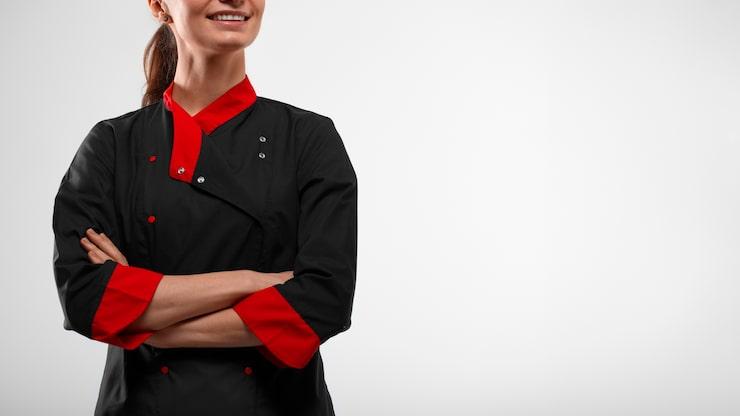
This article explores the evolving role of hospitality uniforms, their business impact, design psychology, sustainability trends, and how the right uniform strategy can elevate guest satisfaction and operational efficiency.
1. Why Hospitality Uniforms Matter More Than Ever
Hospitality is built on trust, warmth, and professionalism. Uniforms instantly communicate these values.
Key reasons uniforms matter:
-
Create immediate brand recognition
-
Build guest confidence and comfort
-
Promote employee unity and pride
-
Set service expectations visually
-
Reduce confusion in fast-paced environments
In a competitive hospitality landscape, consistency is credibility. Uniforms help deliver that consistency at scale.
2. Uniforms as a Brand Identity Tool
Uniforms are wearable branding. Colors, cuts, fabrics, and styles reflect the personality of the establishment.
Examples of brand expression through uniforms:
-
Minimalist designs suggest luxury and exclusivity
-
Relaxed fits communicate comfort and approachability
-
Sharp tailoring conveys efficiency and professionalism
-
Neutral palettes feel calm and premium
-
Bold accents create memorability
A skilled Hospitality Uniform Manufacturer translates brand values into functional design without sacrificing comfort.
3. The Psychology Behind Uniform Design
Uniforms subtly influence both guests and staff through psychology.
For guests:
-
Clean, well-fitted uniforms increase trust
-
Consistent attire reduces anxiety
-
Professional appearance raises perceived service quality
For employees:
-
Uniforms boost confidence and authority
-
Clear role distinction improves teamwork
-
Comfortable designs reduce fatigue
-
Pride in appearance improves morale
When staff feel good in what they wear, service quality naturally improves.
4. Functionality Meets Fashion in Hospitality Uniforms
Style alone is not enough. Hospitality uniforms must perform under pressure.
Functional requirements include:
-
Breathable fabrics for long shifts
-
Stretch materials for mobility
-
Easy-care textiles for frequent washing
-
Durable stitching for daily wear
-
Practical pockets and closures
Modern hospitality uniforms balance aesthetics with performance, ensuring staff can move efficiently without compromising appearance.
5. Department-Specific Uniform Design
Each department has unique operational needs.
Front-of-house:
-
Polished, welcoming designs
-
Elegant silhouettes
-
Subtle branding details
Housekeeping:
-
Lightweight, flexible materials
-
Ergonomic cuts
-
High durability
Food & Beverage:
-
Stain-resistant fabrics
-
Heat-tolerant materials
-
Functional aprons and layers
Management:
-
Elevated designs that signal leadership
-
Premium finishes
-
Tailored fits
Uniform consistency with role-specific customization enhances clarity and professionalism.
6. Sustainability in Hospitality Uniforms
Sustainability is no longer a trend—it’s an expectation.
Forward-thinking uniform strategies include:
-
Eco-friendly fabrics
-
Long-lasting materials
-
Reduced replacement cycles
-
Ethical production practices
Sustainable uniforms reduce waste, lower costs over time, and appeal to environmentally conscious guests and employees alike.
7. Comfort: The Hidden Driver of Service Quality
Uncomfortable uniforms affect posture, mood, and energy.
Comfort considerations:
-
Fabric softness
-
Temperature regulation
-
Proper sizing
-
Lightweight construction
When uniforms support physical comfort, employees focus more on guests and less on discomfort.
8. Customization and Personalization
Personalized uniforms add a human touch.
Customization options include:
-
Name embroidery
-
Role-based color accents
-
Seasonal design updates
-
Gender-inclusive fits
Personalization strengthens employee connection to the brand and improves guest engagement.
9. The Role of Fit and Size Inclusivity
Modern hospitality values inclusivity.
A comprehensive uniform program:
-
Offers extended size ranges
-
Includes multiple fit options
-
Respects diverse body types
-
Enhances dignity and confidence
Proper fit isn’t a luxury—it’s a necessity.
10. Cost Efficiency and Long-Term Value
Uniforms are an investment.
High-quality uniforms:
-
Last longer
-
Reduce replacement frequency
-
Maintain appearance after repeated washing
-
Lower long-term costs
Choosing quality over short-term savings benefits both operations and brand perception.
11. Training Staff to Wear the Uniform Right
Uniform impact depends on presentation.
Best practices include:
-
Clear grooming standards
-
Uniform care guidelines
-
Consistent appearance policies
-
Regular inspections
Uniforms perform best when supported by clear standards.
12. The Future of Hospitality Uniforms
Emerging trends include:
-
Smart fabrics
-
Adaptive seasonal designs
-
Gender-neutral uniforms
-
Performance-enhancing materials
Hospitality uniforms will continue evolving alongside guest expectations and workforce needs.
Conclusion
Hospitality uniforms are more than attire—they are strategic assets that influence perception, performance, and profitability. A reliable Hospitality Uniform Manufacturer understands how to blend design, comfort, durability, and branding into a cohesive solution.
In the final step of uniform branding, professional Logo Printing and Embroidery Services ensure that identity, recognition, and craftsmanship are seamlessly stitched into every garment, completing the story your brand wears every day.
