

Download Kodi – Free Open‑Source Home Theater Software for Windows, macOS, Android & More
Overview
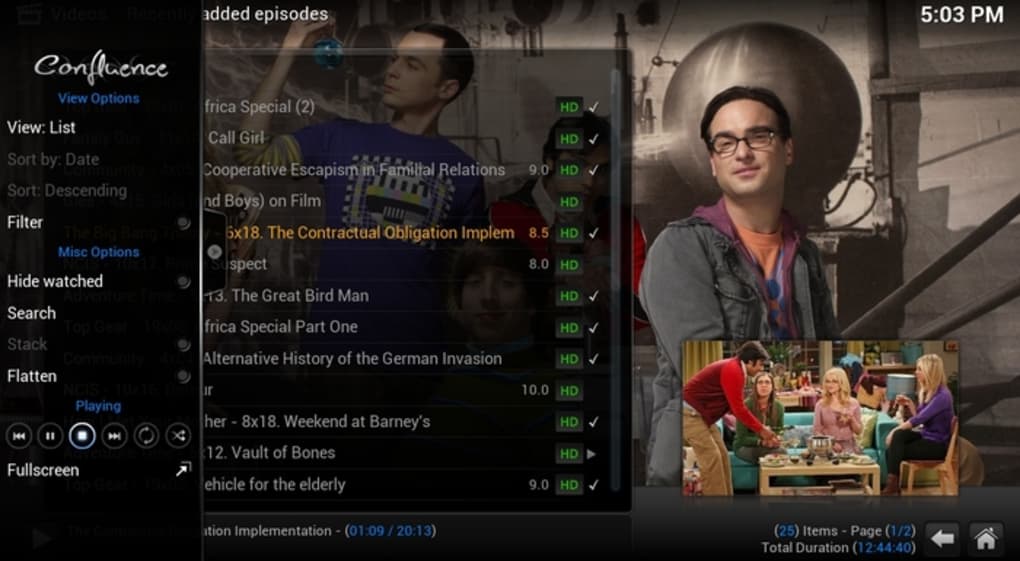
Kodi is a free, open‑source media‑center application that turns almost any device into a full‑featured home‑theater hub. Born from the Xbox Media Center (XBMC) project, Kodi has evolved into a cross‑platform powerhouse that runs on Windows, macOS, Linux, Android, iOS, Raspberry Pi, Amazon Fire TV, and many other devices. Its core purpose is simple: gather your movies, TV shows, music, pictures, and games in one unified library and let you stream them locally or from the internet with a clean, customizable interface. Because Kodi is community‑driven, it receives regular updates, security patches, and a massive library of third‑party add‑ons that extend its capabilities far beyond the stock features. Whether you want to watch a local movie collection, stream live TV from overseas, or launch classic console emulators on your big screen, Kodi provides a secure, flexible platform that respects your privacy—no hidden ads, no forced subscriptions, and no cost to download.
Core Features & Add‑on Ecosystem
Kodi’s strength lies in its modular architecture. The base application offers a robust set of media‑management tools, while thousands of add‑ons—both official and community‑created—bring additional content sources, skins, and utilities. Below is a snapshot of the most compelling features you’ll find out‑of‑the‑box:
- Unified Media Library: Automatic metadata scraping from TheTVDB, TMDB, and other databases, delivering cover art, plot summaries, and episode guides.
- Wide Format Support: Plays virtually any audio or video codec, including MKV, MP4, AVI, FLAC, and DTS, without needing external codecs.
- Live TV & PVR Integration: Connect compatible tuners (HDHomeRun, DVB‑T) to watch over‑the‑air channels, schedule recordings, and manage guide data.
- Game Emulation: Built‑in support for RetroArch, Dolphin, and other emulators, turning your TV into a retro‑gaming console.
- Skinning & UI Customization: Choose from dozens of community‑crafted skins (e.g., Aeon Nox, Estuary) to match your aesthetic preferences.
- Add‑on Marketplace: Access official add‑ons for YouTube, Netflix, Hulu, and thousands of third‑party repositories for sports, news, and niche content.
- Remote Control Options: Use official Kodi Remote apps for Android/iOS, web interfaces, or universal remotes with HDMI‑CEC support.
- Secure & Private: No telemetry, optional password protection for settings, and the ability to run in sandboxed environments.
Because add‑ons are sandboxed and can be enabled or disabled at will, users retain full control over what content is reachable from their system. This modularity also means Kodi can be as lightweight or as feature‑rich as you need—install only the add‑ons you trust and keep the core lean for faster startup.
Installation, Setup & Cross‑Platform Compatibility
Getting Kodi up and running is straightforward, regardless of the device you choose. The official website provides native installers for Windows (EXE), macOS (DMG), Linux (DEB, RPM, Snap), Android (APK), and iOS (via TestFlight for developers). For single‑board computers like Raspberry Pi, pre‑built images are available that boot directly into Kodi, making it an ideal media center for DIY projects.
Follow these basic steps for a typical Windows or macOS installation:
- Visit kodi.tv/download and select your operating system.
- Download the installer file and run it with administrator privileges.
- Accept the license agreement, choose the installation path, and click “Install.”
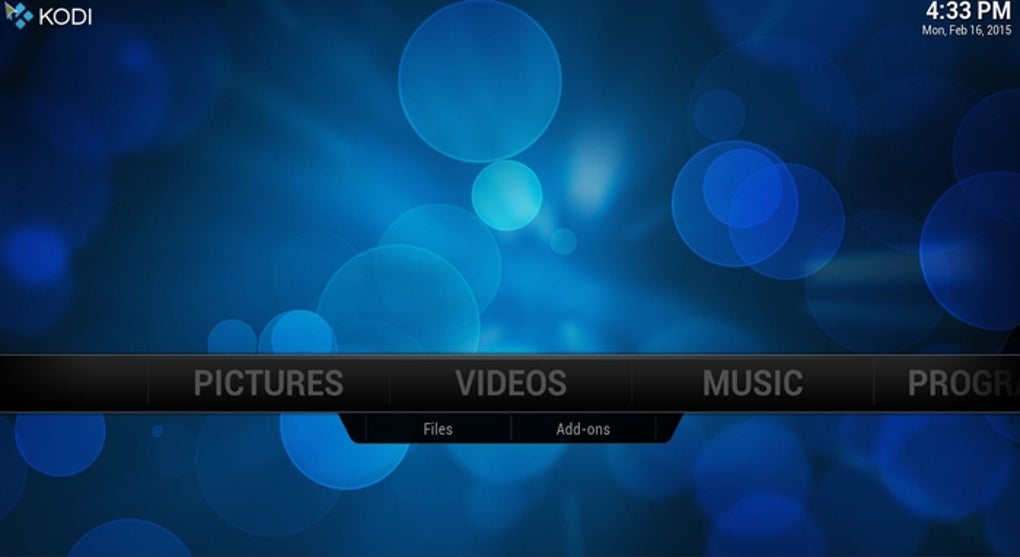
- Launch Kodi; the first‑run wizard will guide you through language selection, skin choice, and basic library setup.
- To add media, navigate to Files → Add source, point Kodi to a local folder, network share (SMB/NFS), or external drive, and let the scraper pull metadata automatically.
On Android, the process mirrors any Google Play app: download, install, and grant permissions for storage and network access. iOS users must enable “Untrusted Enterprise Developer” in settings after installing the TestFlight build. Raspberry Pi users flash the official Kodi image to an SD card, insert it into the board, and power on—Kodi will boot directly to the home screen.
Supported Operating Systems: Windows 10/11, macOS 10.13+, Linux distributions (Ubuntu, Fedora, Debian, Arch), Android 5.0+, iOS 13+, Raspberry Pi OS, LibreELEC, OpenELEC, and many set‑top boxes (e.g., Amazon Fire TV, Nvidia Shield). The broad OS coverage ensures that whether you have an old desktop, a modern laptop, or a low‑power ARM device, Kodi can be the central hub for your entertainment.
After installation, the real power comes from tweaking settings: enable “Allow remote control via HTTP” for web‑based control, adjust video output (HDMI, VP9, HDR) for optimal picture quality, and configure your preferred audio output (Dolby Digital, DTS‑HD). The community forums and official wiki host step‑by‑step guides for everything from multi‑room sync to advanced PVR setups, making the learning curve gentle for newcomers and deep enough for power users.
Pros, Cons & Frequently Asked Questions
Pros
- Completely free and open‑source – no hidden fees.
- Extensive cross‑platform support – runs on almost any device.
- Highly customizable UI with dozens of skins.
- Robust add‑on ecosystem for streaming, live TV, and gaming.
- Strong community support and regular security updates.
Cons
- Initial setup can be intimidating for non‑technical users.
- Unofficial add‑ons may violate copyright laws if misused.
- Limited official streaming partners compared to commercial services.
- Performance on older hardware may require manual optimization.
FAQ
Is Kodi legal to use?
Kodi itself is perfectly legal—it's a media‑center application. Legality depends on the content you access. Using official add‑ons for services you subscribe to (e.g., YouTube, Netflix) is allowed, while third‑party add‑ons that stream pirated material may violate copyright laws in your jurisdiction.
Can Kodi stream live TV?
Yes. By connecting a compatible TV tuner (HDHomeRun, DVB‑T, etc.) and installing the PVR add‑on, Kodi can display live over‑the‑air channels, schedule recordings, and provide an electronic program guide (EPG).
Do I need a powerful PC to run Kodi?
Not necessarily. Kodi runs smoothly on modest hardware for 1080p playback. For 4K HDR content or heavy transcoding, a more powerful CPU/GPU and sufficient RAM are recommended. Raspberry Pi 4 or a low‑end Intel NUC can handle most standard media without issues.
How do I keep Kodi secure?
Always download the latest version from the official website, enable password protection for settings, avoid installing untrusted third‑party add‑ons, and keep your operating system up to date. Using a firewall to block unwanted inbound connections adds an extra layer of safety.
Can Kodi be used as a game console?
Absolutely. Kodi includes support for RetroArch and other emulator front‑ends, allowing you to launch classic console games (NES, SNES, PlayStation, etc.) directly from the UI. Pair it with a Bluetooth or USB game controller for a seamless couch‑gaming experience.
Final Verdict & Call‑to‑Action
Kodi stands out as one of the most versatile, community‑driven home‑theater solutions available today. Its zero‑cost model, extensive platform support, and limitless add‑on ecosystem empower users to build a truly personalized media experience—whether you’re curating a family movie library, streaming live sports, or revisiting retro games on the big screen. While the sheer breadth of options can feel overwhelming at first, the well‑structured onboarding wizard and abundant online documentation smooth the learning curve. For anyone who values control over their media, privacy, and the freedom to customize, Kodi is a compelling alternative to subscription‑heavy streaming platforms.
Ready to transform your TV or computer into a powerful media hub? Download Kodi now, follow the quick setup guide, and start exploring the world of add‑ons that match your entertainment taste. Remember to keep the software updated and only enable trusted add‑ons for a safe, hassle‑free experience. Happy streaming!