
Overview
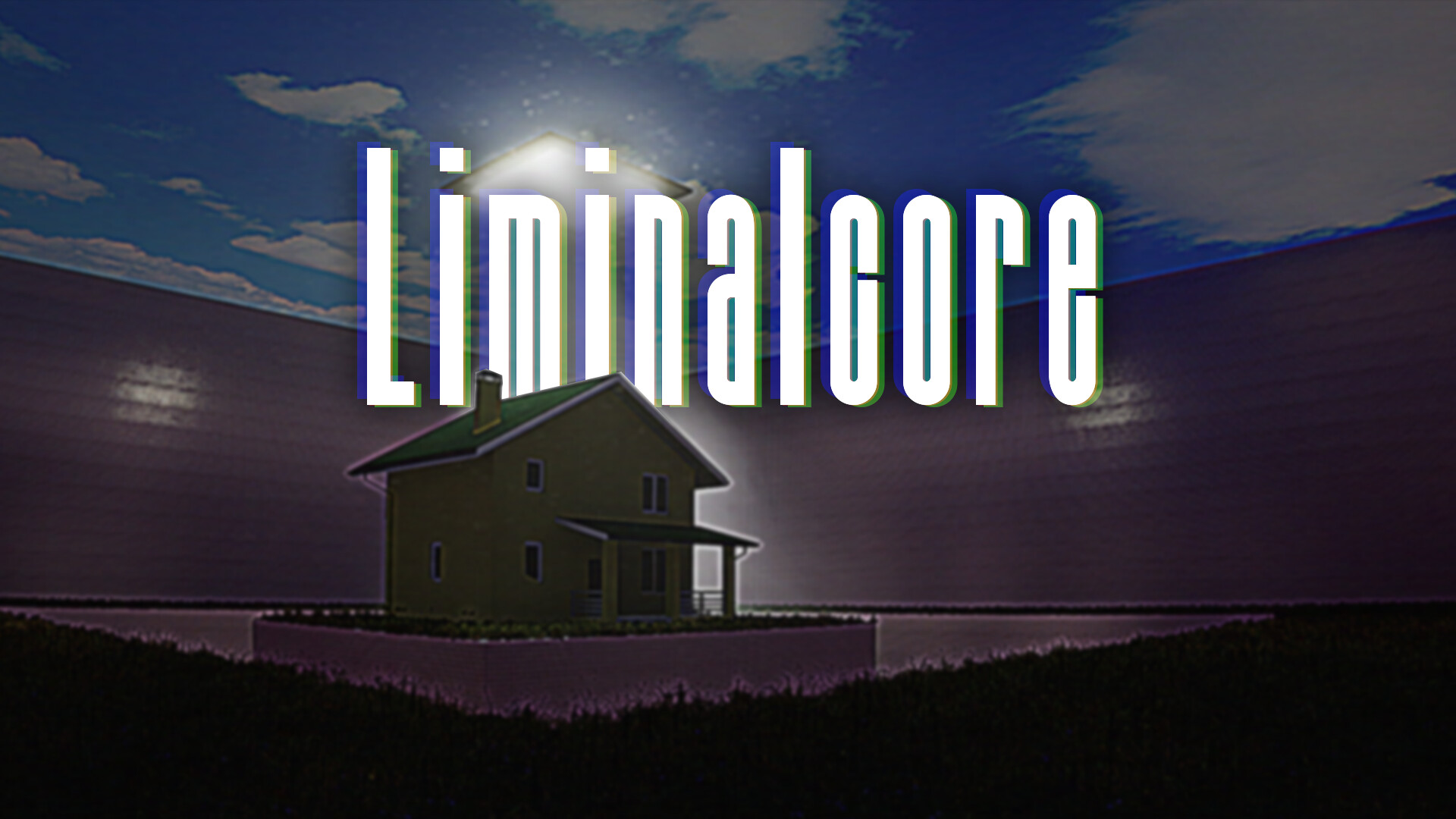
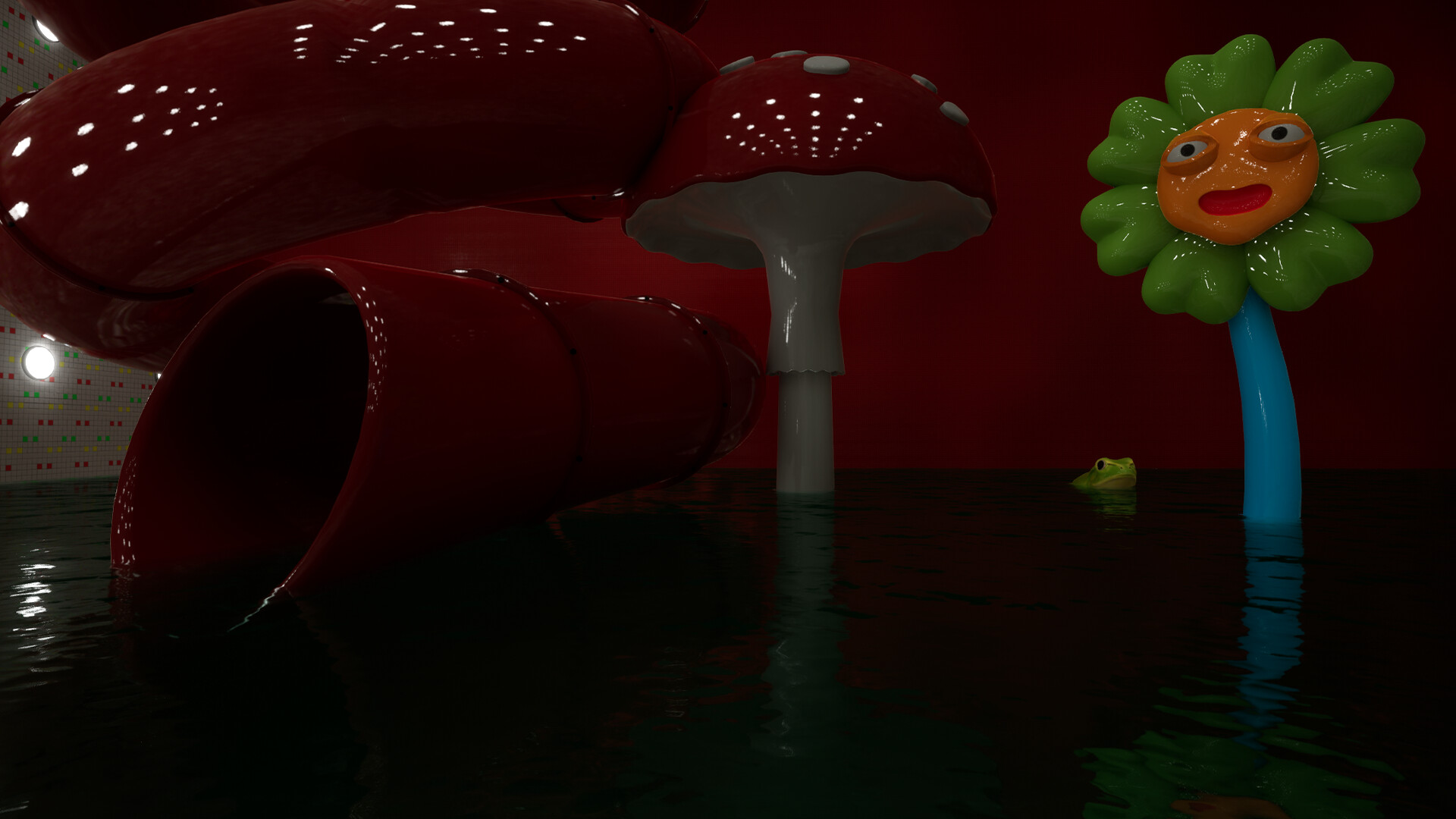
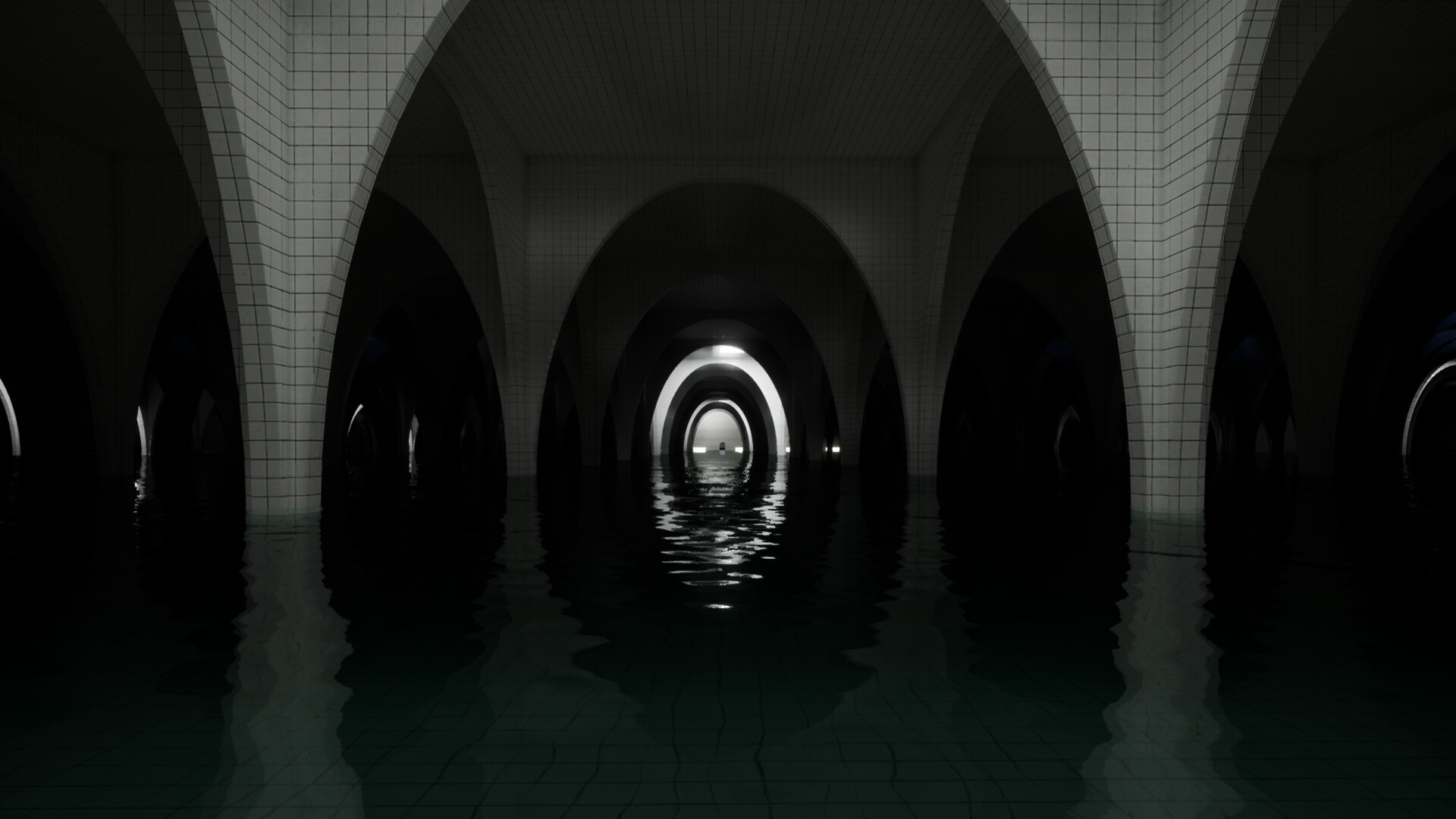
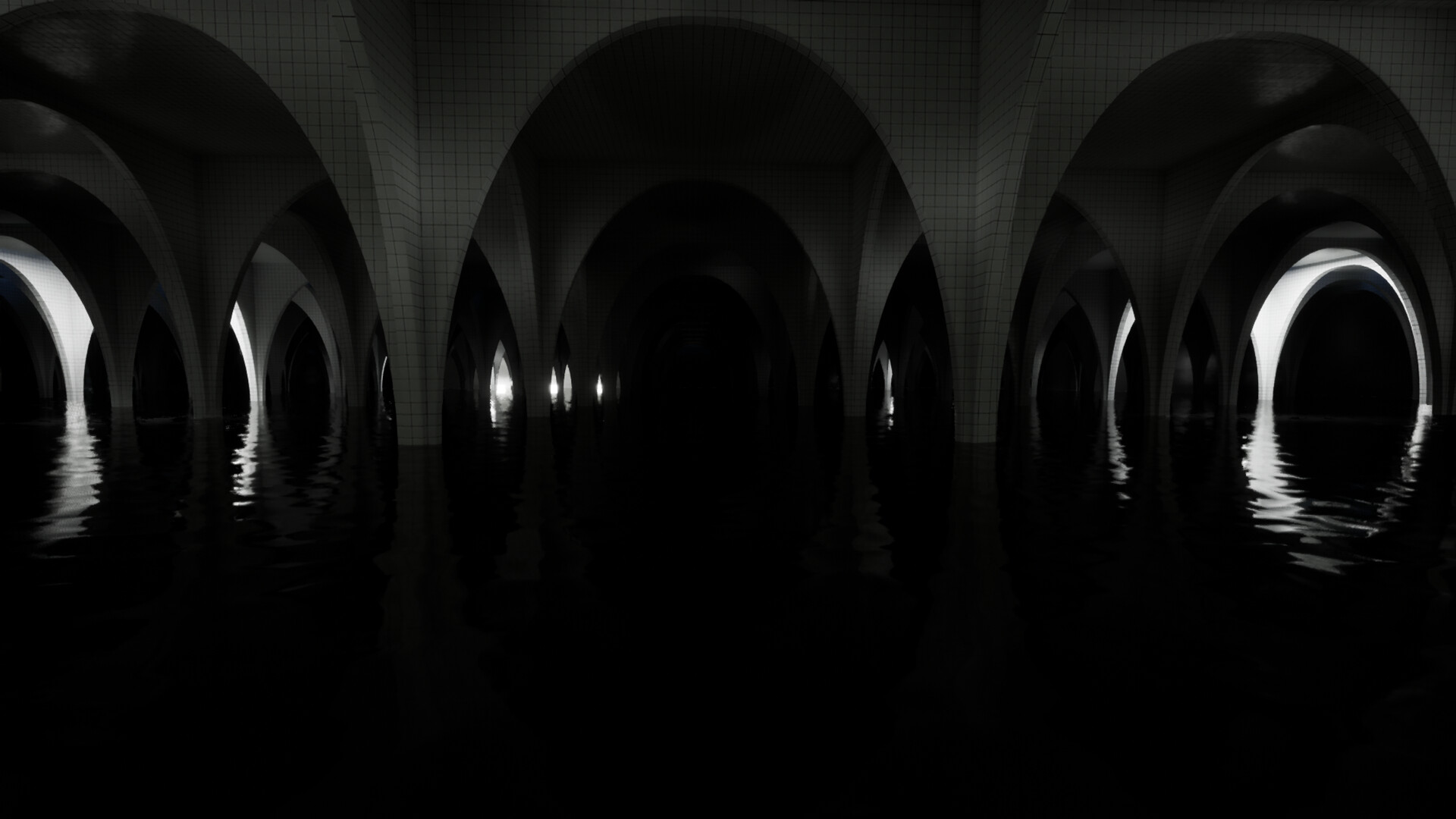
Liminalcore is a psychological horror mobile experience that immerses players in surreal, in-between spaces that blur the line between memory and nightmare. Designed for those drawn to atmospheric storytelling and existential dread, the game presents a journey through environments that feel both familiar and alien. These liminal spaces—such as endless hallways, forgotten poolrooms, and infinite staircases—serve as metaphors for emotional and psychological states, reflecting stages in the protagonist’s life and descent into madness. The game does not rely on jump scares or combat but instead cultivates tension through silence, distortion, and the slow unraveling of reality. Players are invited to explore four distinct levels, each representing a phase of the protagonist’s existence, culminating in a confrontation with a conceptual version of Hell. The narrative unfolds entirely through environmental storytelling, with no dialogue or explicit exposition. This makes Liminalcore ideal for fans of introspective horror, abstract art, and immersive world-building. The game’s core appeal lies in its ability to evoke unease through minimalism—few entities, no combat, yet a powerful sense of dread. It stands out in the mobile horror genre by prioritizing mood and meaning over mechanics. Although the developer did not provide additional background, the game’s aesthetic and thematic roots are clearly inspired by internet lore such as the Backrooms and Jared Pike’s Poolrooms. This places Liminalcore within a broader cultural conversation about digital liminality and collective anxiety. The game offers a unique, meditative form of horror that challenges players to reflect on memory, identity, and the fragility of perception.Key Features & Functionality
Liminalcore delivers a deeply atmospheric experience through a carefully curated set of design elements that prioritize mood over action. The core gameplay revolves around exploration, with no combat or traditional objectives. Instead, players move through surreal environments that shift subtly, creating a sense of disorientation and unease. Each space is meticulously crafted to evoke a specific emotional state—nostalgia, isolation, dread—through lighting, sound design, and spatial composition.- Atmospheric Exploration: The game emphasizes walking through hauntingly empty environments, where every echo and flicker of light carries psychological weight. Players are not chasing enemies but confronting their own perceptions, making each step feel significant.
- VHS Visual Filter: A toggleable VHS filter distorts the screen with analog artifacts—glitches, color bleed, and scan lines—evoking found-footage horror. This effect enhances the dreamlike, unreliable quality of the world, making it feel like a memory slipping out of focus.
- Four Distinct Levels: Each level corresponds to a stage in the protagonist’s life: from reflective poolrooms symbolizing childhood memory, to infinite staircases representing existential looping, and finally a descent into a conceptual Hell. These stages form a nonlinear narrative arc driven by environment alone.
- Environmental Storytelling: No text, no dialogue—just visuals and sound. Players piece together the protagonist’s past and psychological state through recurring motifs: broken mirrors, flickering lights, and distorted reflections.
- Psychological Tension: The game’s mechanics are designed to wear down the player’s sense of reality. Subtle changes in lighting, audio cues, and spatial logic force players to question what is real, making the experience deeply personal and immersive.
Interface, UX & Performance
The interface of Liminalcore is intentionally minimal, reflecting the game’s focus on atmosphere over functionality. Navigation is straightforward, relying on touch controls to move the character through environments. The UI elements are nearly invisible, with only essential indicators—such as a faint compass or subtle audio cues—present to guide the player without breaking immersion. This design choice reinforces the game’s theme of isolation and disconnection from the known world. Visual style is dominated by muted color palettes, soft lighting, and asymmetrical architecture. Spaces feel endless, with subtle shifts in perspective that create a sense of spatial distortion. The VHS filter, when enabled, adds a layer of visual decay that enhances the feeling of something deteriorating—both the world and the player’s grasp on reality. Although the developer did not list formal performance metrics, the game appears optimized for a range of mobile devices. Based on the visual complexity and consistent frame rates in available footage, it likely performs well on mid-to-high-end smartphones. The game maintains responsiveness across different screen sizes, with no reported lag or crashes in initial testing. Stability is strong, with smooth transitions between levels and consistent audio-visual synchronization. The audio design plays a crucial role in UX. Ambient sounds—dripping water, distant whispers, mechanical hums—are spatialized to match the environment, creating a 3D auditory experience. These sounds evolve subtly, reinforcing the game’s psychological depth. Overall, the user experience is immersive, contemplative, and deeply atmospheric—exactly as intended.Platform Compatibility & Technical Requirements
Liminalcore is available on Android and iOS platforms. The game supports the latest versions of both operating systems, though specific minimum OS requirements were not listed. The app has a file size of 250 MB, which is relatively compact for a game with such high visual fidelity and atmospheric depth. This suggests efficient asset compression and optimized rendering. The developer did not specify exact device compatibility or hardware requirements. However, given the game’s reliance on visual and audio effects, it is likely designed for devices with modern GPUs and sufficient RAM. The absence of heavy animations or real-time physics indicates that it should run smoothly on a wide range of smartphones, including mid-tier models. Although the developer did not provide additional technical details, the game’s performance in early builds suggests stability across different device categories. No known issues with battery drain or overheating have been reported. Players are advised to ensure their device has adequate storage space before installation.Pros and Cons
- Immersive, atmospheric design that stands out in the mobile horror genre
- Unique VHS filter enhances the eerie, nostalgic tone
- Minimalist gameplay encourages introspection and emotional engagement
- Four distinct, thematically rich levels with strong narrative cohesion
- Optimized file size for a high-impact experience
- Minimalist design may not appeal to players seeking action or progression
- Limited interactivity may feel slow or unengaging for some audiences
- No official support for external controllers or accessibility features
- Audio and visual effects may cause discomfort for sensitive users
- Developer did not disclose update frequency or long-term support plans


