




LongStraw Carbon
LongStraw Carbon
LongStraw Carbon
Earth-first engineering
Converting Agrarian Waste to
Biochar
Bio-Oil
Carbon Sinks
Biochar
Biochar
Bio-Oil
Carbon Sinks
Biochar
Biochar
Bio-Oil
Carbon Sinks
Biochar
Biochar
Bio-Oil
Carbon Sinks
Biochar

Straws
Straws
Straws

Carbon Removal
Longstraw Carbon utilizes advanced pyrolysis to transform agricultural biomass into biochar, a highly stable form of carbon that, when applied to soil, acts as a powerful, long-term carbon sink. This process locks carbon away for centuries, preventing its release as CO₂, while simultaneously enriching soil health

The Farmer Story
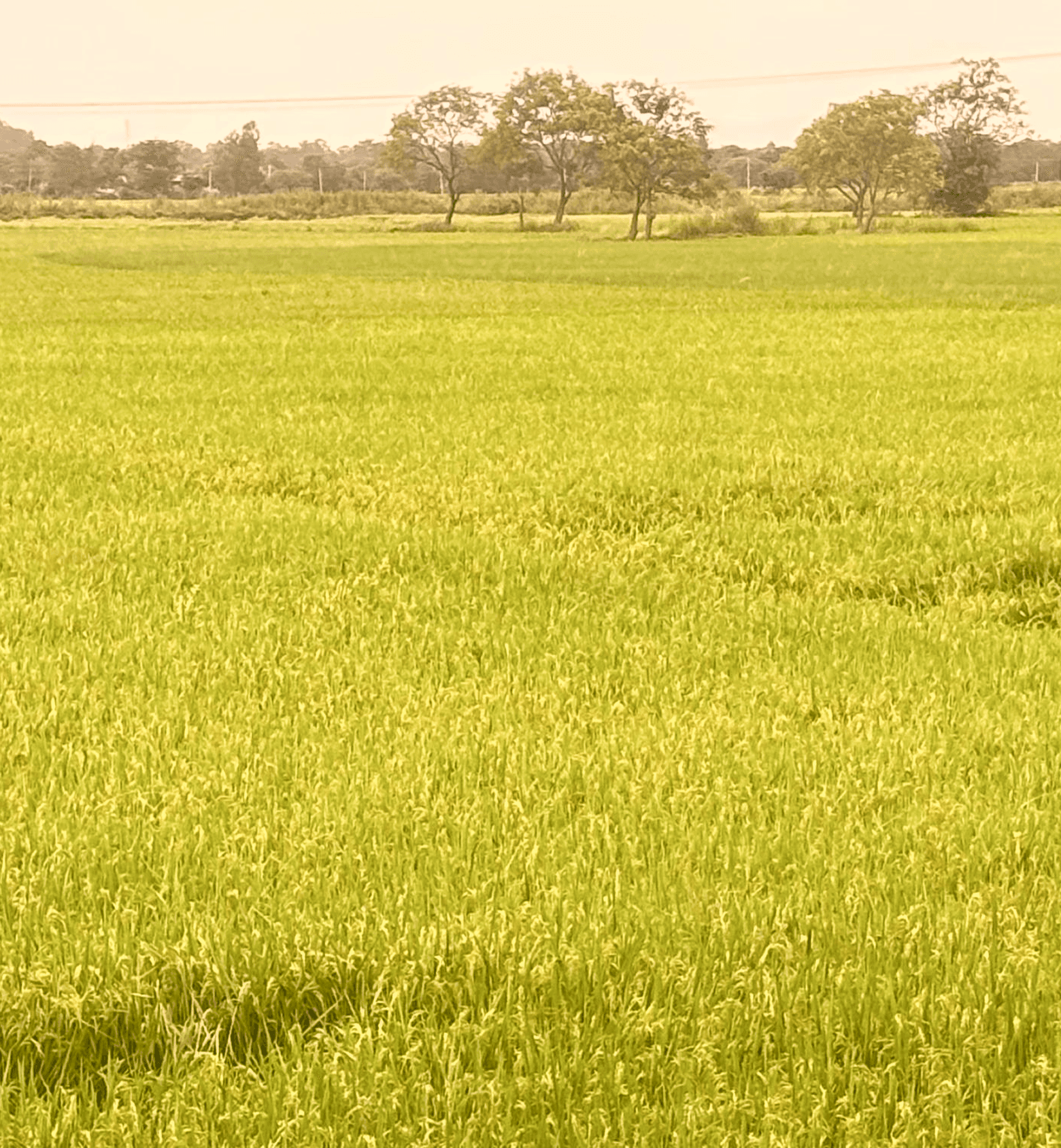
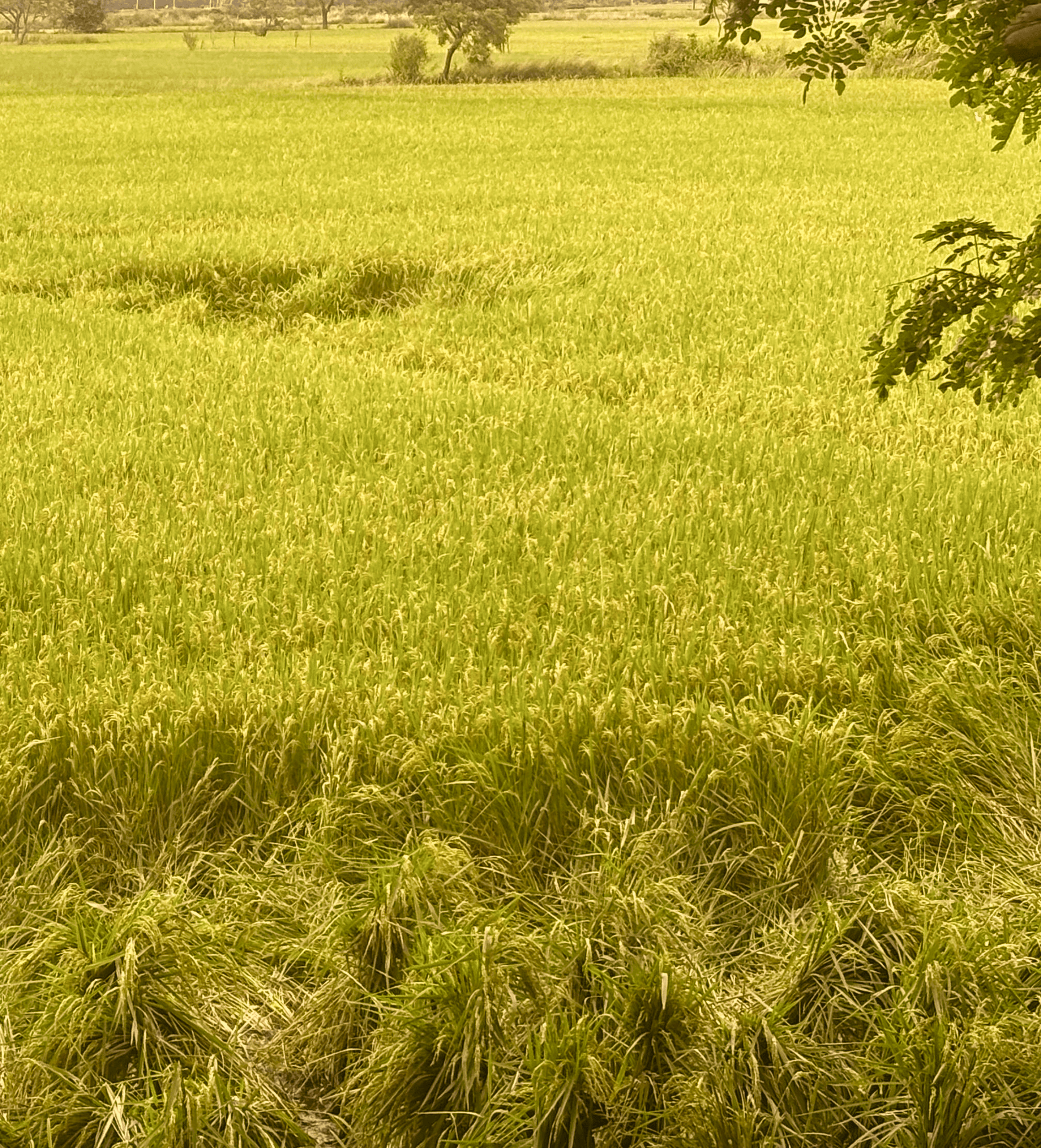
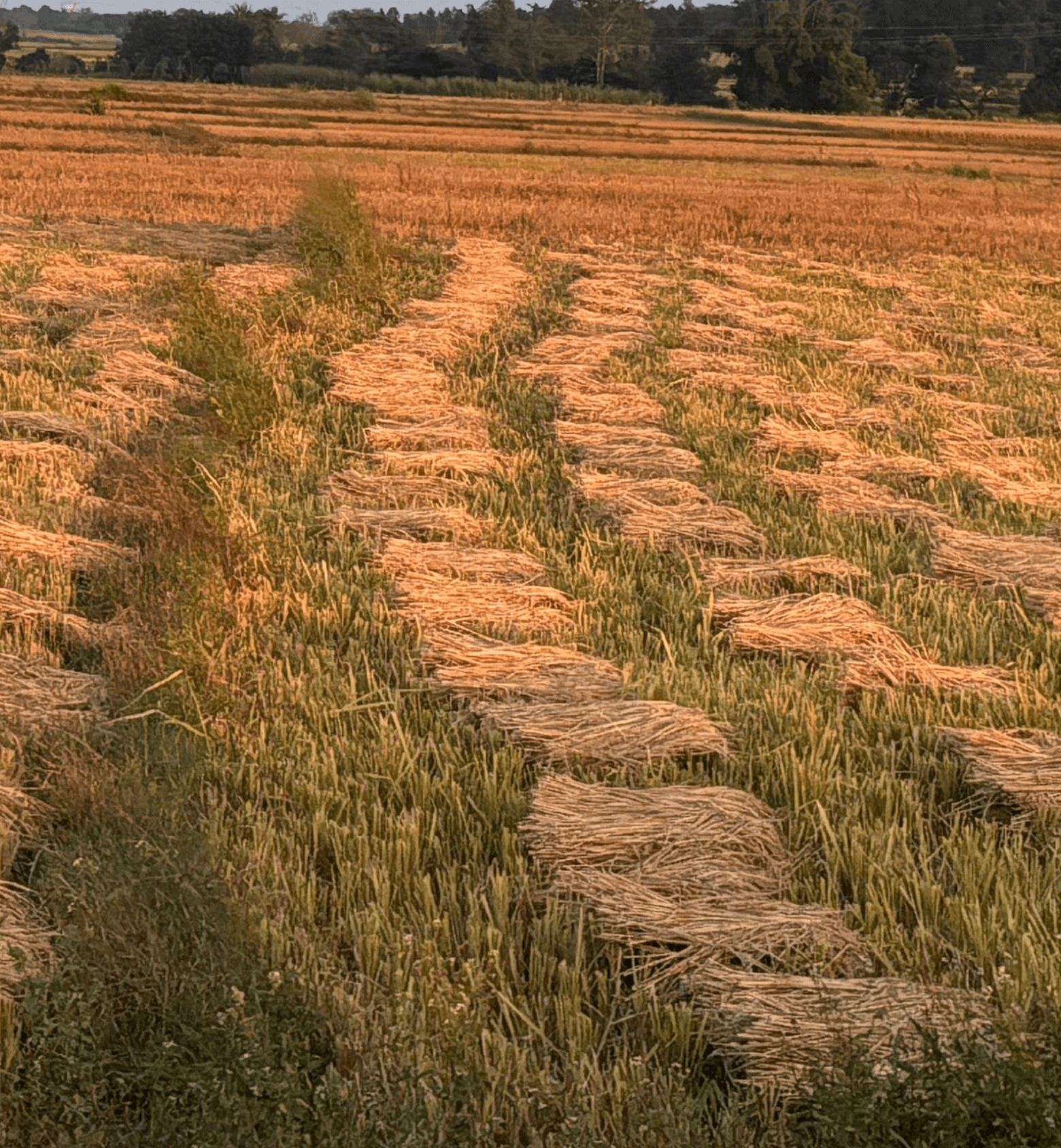
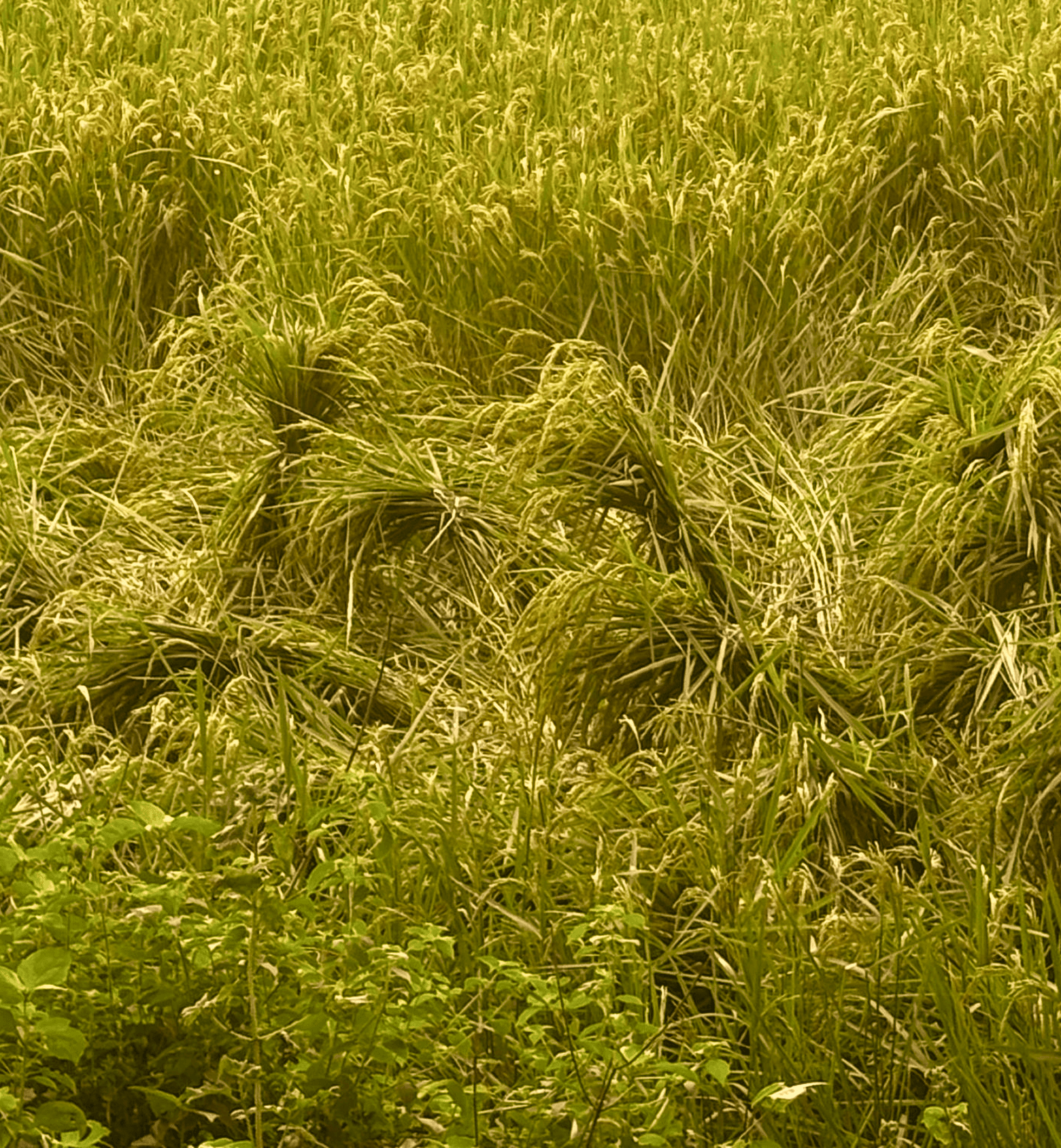
For many Indian farmers, shifting climates threaten crops, soils, and livelihoods. By turning crop residues into biochar, LongStraw empowers farmers to enrich their fields, boost yields, lower costs, and create new income streams

Soil Conditioning
At Longstraw Carbon, we leverage biochar as a natural soil conditioner, enriching the soil with stable carbon while improving fertility and resilience. Biochar increases water retention by up to 30%, enhances nutrient holding capacity, and stimulates microbial activity. The result is healthier, more productive soils that support sustainable agriculture and long-term climate benefits.

Agrarian Waste
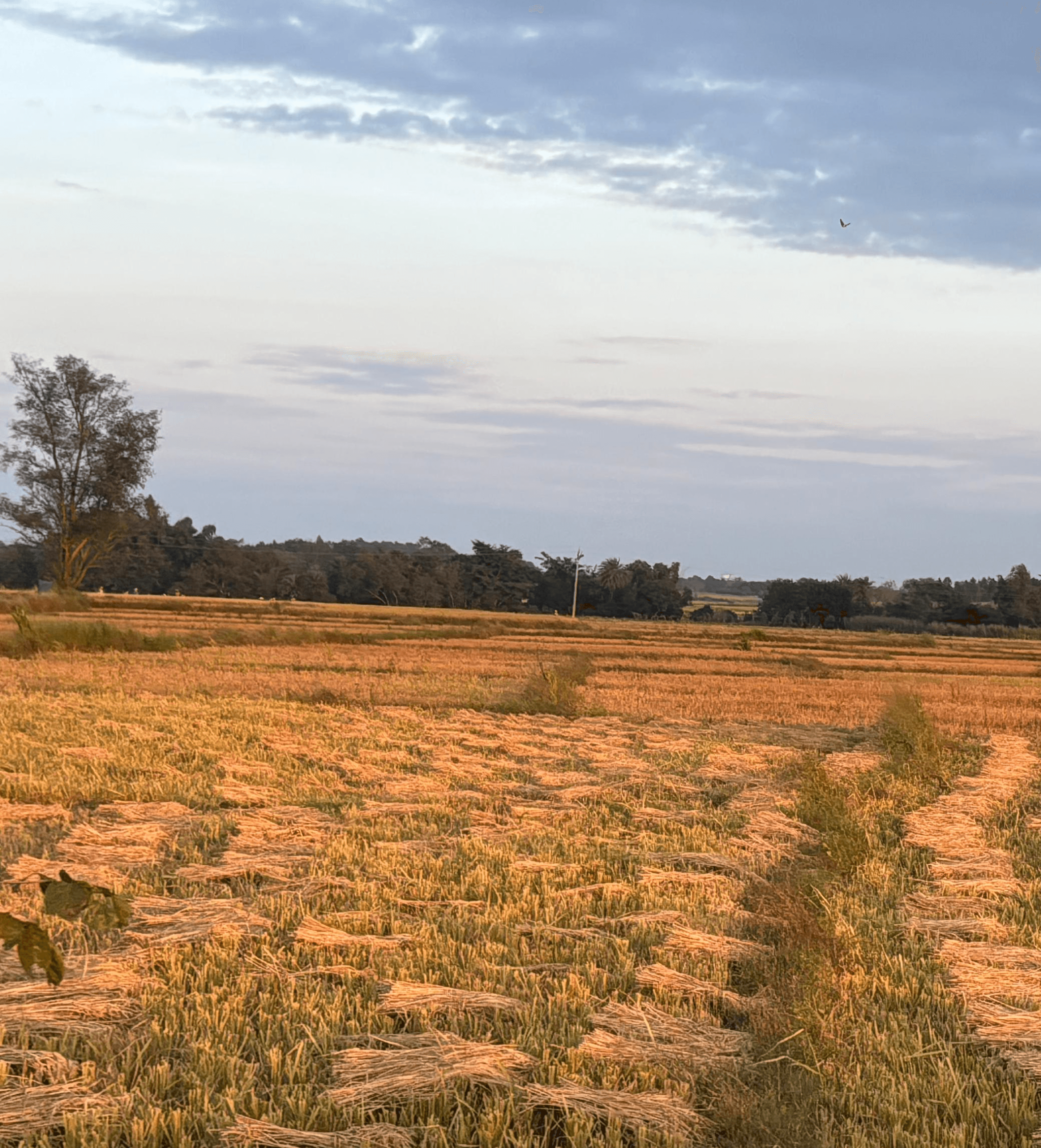
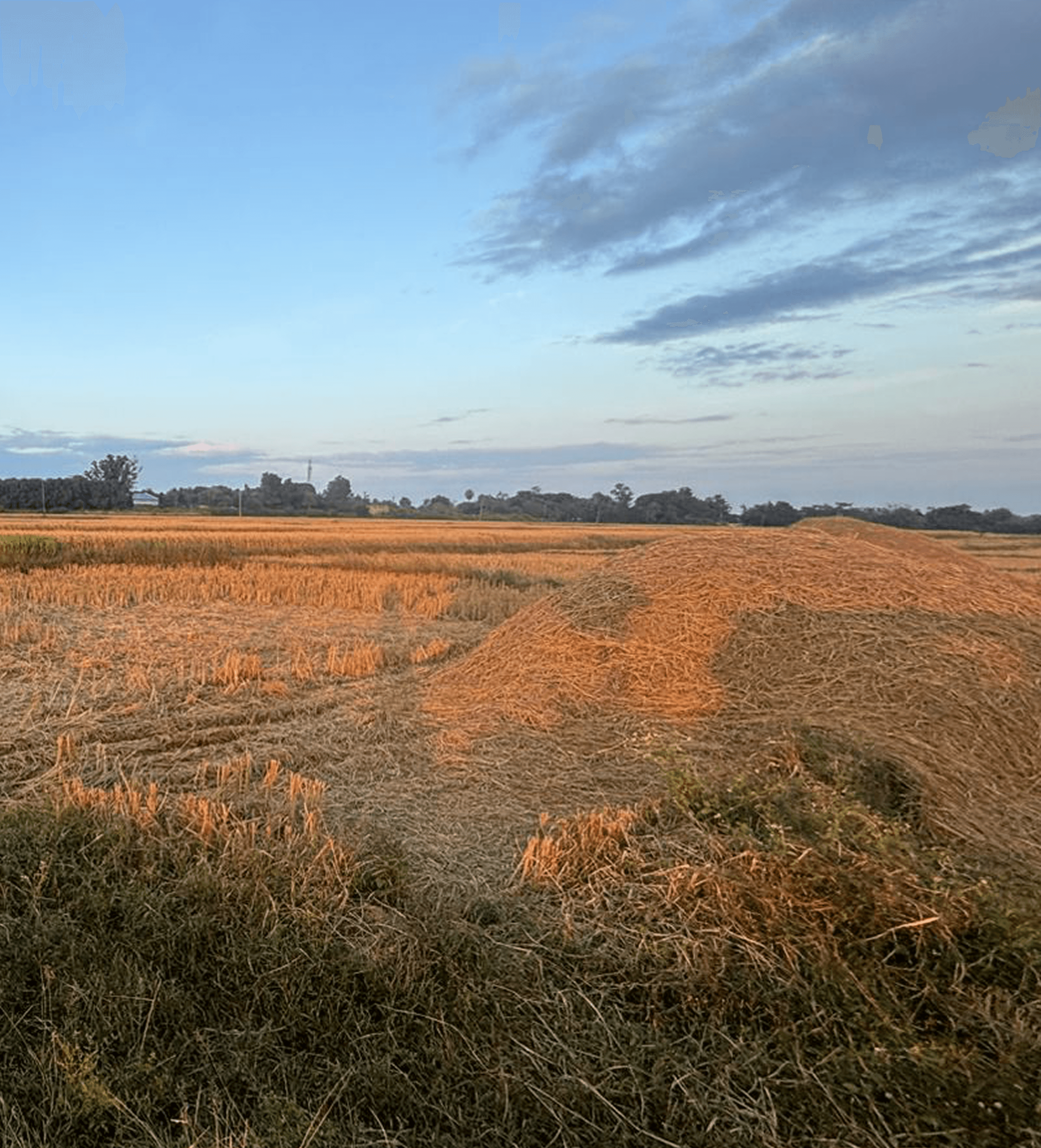
Each year, over 200 million tonnes of agricultural waste in India are at risk of being burned or left to decay, releasing significant GHG. At LongStraw, we intercept this cycle by transforming surplus biomass into biochar and bio-oil. Our solutions enable sustainable carbon removal, improve soil health, and accelerate industrial decarbonization, forging a circular and climate-resilient pathway for India's future.

Decarbonisation
Industries across sectors are adopting biochar as a versatile decarbonisation tool. In construction, biochar reduces the carbon footprint of concrete and asphalt. The steel industry uses it as a renewable alternative to fossil carbon for smelting processes. Biochar also plays a growing role in water treatment, waste management, and carbon capture technologies.
Agrarian Waste
Each year, over 350 million tonnes of agricultural waste in India are at risk of being burned or left to decay, releasing significant GHG. At LongStraw, we intercept this cycle by transforming surplus biomass into biochar and bio-oil. Our solutions enable sustainable carbon removal, improve soil health, and accelerate industrial decarbonization, forging a circular and climate-resilient pathway for India's future.
Agrarian Waste
Each year, over 350 million tonnes of agricultural waste in India are at risk of being burned or left to decay, releasing significant GHG. At LongStraw, we intercept this cycle by transforming surplus biomass into biochar and bio-oil. Our solutions enable sustainable carbon removal, improve soil health, and accelerate industrial decarbonization, forging a circular and climate-resilient pathway for India's future.
Agrarian Waste
Each year, over 350 million tonnes of agricultural waste in India are at risk of being burned or left to decay, releasing significant GHG. At LongStraw, we intercept this cycle by transforming surplus biomass into biochar and bio-oil. Our solutions enable sustainable carbon removal, improve soil health, and accelerate industrial decarbonization, forging a circular and climate-resilient pathway for India's future.

The Farmer Story
For many Indian farmers, shifting climates threaten crops, soils, and livelihoods. By turning crop residues into biochar, LongStraw empowers farmers to enrich their fields, boost yields, lower costs, and create new income streams
The Farmer Story
For many Indian farmers, shifting climates threaten crops, soils, and livelihoods. By turning crop residues into biochar, LongStraw empowers farmers to enrich their fields, boost yields, lower costs, and create new income streams
The Farmer Story
For many Indian farmers, shifting climates threaten crops, soils, and livelihoods. By turning crop residues into biochar, LongStraw empowers farmers to enrich their fields, boost yields, lower costs, and create new income streams
Soil Conditioning
At Longstraw Carbon, we leverage biochar as a natural soil conditioner, enriching the soil with stable carbon while improving fertility and resilience. Biochar increases water retention by up to 30%, enhances nutrient holding capacity, and stimulates microbial activity. The result is healthier, more productive soils that support sustainable agriculture and long-term climate benefits.
Soil Conditioning
At Longstraw Carbon, we leverage biochar as a natural soil conditioner, enriching the soil with stable carbon while improving fertility and resilience. Biochar increases water retention by up to 30%, enhances nutrient holding capacity, and stimulates microbial activity. The result is healthier, more productive soils that support sustainable agriculture and long-term climate benefits.
Soil Conditioning
At Longstraw Carbon, we leverage biochar as a natural soil conditioner, enriching the soil with stable carbon while improving fertility and resilience. Biochar increases water retention by up to 30%, enhances nutrient holding capacity, and stimulates microbial activity. The result is healthier, more productive soils that support sustainable agriculture and long-term climate benefits.
Carbon Removal
Longstraw Carbon utilizes advanced pyrolysis to transform agricultural biomass into biochar, a highly stable form of carbon that, when applied to soil, acts as a powerful, long-term carbon sink. This process locks carbon away for centuries, preventing its release as CO₂, while simultaneously enriching soil health
Carbon Removal
Longstraw Carbon utilizes advanced pyrolysis to transform agricultural biomass into biochar, a highly stable form of carbon that, when applied to soil, acts as a powerful, long-term carbon sink. This process locks carbon away for centuries, preventing its release as CO₂, while simultaneously enriching soil health
Carbon Removal
Longstraw Carbon utilizes advanced pyrolysis to transform agricultural biomass into biochar, a highly stable form of carbon that, when applied to soil, acts as a powerful, long-term carbon sink. This process locks carbon away for centuries, preventing its release as CO₂, while simultaneously enriching soil health
Decarbonisation
Industries across sectors are adopting biochar as a versatile decarbonisation tool. In construction, biochar reduces the carbon footprint of concrete and asphalt. The steel industry uses it as a renewable alternative to fossil carbon for smelting processes. Biochar also plays a growing role in water treatment, waste management, and carbon capture technologies.
Decarbonisation
Industries across sectors are adopting biochar as a versatile decarbonisation tool. In construction, biochar reduces the carbon footprint of concrete and asphalt. The steel industry uses it as a renewable alternative to fossil carbon for smelting processes. Biochar also plays a growing role in water treatment, waste management, and carbon capture technologies.
Decarbonisation
Industries across sectors are adopting biochar as a versatile decarbonisation tool. In construction, biochar reduces the carbon footprint of concrete and asphalt. The steel industry uses it as a renewable alternative to fossil carbon for smelting processes. Biochar also plays a growing role in water treatment, waste management, and carbon capture technologies.
Want to know how biochar stores CO₂ for centuries?
Please fill out the form and we'll get back to you shortly.


