
Download MailTags – Tag Your Emails, Boost Productivity
Overview
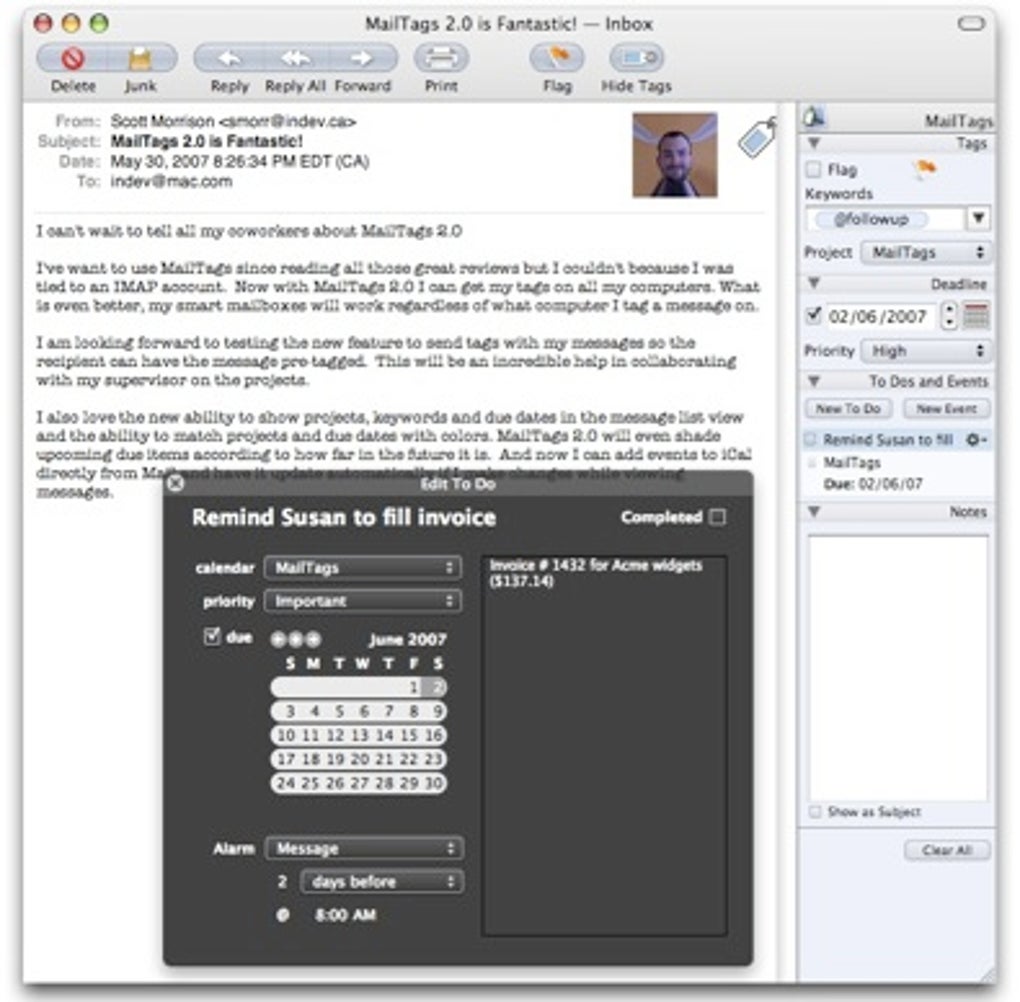
MailTags is a lightweight, Mac‑only utility that adds a powerful layer of meaning to every email you send or receive. First introduced in 2000, the tool has been refined through more than a decade of user feedback and now sits at version 2.5, a Release Candidate built specifically for macOS 10.6 (Snow Leopard) and later. While it remains a trial‑version program, MailTags offers a free download that lets you experiment with tagging, tracking, and organizing your messages without sacrificing precious disk space. The core idea is simple: attach custom tags to individual messages, turning a cluttered inbox into a searchable, context‑rich archive. Whether you need to flag a project‑related conversation, mark a client follow‑up, or simply categorize personal correspondence, MailTags gives you a flexible, keyboard‑driven workflow that integrates seamlessly with Apple Mail. The latest update, released on June 21 2010, introduces full Exchange support on macOS 10.6, resolves a host of stability issues from earlier builds, and prepares the app for broader compatibility across the Mac ecosystem. In short, MailTags is a secure, free, and easy‑to‑use add‑on that empowers Mac users to bring order and meaning back to email management.
Key Features and Functionalities
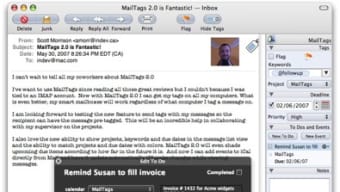
- Custom Tag Creation: Define unlimited tags with colors, icons, and shortcuts for instant labeling.
- Advanced Search Integration: Use tag‑based queries directly in Apple Mail’s search bar to locate messages in seconds.
- Exchange Server Support: Full compatibility with Exchange accounts on macOS 10.6, ensuring corporate email flows remain tagged.
- Keyboard‑Centric Workflow: Assign tags without leaving the keyboard using configurable hotkeys.
- Tag‑Based Smart Mailboxes: Auto‑populate smart mailboxes based on tag criteria for dynamic organization.
- Export & Import: Backup your tag library or transfer it to another Mac with a single click.
- Minimal System Footprint: The app occupies less space than the average Internet utility, keeping your Mac lean.
- Secure Tagging: Tags are stored locally and encrypted, preserving privacy while adding context.
- Future‑Ready Updates: Ongoing releases promise compatibility with newer macOS versions beyond Snow Leopard.
Each feature is designed to complement the native capabilities of Apple Mail, rather than replace them. By leveraging tags, users can build a personal taxonomy that mirrors their workflow, making it easier to locate critical information when deadlines loom. The Exchange integration is particularly valuable for business users who need to maintain consistent tagging across multiple devices and corporate servers. Moreover, the lightweight nature of MailTags means it runs silently in the background, consuming minimal CPU and memory while still delivering real‑time tagging feedback. This combination of depth and efficiency positions MailTags as a must‑have productivity tool for anyone serious about email organization on macOS.
Installation, Setup, and System Compatibility
Installing MailTags on a Mac is straightforward, even for users who are not technically inclined. First, download the trial installer from the official website. The file is a standard .dmg package that mounts automatically. Drag the MailTags icon into your /Applications folder, then launch the app. Upon first run, you’ll be greeted with a brief onboarding wizard that walks you through granting the necessary permissions to access Apple Mail’s data. These permissions are essential for the app to read, tag, and modify messages securely.
Once installed, the configuration panel lets you customize hotkeys, define default tag colors, and set up smart mailbox rules. The interface is intuitive: a single click on the “Add Tag” button opens a dialog where you can type a tag name, select a color, and assign a shortcut. All changes are saved automatically, and the app begins indexing your existing mailbox to make tag‑based search instantly available.
Operating System Compatibility – MailTags 2.5 is built for macOS 10.5 (Leopard) and newer, with a special focus on macOS 10.6 (Snow Leopard). The Release Candidate ensures full Exchange support on 10.6, while older versions continue to function with basic tagging capabilities. Because the software is native to macOS, it does not run on Windows, Android, or iOS devices. However, tagged messages remain viewable on any platform that can read Apple Mail’s .mbox format; the tags themselves are stored as hidden metadata within the email, preserving cross‑platform readability.
For users who prefer a silent installation, MailTags offers a command‑line option that can be executed via Terminal, allowing advanced users to script deployments across multiple machines. After setup, the app runs quietly in the menu bar, providing quick access to tag creation and search functions without interrupting your workflow.
Pros, Cons, and Frequently Asked Questions
Pros
- Free trial version with no hidden fees.
- Deep integration with Apple Mail and Exchange accounts.
- Highly customizable tags and keyboard shortcuts.
- Low memory and CPU usage.
- Secure local storage of tag data.
Cons
- Only available for macOS; no Windows or mobile versions.
- Trial version may limit the number of tags you can create.
- Interface feels dated compared to newer macOS design trends.
- Requires occasional manual updates; no automatic updater.
- Limited support resources; community forums are the main help source.
FAQ
Is MailTags completely free?
MailTags offers a free trial that includes all core features. A full license can be purchased for additional tag limits and priority support, but the trial is sufficient for most personal users.
Can I use MailTags with an iCloud email account?
Yes. MailTags works with any account configured in Apple Mail, including iCloud, Gmail, Yahoo, and Exchange. Tags are stored locally, so they remain visible regardless of the email provider.
Will tagging affect the original email content?
No. Tags are saved as hidden metadata attached to the message, leaving the actual email body unchanged. This ensures that recipients never see your tags.
How do I back up my tags?
MailTags includes an Export function that creates a .plist file containing all tag definitions. You can import this file on another Mac to restore your tagging system.
Is there a way to automate tag creation?
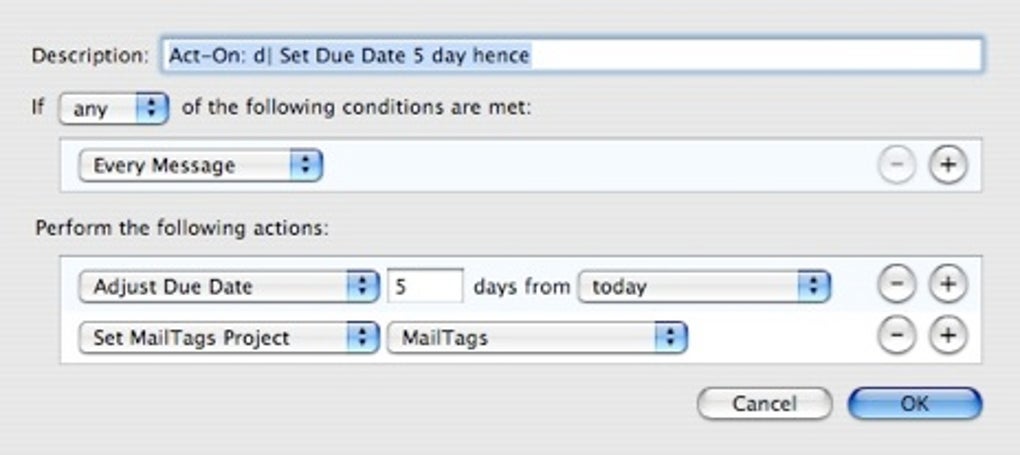
Yes. Smart Mailbox rules can be configured to apply specific tags based on sender, subject keywords, or date ranges, allowing you to automate repetitive tagging tasks.
Overall, MailTags delivers a robust tagging experience that feels native to macOS while staying lightweight enough for everyday use. The free trial provides ample opportunity to test its capabilities before deciding on a purchase. Users who need sophisticated email organization will find the tag‑centric workflow a game‑changer, whereas those looking for a cross‑platform solution may need to explore alternatives.
Final Verdict and How to Download MailTags
If you spend a significant portion of your day navigating through Apple Mail, adding meaning to each message with tags can dramatically improve efficiency. MailTags bridges the gap between a simple email client and a powerful information‑management system, all while keeping the installation footprint minimal and the user experience secure. The latest Release Candidate resolves past compatibility headaches, especially for users on macOS 10.6, and introduces Exchange support that broadens its appeal to business environments. Although it remains a Mac‑only solution, its focus on native integration makes it a compelling addition for any Mac user looking to declutter their inbox.
Ready to give your email a new level of organization? Click here to download MailTags for free and start tagging your messages today. The trial version lets you explore all core features without commitment, and if you find the workflow valuable, upgrading to the full license is just a few clicks away.