
Download MalWhere – Free Anti-Spyware Tool for Windows (Secure, Lightweight, Fast Scanning)
MalWhere is a reliable, free security program designed specifically for Windows users seeking an effective anti-spyware solution. Developed by Malwhere, this lightweight tool focuses on detecting and removing malicious software, including spyware, adware, and other privacy-threatening programs. Despite being released in 2006, MalWhere remains a noteworthy option for users running older Windows systems like Windows 98, ME, 2000, and XP. Its minimal system footprint and straightforward interface make it ideal for users who value speed and simplicity without sacrificing protection. With a current version of 1.12 and its last update in June 2006, MalWhere continues to serve as a dependable tool for basic system hygiene. Although no longer actively developed, it remains a solid choice for legacy systems where modern antivirus tools may not be compatible. The software is available in English and has been downloaded over 1,267 times since its addition to our software catalog in 2006. For users looking for a secure, free, and efficient way to scan and clean their systems from unwanted threats, MalWhere offers a no-cost, no-nonsense solution.
Key Features of MalWhere – What Makes It Stand Out?
MalWhere distinguishes itself in the world of anti-spyware tools through its simplicity, speed, and low resource consumption. One of its most compelling features is its lightweight design—requiring minimal storage space and system memory, making it perfect for older machines with limited hardware capabilities. Unlike many modern security tools that demand high-end configurations, MalWhere runs smoothly even on systems with outdated processors and low RAM, ensuring accessibility for a broader audience.
Another major advantage is its fast scanning engine. MalWhere performs deep system scans quickly, identifying known spyware signatures and suspicious behaviors without slowing down your computer. The scan results are presented clearly, allowing users to easily review detected threats and choose which items to quarantine or remove. This transparency enhances user control and builds trust in the tool’s effectiveness.
The software also offers a clean, intuitive interface that doesn’t overwhelm users with technical jargon. Even those with limited technical knowledge can navigate the tool with ease, making it a great fit for non-expert users. Additionally, MalWhere supports batch processing of scan results, enabling users to handle multiple threats at once. Its compatibility with older Windows operating systems—such as Windows 98, ME, 2000, and XP—ensures that legacy users aren’t left behind in the fight against malware.
While MalWhere lacks real-time protection and cloud-based threat intelligence (features common in modern tools), it excels in targeted, on-demand scanning. For users who prioritize system performance and privacy without the need for constant monitoring, this makes MalWhere a surprisingly effective and secure choice. Its free-to-use model ensures that anyone can access essential protection without financial commitment.
- Lightweight design – minimal system resource usage
- Fast, on-demand scanning engine
- Simple, user-friendly interface
- Supports older Windows systems (98, ME, 2000, XP)
- Free to download and use
- Clear threat detection and removal options
- Batch processing of scan results
How to Install and Use MalWhere on Your Windows System
Installing MalWhere is a straightforward process, especially for users familiar with older Windows environments. First, visit a trusted software download site and search for “MalWhere download.” Ensure you’re downloading from a verified source to avoid bundled malware or fake versions. The official file is typically a small executable (under 2 MB), so the download time is minimal.
Once downloaded, locate the file (usually named something like malwhere_setup.exe) and double-click it to begin installation. The setup wizard will guide you through the process with minimal steps—no complex configuration is required. You’ll be prompted to choose an installation directory, but the default location is usually sufficient. The installer does not modify system settings or add unnecessary startup entries, which enhances security and performance.
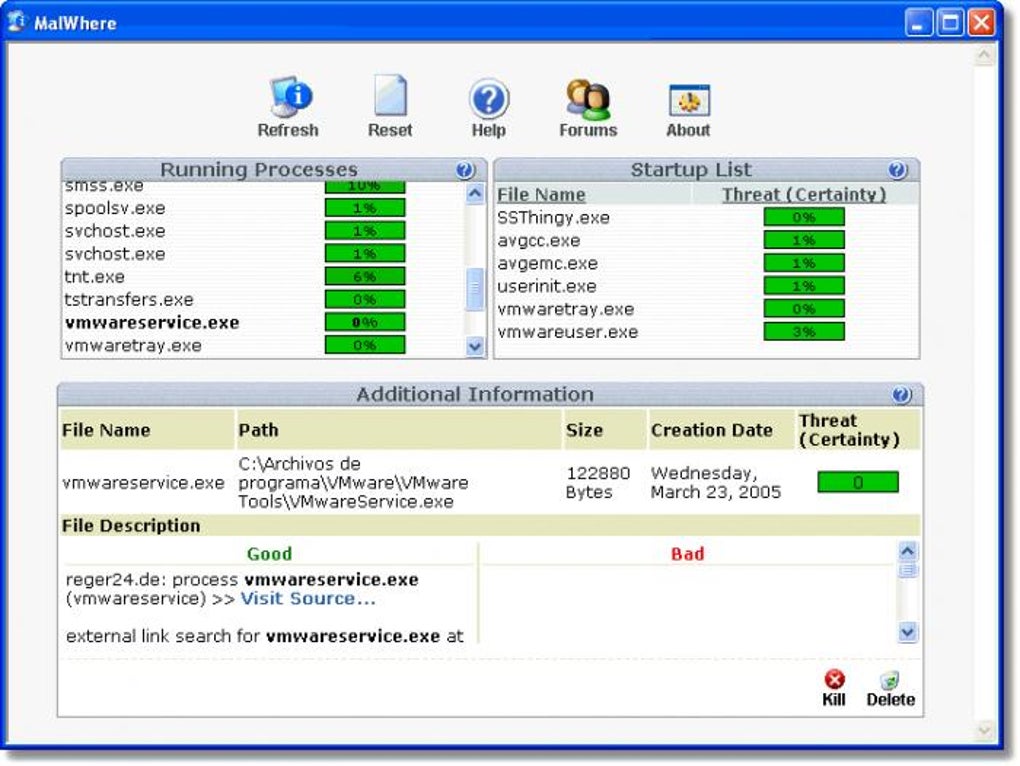
After installation, launch MalWhere from the Start menu or desktop shortcut. The main window displays a clean layout with a single “Scan” button, a status bar, and a results panel. Click “Scan” to initiate a full system scan. The tool will search through system files, registry entries, and temporary folders for known spyware signatures. Scanning typically takes between 2 to 5 minutes, depending on your system’s size and speed.
Once the scan completes, MalWhere presents a list of detected threats. Each item includes a name, description, and risk level. You can select individual items or use the “Select All” option to remove all detected threats at once. After confirmation, the tool safely quarantines or deletes the files. It’s recommended to restart your computer after removal to ensure all changes take effect.
For regular maintenance, users can schedule periodic scans manually. While MalWhere doesn’t support automatic updates or background monitoring, running it weekly is a smart habit for older systems. Always keep your system backed up before performing deep scans, especially if you’re unsure about certain detections.
Compatibility & System Requirements
MalWhere is specifically designed for older Windows operating systems, making it a rare gem for users still relying on legacy platforms. It officially supports Windows 98, Windows ME, Windows 2000, and Windows XP—systems that are no longer supported by most modern security software. This compatibility is one of its biggest strengths, as it fills a critical gap in protection for outdated but still functional machines.
System requirements are extremely modest. MalWhere runs efficiently on machines with as little as 64 MB of RAM and a 100 MHz processor. The installation size is under 5 MB, and the tool uses minimal disk space during operation. This makes it ideal for low-end hardware or systems with limited storage capacity.
It’s important to note that MalWhere does not support modern operating systems like Windows 7, 8, 10, or 11. Users on these platforms will not be able to install or run the software. Additionally, because the last update was in 2006, the tool does not include current malware definitions or real-time protection. It relies solely on static signature databases, which may not detect newer threats.
Despite these limitations, MalWhere remains a secure and functional option for users on older systems who want to maintain a basic level of protection. It’s particularly useful for retro computing enthusiasts, educational institutions with outdated lab computers, or individuals preserving legacy software environments. For these users, MalWhere offers a rare blend of compatibility, simplicity, and reliability.
- Windows 98 – Fully supported
- Windows ME – Fully supported
- Windows 2000 – Fully supported
- Windows XP – Fully supported
- Windows 7 and above – Not supported
- Minimum RAM: 64 MB
- Minimum CPU: 100 MHz
- Storage: Less than 5 MB
Pros and Cons of Using MalWhere
MalWhere offers several advantages that make it a worthwhile choice for specific users, especially those on older systems. On the positive side, its lightweight nature ensures it won’t slow down older machines. The fast scanning engine delivers results quickly, and the clean interface makes it accessible even to beginners. Being completely free allows users to protect their systems without cost, and the lack of intrusive ads or bundled software enhances its trustworthiness.
However, there are notable drawbacks. The most significant is the lack of updates since 2006—meaning it cannot detect modern malware strains. It also lacks real-time protection, so it only works when manually triggered. Users must remember to run scans regularly, which can be a challenge for less tech-savvy individuals. Additionally, it does not integrate with modern security ecosystems, such as cloud-based threat intelligence or automatic updates.
- Pros:
- Extremely lightweight and fast
- Perfect for older Windows systems
- Free to download and use
- Simple, intuitive interface
- No ads or bundled software
- Cons:
- No updates since 2006
- Lacks real-time protection
- Cannot detect modern malware
- Not compatible with Windows 7+
- Manual scanning required
Frequently Asked Questions (FAQ)
-
Is MalWhere safe to download and use?
Yes, MalWhere is safe to download when obtained from trusted sources. The software is free of malware and does not install unwanted programs. However, always verify the download link to avoid fake versions.
-
Can I use MalWhere on Windows 10 or Windows 11?
No, MalWhere is not compatible with Windows 10 or Windows 11. It only supports older systems like Windows 98, ME, 2000, and XP.
-
Does MalWhere offer real-time protection?
No, MalWhere does not provide real-time monitoring. It only scans your system when you manually initiate a scan.
-
How often should I run MalWhere?
It’s recommended to run MalWhere at least once a week to maintain system hygiene, especially on older machines.
-
Can MalWhere remove all types of spyware?
MalWhere detects and removes known spyware based on its signature database. However, it may not catch new or unknown threats due to outdated definitions.
Final Verdict: Is MalWhere Still Worth It?
MalWhere may not be the most advanced security tool available today, but for users on legacy Windows systems, it remains a valuable and reliable option. Its lightweight design, fast scanning, and free access make it a standout choice for older machines that can’t run modern antivirus software. While it lacks modern features like real-time protection and cloud updates, its simplicity and compatibility are unmatched in its niche.
If you’re maintaining a Windows 98, ME, 2000, or XP system and want a secure, no-cost way to scan for spyware, MalWhere is definitely worth downloading. Just remember to use it as part of a broader security strategy—avoid risky browsing, keep backups, and consider using it alongside other basic safeguards.
Download MalWhere today and take control of your system’s security—free, fast, and built for the past, but still useful in the present.