MC's 336 Blog

My Learning Portfolio for EDCI 336

Weekly Reflection #4 – PSII

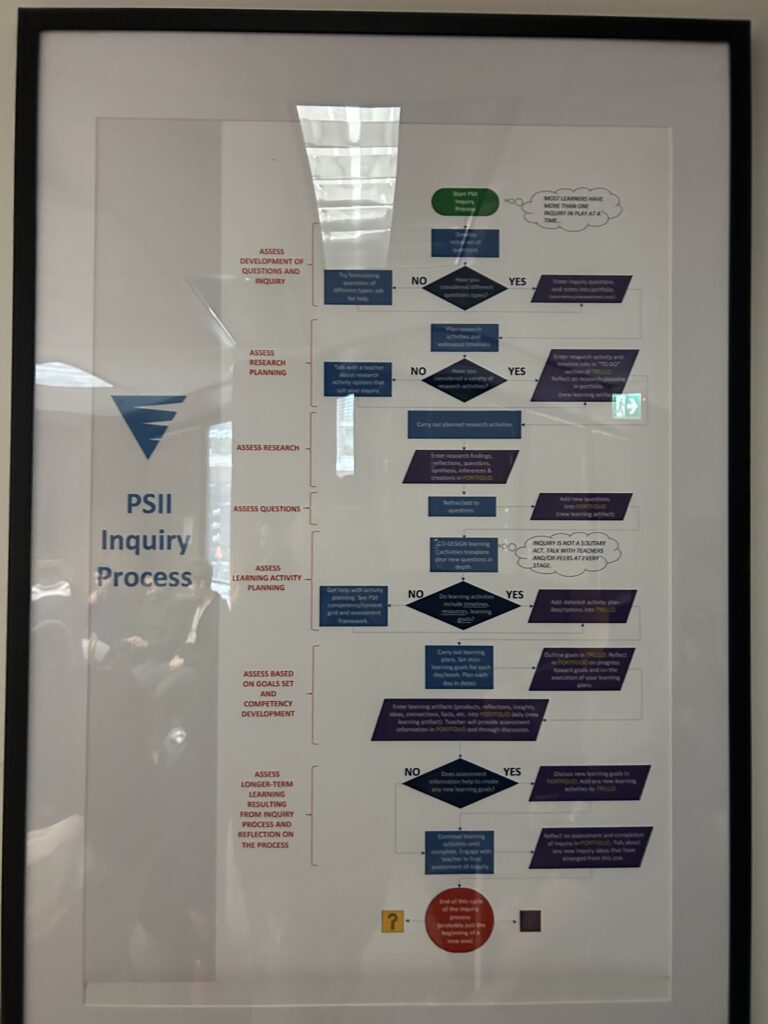
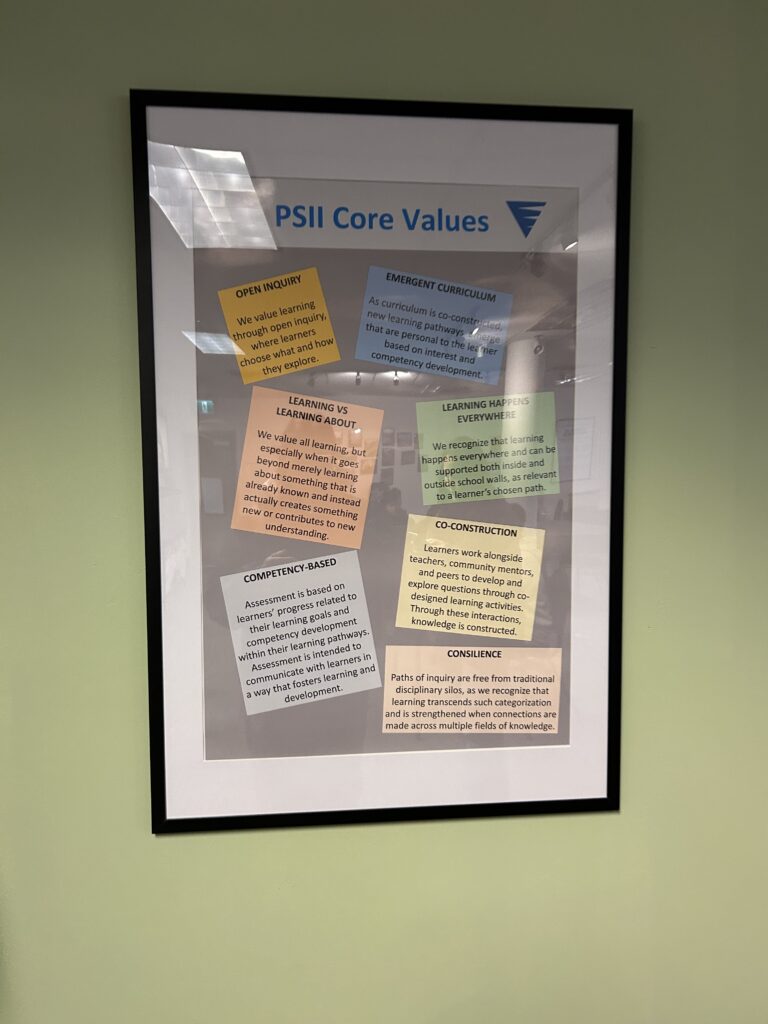
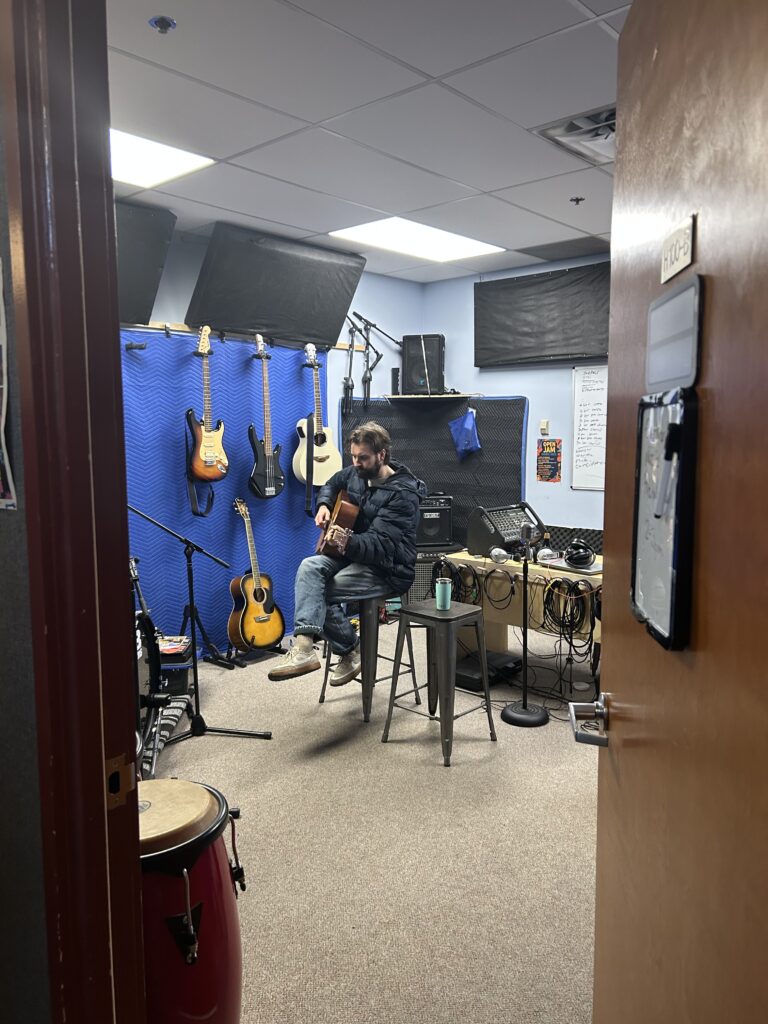
The following is a transcript of a voice note I recorded following our visit to PSII. Unfortunately I wasn’t able to upload the video as an MP4 – I would love to learn how to do that in this course:)
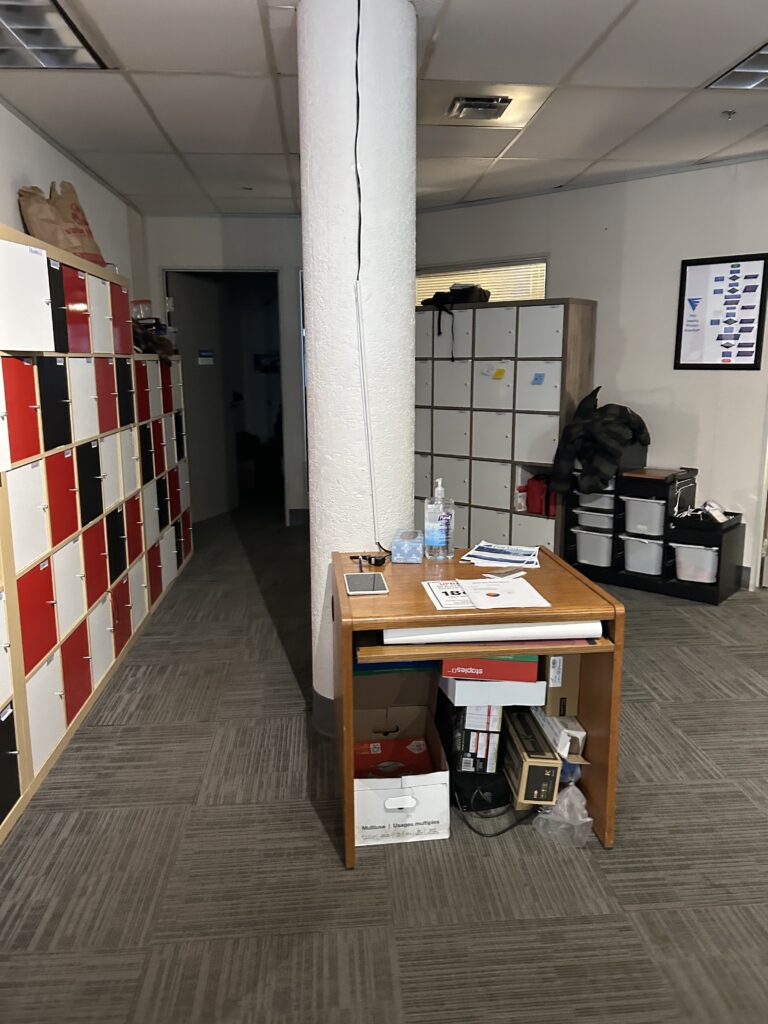
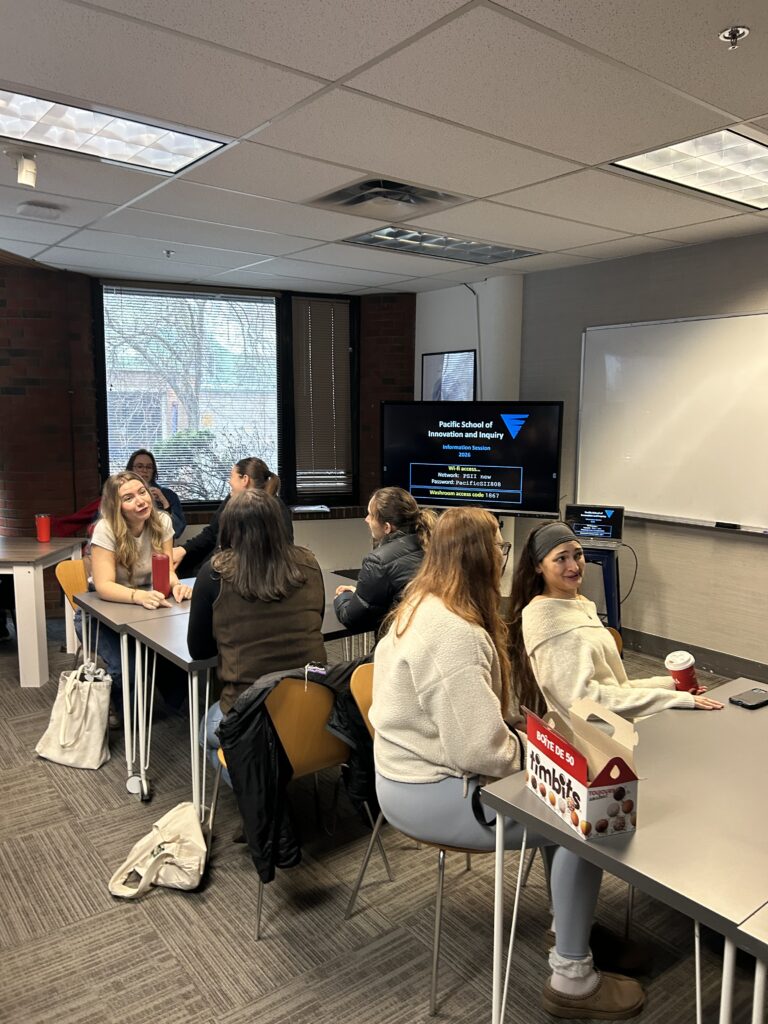
So today we visited the Pacific School of Innovation and Inquiry, and I thought it was a pretty neat concept. I had never considered that you could take all these competencies and not associate like a grade or a rigid structure to them, and instead take the foundations of what each subject is about, the competency and what those achieve, and just turn everything into like a student centred approach, where it’s all driven by their own inquiry. Um, I thought it was really neat specifically. 
They were talking about languages because I’m going to be a languages teacher and how that one boy wanted to learn Serbian, but no one at the school, no, knew how to teach Serbian, and so instead he went and did his own research, and that was his inquiry project, and then taught everyone else Serbian, um, and the example that Jeff gave was that he put, um, Serbian words around the whole school. Like wall and door. Um, and he he progressed really fast. 
So I thought that was super neat. I remember back to when I took French and it was just all like grammar tests over and over and teachers thought that if they could just pound like grammar into your system, that it would just click and you could be able to do it like a robot. But honestly, like it made people just despise languages and French and just the whole kind of colonial system, but I think, like, if I had this approach, I would have taken something I’m passionate about. 
I’m pretty passionate about like sports and athletics and I could have done something with French, like learning the French terms for volleyball. Um, because they’re different, like, um, a passer in, um, like English volleyball is the person that takes the 1st contact that bumps the ball. But in Montreal and in Quebec. 
The passer is the setter who takes the 2nd contact and passes to the hitters. Um, It’s just something I picked up when I did um, the Explorer program for 5 weeks in Quebec in 2023. But yeah, I was super impressed by this learning style. 
Um, I think the only thing that I would personally struggle with is a big part of my identity in school was athletics. And being on a team, I was on volleyball team basketball team, soccer team, ultimate team, and it wasn’t always the sports that drew me to these places, but it was more the people and the instant friendships and camaraderie and life skills you just gain from being on a sports team. Um, I wish I asked if the students had the opportunity to go to another school, like after school situation, and be a part of a different schools team. 
But, yeah, it was, it was very interesting and I did like how they could go to like the Y or Craig X for free and they had built-in programs that a past student came back to give them like personal training program. And I think that is so awesome, but I don’t think that learning style would have worked for me. I think from a more like academic and competency standpoint. 
It would have been great to have all these opportunities to make something I’m passionate, like an inquiry project, but I do think that maybe just because of so much of my personal identity came from team sports, I wouldn’t have necessarily flourished to my full extent of the school. Um, I was curious about the funding. I asked Jeff. 
I was like, so what? Like, where does your funding come from? And he said that about 50% comes from the Ministry of Education, and then the rest is up to tuition, which is $8000 a year. 
Um, I know public schools are free, but, like, the ratio and just what kids are, like, able to do at this school is so impressive that I do think like $8000 will go a long way, like that is a good, a steal, almost, for the education and stuff they’re learning here. Um, If I had a child and was going through this program, I think that putting them in this space for like grade 9 would be really awesome and help them like kind of acclimatize and be creative and then take that and move them into like more of the public school setting for the senior levels because I do think it’s important. Like universities really do look at grades, and I know sometimes people that go into more like STEM programs like really count on those high marks um. 
Um, but also just for the sports team aspect, like I said, but overall, I could definitely see myself applying some of these practises into my classroom, like giving students like a foundational base of knowledge, but then letting them pick how they want to show what they’ve learned because I do agree that I don’t think learning should just be pulling a bunch of marks and averaging them out, but just seeing how they’ve grown. over time. But yeah, those were my thoughts on the visit today and uh, super, super awesome. And yeah, I really appreciate the visit.

Week 1 – Introduction

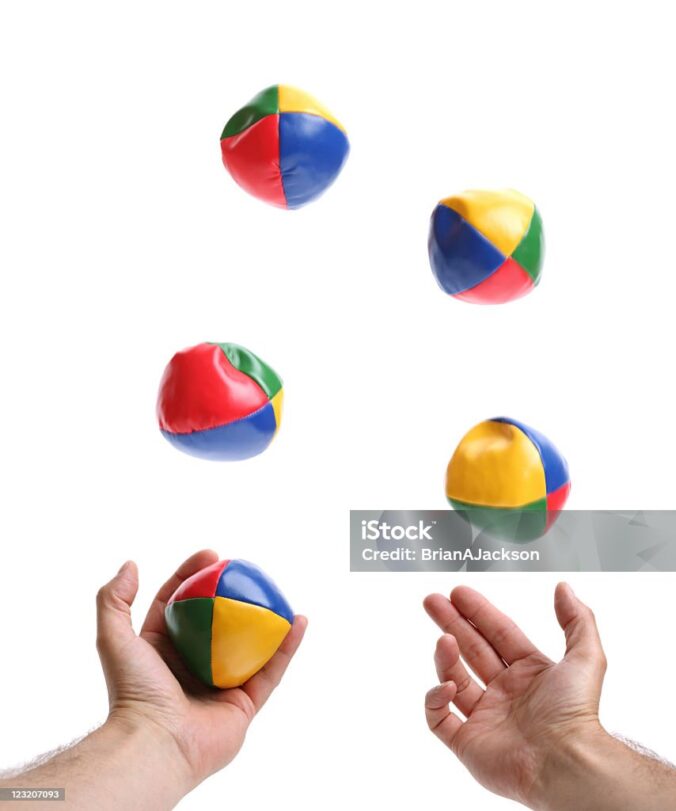
IStock juggling PDF

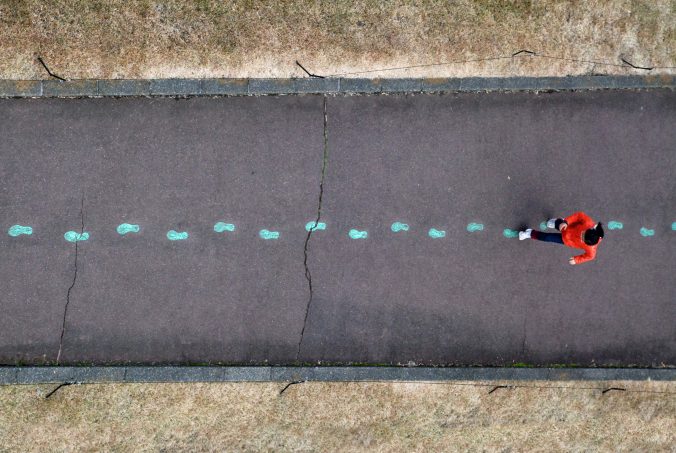
For my free inquiry project, I will be learning how to juggle. This project focuses on developing new skills through observation, repetition and reflection.

I chose juggling because it was a skill I learnt during a gymnastics class I took in 2023 as part of my PHE degree from UVIC. Before that course, I had never learned how to juggle. In the class, we scaffolded the skill by starting with scarves and gradually adding balls until we were juggling. At the very end of the course I was finally able to succeed, which was an incredibly rewarding experience. Unfortunately, after the course ended, I lost the skill and never had the time to relearn it. Until now. This inquiry project is a meaningful way for me to return to a skill that I once learned while also exploring how skill acquisition works through a lifelong learning perspective.

My initial goals for this project are to:

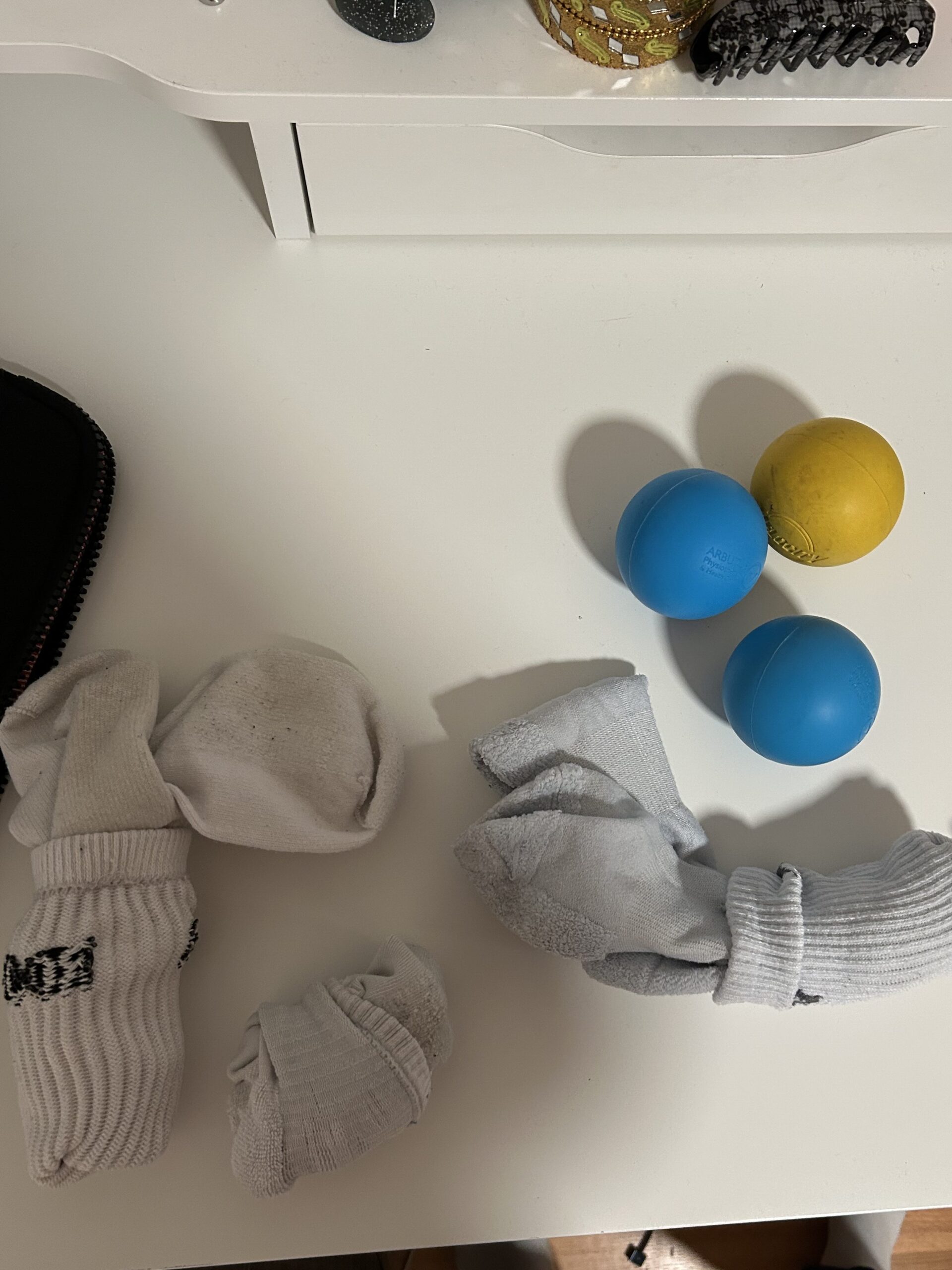
  • find appropriate juggling materials for progressions (scarves, socks, balls)
  • discover media resources to assist my learning targets

To support the learning goals, I have found instructional videos, particularly on YouTube. By following these videos, it will help me make a foundation of using proper technique to build upwards to 3-ball juggling.

To begin, I am using this video (only until the 35 second mark)

My next step is to start juggling scarves or socks because they will fall much slower and give me more time to get the base pattern down.

Image

Stay tuned for week 2!

Weekly Reflection #3

Describe possible use cases for GenAI in school settings at the grade level you would like to teach, or describe why it would not be appropriate for your grade level

My goal is to become a French teacher at the secondary level. French as a second language is typically assessed across four core competencies: reading, listening, writing, and speaking. Reflecting on my own experience learning French from kindergarten through Grade 12, I found the process extremely challenging. Many of my teachers were not fluent French speakers themselves, and in some cases, French was their fourth language. As a result, there was often an overemphasis on repetitive spelling tests, under the assumption that frequent written practice alone would lead to proficiency. This approach neglected the other three competencies and limited opportunities for authentic language use. Drawing from these experiences, I see many meaningful ways GenAI could be integrated into today’s French classrooms to better support student learning.

Reading.
GenAI can significantly enhance reading engagement by allowing students to access a wide range of French texts tailored to their interests. Instead of relying on outdated or unengaging articles, students could use GenAI tools to locate texts aligned with their hobbies, current events, or personal interests. Increased relevance and choice would likely improve motivation and reading efficacy, ultimately supporting stronger language development.

Listening.
GenAI also has strong potential to support listening comprehension. Tools such as speech synthesis platforms allow students to convert written texts or assignments into audio format. These tools often offer a variety of voice options, enabling students to select voices they find engaging. Increased personalization can make listening tasks more enjoyable and may encourage students to spend more time engaging with French audio content.

Writing.
Writing is perhaps the competency most transformed by GenAI. When I was in high school, the primary tool available was BonPatron, which provided limited grammatical feedback and capped the number of errors it would identify. Today, platforms such as DeepL and ChatGPT can analyze entire texts, identify errors, and explain why those errors occur. This allows students not only to correct their writing but also to develop a deeper understanding of grammatical structures and language rules, supporting long-term learning rather than surface-level correction.

Speaking.
Speaking is the one area where GenAI use is largely inappropriate. One of the greatest challenges for French teachers is facilitating authentic and meaningful oral communication opportunities. Oral language production must be natural and student-generated in order to accurately reflect proficiency. While students may use AI tools to brainstorm themes or ideas for creative projects such as skits or plays, the speaking itself should remain entirely authentic and free from AI assistance.

This is an example of how I used GenAI to find resources for an assignment and then used it to spell-check my work for grammatical errors. https://docs.google.com/document/d/1P4ljyZ9isvayMdKjKg0_W8EDZmDpwlAOnOvsoEkrc-A/edit?usp=sharing

What are some of the issues around the responsible use of GenAI in education including, the environment, property rights, and learning-related issues?

Prior to Friday’s class, I was largely unaware of the environmental impact of GenAI, particularly its water usage. While I knew that data centres require water for cooling servers, I had not considered the long-term environmental consequences. During class, a statistic was shared comparing the energy use of a large television running for an hour to the water consumption of multiple AI prompts, which prompted me to investigate further.

A CBC research article indicates that in 2023, approximately 10–50 AI prompts consumed around 500 millilitres of water. More recent estimates from 2025 suggest that the same number of prompts may now require the equivalent of one standard water bottle. These statistics were both surprising and concerning, and they have significantly influenced how frequently and intentionally I use AI tools. I also learned that image-based AI generation can consume less water than text-based prompting, which has encouraged me to be more strategic in my use of these technologies.

Moving forward, I plan to reserve GenAI for tasks that genuinely enhance learning rather than for basic skills I can practice independently, such as simple French conjugations. By engaging directly in these foundational tasks, I strengthen my own language proficiency. This aligns with principles from motor learning theory, such as the idea that “neurons that fire together wire together,” emphasizing the importance of continued practice. As a future educator, I believe it is essential to share this knowledge with students so they can develop responsible habits and make informed decisions about their use of AI, particularly in relation to environmental sustainability.

Image

The White Hatter – https://www.thewhitehatter.ca/post/ai-is-thirsty-hungry-the-hidden-environmental-costs-of-artificial-intelligence

CBC – https://www.cbc.ca/news/ai-data-centre-canada-water-use-9.6939684

This Blog Post is an original thought and has been edited for spelling, grammar and fluidity with ChatGPT.

OpenAI. (2026). ChatGPT (GPT-5.2) [Large language model]. https://chat.openai.com/

Weekly Reflection #2

Screencast tutorial video using Zoom

Describe how you could use video or audio editing as the assignment medium for the subject and grade level you will be teaching (if at all), and what you could do to make the assignment as engaging as possible.

As a future Physical and Health Education (PHE) teacher, and reflecting on stories my mom has shared from her own teaching experiences, I have brainstormed an assignment idea that combines two of my passions: teaching and dance. This assignment would be best suited for a Grade 9 or 10 all-girls PHE class, where students could choose a favourite song and record either a dance or a physical workout to it. Through this approach, students are able to demonstrate their learning through movement while also engaging with alternative media formats.

To connect this assignment to the BC PHE curriculum, the videos would not be limited to dance alone. Students could demonstrate key physical competencies such as rhythm, coordination, hand-eye coordination, balance, and cardiovascular fitness. This allows students to show their understanding of movement concepts in ways that feel authentic and meaningful to them.

An example of how this assignment could look includes the following options:

  • Students work independently or with a partner/group to create and record a 30–60 second video that includes a variety of movements at a level of difficulty that suits them, supporting student autonomy.
  • Alternatively, students could record a follow-along workout video, choosing a pace and style that aligns with their interests (e.g., flow yoga versus HIIT).

I am constantly looking for ways to make PHE a more inclusive environment where students genuinely buy into the content. By allowing students choice in where they record their videos, and reassuring them that only the teacher will view the submission, students may feel more relaxed and confident participating. Additionally, allowing students to choose their own music and movements reinforces that their voices and identities are valued, which can increase motivation and enjoyment.

This assignment also encourages deeper engagement with learning. Students must plan, record, edit, and submit their work, rather than completing a one-time in-class performance. This gives students the opportunity to revise their work and submit a final product that truly represents their effort and learning.

Overall, incorporating media into PHE in this way highlights student voice and choice and supports the development of confidence, engagement, and physical literacy. I believe this approach would encourage more students to participate meaningfully in PHE and foster a lifelong connection to physical activity.

Image

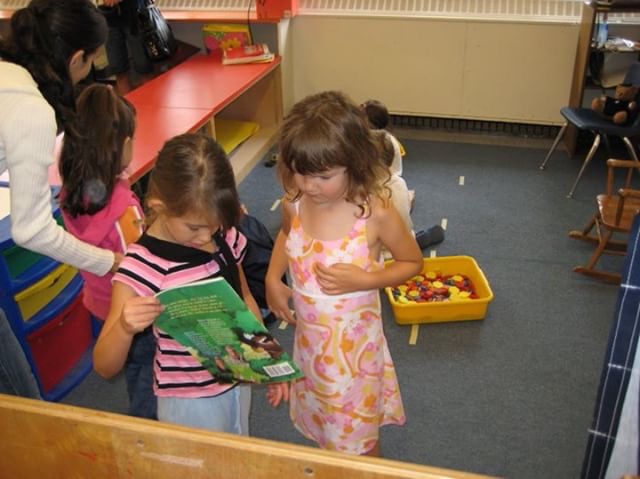
a photo of me and a friend in kindergarten – books were our technology

Describe what a flipped Flipped Classroom teaching model could look like at the grade level you’d like to teach along with some of the strengths and weaknesses of this approach for your grade level.

My approach to a flipped classroom model builds directly on the ideas outlined above. Recording dance or workout activities aligns naturally with a flipped classroom, as students can engage with instructional content outside of class and use class time for active application. PHE is already unique in that it exists outside the traditional desk-based classroom, and incorporating technology further strengthens the flipped model in a movement-focused subject.

In a future PHE classroom, I envision beginning a dance unit by having students watch short videos demonstrating basic or classic dance moves. This would give students a foundational understanding of movements they could later incorporate into their own videos. Rather than assigning a task without preparation, students would first build confidence through guided exposure.

Next, students could rotate through dance circuit stations during class time, with each station focusing on a specific movement (e.g., grapevine, box step, etc). These pre-activity videos and stations would help students feel prepared and capable of recording their own performances with confidence.

A typical in-class structure for this flipped model could include:

  • Students practicing and refining movements
  • Peer sharing and feedback
  • Teacher support and formative feedback as needed
  • Time during class to record videos, reducing pressure outside of school

This flipped approach works well in PHE because it prioritizes student-centred learning and active participation. The teacher acts as a facilitator rather than the focal point of instruction. Even during movement circuits, the teacher scaffolds the learning environment while students take ownership of their progress. This model supports diverse learning styles and pacing, while also promoting self-esteem and confidence.

In subjects like PHE, I strongly support the flipped classroom model. It emphasizes that teachers are not meant to lead from the front with students passively following, but rather to provide tools and guidance that allow students to direct their own learning.

One important consideration for the self-recording assignment is student comfort. If students feel uncomfortable recording at school, they could be given the option to complete the task at home. Additionally, introducing this type of assignment early in the school year helps normalize multiple attempts and revisions, reinforcing that learning is a process. If students are unhappy with their first submission, they are encouraged to revise and improve. Establishing this expectation early helps create an equitable, inclusive, and supportive classroom culture for the entire year.

A flipped classroom model in higher education: a review of the evidence across disciplines.http://Al-Samarraie, H., Shamsuddin, A., & Alzahrani, A. I. (2020). A flipped classroom model in higher education: a review of the evidence across disciplines. Educational Technology Research and Development, 68(3), 1017-1051.

International review of research in open and distributed learninghttp://Cabı, E. (2018). The impact of the flipped classroom model on students’ academic achievement. International review of research in open and distributed learning, 19(3).

This Blog Post is an original thought and has been edited for spelling, grammar and fluidity with ChatGPT.

OpenAI. (2026). ChatGPT (GPT-5.2) [Large language model]. https://chat.openai.com/

Weekly Reflection #1

Do We Need to Reimagine Education?

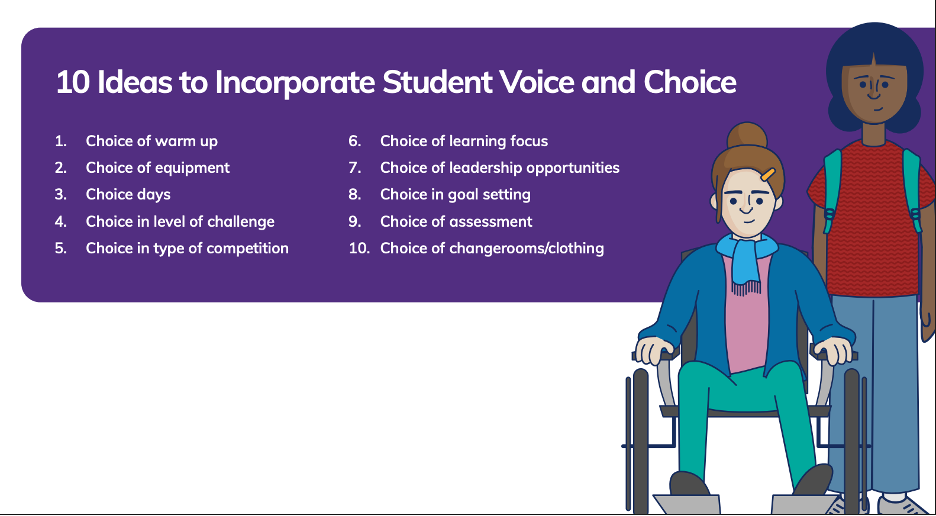
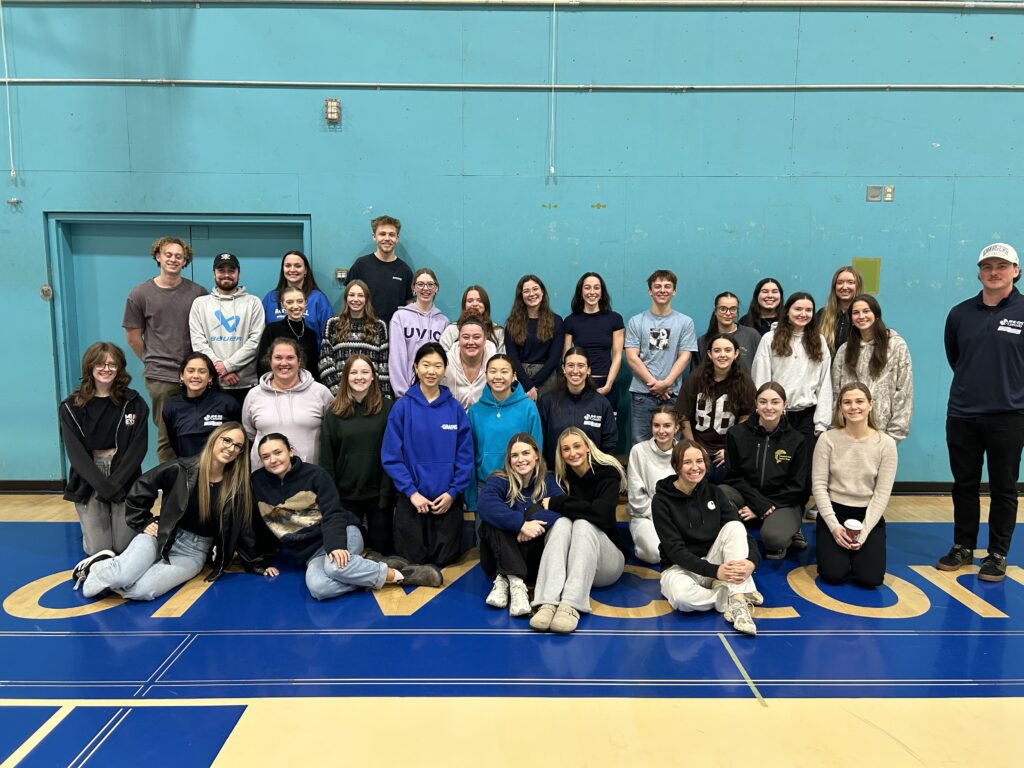
When I think about High Tech High, what stands out to me most is its emphasis on student-centred learning, rather than the traditional school system that prioritizes teacher-centred instruction. This learning model aligns closely with inquiry-based learning and values student voice and choice. Thinking about this model brings me back to last year, when I led a Pro-D Day workshop with PHE Canada to elementary BEd students. I used their resource (linked below), which highlights incorporating student voice and choice to showcase inclusive and creative methods to build student-centred learning environments.

Image

By giving students opportunities to have their voices heard and valued, they often become more invested in their learning and develop a stronger sense of ownership over their education. However, this does not mean that teachers should eliminate rules or expectations altogether. I still believe these are essential elements, but finding a balance between structure and autonomy can make learning more meaningful and purposeful.

One of my teachable subjects is Physical and Health Education (PHE). Not so long ago, this subject carried a stigma, highlighting only the most athletic students and creating a negative experience for those who did not fit that mold. As a future teacher, my goal is to make PHE inclusive for all students, regardless of age, race, gender or background. By following the PHE Canada sugggested approaches, teachers can make impactful steps towards showing care for each of their students’ learning goals. Therefore, the quality of education can grow along with students’ motivation to enhance their relationships with physical and health education.

Image

What Obstacles do Educators Face When Trying to Change Pedagogy?

My mom is a teacher, and she has been teaching for over 30 years. Throughout my life, I have heard numerous stories about the challenges she has faced when trying to implement new ideas or adjust her pedagogy. For example, five years ago, she created an all-girls PHE class to address the decline in girls enrolling in PHE once it was no longer mandatory after Grade 10. The first pushback she encountered came from within her own department. Out of eight PHE teachers, only two were women.

As a result, it was difficult for some of the male teachers to see the need for an all-girls PHE class, particularly because it meant fewer students, and, therefore, fewer PHE blocks for them. It seems clear to me that teaching has a history of individualism and egocentrism. How are we, as future teachers suppose to shift pedagogy towards student-centred learning if our peers are unable to set aside their own agendas within the staff room?

From a perspective beyond that of being the child of an educator, I can imagine that one of the most significant and ongoing obstacles teachers face when attempting pedagogical change is access to resources. Many schools are underfunded, making it extremely difficult to secure the time, training, materials, and energy required to shift instructional practices. During my Link2Practice placement, I saw this firsthand. One teacher went above and beyond their role, using personal connections to acquire 500 free naloxone kits for students who completed the training. Despite this effort, the administration later asked the teacher to share the kits with other schools in the district, suggesting it would be selfish to keep them all.

Not only was this a difficult conversation for that teacher, but it also felt deeply unfair to the time and effort they invested outside of their schedule. A conclusion that I have drawn as a result of these stories is that if change is going to happen, everyone must be on board. It cannot fall on one educator alone. Pedagogical transformation requires a top-down approach, not just isolated efforts from compassionate individuals.

Sources

[PDF] academia.edu

This Blog Post is an original thought and has been edited for spelling, grammar and fluidity with ChatGPT.

OpenAI. (2026). ChatGPT (GPT-5.2) [Large language model]. https://chat.openai.com/

Welcome and Introduction

Before proceeding with this first blog post, we expect you to consider your privacy preferences carefully and that you have considered the following options:

  1. Do you want to be online vs. offline?
  2. Do you want to use your name (or part thereof) vs. a pseudonym (e.g., West Coast Teacher)?
  3. Do you want to have your blog public vs. private? (Note, you can set individual blog posts private or password protected or have an entire blog set to private)
  4. Have you considered whether you are posting within or outside of Canada? This blog on opened.ca is hosted within Canada. That said, any public blog posts can have its content aggregated/curated onto social networks outside of Canada.

First tasks you might explore with your new blog:

  • Go into its admin panel found by adding /wp-admin at the end of your blog’s URL
  • Add new category or tags to organize your blog posts – found under “Posts” (but do not remove the pre-existing “EdTech” category or sub-categories, Free Inquiry and EdTech Inquiry). We have also pre-loaded the Teacher Education competencies as categories should you wish to use them to document your learning. If you would like to add more course categories, please do so (e.g., add EDCI 306A with no space for Music Ed, etc.)
  • See if your blog posts are appearing on the course website (you must have the course categories assigned to a post first and have provided your instructor with your blog URL)
  • Add pages
  • Embed images or set featured images and embed video in blog posts and pages (can be your own media or that found on the internet, but consider free or creative commons licensed works)
  • Under Appearance,
    • Select your preferred website theme and customize to your preferences (New title, etc.)
    • Customize menus & navigation
    • Use widgets to customize blog content and features
  • Delete this starter post (or switch it to draft status if you want to keep for reference)

Do consider creating categories for each course that you take should you wish to document your learning (or from professional learning activities outside of formal courses). Keep note, however, that you may wish to use the course topic as the category as opposed to the course number as those outside of your program would not be familiar with the number (e.g., we use “EdTech” instead of “edci336).

Lastly, as always, be aware of the FIPPA as it relates to privacy and share only those names/images that you have consent to use or are otherwise public figures. When in doubt, ask us.

Please also review the resources from our course website for getting started with blogging:

Free Inquiry – Juggling 101

Week 1 – A starting place

This week was the first of the Free Inquiry Project. I personally was jostling with a topic idea, and although something related to volleyball crossed my mind, I ultimately wanted to challenge myself to pick up a new skill. Therefore, I’ve landed on juggling. 2 years ago, I took EPHE 439 (Gymnastics), in which we briefly touched upon juggling. I never could quite get it, but I did find it fascinating and a good skill for a future PHE teacher to know. So now, through this project, I can revisit the concept of juggling and hopefully use these next 12 weeks as an opportunity to develop my skills (maybe even good enough to be recruited by Cirque du Soleil…) How to Juggle – Step by Step

© 2026 MC's 336 Blog

Theme by Anders NorenUp ↑