InITNEXTbyBrian Grant·10h agoManaged fields in KubernetesThe history behind Kubernetes managed fields, an explanation of what it is for, and introduction to a tool to manage them.
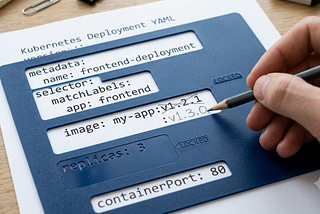
InITNEXTbyBrian Grant·Jun 1Kustomize, Kpt, Porch, and ConfigHubHow Kustomize, Kpt, Porch, and ConfigHub are different, and why each one was created.
InITNEXTbyBrian Grant·May 26A new Kubernetes package installerIntroduces a Kubernetes package installer designed for simple installation and post-installation customization.
InITNEXTbyBrian Grant·Apr 13Converting Helm charts to Agent SkillsI used an AI agent to convert a Helm chart to an Agent skill, and discuss the benefits of using skills to install workloads on Kubernetes.A response icon1A response icon1
InITNEXTbyBrian Grant·Mar 30The Challenge of ConfigMap rollouts in KubernetesKubernetes does not roll out changes to ConfigMaps automatically. This discusses the history of the issue and the two prevailing solutions.A response icon1A response icon1
InITNEXTbyBrian Grant·Mar 18Vetting Kubernetes configuration with Kyverno prior to deploymentKyverno is a policy-as-code tool for Kubernetes that enforces state-based policy constraints, which can be used with ConfigHub.
InITNEXTbyBrian Grant·Mar 9Kubernetes Strategic Merge PatchWhat is Kubernetes Strategic Merge Patch, and why does it exist?A response icon1A response icon1
InITNEXTbyBrian Grant·Dec 2, 2025Abstraction is the wrong way to simplify configurationAbstraction of configuration through parameterization and encapsulation of configuration generators contribute to configuration complexity.
InITNEXTbyBrian Grant·Nov 24, 2025Configuration needs an APIIf configuration had an API, you could build and use tools to edit, inspect, and validate configuration.A response icon1A response icon1
InITNEXTbyBrian Grant·Nov 17, 2025What is Bidirectional GitOps?An explanation of bidirectional GitOps and why and when it can be useful.A response icon1A response icon1