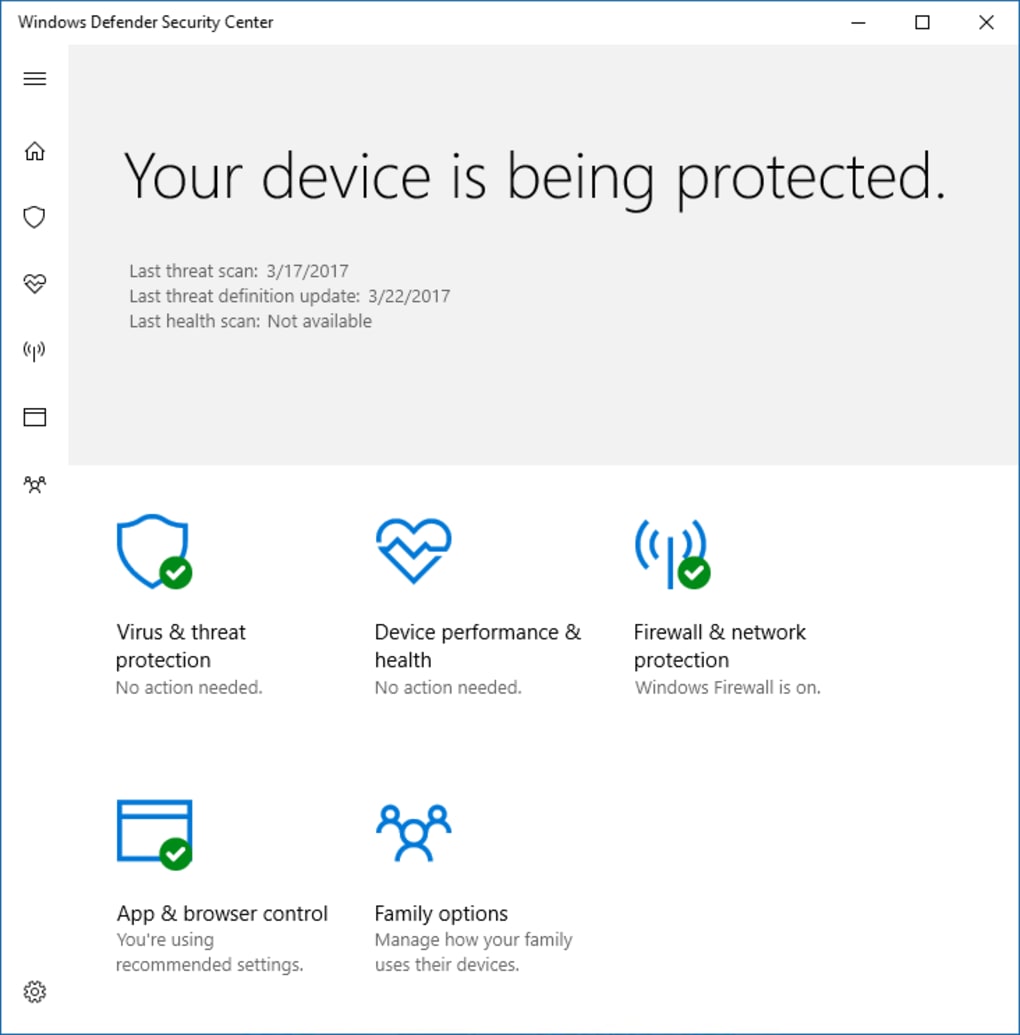

Download Microsoft Defender – Free, Secure, Cross‑Device Protection
Overview
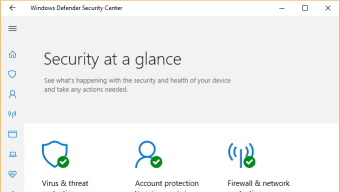
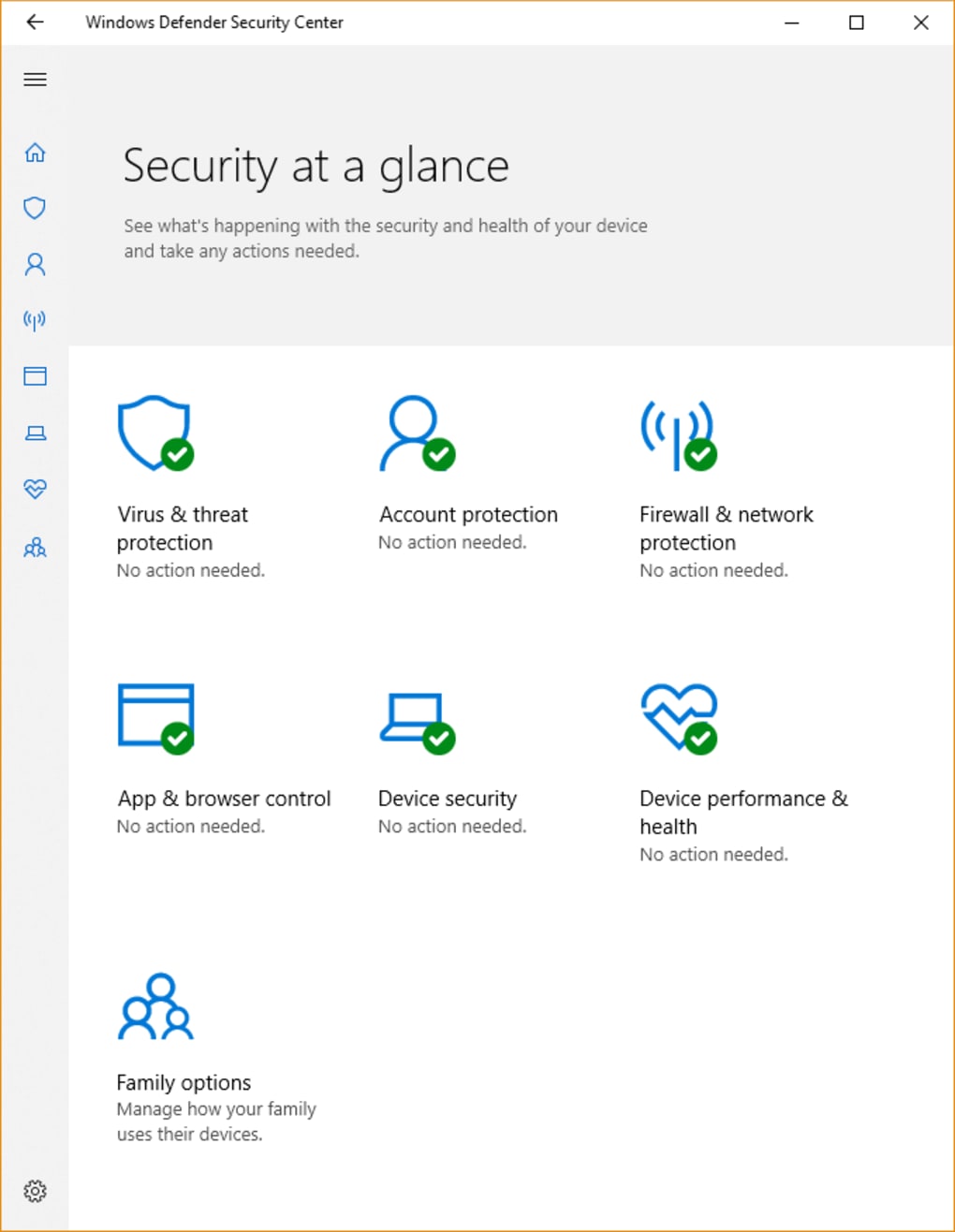
Microsoft Defender is a free‑to‑download security and privacy suite that brings real‑time protection to every device you own – from Windows PCs and macOS laptops to Android phones and iOS tablets. Built on the same cloud‑backed engine that powers Windows 10/11’s native security, Defender offers a centralized dashboard where you can add, monitor, and manage the security status of each synced device with just a few taps. The suite combines classic antivirus and anti‑phishing tools with modern, cloud‑driven threat intelligence, giving you a proactive shield that blocks malware before it reaches your system. Whether you’re a busy professional, a student, or a family looking for a hassle‑free solution, Microsoft Defender delivers continuous scanning, automatic updates, and real‑time alerts without the need for a paid subscription. It positions itself as a comprehensive alternative to premium tools such as Malwarebytes, SpyBot Search & Destroy, and SpyHunter, while maintaining a user‑friendly interface that even non‑technical users can navigate with confidence. By consolidating protection across platforms, Defender helps you safeguard personal data, financial information, and family photos from the ever‑evolving landscape of cyber threats.
Core Features that Make Microsoft Defender Stand Out
- Real‑time Antivirus & Antimalware: Continuously scans files, downloads, and running processes for known and emerging threats using cloud‑based signatures.
- Anti‑Phishing Protection: Detects fraudulent websites and email links, warning you before you enter credentials.
- Cross‑Platform Dashboard: Manage Windows, macOS, Android, and iOS devices from a single web or mobile console.
- Automatic Updates: Receives daily definition updates and feature patches directly from Microsoft’s threat‑intelligence network.
- Secure Score & Recommendations: Provides a security health score and actionable tips to harden each device.
- Device‑Level Controls: Enable or disable protection modules per device, set scan schedules, and whitelist trusted apps.
- Family Safety Integration: Syncs with Microsoft Family features to monitor children’s device health and online safety.
- Low System Impact: Designed to run in the background with minimal CPU and memory usage, preserving performance for work and play.
- Privacy‑First Design: Collects only essential telemetry and offers transparent controls for data sharing.
These capabilities are bundled into a single, free application that eliminates the need for multiple niche tools. The integration with Microsoft’s broader security ecosystem means you benefit from AI‑driven detection, rapid response to zero‑day exploits, and seamless coordination between Windows Defender SmartScreen, firewall rules, and device encryption. For businesses, the same suite can be expanded with Microsoft Endpoint Manager for enterprise‑grade policy enforcement, but the free version already offers a robust foundation for home users seeking comprehensive protection without hidden fees.
Installation, Usage Instructions, and Compatibility
Step‑by‑Step Installation
- Visit the official Microsoft Defender download page for your platform (Windows, macOS, Android, or iOS).
- Click the Download button; the installer will be saved to your default download folder.
- Run the installer and follow the on‑screen prompts – the wizard automatically detects the best configuration for your device.
- Sign in with your Microsoft account to enable cross‑device synchronization.
- After installation, launch the app and allow the required permissions (e.g., accessibility on Android, Full Disk Access on macOS).
- Complete the initial quick scan; Defender will then begin real‑time protection and upload your device profile to the cloud.
How to Use the Central Dashboard
Once logged in, the dashboard presents a visual health meter for each registered device. Clicking a device opens a detailed view with recent scan results, threat history, and security recommendations. You can trigger a full scan, schedule periodic scans, or run a custom quick scan on selected folders. The Notifications pane provides real‑time alerts when suspicious activity is detected, and each alert includes a Recommended Action button that automates remediation (quarantine, delete, or allow). The Settings tab lets you toggle features such as firewall, ransomware protection, and cloud‑based protection per device, giving you granular control without overwhelming complexity.
Supported Operating Systems
Microsoft Defender runs natively on:
- Windows 10, Windows 11 (both 64‑bit and 32‑bit editions)
- macOS 10.15 Catalina and later
- Android 8.0 (Oreo) and newer
- iOS 13 and newer (via the Microsoft Defender mobile app)
After the initial setup, the software updates automatically in the background. However, you can manually trigger an update from the Updates section if you suspect a new threat has emerged. Regular updates are essential for maintaining a high detection rate, as cybercriminals constantly evolve their tactics.
Pros, Cons, Frequently Asked Questions, and Final Verdict
Pros
- Completely free with no hidden subscription fees.
- Cross‑device management provides a unified security view.
- Real‑time cloud‑driven threat intelligence ensures high detection rates.
- Low system resource consumption keeps devices responsive.
- Seamless integration with Microsoft Family Safety and Windows security ecosystem.
Cons
- Limited customization compared to premium suites (e.g., advanced firewall rules).
- Some advanced features (e.g., network intrusion detection) are only available in enterprise tiers.
- Mobile app UI can feel simplified, lacking granular control for power users.
FAQ – Your Common Questions Answered
Is Microsoft Defender truly free for all devices?
Yes. The core antivirus, anti‑phishing, and device management features are offered at no cost for personal use on Windows, macOS, Android, and iOS. Enterprise‑grade extensions require a Microsoft 365 subscription.
Can I use Microsoft Defender alongside another antivirus?
While it is technically possible, running two real‑time scanners simultaneously can cause conflicts and performance degradation. Microsoft recommends disabling the real‑time component of the secondary product or using Defender in passive mode.
How does the cross‑platform dashboard work?
After signing in with your Microsoft account, each device registers to the cloud. The dashboard aggregates health metrics, scan history, and alerts, presenting them in a single web portal or mobile app.
Does Microsoft Defender impact gaming performance?
Defender is designed to run with low CPU and memory usage. In most cases, gamers will not notice any slowdown, especially when using the “Game Mode” option that temporarily lowers scan frequency during gameplay.
What should I do if a threat is detected?
Defender will display a notification with recommended actions (quarantine, remove, or allow). Follow the on‑screen guidance, and then run a full system scan to ensure no residual files remain.
Conclusion – Should You Download Microsoft Defender?
Microsoft Defender delivers a solid, free, and easy‑to‑manage security foundation for anyone who owns multiple devices across different operating systems. Its real‑time cloud protection, low system footprint, and unified dashboard make it an excellent choice for families, remote workers, and small businesses that need dependable protection without the hassle of multiple paid subscriptions. While power users may miss some deep‑customization options, the suite covers the essential security pillars—antivirus, anti‑phishing, and device health monitoring—effectively. If you’re looking for a trustworthy, continuously updated security tool that integrates seamlessly with Windows and Microsoft’s broader ecosystem, downloading Microsoft Defender today is a smart move. Click the button below to start your free download and secure every device in your digital life.