
Download Password Saver – Secure Password Manager for Windows (Free, Lightweight & Reliable)
Itemprop="description">Password Saver is a trusted, lightweight password management tool designed to help users securely store, organize, and retrieve sensitive login credentials. Despite its modest release history and age, this software remains a reliable choice for individuals seeking a no-frills, easy-to-use solution for password storage on older Windows systems. With a focus on simplicity and security, Password Saver offers a straightforward interface that allows users to save usernames, passwords, URLs, and notes in an encrypted database. It's particularly popular in regions like Montenegro, where users appreciate its low system requirements and minimal resource usage. Although the last update was in 2010, many users still rely on it due to its stability and proven track record. The software is completely free to download and use, though the trial version limits access to full functionality. Ideal for users running Windows 98 or earlier, Password Saver continues to serve as a dependable tool for those who value privacy and do not need advanced features like cloud sync or biometric login.
Why Choose Password Saver for Secure Password Management?
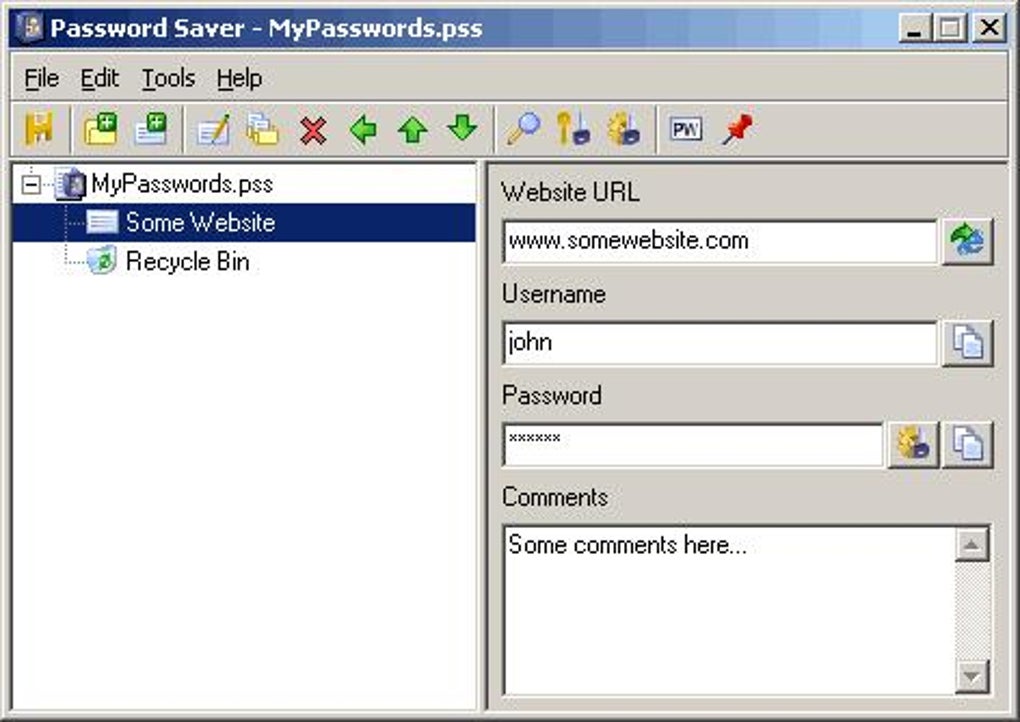
In today’s digital world, managing dozens of login credentials across various platforms can quickly become overwhelming. Password Saver steps in as a minimalist yet effective solution tailored for users who prioritize security without the complexity of modern password managers. While newer tools like Bitwarden, 1Password, and LastPass dominate the market with cloud synchronization and multi-device support, Password Saver remains a niche but viable option for users with older systems or those who prefer offline, local storage. Its core strength lies in its simplicity: no complicated setup, no internet dependency, and no subscription fees. The software encrypts your password database using strong algorithms, ensuring that your data remains protected even if the file is accessed by unauthorized users. Each entry—whether it's for an email account, social media profile, or banking portal—can be stored with a title, username, password, URL, and custom notes. The auto-fill feature, though basic, works reliably for most web forms, reducing the risk of typos and enhancing login speed. One of the standout aspects is its extremely low system footprint. Unlike bloated modern applications, Password Saver runs smoothly on legacy hardware, making it ideal for older computers or systems with limited RAM and processing power. This makes it a perfect fit for users in developing regions or educational institutions where newer software may not be feasible. Despite its age, the software has maintained a loyal user base, especially in Montenegro, where its reliability and ease of use have earned long-term trust. For those seeking a no-cost, no-nonsense password manager that just works, Password Saver delivers consistent performance without unnecessary frills.
Key Features & How to Use Password Saver
Although Password Saver has not seen a major update since 2010, its core features remain relevant for users who value security and simplicity. The software offers a clean, intuitive interface that makes managing your credentials effortless. Here’s what you can expect from this lightweight tool:
- Encrypted Database Storage: All passwords are stored in a single encrypted file, protected by a master password. This ensures that even if the file is stolen, your data remains inaccessible without the correct key.
- Auto-Fill Functionality: When visiting a website, Password Saver can automatically fill login fields, reducing the risk of human error and speeding up the login process.
- Customizable Entry Fields: Each saved entry supports title, username, password, URL, and notes—allowing for detailed organization of sensitive information.
- Portable Mode: The application can be run from a USB drive, making it ideal for users who need to access their passwords on multiple machines without installation.
- Lightweight & Fast: With minimal RAM and CPU usage, Password Saver runs efficiently on older systems like Windows 98, ME, and XP.
To get started, download the software from a trusted source and extract the files. Run the executable, set up a master password (this is critical—never forget it), and begin adding entries. The process is straightforward: click “New,” fill in the details, and save. For optimal security, avoid using simple passwords as your master key. It’s also recommended to back up your encrypted database regularly and store it in a secure location. While the software lacks modern features like two-factor authentication or cloud backup, its offline nature can be seen as a security advantage for users wary of online data breaches. For those who don’t need syncing across devices or advanced automation, Password Saver remains a solid, dependable choice.
Compatibility & Installation Guide
One of the most notable aspects of Password Saver is its compatibility with older operating systems. It officially supports Windows 98 and earlier versions, including Windows ME, Windows XP (32-bit), and even Windows 2000. This makes it one of the few password managers still functional on legacy hardware. If you're using a modern system like Windows 10 or 11, you may encounter compatibility issues, as the software was developed before the widespread adoption of modern security protocols and APIs. However, many users have successfully run it using compatibility modes or virtual machines. To install, simply download the ZIP or EXE file, extract it to a folder on your desktop or drive, and run the application. No installation wizard is required—making it truly portable. This portability is a major advantage: you can carry your password database on a USB stick and access it from any Windows machine, even in public or shared environments. For users concerned about security, this means your data never stays on the host machine. However, it’s crucial to ensure the device you’re using is free from malware before launching the app. Since the software hasn’t been updated in over a decade, it may not support newer encryption standards or security patches. Therefore, it’s best used as a local, offline tool rather than for storing high-risk credentials like banking or government accounts. For moderate use—such as managing social media, email, or shopping logins—it remains a secure and reliable option.
Pros & Cons: Is Password Saver Right for You?
Pros
- Completely free to download and use
- Extremely lightweight and fast on older systems
- Offline, local encryption prevents cloud-based breaches
- Portable—can run from a USB drive
- Simple, intuitive interface with no learning curve
Cons
- No updates since 2010—potential security risks on modern systems
- Limited to Windows 98 and older operating systems
- Lacks modern features like auto-sync, biometric login, or 2FA
- No mobile apps for Android or iOS
- Master password recovery is not possible—forget it, lose access
Frequently Asked Questions (FAQ)
Is Password Saver safe to use?
Yes, Password Saver uses strong encryption to protect your password database. As long as you use a strong master password and keep your encrypted file secure, your data remains protected. However, due to its outdated codebase, it’s not recommended for high-risk accounts.
Can I use Password Saver on Windows 10 or 11?
While not officially supported, some users have run Password Saver on Windows 10/11 using compatibility mode or in a virtual machine. However, performance and security cannot be guaranteed. It’s best used on older systems like Windows XP or 98.
Does Password Saver support cloud backup?
No, Password Saver does not support cloud sync or backup. All data is stored locally in a single encrypted file, which you must manually back up and secure.
Can I access my passwords on Android or iOS?
No, Password Saver has no mobile apps for Android or iOS. It is exclusively designed for Windows systems.
What should I do if I forget my master password?
Unfortunately, there is no password recovery feature. If you forget your master password, you will permanently lose access to your encrypted database. Always keep a secure backup of your master password.
Final Verdict: A Niche Tool for Specific Users
While Password Saver may not be the best choice for everyone, it remains a valuable tool for a specific audience: users with older Windows systems, those who prioritize offline security, or individuals who dislike the complexity of modern password managers. Its simplicity, low resource usage, and zero cost make it a compelling option for basic password storage needs. However, due to its lack of updates and modern features, it should not be used for sensitive accounts like banking or government portals. For users seeking a lightweight, free, and secure password manager that works without internet or cloud dependencies, Password Saver is still worth considering. Download it today and take control of your digital credentials—just remember to back up your data and use a strong master password.
Download Password Saver now and enjoy a secure, no-cost password management experience on your Windows PC.